main Takeaways
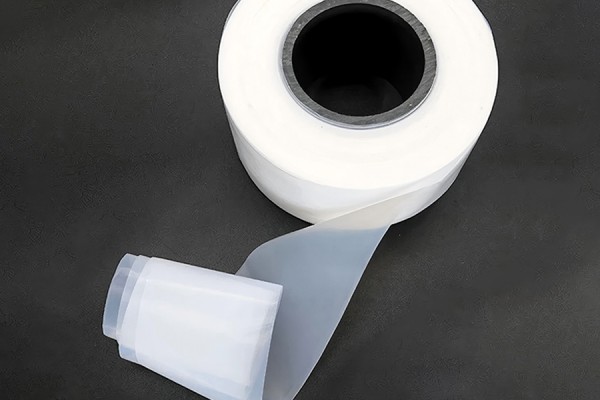
PTFE cable tape wrapping is notable for stronger performance and long-lasting durability in tough applications.
Its impressive insulation qualities help cut signal loss, especially in high-frequency communication systems where clarity matters.
PTFE’s toughness keeps systems working through wide temperature swings and chemical exposure that would ruin conventional materials.
Its flexibility also lets it wrap around many cable shapes without sacrificing insulation quality.
Withstanding these harsh conditions improves signal integrity and lengthens the service life of electrical systems.
As more industries adopt PTFE cable tape wrapping, its contribution to reliability and efficiency in modern technology keeps expanding, reflecting real progress in cable insulation solutions.
PTFE Cable Tape Benefits
PTFE cable wrapping tape brings several benefits for high-speed transmission systems.
Strong insulation keeps signal degradation low, which suits systems that need clear, dependable communication.
Low dielectric loss cuts power waste, especially at high frequencies, improving overall efficiency.
The tape also resists extreme temperatures and aggressive chemicals, so it lasts in demanding settings.
Flexible PTFE film makes it easy to apply around different cable layouts without compromising insulation.
It also shields effectively against electromagnetic interference, which helps preserve signal integrity in advanced communication networks.
Using PTFE Thread Seal Tape and related materials lets manufacturers increase product durability while supporting high-speed data transfer.
Taken together, these traits make PTFE cable wrapping tape an important element in modern cable solutions across many industries.
Durability of PTFE Materials
PTFE materials show exceptional durability, which is why they’re in demand across many applications.
They tolerate extreme temperatures—from −150 to 260 degrees Celsius—so they perform reliably in harsh environments.
PTFE’s chemical inertness adds to its lifespan by preventing breakdown from corrosive agents.
That quality matters in sectors like aerospace and telecommunications, where gear often meets aggressive substances.
PTFE’s mechanical strength also helps durability; it takes physical stress while keeping performance stable.
Furthermore, PTFE’s high dielectric strength lowers the chance of electrical failures, supporting steady operation for high-frequency data links.
Overall, PTFE’s robust character plays a big role in its effectiveness under demanding conditions.
Improving signal integrity
PTFE cable tape wrapping noticeably improves signal transmission integrity in many high-frequency uses.
A low dielectric constant reduces energy loss, which is why it’s favored in modern systems such as 5G and 6G.
Using a "semi-air insulation" design, PTFE cuts signal losses that stem from interference.
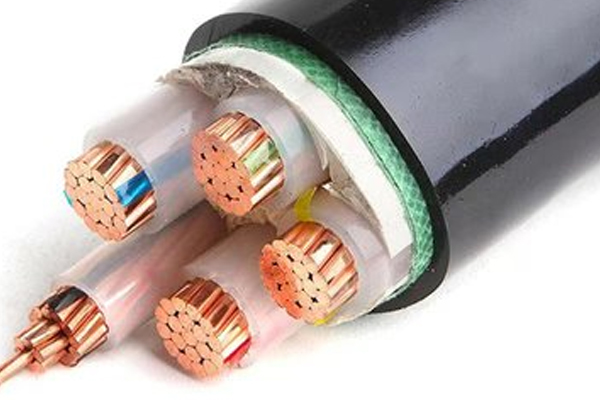
Furthermore, this structure improves coaxial cable performance and helps maintain consistent signal quality over longer runs.
PTFE’s chemical stability and durability slow degradation, which is vital for keeping signals clear in tough environments.
"Adopting PTFE wrapping translates to improved data transmission reliability, especially in critical operations."
This steady performance outperforms traditional insulation that can falter in the same conditions, reinforcing PTFE’s role as an important player in advancing cable technology.
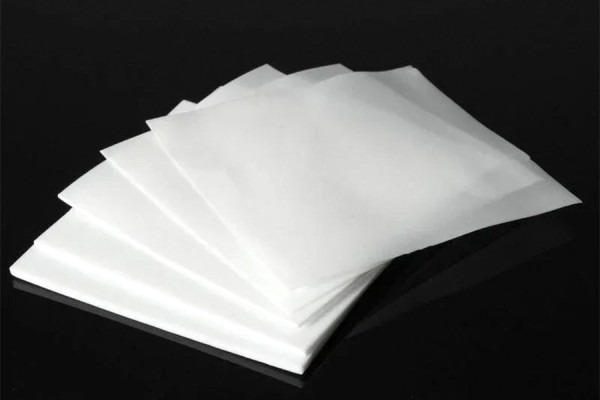
PTFE vs Traditional Insulation
Comparing PTFE cable tape wrapping with conventional insulation methods reveals several important differences.
PTFE provides superior insulation, cutting dielectric loss significantly — a key factor for high-frequency applications.
Unlike PVC or rubber, PTFE endures wide temperature swings and harsh environments, keeping its integrity instead of degrading.
That resilience matters especially in demanding uses such as aerospace and medical devices.
Traditional insulators often struggle in corrosive settings, causing their effectiveness to decline.
By contrast, PTFE is chemically inert and resists many chemicals and solvents.
This improves the reliability of communication lines and contributes to longer-lasting performance in critical systems.
Therefore, selecting PTFE for cable insulation is a clear step forward compared with conventional materials when efficiency and durability are required under tough conditions.
High-Frequency Cable Solutions
PTFE cable tape wrapping plays a vital role in boosting the performance of high-frequency communication lines.
Its combination of low dielectric constant and minimal dielectric loss enables efficient transmission at higher frequencies.
This performance boost is key for modern systems like 5G and 6G, where signal integrity is critical.
Using ePTFE in coaxial cables significantly cuts energy loss, enhancing overall communication efficiency.
Also, PTFE tape’s lightweight, flexible nature simplifies installation and makes handling complex wiring setups easier.
By reducing interference and keeping insulation steady even in extreme conditions, PTFE tape wrapping displays advantages over traditional insulating materials.
Thus, it’s an essential choice for engineers optimizing designs for high-speed data transmission in sectors including telecommunications and aerospace.
Applications of PTFE Tape
PTFE cable tape sees wide use across sectors because of its superior properties.
In telecommunications it insulates high-frequency coaxial cables, helping reduce signal loss.
Durability and moisture resistance make it suitable for outdoor installs, keeping performance steady across weather conditions.
In medical devices, PTFE tape shields delicate wiring where precise signal integrity and reliability are required.
Also, sectors like aerospace and defense use this technology for wiring that must survive extreme temperatures and corrosive conditions.
Automotive applications benefit too, since PTFE defends critical electronics against heat and chemical exposure.
That versatility shows how the material improves performance and lifespan across many uses, making PTFE cable tape an important component in modern tech.
Innovations in Cable Wrapping
The evolution of PTFE cable tape wrapping has changed traditional cable protection by bringing in advanced materials that meet diverse industry needs.
This approach blends ePTFE with standard PTFE to form a semi-air insulation layer that noticeably cuts dielectric losses.
The micro-porous ePTFE structure improves insulation while providing water resistance and breathability, helping reliability in critical environments.
Moreover, their flexibility and durability enable quicker installations and lower maintenance downtime.
Manufacturers are starting to integrate smart tech into cable wrapping, like embedded sensors that track wear and tear.
These advances extend the life and reliability of high-frequency cables and improve signal transmission quality across applications including telecommunications and medical devices.
Extreme condition performance
PTFE cable tape wrapping performs well in environments with extreme temperatures and harsh conditions.
Its tolerance of temperatures from −150 to 260 degrees Celsius ensures dependable operation in both freezing and very hot conditions.
This thermal stability makes it suitable for uses where temperature swings are common.
PTFE’s chemical resistance also shields cables from corrosives, which fits industrial environments where chemical exposure is common.
Also, PTFE’s low dielectric loss helps maintain signal integrity over long distances, which is crucial for high-frequency lines in tough settings.
Together these properties support using PTFE cable tape wrapping in sectors like aerospace and military operations, where equipment must work reliably despite external conditions.
Conclusion
The advantages of PTFE cable tape wrapping are clear: it boosts performance and durability across many applications.
Those properties produce superior signal integrity, supporting key functions in high-frequency communications.
The material’s resilience to extreme conditions ensures reliability, making it valuable in sectors such as telecommunications and aerospace.
As cable-wrapping tech advances, continuing integration of PTFE should further improve efficiency and effectiveness in complex installs.
Strategic use of PTFE improves insulation and adds to the longevity of cable systems, helping them function consistently under demanding conditions.
By adopting these advances, industries gain more reliable communication lines and sturdier performance that meet current technological needs.
FAQs
What is PTFE cable tape wrapping?
PTFE cable tape wrapping is an insulation made from polytetrafluoroethylene, prized for strong insulation and durability and commonly used in high-frequency communication systems.
What advantages does PTFE offer over traditional insulation?
PTFE delivers better insulation, lower dielectric loss, and strong resistance to extreme temperatures and chemicals compared with traditional materials like PVC or rubber.
How does PTFE cable tape improve signal integrity?
PTFE’s low dielectric constant cuts energy loss during transmission, helping keep signals clear and reliable in high-frequency uses.
What industries benefit from using PTFE cable tape?
Sectors like telecommunications, aerospace, medical devices, and automotive benefit from PTFE because of its durability and performance in extreme conditions.
Can PTFE handle extreme temperatures?
Yes — PTFE tolerates temperatures from −150 to 260 degrees Celsius while keeping its performance in both very cold and very hot conditions.
Is the installation of PTFE tape easy?
Yes. PTFE tape is flexible enough to apply easily around different cable configurations without sacrificing insulation quality.
How does chemical resistance affect the performance of cables insulated with PTFE?
PTFE’s chemical resistance prevents degradation from corrosives, which helps cables last longer where chemical exposure is likely.
What advancements have been made in cable wrapping with PTFE materials?
Recent advances include combining ePTFE with conventional PTFE to improve insulation, reduce dielectric losses, and increase moisture resistance and breathability.