important Takeaways
Utilizing PTFE film in industrial applications significantly enhances performance and durability across various sectors. The film’s unique properties such as chemical resistance, thermal stability, and low friction make it an ideal choice for critical applications. Industries benefit from reduced maintenance costs and improved operational efficiency by integrating PTFE film into their processes. The versatility of PTFE allows it to adapt to the specific needs of different sectors, ensuring that it meets varied performance requirements. As industries continue to adopt new PTFE solutions, the potential for further improvements in operational metrics remains vast. The ongoing evolution of this material reinforces its importance as a staple in modern industrial practices, ultimately driving cost savings and efficiency at every level of production.
original Applications of PTFE Film
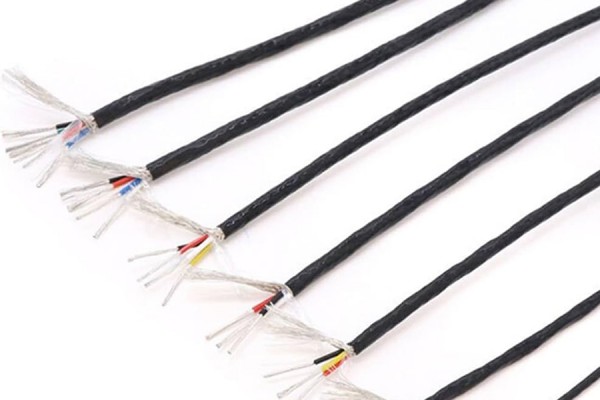
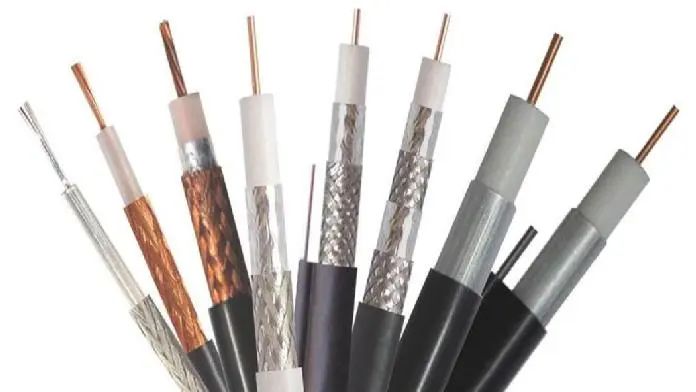
PTFE film has found diverse applications across various industrial sectors due to its unique properties. In the realm of cable management, products like PTFE cable wrapping tape and its modified versions, such as DAC high-speed cable wrapping film and AEC high-speed cable wrapping film, enable exceptional insulation and protection for wires. These tapes reduce dielectric loss while ensuring performance even at high frequencies, which is key for modern communication systems. also, PTFE wrapping film is widely utilized in packaging for chemical containers and equipment, preventing corrosion through its excellent chemical resistance. PTFE Thread Seal Tape specifically enhances sealing capabilities in piping systems by providing a secure barrier against leaks. Moreover, industries involved in semiconductor manufacturing make use of high-speed transmission line PTFE wrapping tape to facilitate effective signal transmission. The adaptability of PTFE film to various environments demonstrates its indispensable role in optimizing industrial applications while promoting durability and efficiency.
Enhancing durability with PTFE Film
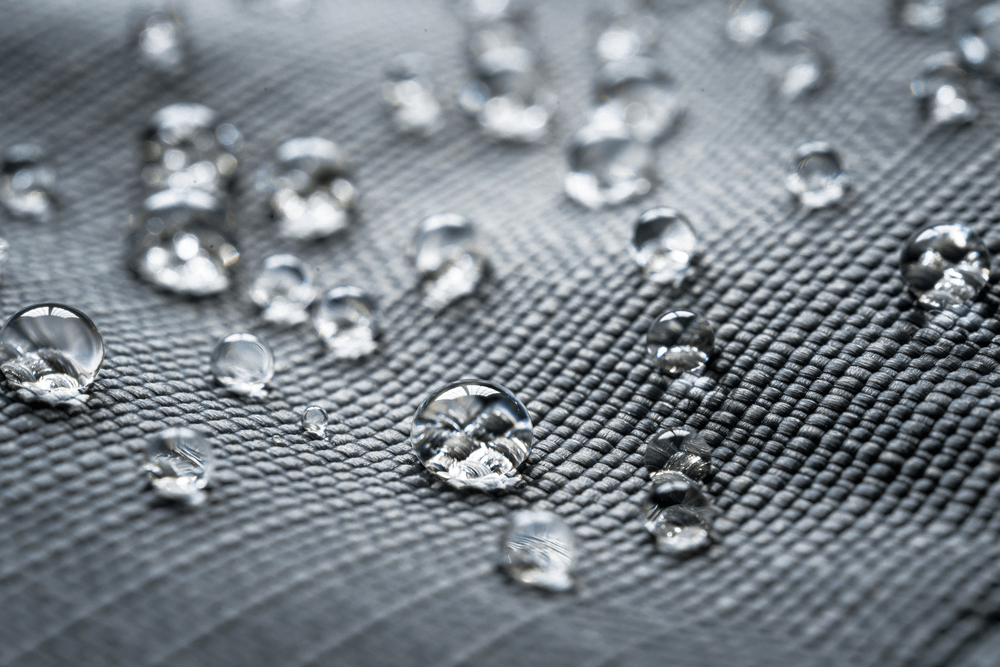
PTFE film offers exceptional durability due to its unique properties, making it a reliable choice in various industrial applications. Its high resistance to chemical corrosion ensures that it maintains its integrity even in harsh environments where other materials may deteriorate. The film’s impressive thermal stability allows it to perform effectively in extreme temperatures, ranging from -150°C to 260°C, without losing functionality. This capability is particularly advantageous for industries that require materials to withstand fluctuating conditions. also, PTFE film exhibits remarkable wear resistance, making it suitable for components subjected to repetitive stress and friction. This durability not only prolongs the lifespan of industrial equipment but also reduces maintenance costs over time. By integrating PTFE film into manufacturing processes, industries can significantly improve the longevity and reliability of their products while improving overall operational efficiency.

Cost-Effective Solutions Using PTFE Film
PTFE film offers significant cost advantages across various industrial applications. Its durability and resistance to chemicals lead to lower maintenance costs and less frequent replacements. Many industries leverage PTFE film for its ability to perform under extreme conditions without compromising quality, reducing the need for costly repairs or downtime. also, the manufacturing process of PTFE film has evolved to improve efficiency, resulting in lower production expenses that can translate to better pricing for end-users. Furthermore, using PTFE film in protective coatings can improve equipment lifespan, leading to substantial long-term savings.
"By integrating PTFE films into processes, companies not only improve performance but also optimize their budgets."
With its versatility, PTFE film is suitable for a range of applications from seals in piping systems to insulation in electrical components. Its exceptional performance characteristics make it a compelling choice for industries seeking reliable yet economical solutions.
PTFE Film in Industrial Sectors
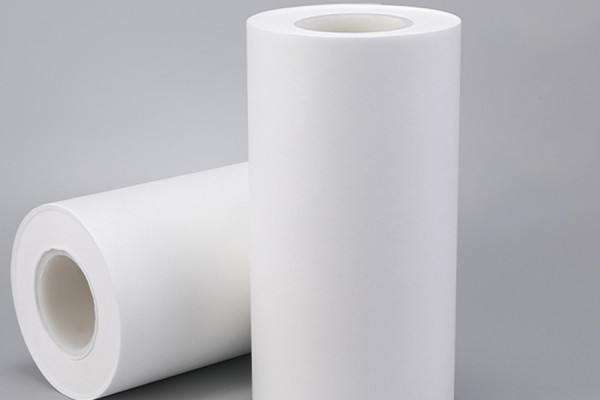
PTFE film finds widespread use across various industrial sectors due to its unique attributes. In the automotive industry, PTFE film is an efficient insulating material, making it essential for electrical components and wiring. Its resistance to extreme temperatures and chemicals ensures reliable performance in demanding environments. The pharmaceutical sector utilizes PTFE film for its non-reactive nature, making it suitable for packaging sensitive products and maintaining product integrity. also, in the aerospace industry, lightweight PTFE films contribute to the efficiency of aircraft designs while providing critical protections against corrosion and wear. Electronics manufacturers apply PTFE film in circuit boards, where its low dielectric loss enhances signal integrity. Furthermore, the food processing industry benefits from PTFE film’s non-stick properties that facilitate efficient production and clean-up processes, promoting hygiene and reducing downtime. These applications demonstrate how PTFE film’s diverse characteristics boost operational performance across multiple fields while addressing specific industry needs effectively.
Unique properties of PTFE Film
PTFE film is notable for its exceptional chemical resistance, enabling it to withstand harsh environments without degrading. This property makes it ideal for applications in sectors like chemical processing and electronics. furthermore, PTFE film features a low coefficient of friction, which minimizes wear and tear, thereby extending the lifespan of equipment. Its high thermal stability allows it to perform reliably at temperatures ranging from -150°C to 260°C, making it suitable for various industrial applications. Moreover, the dielectric properties of PTFE film are advantageous in electronic components, facilitating efficient signal transmission in high-frequency circuits. The material is also non-stick, preventing the accumulation of contaminants and simplifying maintenance. This combination of features positions PTFE film as a versatile solution across multiple industries, from telecommunications to food processing, highlighting its important role in optimizing industrial processes.
Performance benefits of PTFE Film
PTFE film offers numerous performance advantages that boost its utility in various industrial applications. Its remarkable chemical resistance prevents degradation when exposed to aggressive substances, ensuring longevity and reliability. This durability is important in environments subject to harsh conditions. The low-friction properties of PTFE film significantly reduce wear and tear, making it an excellent choice for components requiring smooth operation. furthermore, its thermal stability allows it to withstand extreme temperatures, ranging from -150°C to 260°C, which is essential for applications involving high heat or cold.
The film’s unique low-dielectric characteristics make PTFE ideal for electrical insulation, particularly in high-frequency circuits where signal integrity is vital. Users benefit from enhanced performance in demanding electrical environments. Furthermore, the lightweight nature of PTFE film contributes to its cost-effectiveness, enabling manufacturers to reduce overall weight without sacrificing strength or durability. This combination of resilience, efficiency, and versatility solidifies PTFE film’s role as a preferred material across various sectors, including aerospace, telecommunications, and chemical processing.
Optimizing processes with PTFE Film
PTFE film plays a main role in enhancing operational efficiency across various industries. Its low friction properties contribute to smoother machining processes, reducing wear and tear on machinery. The film’s chemical resistance protects equipment from corrosive substances, ensuring longevity and reliability. Using PTFE film in production processes also allows for better thermal management, as it withstands extreme temperatures without degrading. This characteristic is particularly vital in areas such as chemical processing and manufacturing where fluctuations can be frequent. Moreover, the lightweight nature of PTFE film promotes ease of installation and handling, simplifying integration into existing systems. Industries adopting PTFE film solutions benefit from a seamless workflow that minimizes downtime and operational delays, ultimately leading to improved productivity. also, its versatility enables customization for specific applications, allowing businesses to optimize processes further based on unique operational demands. By implementing new PTFE film solutions, companies improve their process efficiencies while also achieving significant cost savings.
Versatile uses of PTFE Film
PTFE film serves a broad range of applications across various industries, showcasing its adaptability and reliability. In the electrical sector, its low dielectric constant makes it an optimal choice for insulation in high-frequency cables and circuit boards, where it ensures efficient signal transmission. also, the chemical industry utilizes PTFE film as a protective layer for equipment exposed to corrosive substances, thus extending the lifespan of machinery and components. The aerospace industry benefits from PTFE film’s lightweight and durable characteristics, which contribute to energy efficiency in aircraft design. In packaging applications, PTFE film provides an excellent barrier against moisture and chemicals, ensuring product integrity during storage and transportation. Furthermore, the film is increasingly being used in biomedical applications for devices like membranes and sutures due to its biocompatibility. This adaptability across sectors illustrates how PTFE film not only meets specific performance requirements but also enhances operational efficiencies through its unique properties.
Conclusion
the integration of PTFE film in industrial applications marks a significant advancement in enhancing efficiency and reliability across various sectors. This material’s exceptional characteristics, such as chemical resistance, thermal stability, and low friction, contribute to its broad usability. Industries benefit from prolonged equipment life and reduced maintenance costs, showcasing PTFE film as a practical solution in demanding environments. Furthermore, its lightweight nature simplifies handling and installation, allowing for adaptability in diverse operational settings. Companies implementing PTFE film not only optimize their processes but also achieve significant cost savings over time. The ongoing exploration of PTFE film innovations promises further enhancements in performance metrics for industries embracing its versatile applications.
FAQs
What is PTFE film?
PTFE film is a versatile material made from polytetrafluoroethylene, known for its chemical resistance, thermal stability, and low-friction properties.
How does PTFE film boost durability?
PTFE film resists chemical corrosion and withstands extreme temperatures, ensuring it maintains performance and integrity in harsh environments.
What industries benefit from PTFE film applications?
PTFE film is used in various industries, including automotive, aerospace, electronics, pharmaceuticals, and food processing due to its unique properties.
Are there cost benefits associated with using PTFE film?
Yes, PTFE film reduces maintenance costs and equipment replacements due to its durability and performance under extreme conditions.
What are the unique properties that make PTFE film indispensable?
main properties include high thermal stability, low coefficient of friction, excellent chemical resistance, and non-stick characteristics that simplify maintenance.
Can PTFE film be customized for specific applications?
Absolutely. PTFE film can be tailored to meet the particular needs of different industrial processes and operational requirements.
How does PTFE film contribute to operational efficiency?
Its low friction reduces wear on machinery and protects equipment from corrosive substances, which enhances longevity and productivity in processes.
What are common uses of PTFE film in electronics?
In electronics, PTFE film is primarily used for insulation in high-frequency cables and circuit boards to ensure efficient signal transmission.