important Takeaways
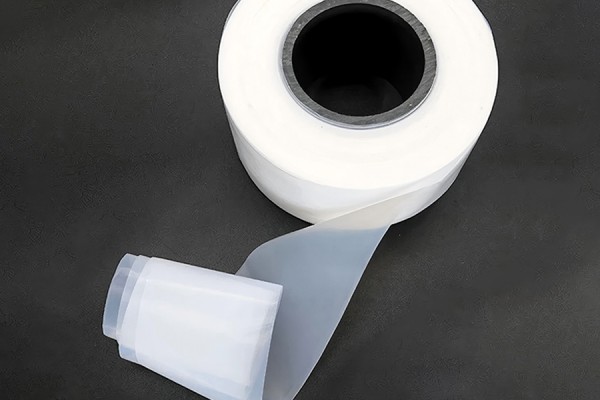
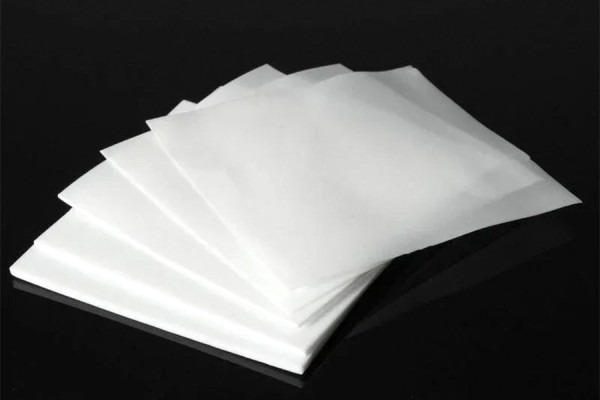
A PTFE insulation film for cable coils is essential for boosting protection and performance across tough applications. Its excellent insulation properties markedly cut dielectric loss, especially in high-frequency settings. Its resilience under wide temperature swings, from -200°C to 260°C, provides unmatched dependability, notably in aerospace and defense fields. Moreover, its corrosion resistance keeps wires intact when faced with harsh chemicals and moisture, extending their lifespan. Also, the lightness of the material makes installation straightforward while guarding wires against environmental factors and EMI. Adding this insulation film to wiring solutions not only boosts efficiency but also meets the stringent requirements of contemporary tech, ensuring consistent system performance in tough conditions.
Advantages of PTFE Film
PTFE film is known for its superior insulation, which plays a key role in shielding wires. The use of PTFE in high-speed transmission lines improves signal integrity by reducing loss, making it suitable for today’s communication networks. Its strong dielectric strength ensures that the insulation layer prevents unwanted electrical conduction. Its capacity to endure extreme temperatures from -200°C to 260°C highlights its adaptability in harsh environments, including aerospace or defense settings. Also, the corrosion resistance of PTFE wrapping tape makes it a solid option for sectors handling various chemicals. For high-frequency cables, such as DAC high-speed cable wraps or AEC high-speed wraps, the better thermal stability helps keep performance steady under heavy loads. Its light weight and durability enable straightforward installation while delivering durable protection for essential wiring networks. With UV resistance and waterproofing, the PTFE cable roll coating stands out as a versatile answer across varied climates and operating conditions.

Unmatched insulation power
This insulation film is renowned for its remarkable insulation capabilities. This material effectively minimizes dielectric loss, making it ideal for high-frequency applications where preserving signal integrity remains essential. PTFE’s low dielectric constant ensures signals pass with minimal resistance, crucial in settings that demand reliability. Additionally, its inherent chemical stability adds insulation benefits, shielding conductors from corrosive elements that could hinder performance. The material’s distinctive properties also enable a broad operational temperature span, keeping functionality steady even under extreme conditions. Providing a dependable barrier against environmental factors, this insulation material enhances the durability and longevity of wiring systems. Thus, choosing this insulation film not only boosts performance but also strengthens the resilience of electrical components in demanding applications.
PTFE for Extreme Environments
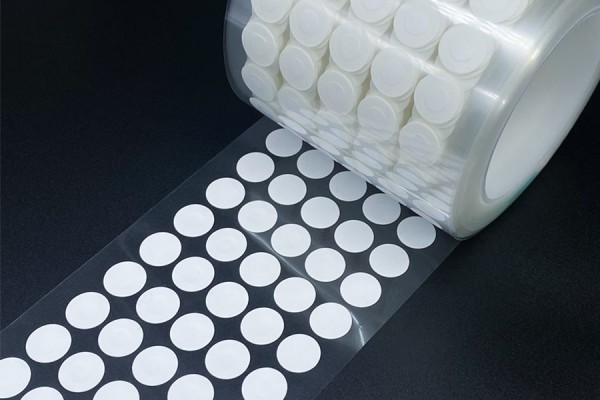
This insulation film performs well in harsh conditions where conventional materials fail. Its strong thermal stability lets it operate reliably across extreme temperatures, suitable for aerospace and defense roles where overheating can be an issue. Additionally, PTFE is chemically inert, meaning it doesn’t react with most substances, preserving performance even in corrosive settings like chemical plants. This resilience is vital for applications needing long-term function without degradation. Also, the unique structure of this film lets it endure mechanical stresses, extending its life in tough environments. This robust mix of temperature tolerance and chemical resistance makes this insulation solution an indispensable choice for safeguarding wires in demanding situations.
Guarding high-Frequency Wires
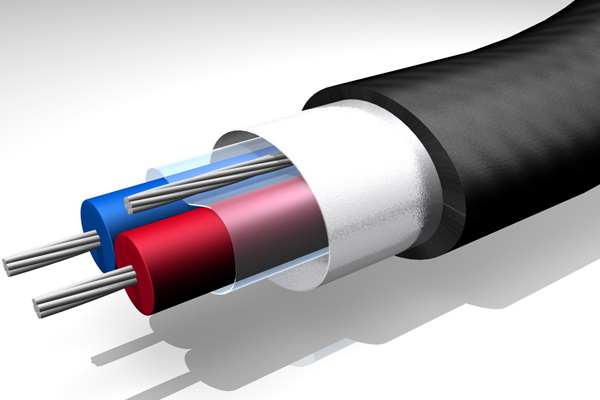
Using this insulation layer is essential for shielding high-frequency conductors across different applications. Its distinctive properties offer solid insulation that reduces signal loss, ensuring efficient performance even under tough conditions. This material is built to endure extreme temperatures and harsh environments, making it a reliable option for data transmission in fields such as aerospace and telecom. With a low dielectric constant, this material improves the integrity of fast signals while reducing EMI. Additionally, its chemical inertness boosts durability against corrosive substances, protecting connections over time. Together, these features position this insulation layer as a crucial solution for boosting reliability and efficiency in high-frequency wiring systems.
Maximizing wire performance
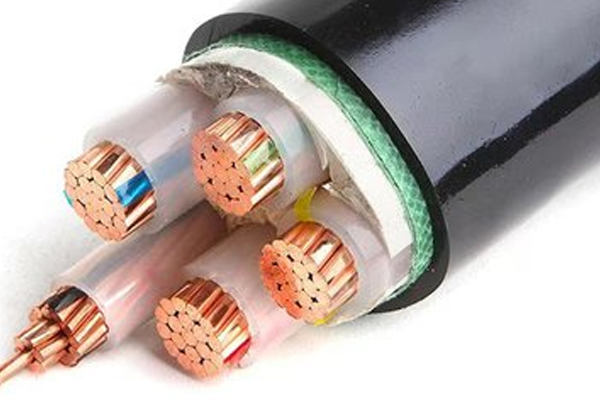
This insulation layer plays a key role in boosting wire performance, especially for high-frequency use. Its low dielectric constant reduces signal loss, keeping data transmission clear and dependable. This matters in settings where high speeds and minimal interference are crucial, like aerospace and advanced telecom networks. The film’s exceptional tensile strength adds to its durability, letting it endure physical stress while maintaining performance. This resilience suits a range of uses, from military missions to cutting-edge medical devices. Also, its chemical inertness shields wires from corrosive substances, extending their lifespan and usefulness. By offering solid protection from environmental factors while preserving optimal conductivity, this insulation layer really boosts overall performance of wiring systems in tough environments.

Corrosion resistance in Focus
This insulation layer is noted for its exceptional corrosion resistance. That trait matters in harsh environments where chemicals and moisture could harm ordinary wire insulation. The film serves as a barrier, shielding the conductor underneath while preserving its integrity over time. Crucially, PTFE remains stable when in contact with aggressive substances, making it suitable for diverse industrial settings including automotive and aerospace. Its inert nature keeps it stable and effective, even in high-humidity or corrosive environments. Additionally, the longevity from this corrosion resistance lowers maintenance and replacement costs, boosting the reliability of electrical systems. As durability and performance demands rise in cabling, using this insulation can noticeably extend the lifespan of electronic components.
Thermal stability explained
This insulation layer provides excellent thermal stability, suitable for high-temperature use. It preserves performance across temperature swings, ensuring reliable operation in tough settings. Its capacity to endure heat without degrading is crucial for insulation and protection, especially in aerospace and defense where temperature swings are common. Stable thermal traits also support energy efficiency, lowering the risk of signal loss from overheating. Also, its low thermal conductivity helps limit heat transfer, shielding sensitive parts from damage during extended high-temperature exposure. This resilience to thermal stress is a key factor in boosting the overall performance and longevity of wiring systems. As tech advances and efficiency demands rise, this insulation solution remains a key element in contemporary wiring.
Optimize cabling solutions
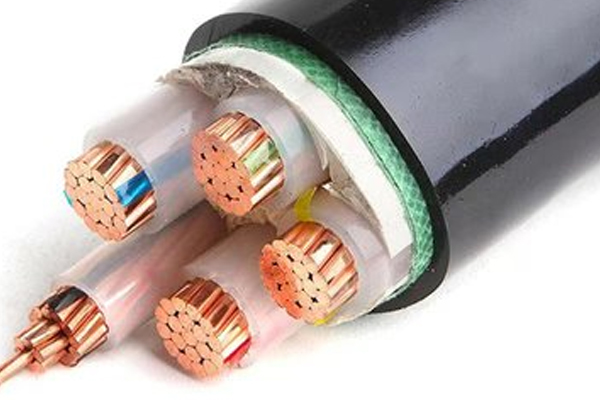
Using this insulation layer can substantially enhance the performance and reliability of cabling in challenging environments. The insulation properties are strengthened, protecting cables from temperature swings and EMI. Its low dielectric constant minimizes signal loss, which is vital for high-frequency uses like 5G networks. Moreover, the film’s strong corrosion resistance guards cables in harsh conditions, making it suitable for outdoor or industrial settings. Inserting this insulation into cable designs lets manufacturers boost durability and efficiency, leading to longer operational lifespans. This strategic approach to cabling not only meets but often exceeds industry standards, delivering a robust solution that adapts to evolving tech demands.
Conclusion
This insulation layer emerges as a key component in the protective landscape of modern wiring. Its top-tier insulation, combined with strong thermal stability and corrosion resistance, allows it to perform well in tough environments. By shielding conductors from EMI and extreme temperatures, the film helps preserve signal integrity, crucial for high-frequency use across many sectors. The flexibility and durability of this material make it a good choice for sectors requiring reliability, like aerospace and telecom. As tech advances, the role of this insulation layer in boosting performance and longevity of electrical systems grows more important. Using this material helps wiring solutions meet strict standards while adapting smoothly to future needs.
FAQs
What is this insulation film used for cable coils, made from PTFE?
This insulation film serves to insulate and protect wires, especially in high-frequency applications.
How does this material improve wire insulation?
The material offers excellent insulation by reducing dielectric loss, helping preserve signal integrity in tough settings.
Is the PTFE insulation suitable for extreme temperatures?
Yes, it can endure temperatures from -200°C to 260°C, suitable for harsh environments.
Which industries frequently use PTFE insulation film?
Fields like aerospace, telecom, and chemical processing often rely on PTFE insulation for durability and reliability.
How does corrosion resistance help wiring systems?
PTFE’s corrosion resistance shields wires from damage by chemicals and moisture, extending their life and lowering maintenance.