
main Takeaways
ePTFE membranes demonstrate significant advantages across a range of industries due to their unique properties. Their microporous structure balances waterproofing with breathability, which is ideal for applications needing moisture management. In healthcare, biocompatibility coupled with effective contamination barriers makes them essential for medical devices and surgical implants. When utilized in electronics, ePTFE membranes protect sensitive components while maintaining performance under varying conditions. They stand out in environmental filtration as they efficiently block pollutants while allowing air and moisture exchange, thus contributing to cleaner industrial processes. Despite the challenges in production, such as maintaining porosity and preventing contamination, ongoing advancements in manufacturing techniques are promising improvements in quality and consistency. As companies focus on sustainability and innovations like integrating smart technologies, ePTFE membranes will likely continue to shape future applications across diverse fields, stressing their role as a useful solution in the evolving industrial scene.
new Features of ePTFE Membrane
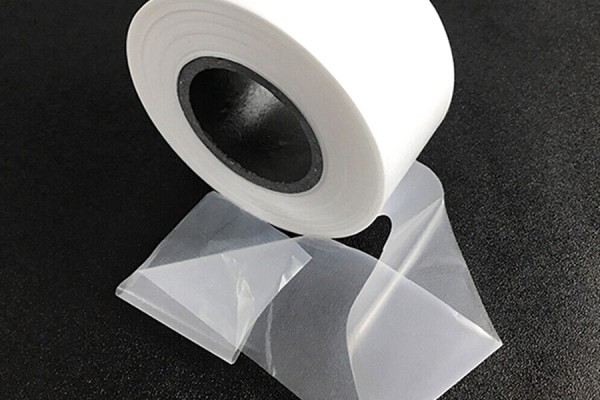
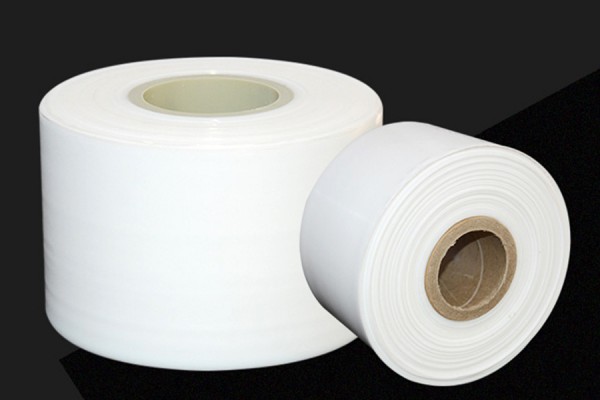
ePTFE membranes possess distinct attributes that set them apart in various industrial domains. One of their important features is their microporous structure, which allows for superior permeability while resisting liquid water. This property is particularly beneficial in applications requiring moisture control, such as in telecommunications and automotive sectors. also, the chemical resistance of ePTFE contributes to its versatility; it withstands a wide range of corrosive substances without degrading. This makes it suitable for industries that demand long-lasting materials, including pharmaceuticals and chemical processing. The thermal stability of ePTFE ensures reliable performance at extreme temperatures, making it invaluable for high-speed transmission line PTFE wrapping tape and PTFE wrapping film applications where environmental conditions can fluctuate dramatically. Furthermore, the lightweight nature and flexibility of this membrane technology enable easy integration into complex designs, enhancing functionality without compromising structural integrity. Overall, the new features of ePTFE membranes promote enhanced performance across various fields while supporting advancements in efficiency and reliability.
Applications of ePTFE in Healthcare
ePTFE membranes play a vital role in healthcare, particularly due to their biocompatibility and ability to provide effective barriers against contaminants. They are extensively utilized in medical devices such as surgical implants, artificial blood vessels, and sterilization filters. The microporous structure of ePTFE allows for the selective passage of gases while blocking bacteria and liquids, making it ideal for applications like wound dressings and drainage systems. Moreover, these membranes are employed in urine bags and infusion devices where hygiene and reliability are paramount. The durability of ePTFE under challenging conditions ensures that medical devices maintain their integrity over time. As research progresses, the integration of ePTFE into advanced medical technologies continues to expand, promising improved outcomes in patient care and device functionality.
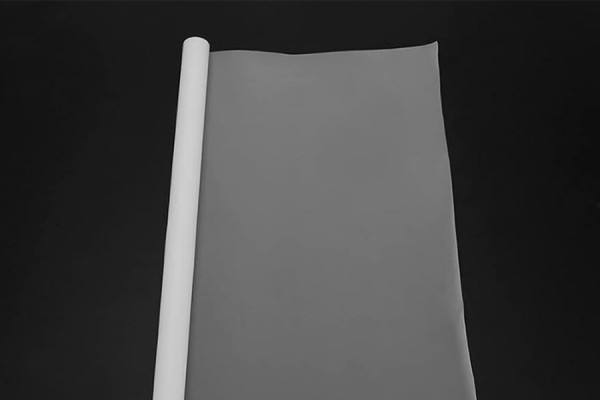
ePTFE Technology Enhancements in Electronics
The integration of ePTFE membranes in electronic devices has led to significant improvements in performance. These membranes provide exceptional moisture management, allowing devices to maintain optimal functionality under varying environmental conditions. Their microporous structure not only enables breathability but also protects against dust and contaminants, ensuring the longevity of sensitive components.
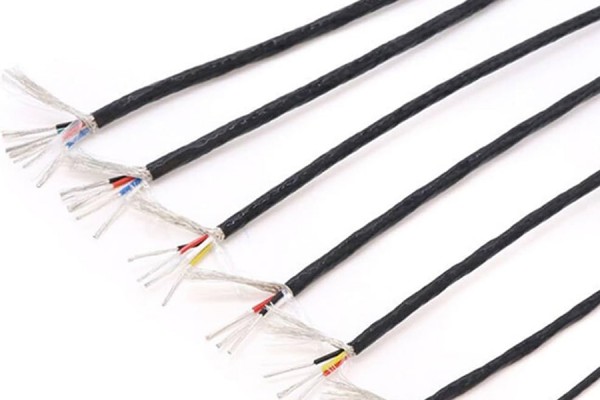
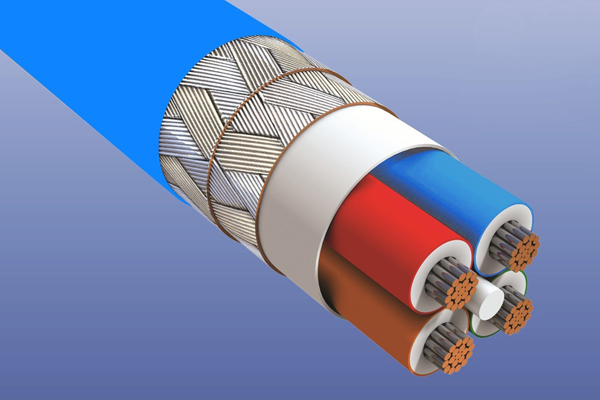
In telecommunications, ePTFE’s low dielectric constant makes it suitable for high-frequency applications, reducing signal loss in coaxial cables. The lightweight nature of ePTFE enhances device portability without compromising durability. Moreover, advancements in manufacturing techniques have increased the scalability of these membranes, making them accessible for various electronics applications.
"The durability and adaptability of ePTFE make it an ideal choice for modern electronic devices."
Companies are now focusing on innovations that boost the thermal stability and mechanical strength of ePTFE membranes, addressing the growing demands for reliability in next-generation electronics such as 5G and 6G technologies. These enhancements ensure that ePTFE remains at the forefront of electronics manufacturing and development.

Challenges and Solutions in ePTFE Production
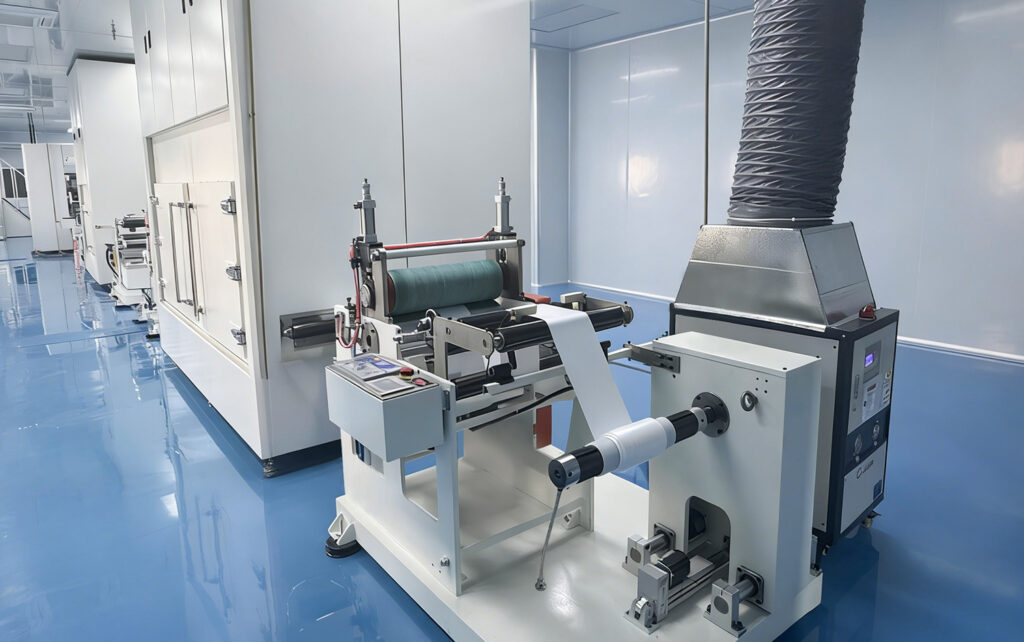
The production of ePTFE membranes faces several challenges that can impact quality and performance. One primary issue is achieving the desired porosity while maintaining structural integrity. Advanced manufacturing techniques, such as controlled stretching and sintering processes, can help address this challenge by allowing precise manipulation of pore size and distribution. Another significant challenge lies in contamination during production, which can affect the biocompatibility and chemical resistance of the membranes. Implementing stringent cleanroom protocols and quality control measures is important to minimizing contamination risks. furthermore, achieving uniform thickness across large production runs remains a concern, as inconsistencies can lead to performance variability. Utilizing automated systems for monitoring thickness in real time can improve consistency. Finally, balancing cost-efficiency with high quality output is always a consideration; exploring alternative raw materials or new manufacturing methods may offer viable solutions to maintain affordability while ensuring the membranes meet rigorous standards.
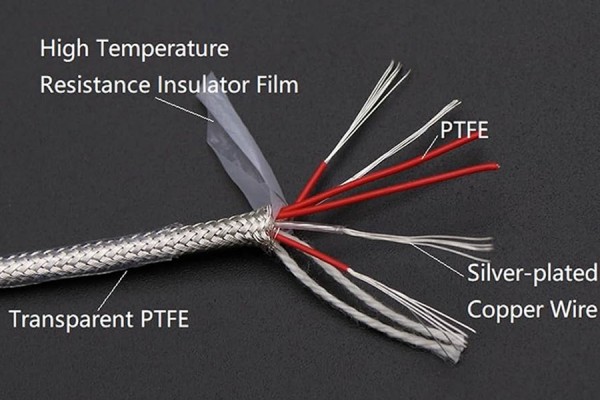
Comparative analysis of Membrane Types
When evaluating various membrane types, it is essential to consider their unique properties and suitability for specific applications. ePTFE membranes are known for their exceptional waterproof and breathable qualities, setting them apart from conventional materials such as polyurethane (PU) and polyethylene (PE). While PU membranes offer flexibility and are often used in sports and outdoor apparel, they may not withstand extreme temperatures or chemical exposure as well as ePTFE. PE membranes, on the other hand, provide good barrier properties but lack the microporous structure that facilitates moisture vapor transfer, leading to potential issues with breathability. Comparatively, ePTFE stands out due to its durability under severe conditions, making it a preferred choice in demanding sectors like healthcare and electronics. Each membrane type has distinct advantages that can be leveraged based on specific operational needs; therefore, understanding these differences is vital for effective material selection in industrial applications.
Future trends for ePTFE in Industry
The scene of ePTFE membrane technology is evolving, driven by advancements in materials science and industrial applications. One main trend is the increasing focus on sustainability, prompting the development of eco-friendly manufacturing processes. Industries are exploring the use of recycled materials and reducing waste during production, aligning with global environmental goals. Furthermore, as demand grows for lightweight and flexible devices, manufacturers are innovating with thinner ePTFE membranes that maintain performance while reducing weight. In the healthcare sector, the push for biocompatible solutions continues to rise, leading to enhanced applications of ePTFE in implantable devices and drug delivery systems. furthermore, the adoption of smart technologies is creating opportunities for integrating sensors into ePTFE membranes, enhancing functionalities such as moisture detection and pressure regulation. Collaborative research between academia and industry will likely accelerate these trends, pushing the boundaries of what ePTFE can achieve across various fields. This synergy promises to unlock new applications that leverage the unique properties of ePTFE in diverse industrial environments.
ePTFE Membranes in Environmental Filtration
ePTFE membranes offer useful benefits in environmental filtration applications, primarily due to their microporous structure, which allows for efficient separation of particles from gases and liquids. These membranes effectively block pollutants while permitting air and moisture to pass through, thus maintaining a balanced environment. In industrial settings, ePTFE is used in dust collection systems, significantly enhancing the capture of fine particulate matter, and improving air quality. In water treatment facilities, these membranes are utilized for their robust chemical resistance and filtration capabilities, making them ideal for filtering hazardous substances without degrading over time. Their biocompatibility also renders them suitable for applications that require contact with organic materials without introducing contaminants. The increasing demand for cleaner industrial processes drives the development of advanced ePTFE membrane technologies, aiming to improve filtration efficiency while reducing environmental impact. This adaptability contributes to ePTFE’s critical role in promoting sustainable practices across various industries.
Performance evaluation of ePTFE Products
Evaluating the performance of ePTFE products involves assessing their durability, functionality, and efficiency in various applications. Tests point out their resistance to extreme temperatures and chemical exposure, which are critical in sectors such as electronics and healthcare. For instance, in electronic applications, ePTFE membranes have shown impressive results in maintaining signal integrity and minimizing dielectric losses under high-frequency conditions. furthermore, their use in medical devices showcases their ability to withstand sterilization processes while remaining biocompatible. Moreover, industrial filtration processes benefit from ePTFE’s superior particle retention capabilities and moisture management, confirming its role as an effective barrier against contaminants. These evaluations not only display the membrane’s performance metrics but also guide future innovations in material science, enhancing product reliability across diverse environments.
Conclusion
ePTFE membranes have established a significant presence across diverse industrial sectors, driven by their unique properties and continuous advancements in technology. Their microporous structure allows for highly efficient filtration while resisting liquids, making them invaluable in applications ranging from healthcare to electronics. As industries increasingly emphasize sustainability, innovations in ePTFE manufacturing processes are leading to eco-friendly practices that reduce waste and utilize recycled materials. While challenges such as production consistency and contamination remain, the ongoing development of advanced techniques promises to boost quality and performance even further. The adaptability of ePTFE membranes positions them as a critical solution for meeting the demands of modern applications, paving the way for future exploration into new sectors and uses that align with evolving industrial needs and environmental considerations.
FAQs
What are ePTFE membranes?
ePTFE membranes are polytetrafluoroethylene materials characterized by a microporous structure, enabling them to be waterproof yet breathable, making them suitable for various applications.
How are ePTFE membranes used in healthcare?
In healthcare, ePTFE membranes provide biocompatible barriers in medical devices like surgical implants and filters, ensuring that they block contaminants while allowing necessary exchange of gases.
What advantages do ePTFE membranes offer in electronics?
ePTFE membranes help manage moisture, protect against dust, and maintain signal integrity in electronic devices. Their low dielectric constant is particularly beneficial for high-frequency applications.
What challenges exist in the production of ePTFE membranes?
Challenges include achieving the right porosity while maintaining strength, preventing contamination during manufacturing, and ensuring uniform thickness across products to maintain quality.
What future trends can be expected for ePTFE technology?
Future trends include a focus on sustainability through eco-friendly production methods, innovations like thinner yet efficient membranes, and enhanced functionalities by embedding sensors within the materials.