Key takeaways
the advancements in PTFE raw material tape highlight its pivotal role in modern industrial applications. Its enhanced properties, including superior electrical insulation, exceptional chemical resistance, and improved performance metrics, make it indispensable across various sectors. Industries such as aerospace and telecommunications benefit significantly from these developments, which allow for safer and more efficient operations under demanding conditions. The ability of PTFE tapes to withstand extreme temperatures and corrosive chemicals contributes to their longevity and reliability, reducing maintenance needs. Furthermore, ongoing innovations in PTFE tape technology promise tailored solutions to meet emerging industry requirements while addressing sustainability concerns. As manufacturers continue to refine production techniques and explore new material compositions, the versatility of PTFE raw material tape positions it as a key component in advancing industrial technologies. Overall, the continuous evolution of PTFE tapes is set to enhance operational efficiency and support various applications that are critical for future industrial growth.
Advancements in PTFE Tape Properties
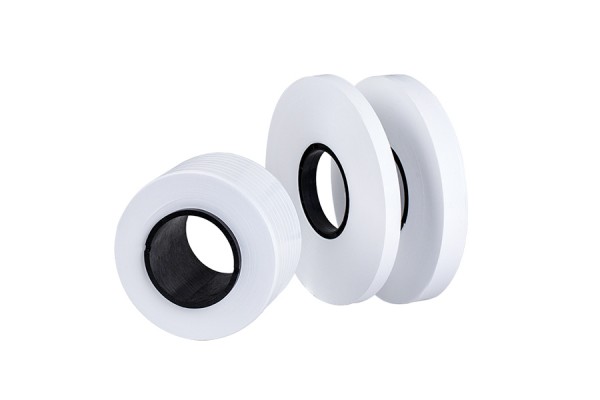
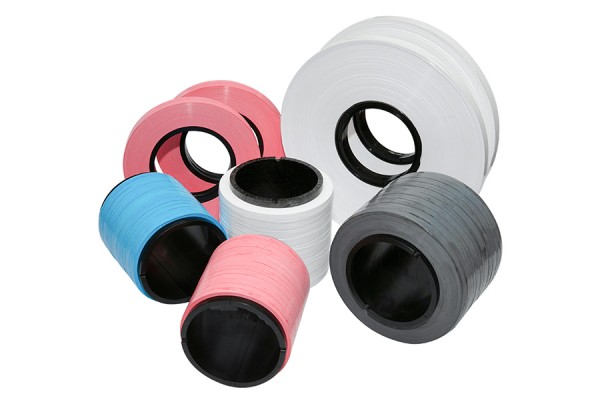
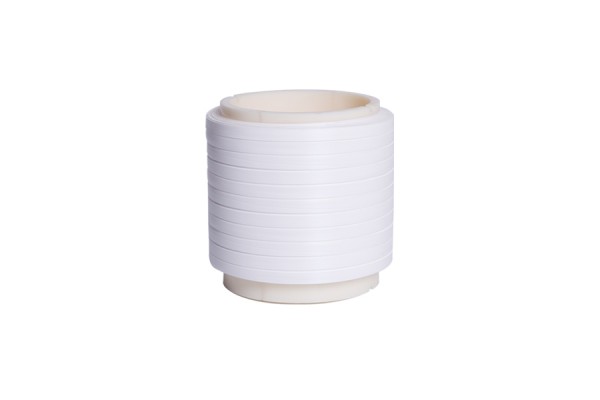
Recent advancements in PTFE tape properties have significantly improved their functionality across various industrial applications. The introduction of high-speed transmission line PTFE wrapping tape has enhanced signal integrity, making it essential for modern communication technologies. Similarly, developments in PTFE wrapping film contribute to better insulation and protection against environmental factors. Additionally, the effectiveness of PTFE Thread Seal Tape has been proven in diverse sealing applications due to its exceptional chemical resistance and versatility.
Furthermore, innovations around PTFE cable wrapping tape have demonstrated remarkable durability under high-frequency situations, supporting enhanced performance in demanding sectors like telecommunications and aerospace. The emerging DAC high-speed cable wrapping film offers improved electromagnetic compatibility, ensuring reliable signal transmission without interference.
As the industry evolves, the significance of AEC and ACC high-speed cable wrapping films becomes evident; they cater to stringent requirements for high-performance setups. Industries benefit from utilizing high-speed and high-frequency cable wrapping film, reflecting the ongoing evolution in material science dedicated to optimizing production processes and enhancing industrial performance.
Enhanced insulation in PTFE Tapes
Recent advancements in PTFE raw material tape have led to significant improvements in insulation properties. These enhancements allow PTFE tapes to effectively minimize electrical leakage and improve dielectric strength, making them suitable for high-voltage applications. The inherent characteristics of PTFE, such as its non-polar structure, contribute to its excellent insulation capabilities by resisting the flow of electric current. Moreover, the developments in manufacturing processes have resulted in tapes with even greater thickness uniformity and density, further enhancing their performance in demanding environments. Industries that rely on safe and efficient electrical insulation are increasingly utilizing these improved PTFE tapes. For instance, in the aerospace and telecommunications sectors, where reliability is paramount, the advanced insulation properties of PTFE tapes ensure optimal performance under various physical conditions. As the demand for higher efficiency in industrial applications continues to grow, the refinement of insulation capabilities in PTFE tapes plays a crucial role in supporting technological advancements across multiple sectors.
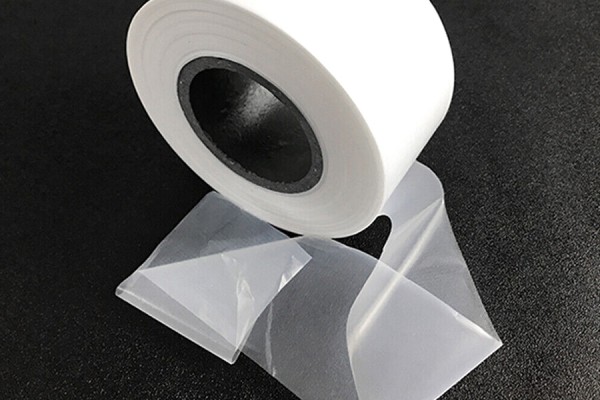
Chemical resistance of PTFE Materials
PTFE materials are renowned for their exceptional chemical resistance, which makes them highly suitable for demanding industrial settings. This property allows PTFE to withstand exposure to a wide array of chemicals, including strong acids, bases, and solvents, without degrading. The molecular structure of PTFE contributes to its durability against corrosive substances, ensuring that it maintains integrity even in harsh environments. As a result, PTFE is frequently used as a lining material in pipes and tanks where chemical reactions may occur. Additionally, the material’s low surface energy reduces adhesion of contaminants and particulate matter, enhancing its functionality in various applications. These characteristics are critical for industries such as chemical processing and pharmaceuticals, where equipment must operate reliably and safely under challenging conditions. By leveraging the unique properties of PTFE, manufacturers can ensure longevity and performance in their products while minimizing maintenance needs.
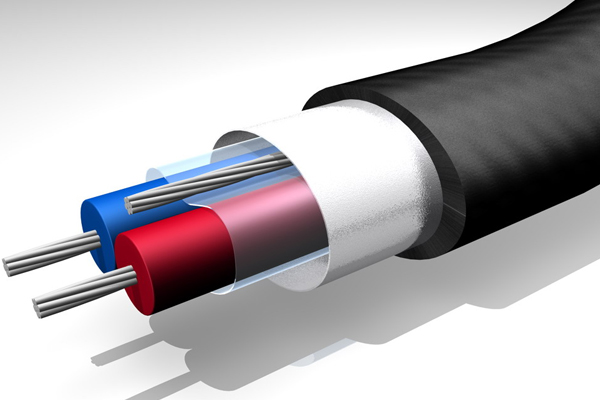
Performance improvements in PTFE Tape
Recent advancements in PTFE tape technology have led to significant performance improvements that benefit various industrial applications. These improvements include enhanced tensile strength and flexibility, which ensure better durability under stress. Manufacturers have focused on optimizing the molecular structure of PTFE, leading to a product that can withstand more vigorous operational conditions. The modified tapes exhibit superior temperature endurance, making them suitable for environments with extreme thermal fluctuations. Additionally, the dielectric properties of these tapes have been refined, allowing for improved electrical insulation and reduced signal loss. This is particularly important in industries requiring high-frequency signal transmission, such as telecommunications and data centers. Furthermore, advancements in the manufacturing process have resulted in uniform thickness and surface characteristics that enhance adhesion during application. These developments not only improve the performance lifespan of PTFE tape but also reduce maintenance costs in industrial settings where reliability is paramount.
Applications of PTFE Raw Material Tape
PTFE raw material tape finds numerous applications across various industrial sectors due to its distinctive properties. In electrical insulation, it is extensively used in high-frequency cables and wiring, providing reliable performance under extreme conditions. Its excellent dielectric strength ensures minimal energy loss in electrical systems, making it a preferred choice for high-demand environments such as telecommunications and data centers. Additionally, the chemical resistance of PTFE tape makes it suitable for use in environments exposed to aggressive substances, including chemicals and solvents found in manufacturing processes. This durability is critical for industries like pharmaceuticals and food processing, where contamination prevention is paramount. Furthermore, PTFE tape serves vital roles in sealing applications, utilized in gaskets and O-rings to prevent leaks in pumps and valves under harsh conditions. As industries continue to evolve, the versatility of PTFE raw material tape adapts to emerging needs, supporting advancements in technology and enhancing overall operational efficiency across sectors.
Industrial uses of PTFE Tapes
PTFE tapes are widely utilized across various industries due to their remarkable properties. In electrical applications, these tapes serve as excellent insulation materials, preventing short circuits and ensuring safe operation in demanding environments. Their low friction characteristics make them suitable for use in conveyor belts and other machinery, enhancing efficiency and durability. The chemical resistance of PTFE tapes allows for their effective use in the transportation and storage of corrosive substances, providing reliable sealing solutions in pipes and fittings. In the aviation industry, PTFE tapes are instrumental in providing insulation for wires and cables, contributing to safer aircraft operations. Furthermore, these tapes find application in the manufacturing of gaskets and seals, where they prevent leaks in critical systems like pumps and valves. The versatility of PTFE raw material tape positions it as an essential component in many high-performance applications across different sectors.
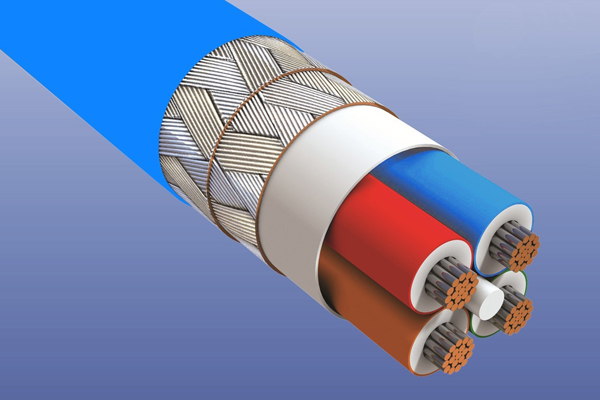
Future trends in PTFE Tape Technology
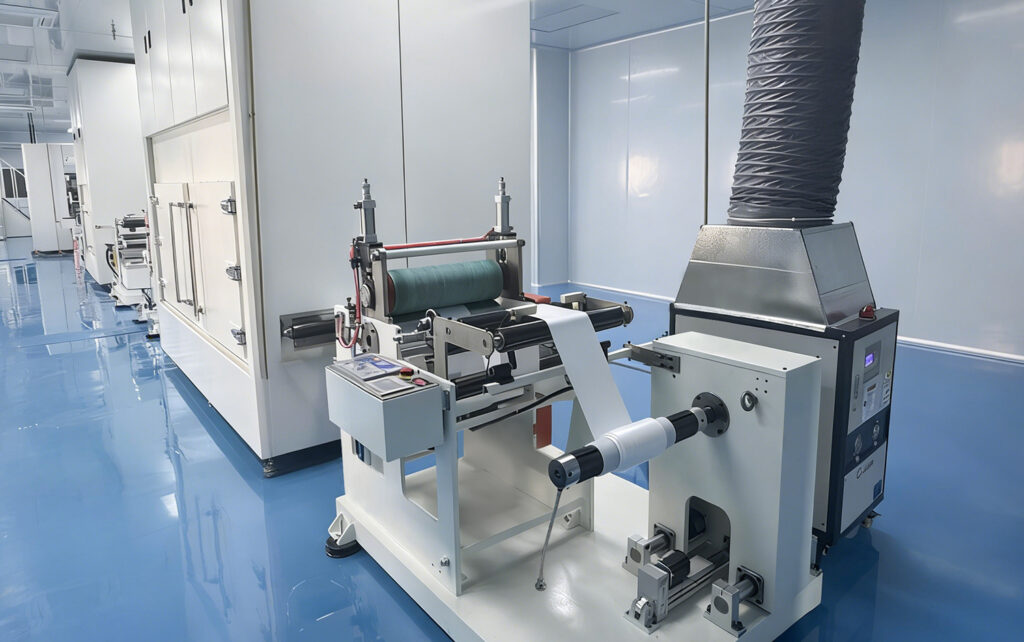
Future trends in PTFE tape technology focus on innovations aimed at improving the material’s performance across various industrial applications. One significant direction involves enhancing thermal and electrical insulation, which will allow PTFE tapes to operate efficiently under more extreme conditions. Researchers and manufacturers are increasingly investing in composite materials that incorporate PTFE, aiming to improve strength while reducing weight. Additionally, advancements in manufacturing processes are expected to increase the production speed and reduce costs.
Sustainability also plays a crucial role in the future of PTFE tapes. Companies are exploring eco-friendly production techniques and recycling initiatives to minimize environmental impact. This shift not only addresses regulatory pressures but also meets growing consumer demand for sustainable products.
Moreover, as industries like aerospace, automotive, and electronics continue to evolve, there is a rising need for tailored solutions. This peripheral demand encourages continuous innovation, leading to specialized PTFE tape formulations that accommodate unique requirements of high-performance applications. The interaction between these trends is likely to reshape the landscape of PTFE tape technology, driving efficiency and versatility in industrial settings.
Benefits of Using PTFE in Industry
PTFE offers several important advantages that make it a preferred choice across various industrial applications. Its excellent insulation properties help prevent energy losses, contributing to more efficient operations, especially in electrical and electronic equipment. The material’s remarkable chemical resistance allows it to withstand harsh environments without degradation, ensuring longevity and reliability in demanding settings. PTFE’s durability means that equipment utilizing this material can operate longer with reduced maintenance needs, resulting in cost savings over time. Additionally, its low friction coefficient enhances the performance of moving parts, reducing wear and tear in mechanical systems. PTFE also provides superior thermal stability, enabling its use in extreme temperature conditions without compromising its structural integrity. Overall, these benefits make PTFE a valuable material for numerous sectors, positioning it as a key component in the advancement of technologies in industries ranging from aerospace to pharmaceuticals.
Conclusion
the ongoing advancements in PTFE raw material tape demonstrate its crucial role in enhancing industrial applications. Improved insulation properties enhance electrical safety and efficiency, while the material’s exceptional chemical resistance ensures reliability across various demanding environments. Performance enhancements further solidify PTFE tape’s position as an integral component in technologies requiring high durability and effective sealing solutions. As industries evolve, the innovations surrounding PTFE tapes align with the growing demands for efficiency and sustainability. Future developments are likely to focus on creating specialized formulations that cater to unique sector requirements, thus maintaining PTFE’s reputation as a vital material for numerous applications. Ultimately, the versatility and reliability of PTFE raw material tape continue to support advancements in industrial performance across multiple sectors, reflecting its lasting significance in modern engineering and manufacturing contexts.
FAQs
What is PTFE raw material tape commonly used for?
PTFE raw material tape is commonly used for electrical insulation, sealing applications, and protecting components in various industries due to its excellent insulation and chemical resistance properties.
How does PTFE tape improve electrical insulation?
PTFE tape improves electrical insulation by minimizing electrical leakage and enhancing dielectric strength, making it suitable for high-voltage applications.
Can PTFE materials withstand harsh chemicals?
Yes, PTFE materials exhibit exceptional chemical resistance, enabling them to withstand exposure to strong acids, bases, and solvents without degrading.
What industries benefit from using PTFE raw material tape?
Industries such as aerospace, telecommunications, pharmaceuticals, and food processing benefit from using PTFE raw material tape due to its durability and reliability in demanding environments.
What are the performance improvements seen in recent PTFE tapes?
Recent improvements in PTFE tapes include enhanced tensile strength, flexibility, temperature endurance, and reduced signal loss, particularly important for high-frequency applications.
Is PTFE tape suitable for extreme temperatures?
Yes, PTFE tape is designed to endure extreme thermal fluctuations while maintaining its structural integrity and performance in various applications.
How does the manufacturing process affect PTFE tapes?
Advancements in the manufacturing process enhance the uniformity of thickness and surface characteristics of PTFE tapes, improving adhesion during application and overall performance.
What future trends are expected in PTFE tape technology?
Future trends in PTFE tape technology include innovations focused on improving thermal and electrical insulation properties as well as incorporating eco-friendly production techniques.