

main Takeaways
PTFE film offers unique properties that make it highly suitable for a variety of industrial applications. Its flexibility allows for diverse configurations, which can adapt to various designs and requirements. The film’s non-stick surface proves advantageous in environments where friction reduction is essential, such as in food processing and manufacturing equipment. furthermore, PTFE’s excellent electrical insulation capabilities are critical in the electronics sector, where protecting components from electrical interference is paramount. The chemical resistance of PTFE film enhances its longevity, particularly in harsh environments, making it a reliable choice across industries like aerospace and chemical processing. Innovations in PTFE film technology continue to expand its applications, highlighting the material’s growing importance in modern manufacturing processes. As industries increasingly recognize these properties, PTFE film maintains its position as a main material in engineering and product design.
Unique characteristics of PTFE Film
PTFE film exhibits a range of unique characteristics that contribute to its widespread industrial use. Its flexibility makes it suitable for various applications, allowing for easy manipulation without compromising performance. The film’s non-stick surface prevents adhesion, enhancing its utility in applications where friction reduction is essential. furthermore, PTFE film provides excellent electrical insulation, making it a preferred choice in the electronics sector. This property ensures minimal signal loss in high-frequency scenarios, particularly in high speed transmission line PTFE wrapping tape and PTFE cable wrapping tape. Moreover, PTFE film is chemically resistant, capable of withstanding harsh environments without degradation. Its durability and stability under extreme temperatures further emphasize the appeal of products such as DAC high-speed cable wrapping film and AEC high-speed cable wrapping film. These characteristics collectively position PTFE film as an essential material across various industries, from aerospace to food processing, where reliability and performance are critical.
Applications of PTFE Film in Aerospace
PTFE film plays a vital role in the aerospace industry due to its advantages in performance and durability. Manufacturers use this material for insulating and protecting sensitive components from harsh environmental conditions. The flexibility of PTFE film allows for easy application to complex shapes, including circuit boards, connectors, and wire harnesses. Its exceptional thermal stability ensures safe operation in extreme temperature ranges, from the cold of high altitudes to the heat generated by machinery. furthermore, PTFE film’s low friction properties reduce wear and tear on moving parts, contributing to improved efficiency and longevity of aerospace devices. The chemical resistance of PTFE makes it ideal for protecting components from fuels and other corrosive substances encountered during flight operations. As aerospace technology evolves, the demand for lightweight yet robust materials continues to grow, solidifying PTFE film’s place as an essential material in aircraft design and maintenance practices. This reliance on PTFE film underscores its critical contributions to enhancing safety and performance outcomes in aviation.

PTFE Film in Electronics and Insulation
PTFE film plays a significant role in the electronics industry due to its excellent electrical insulation properties. This film effectively prevents electrical leakage and facilitates the safe operation of various electrical components. Its low dielectric constant enhances signal transmission, making it ideal for high-frequency applications, including telecommunications and data networks. PTFE film is particularly helpful in producing capacitors and insulators, where its chemical inertness ensures long term reliability.
In addition to its insulation capabilities, PTFE film’s non-stick surface simplifies installation processes and fosters protection against contaminants. Manufacturers rely on this film for coatings that shield sensitive electronic components from moisture, dust, and other potential hazards. Flexibility is another main advantage, allowing for easier integration into complex devices and systems. Overall, the versatile properties of PTFE film position it as an essential material within the electronics sector, delivering performance that meets rigorous industry standards.
Advantages of Non-Stick PTFE Film
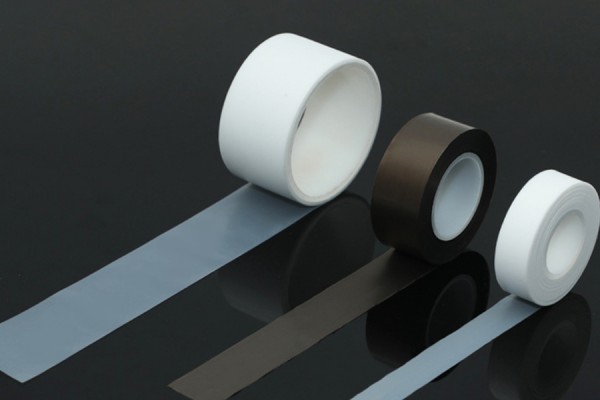
Non-stick PTFE film offers several practical benefits that boost its usability across various industries. Its unique non-stick surface reduces friction, making it ideal for applications where materials need to slide over each other smoothly. This property minimizes wear and tear, prolonging the lifespan of machinery and reducing maintenance costs. furthermore, PTFE film is exceptionally resistant to sticking, which is important in processes involving adhesives and coatings. In food processing, for instance, its non-stick nature prevents food from adhering to surfaces, ensuring easy release and efficient cleaning. Furthermore, PTFE film’s ability to withstand high temperatures without degrading makes it an essential choice in applications involving heat exposure. This durability ensures consistent performance even in demanding environments. Overall, the advantages of non-stick PTFE film contribute significantly to efficiency and effectiveness in various industrial applications.
Flexibility and Durability of PTFE Film
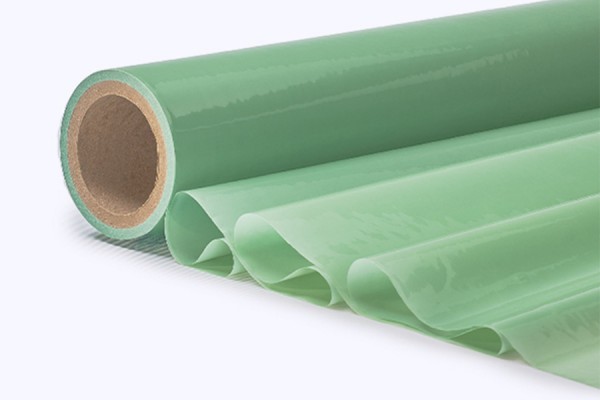
PTFE film is recognized for its remarkable flexibility and durability, which are essential factors in its industrial applications. The material can be easily formed into various shapes and sizes without losing its structural integrity. This flexibility allows for effective use in environments where movement or distortion may occur. also, PTFE film exhibits excellent resistance to wear and tear, contributing to its long-lasting performance under challenging conditions. Its ability to maintain functionality across a broad temperature range makes it suitable for applications that involve extreme heat or cold. The durability of PTFE film ensures it withstands mechanical stress without cracking or breaking, making it an ideal choice for uses in demanding industries such as aerospace and electronics. This combination of flexibility and durability enhances the overall reliability of products using PTFE film, affirming its value in different applications where performance is main.
Role of PTFE Film in Food Processing
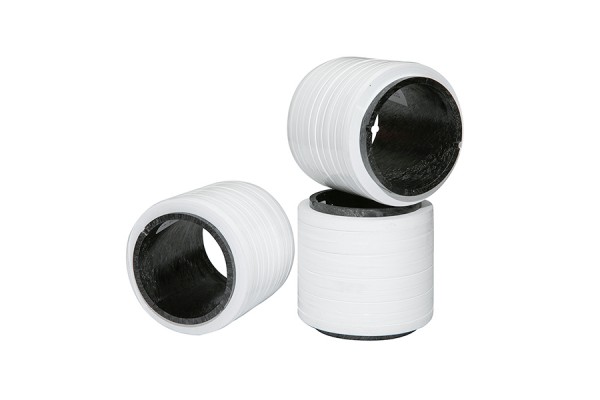
PTFE film plays a critical role in the food processing industry due to its unique properties. Its non-stick surface facilitates easy release of food products during cooking and processing, reducing waste and enhancing efficiency. This feature is particularly important in applications involving baked goods and confections, where adherence to surfaces can affect product quality. furthermore, PTFE film withstands high temperatures without degrading, making it suitable for various cooking methods such as frying and baking.
The film’s chemical resistance also contributes significantly to its usefulness in food processing environments. It can endure exposure to acids, bases, and various food additives without compromising its integrity. This characteristic ensures that the film does not impart any unwanted substances to food products, thereby maintaining safety and quality. Furthermore, PTFE film supports compliance with health regulations due to its non-toxic nature.
Overall, the adaptability and performance of PTFE film make it an essential material for enhancing productivity and maintaining high safety standards in food preparation and packaging processes.
Chemical resistance of PTFE Film
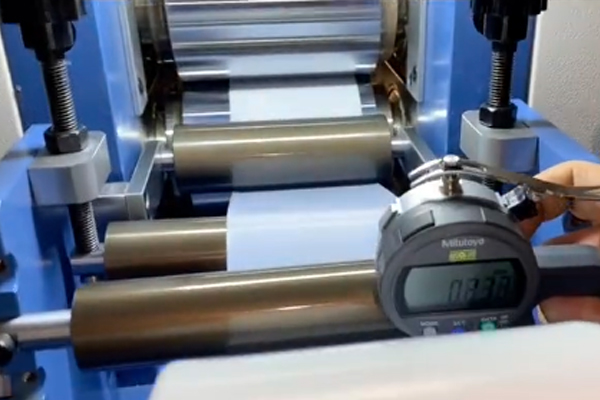
PTFE film exhibits remarkable chemical resistance, making it suitable for a wide range of applications. It remains unaffected by a vast array of corrosive substances, including acids, bases, and solvents. This resistance allows PTFE film to perform reliably in challenging environments such as chemical processing facilities and laboratories. Unlike many materials that can degrade or lose integrity when exposed to harsh chemicals, PTFE maintains its properties across varying conditions. This durability ensures that equipment safety and functionality are preserved over time. furthermore, the non-reactive nature of PTFE film prevents contamination of the substances it comes into contact with, making it ideal for industries where purity is important. Its broad compatibility with different compounds expands its usage in diverse sectors, including pharmaceuticals and food processing. Overall, the chemical resistance of PTFE film significantly contributes to its value as a versatile material in industrial applications.
Innovations in PTFE Film Technology
Recent advancements in PTFE film technology focus on improving its performance across various applications. Manufacturers are developing enhanced formulas that increase the film’s thermal stability and chemical resistance, allowing for greater versatility. This includes the integration of additives that boost durability without compromising its non-stick properties. Research initiatives aim to reduce production costs while maintaining the high quality of PTFE films, making them more accessible for numerous industries. also, innovations in manufacturing processes have led to thinner and lighter films, which not only conserve materials but also improve usability in electronic and aerospace applications. As companies prioritize sustainability, eco-friendly practices are becoming integral to PTFE film production, leveraging recycled materials where feasible. These continual enhancements reflect a commitment to meeting evolving industry demands while promoting efficiency and environmental responsibility.
Conclusion
PTFE film stands out due to its unique properties, which include flexibility, a non-stick surface, and excellent electrical insulation. Industries ranging from aerospace to electronics and food processing benefit from these features. The ability of PTFE film to resist chemical degradation further strengthens its value in demanding environments. With ongoing advancements in technology, the potential applications of PTFE film will likely expand, offering new solutions across various sectors. As innovation continues, companies may find enhanced uses for PTFE film that could lead to improved performance and efficiency in their operations. Understanding the versatility and capabilities of PTFE film can help industries embrace its potential for future developments, promoting advancements that drive productivity and sustainability.
FAQs
What is PTFE film made of?
PTFE film is made from polytetrafluoroethylene, a type of fluoropolymer known for its unique properties.
What are the primary benefits of using PTFE film?
The primary benefits include its non-stick surface, exceptional chemical resistance, and excellent electrical insulation.
Is PTFE film safe for food processing?
Yes, PTFE film is safe for food processing as it complies with FDA regulations and does not release harmful substances during use.
Can PTFE film withstand high temperatures?
PTFE film can withstand temperatures up to 260°C (500°F) without losing its properties, making it suitable for a variety of high-temperature applications.
How does PTFE film compare to traditional materials?
PTFE film outperforms traditional materials in terms of chemical resistance, non-stick functionality, and durability, providing superior performance in challenging environments.
What industries commonly use PTFE film?
PTFE film is commonly used in aerospace, electronics, food processing, and pharmaceuticals due to its versatile characteristics.


