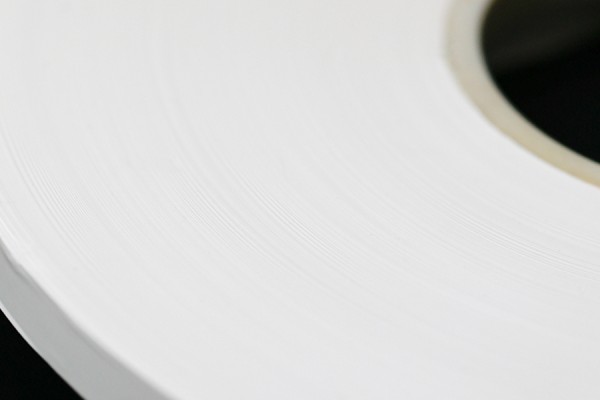
PTFE membranes stand out due to their unique properties and versatility across a range of industries. Their exceptional chemical resistance and ability to withstand extreme temperatures make them a reliable choice for applications in electronics, aerospace, and automotive sectors. The structural advantages of PTFE membranes enable efficient filtration and moisture management, optimizing performance in both consumer electronics and industrial uses. Furthermore, as innovation drives development in specialized applications, the adaptability of membrana teflon continues to enhance its significance within modern manufacturing processes. This alignment of PTFE membranes with contemporary operational needs underscores their role in improving efficiency and reliability across various fields.
Understanding the Multifaceted Applications of PTFE Membranes
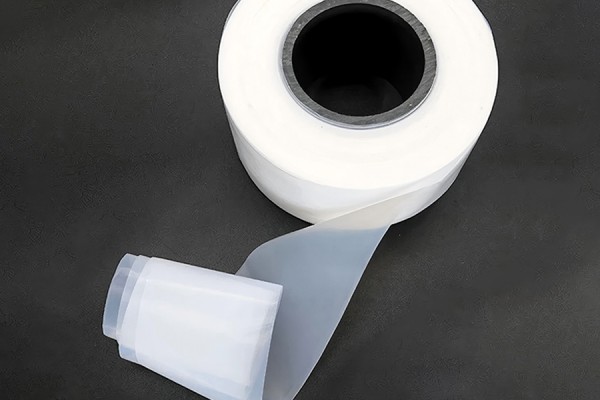
PTFE membranes offer a wide range of applications across various industries, primarily due to their unique properties. Their use in high-speed transmission lines is notable, particularly with high-speed transmission line PTFE wrapping tape, which provides superior insulation and protection. Additionally, the PTFE wrapping film serves as an excellent choice for automotive parts, ensuring durability and resistance to harsh environments.
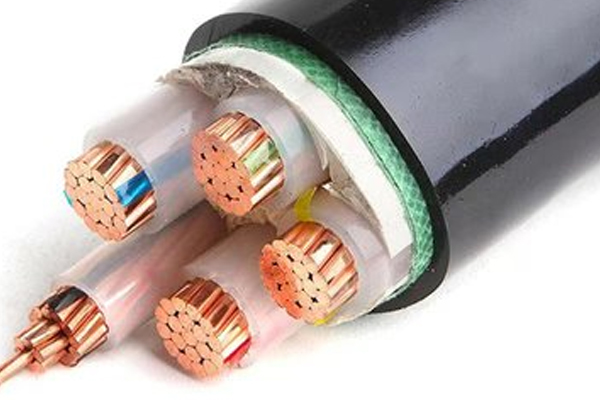
In the realm of cable management, PTFE thread seal tape is vital for ensuring airtight seals in connections, while PTFE cable wrapping tape protects wires from damage and wear. For more extensive applications, PTFE cable roll coating enhances performance by providing a robust barrier against moisture and contaminants.
Furthermore, specialized cables such as DAC, AEC, AOC, and ACC high-speed cable wrapping films highlight the adaptability of PTFE membranes. These films are engineered for high performance in demanding conditions, where reliable transmission and minimal signal loss are critical.
"In environments where performance is key, utilizing high-performance capabilities of Teflon membranes can yield significant efficiency gains."
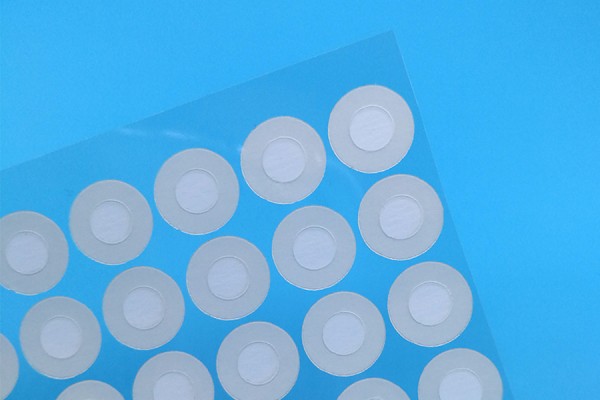
Unique Features of Membrana Teflon in Industry Applications
Membrana Teflon showcases unique characteristics that make it invaluable across various industries. Its exceptional chemical resistance allows it to withstand harsh environments, ensuring longevity and reliability in applications such as high-speed transmission line PTFE wrapping tape. Additionally, the lightweight nature of PTFE enables its use in PTFE cable roll coating, enhancing performance without adding significant weight to electrical components. The versatility of membranes in PTFE also extends to specialized products like AEC high-speed cable wrapping film, which is designed for demanding situations requiring durability and efficiency. These features collectively contribute to the growing reliance on Membrana Teflon within sectors focused on performance and safety.
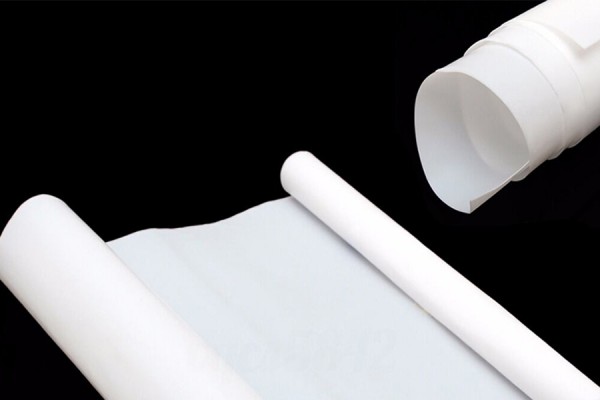
The Importance of Membran PTFE in Modern Manufacturing
Membran PTFE plays a crucial role in modern manufacturing due to its unique properties and high-performance capabilities. Its ability to resist harsh chemicals and extreme temperatures makes it ideal for industries such as aerospace, automotive, and electronics. In particular, the development of AOC high-speed cable wrapping film highlights how PTFE membranes contribute to improved efficiency and durability in wiring solutions. Furthermore, high speed and high-frequency cable wrapping film utilizes PTFE’s superior dielectric properties to enhance signal integrity, making it essential for advanced communication systems. By incorporating membran PTFE into manufacturing processes, companies can achieve a significant boost in product reliability and operational efficiency across various sectors.
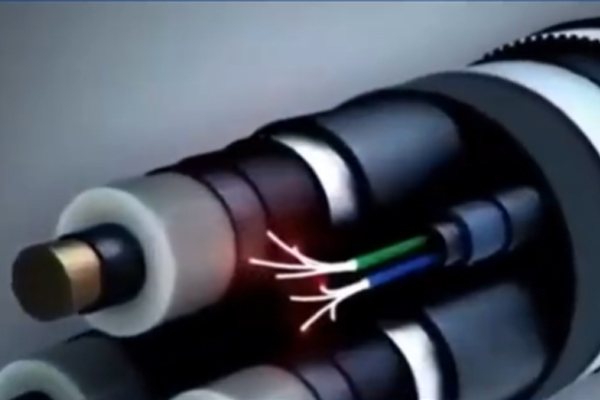
Innovative Uses of PTFE Membranes in Consumer Electronics
PTFE membranes have become integral in the consumer electronics sector due to their unique properties. These membranes are utilized in products requiring durable and effective insulation, such as DAC high-speed cable wrapping film and ACC high-speed cable wrapping film. Their outstanding resistance to heat and chemicals enhances the reliability of electronic components, contributing to longer device lifespans. Additionally, PTFE membranes provide essential waterproofing, ensuring optimal performance even in challenging conditions. As technology evolves, the demand for advanced materials like membrana teflon grows, driving innovation across various applications, from mobile devices to sophisticated sensors. The multifaceted characteristics of PTFE membranes position them as vital components in enhancing the functionality and durability of modern consumer electronics.
High-Performance Capabilities of Teflon Membranes
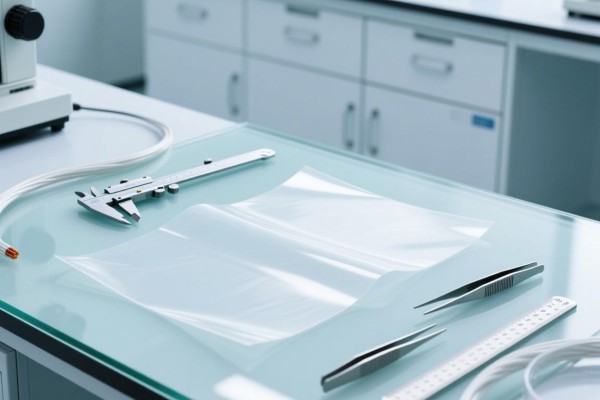
PTFE membranes, particularly those utilizing Teflon properties, exhibit exceptional performance in various applications. Their high temperature tolerance and stable chemical resistance make them suitable for demanding settings, particularly in the automotive and aerospace industries. These membranes are engineered to withstand harsh environments while ensuring reliable performance. Additionally, the use of PTFE cable wrapping tape demonstrates the versatility of Teflon membranes in providing insulation and protection against abrasion and exposure to corrosive substances. This ability to maintain integrity under stress not only enhances safety but also contributes to the longevity of sensitive electronic components and machinery. The lightweight yet durable nature of these membranes also makes them an ideal choice for modern manufacturing processes, where efficiency and reliability are paramount.
Evaluating the Structural Advantages of PTFE Membranes
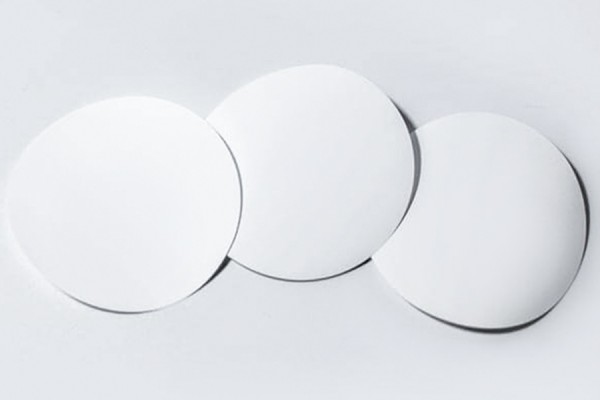
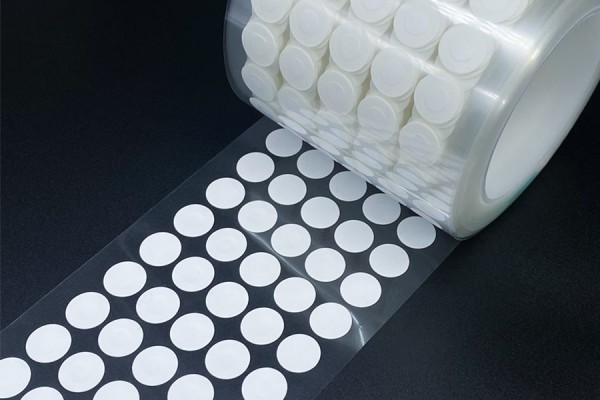
PTFE membranes exhibit several structural benefits that enhance their functionality across various applications. Their unique microporous structure, characterized by a high density of interconnected pores, enables efficient filtration and breathability while blocking larger particles. This morphology allows for effective moisture management, making PTFE ideal for outdoor apparel and medical garments. Additionally, the asymmetrical design of these membranes ensures variable pore sizes on opposite sides, optimizing airflow and filtration efficiency. The cross-linked fibers contribute to their durability, chemical resistance, and thermal stability, which are essential in demanding industrial environments. Overall, these structural features not only support high levels of performance but also allow for versatility in design and usage across different sectors.
Transformative Properties of Membrane in PTFE for Different Sectors
PTFE membranes exhibit transformative properties that make them essential across various sectors. Their microporous structure allows the selective passage of gases while blocking larger particles, resulting in significant filtration efficiency. In the medical field, this characteristic translates to enhanced patient safety by ensuring clean environments and equipment through effective air filtration. Moreover, in the textile industry, the waterproof and breathable features of PTFE membranes make them ideal for high-performance outdoor gear and protective clothing.
| Sector | Key Benefit |
|---|---|
| Medical | Air purification for sterile environments |
| Textiles | Waterproof and breathable clothing materials |
| Electronics | Component insulation and protection |
| Automotive | Lightweight seals with chemical resistance |
Additionally, PTFE’s ability to withstand extreme temperatures and harsh chemicals broadens its applications in chemical processing and aerospace sectors. This versatility showcases its capacity to meet various operational demands while maintaining integrity and reliability.
Harnessing the Power of PTFE Membranes for Enhanced Efficiency
PTFE membranes deliver remarkable efficiency across various applications thanks to their unique structural characteristics. Their microporous design facilitates effective filtration while minimizing resistance, making them ideal for air and liquid purification systems. In industrial settings, the durability and chemical resistance of membran PTFE allow it to function optimally in harsh environments, ensuring uninterrupted operations. Likewise, the lightweight nature of these membranes enhances performance in consumer electronics, where space and weight are critical. Additionally, the ability to customize pore sizes caters to specific industry needs, providing tailored solutions for filtration challenges. These advantages position PTFE membranes as essential components in advancing efficiency across a wide spectrum of sectors, from manufacturing to aerospace.
Conclusion
The versatility and unique properties of PTFE membranes position them as essential components across various sectors. Their exceptional chemical resistance and lightweight characteristics contribute significantly to advancements in industries such as electronics, aerospace, automotive, and textiles. By facilitating efficient filtration and insulation, PTFE membranes enhance product reliability and operational efficiency. As innovation continues to drive the development of specialized applications, PTFE membranes will remain at the forefront, adapting to meet evolving demands while ensuring performance integrity in challenging environments. The ongoing exploration of their capabilities will likely uncover new uses that further demonstrate their transformative potential in modern manufacturing and beyond.
FAQs
What distinguishes PTFE membranes from other materials?
PTFE membranes are known for their exceptional chemical resistance, high temperature tolerance, and lightweight characteristics, making them ideal for demanding applications across various industries.
How do PTFE membranes contribute to efficiency in industrial applications?
The unique microporous structure of PTFE membranes allows effective filtration and minimal resistance, enhancing operational efficiency in air and liquid purification systems.
Can PTFE membranes be customized for specific uses?
Yes, the pore sizes of PTFE membranes can be tailored to meet specific industry requirements, providing effective solutions for diverse filtration challenges.
What role does membrana teflon play in the electronics sector?
Membrana teflon provides reliable insulation and protection for electronic components, ensuring they operate safely and efficiently even under harsh conditions.
How does the structural design of PTFE membranes benefit their functionality?
The microporous design not only allows selective passage of gases while blocking larger particles but also enables moisture management, vital in applications such as clothing and medical gear.