Key takeaways
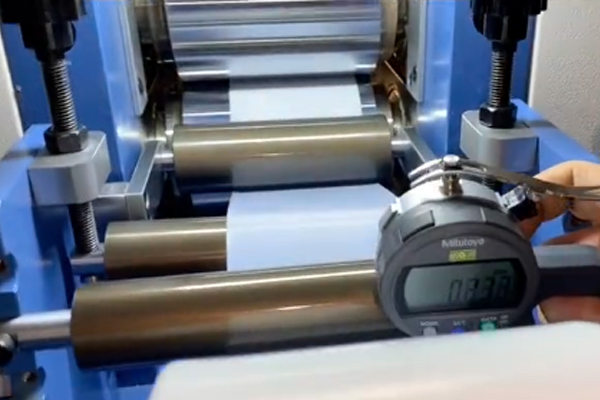
ePTFE membranes present several key advantages that make them essential across multiple sectors. Their extraordinary durability allows them to perform reliably in challenging environments while resisting chemical exposure. This characteristic is particularly important in industries such as electronics, energy, and healthcare, where consistent performance is critical. Additionally, the high filtration efficiency of ePTFE membranes ensures that they can effectively remove contaminants while allowing optimal airflow, a feature that is vital for maintaining product integrity in manufacturing processes. The adaptability of ePTFE membranes also enables customization to meet specific application requirements, supporting a wide range of uses from medical devices to energy solutions. As industries continue to evolve and demand smarter materials, the role of ePTFE membranes in enhancing operational efficiency stands out prominently. Their unique properties not only improve performance but also contribute to sustainability efforts by minimizing waste and extending the lifespan of products.
The unique properties of ePTFE Membranes
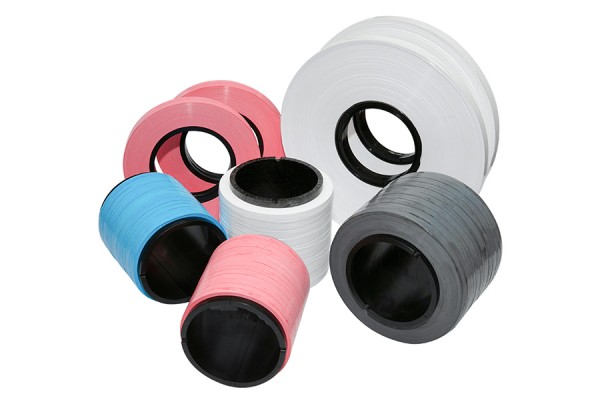
ePTFE membranes exhibit remarkable characteristics that make them highly sought after in various industries. Their expansive temperature range allows them to maintain performance stability from extremely low to high temperatures. This versatility is a vital asset in high-speed transmission line PTFE wrapping tape and PTFE wrapping film applications, where thermal stability is essential. The membranes also possess exceptional chemical resistance, enabling them to withstand harsh environments typically encountered in industrial processes, including exposure to acids and corrosive substances. Moreover, their high porosity ensures efficient gas exchange while preventing liquid intrusion, making them ideal for use in sensitive applications such as electronics, where reliability is paramount. The unique combination of durability and filtration efficiency allows ePTFE membranes to serve various functions, including as components in PTFE Thread Seal Tape and PTFE cable wrapping tape products. These properties contribute significantly to their effectiveness across multiple sectors, enhancing the overall performance of advanced manufacturing systems.
Applications of ePTFE in Electronics
ePTFE membranes are increasingly utilized in the electronics industry due to their unique properties. Their high-temperature resistance and chemical stability make them ideal for applications such as semiconductor manufacturing and circuit board production. These membranes facilitate the effective management of moisture and gases, enhancing the performance and reliability of electronic components. Furthermore, ePTFE’s durability ensures that it can withstand the rigors of various manufacturing processes without degradation.
"Incorporating ePTFE membranes into electronic devices can lead to improved efficiency and longevity."
Moreover, these membranes play a critical role in battery technologies, providing insulation that protects sensitive components from thermal damage while maintaining essential airflow. The effective filtration capabilities of ePTFE help prevent contaminants from affecting performance, making it a preferred choice for cutting-edge technologies in consumer electronics as well as industrial applications. As the demand for high-performance electronics grows, the versatility of ePTFE continues to expand its relevance across new technologies and innovative designs.
ePTFE Membranes in Energy Solutions
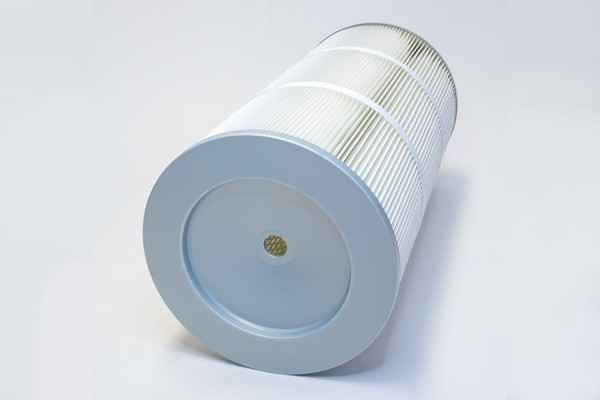
ePTFE membranes play a crucial role in the energy sector, particularly in battery technology and renewable energy systems. Their unique properties, such as exceptional thermal resistance and low thermal shrinkage, make them ideal for use in various energy applications. In batteries, these membranes act as essential components that separate cells while allowing for effective gas exchange, which is critical for performance and safety. They also withstand harsh operational conditions that battery systems often encounter. Beyond batteries, ePTFE membranes are utilized in fuel cells and solar panel manufacturing, where their durability and resistance to chemicals enhance overall system efficiency. Furthermore, the ability of ePTFE to maintain its integrity under high temperatures ensures reliable operation over the lifespan of energy products. This adaptability positions ePTFE membranes favorably against traditional materials, making them a preferred choice in advanced energy solutions.
Durability and Performance of ePTFE
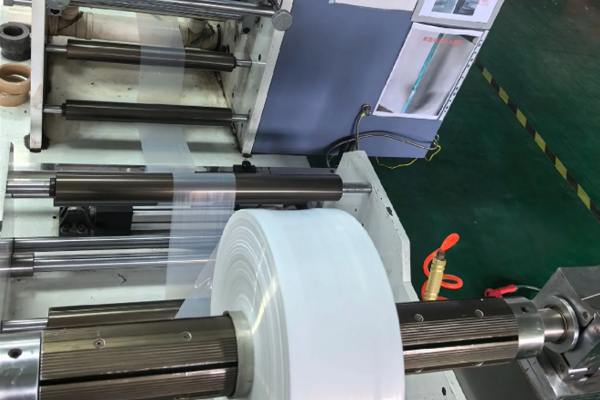
ePTFE membranes are recognized for their exceptional durability, allowing them to withstand harsh conditions without significant degradation. Their unique structure contributes to impressive thermal stability, enabling them to perform effectively at both extremely low and high temperatures. This resilience is vital in applications within industries such as electronics and energy, where materials face rigorous operational demands. Moreover, ePTFE exhibits low thermal shrinkage, further enhancing its performance in high-temperature environments. This characteristic allows ePTFE membranes to maintain their integrity even under thermal stress, reducing the risk of failure in critical applications.
The resistance of ePTFE to chemical exposure is another key factor in its durability. The material remains unaffected by a wide range of corrosive substances, ensuring longevity and reliability. As a result, manufacturers often choose ePTFE membranes for products where performance consistency is crucial. Additionally, the dimensional stability of ePTFE during processing helps ensure that components fit accurately within assemblies, thereby promoting reliability in various applications. Overall, the enduring nature of ePTFE makes it an ideal choice for demanding environments across multiple sectors.
High filtration efficiency of ePTFE Membranes
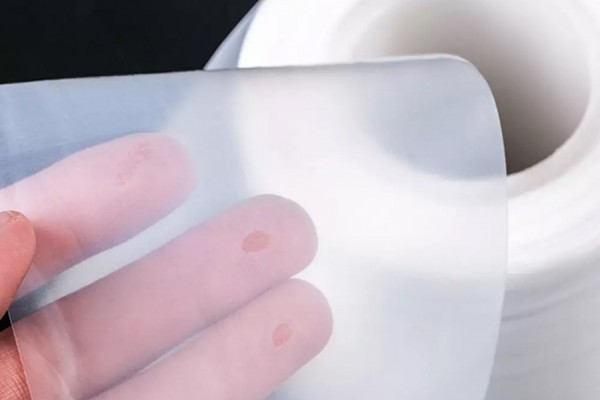
ePTFE membranes are renowned for their high filtration efficiency, making them indispensable in various applications. The membranes can filter particles as small as 0.3 µm with an efficiency exceeding 99.99%. This capability ensures effective removal of contaminants while maintaining optimal airflow. Furthermore, their unique pore structure allows for selective filtration, which makes them suitable for industries that require precise separation processes. The hydrophobic nature of ePTFE contributes to its ability to repel liquid water while allowing gases to pass through, enhancing its functionality in diverse environments. This characteristic is particularly beneficial in electronic applications, where moisture control is critical. Moreover, the effectiveness of ePTFE membranes extends to energy solutions where they prevent dust and other particulates from infiltrating sensitive components. As industries increasingly prioritize efficiency and reliability, the advantages offered by ePTFE membranes position them at the forefront of modern filtration technologies. Their strong performance under varying conditions signifies that they can adapt to meet specific industry needs without compromising quality or safety.
Versatile uses of ePTFE Across Industries
ePTFE membranes are increasingly recognized for their adaptability across a wide spectrum of industries. In electronics, these membranes offer essential protection for sensitive components, ensuring reliable operation in various environmental conditions. Their lightweight and durable nature makes them ideal for applications like insulation in semiconductor manufacturing and in LCD/OLED displays. The energy sector also benefits significantly from ePTFE materials; they are used in battery technologies to manage heat and enhance efficiency while providing insulation from external elements. Beyond electronics and energy, ePTFE finds utility in medical devices, where its biocompatibility is crucial for patient safety and product reliability. Furthermore, these membranes have applications in filtration systems across numerous industries, delivering high permeability without compromising filtration performance. The diverse characteristics of ePTFE facilitate innovative approaches to complex challenges, proving its value as a versatile solution suited for modern manufacturing demands.

Innovative applications of ePTFE Technology
ePTFE technology is revolutionizing various sectors through its unique properties. In medical applications, ePTFE membranes provide reliable barriers for surgical implants, ensuring biocompatibility and infection prevention. This technology also plays a crucial role in the pharmaceutical industry, where its high filtration efficiency is essential for ensuring the purity of compounded medications. In environmental science, ePTFE membranes facilitate the efficient separation of gases and liquids in filtration systems, tying into efforts to reduce pollution and enhance air quality. Additionally, ePTFE’s application in automotive industries focuses on fuel cell technologies, improving efficiency while minimizing emissions. The flexibility of ePTFE formulations enables diverse installation methods across multiple disciplines. These applications not only showcase ePTFE’s versatility but also highlight its significant contribution to advancements in technology and sustainability across industries.
Benefits of ePTFE in Modern Manufacturing
ePTFE membranes offer a range of benefits that enhance the efficiency and effectiveness of modern manufacturing processes. Their notable resistance to chemicals and high temperatures makes them ideal for environments that demand durability and reliability. These membranes maintain structural integrity while exposed to demanding conditions, providing essential support in manufacturing sectors such as electronics, pharmaceuticals, and energy. The lightweight nature of ePTFE allows for easier handling and installation, reducing labor costs and improving workflow efficiency.
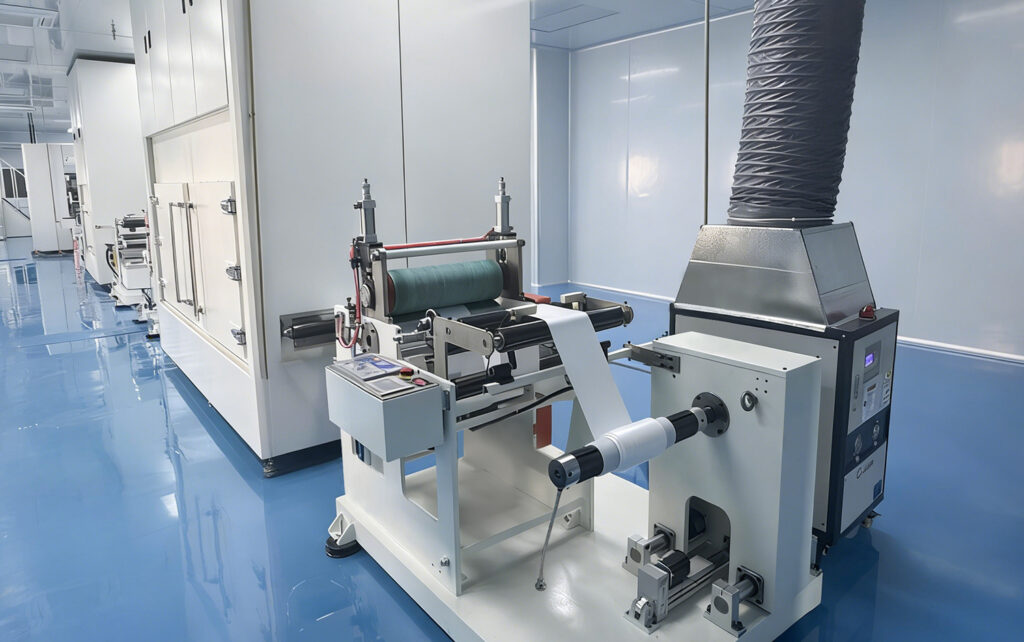
Moreover, their exceptional filtration capabilities ensure that production processes remain free from contaminants, ultimately leading to higher product quality. Manufacturers appreciate the versatility of ePTFE membranes as they can be tailored to specific application requirements regarding thickness and pore size. This customization is essential as industries strive for precision in their operations while also complying with environmental regulations. As demand for innovative materials grows, ePTFE membranes are proving indispensable in fostering advancements across a variety of manufacturing domains.
Conclusion
the versatility and benefits of ePTFE membranes highlight their critical role in modern industrial applications. These membranes provide robust solutions across various sectors, including electronics, energy, and healthcare. Their unique properties, such as durability and high filtration efficiency, allow them to meet the rigorous demands of contemporary manufacturing. As industries continue to evolve, the adaptive nature of ePTFE will likely lead to new innovative uses and improvements in performance. Companies embracing ePTFE technology can expect enhanced product reliability while addressing concerns related to efficiency and environmental sustainability. The combination of functional capabilities and resilience makes ePTFE a valuable material that supports advancements across numerous fields, ensuring that it remains at the forefront of material science in the years to come.
FAQs
What are ePTFE membranes?
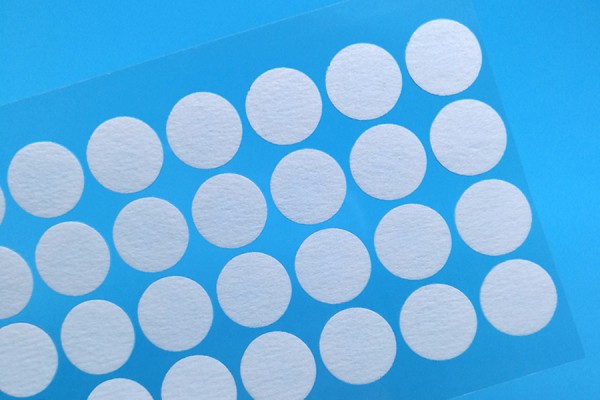
ePTFE membranes are exceptionally durable porous materials made from expanded polytetrafluoroethylene, widely utilized for their chemical resistance and filtration efficiency across various industries.
In which industries are ePTFE membranes commonly used?
ePTFE membranes find applications primarily in electronics, energy, pharmaceuticals, and filtration systems due to their unique properties and versatility.
How do ePTFE membranes improve filtration efficiency?
ePTFE membranes can filter particles as small as 0.3 µm with an efficiency exceeding 99.99%, allowing for effective removal of contaminants while maintaining optimal airflow.
What benefits do ePTFE membranes provide in energy applications?
In energy applications, ePTFE membranes enhance performance in batteries and fuel cells by ensuring proper gas exchange, thermal resistance, and protection of sensitive components from damage.
Can ePTFE membranes be customized for specific applications?
Yes, manufacturers can tailor ePTFE membranes regarding thickness and pore size to meet the precise requirements of various applications while adhering to industry standards.
Are there any environmental advantages associated with using ePTFE membranes?
Yes, the durability and efficiency of ePTFE membranes contribute to reduced waste and improved sustainability in manufacturing processes by minimizing contaminants and extending product lifespan.
How do ePTFE membranes perform under extreme temperatures?
ePTFE membranes exhibit remarkable thermal stability, maintaining performance in both high and low-temperature environments without significant degradation or loss of functionality.
What is the significance of the hydrophobic nature of ePTFE?
The hydrophobic nature of ePTFE allows it to repel liquid water while permitting gases to pass through, making it ideal for applications where moisture control is crucial.