Key takeaways
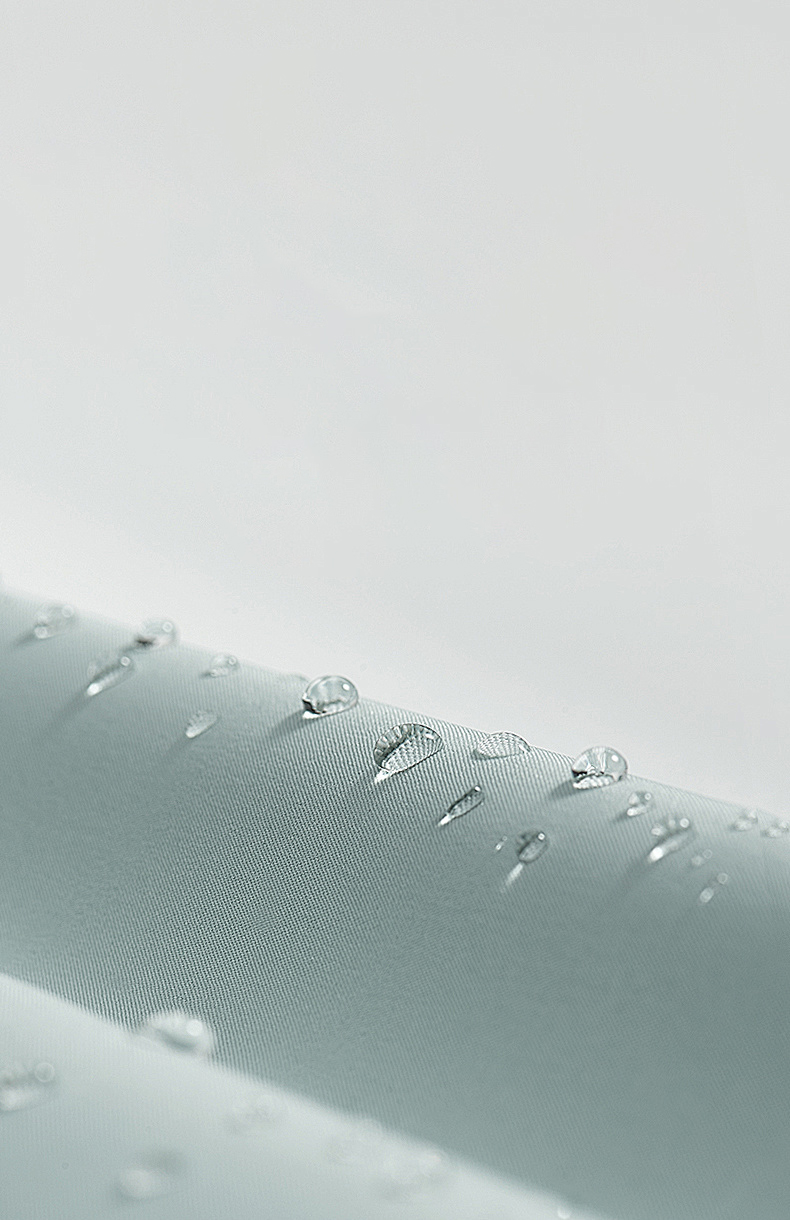
PTFE film is essential in modern technology due to its remarkable properties, including outstanding insulation, low thermal shrinkage, and high dimensional stability. These features make PTFE film highly effective in various applications, such as electronics and data transmission. Its role in insulation technology is crucial; it prevents electrical currents from passing and withstands high temperatures, ensuring reliability in demanding environments. In electronics, PTFE film’s low dielectric constant minimizes signal loss, enhancing data transmission efficiency. Additionally, the durability of PTFE against chemicals and heat contributes to its longevity across applications. As industries evolve and demand for advanced materials increases, PTFE film continues to be a fundamental component supporting innovative technologies and efficient manufacturing processes. Its versatility demonstrates the importance of adopting materials that meet the rigor of contemporary applications while offering performance reliability across multiple sectors.
Innovative uses of PTFE Film
PTFE film serves a multitude of innovative applications across various technological fields. Widely recognized for its excellent insulation properties, PTFE film is integral in manufacturing components like high-speed transmission line PTFE wrapping tape, which enhances the reliability of electronic devices. Its unique characteristics enable the production of PTFE wrapping film, specifically designed for high-frequency applications, ensuring durability and performance in demanding environments. Additionally, PTFE Thread Seal Tape is an essential product in plumbing and gas applications, providing leak-proof seals that withstand corrosive substances. Various high-speed cable wrapping films, including DAC high-speed cable wrapping film and AEC high-speed cable wrapping film, have emerged as critical solutions for data transmission needs. The stability and low thermal shrinkage of PTFE cable roll coating contribute to effective thermal management in electronic systems. As technology evolves, the role of PTFE film continues to expand, impacting everything from consumer electronics to advanced telecommunications, illustrating its versatility and essential contribution to modern manufacturing processes.
PTFE Film in Insulation Technology
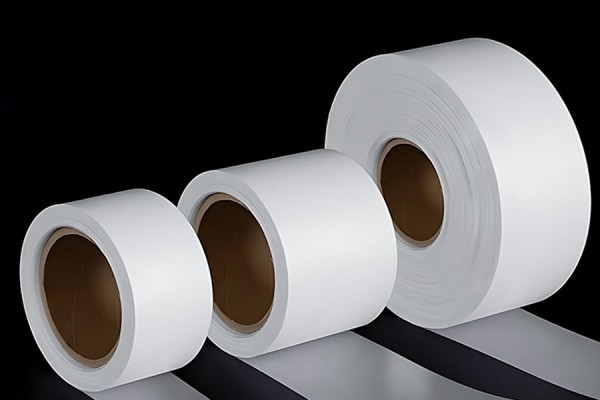
PTFE film plays a vital role in insulation technology due to its exceptional dielectric properties. This material effectively prevents electrical currents from passing through, making it ideal for use in high-voltage applications. Its inherent chemical resistance further enhances its utility, ensuring it maintains performance even in harsh environments. PTFE film’s ability to withstand high temperatures and its low thermal conductivity contribute significantly to energy efficiency in various systems. Additionally, the lightweight nature of PTFE film allows for ease of handling and installation, making it a preferred choice among manufacturers. This combination of properties ensures reliable insulation without compromising system performance, highlighting PTFE film’s importance in modern electrical and electronic applications. As technology continues to advance, the demand for effective and reliable insulating materials like PTFE film will likely increase across multiple sectors.
Benefits of PTFE Film in Electronics
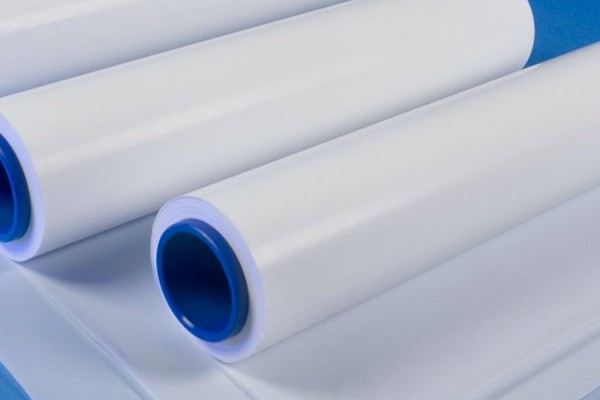
PTFE film offers significant advantages in the electronics sector due to its excellent electrical insulation properties. Its low dielectric constant makes it ideal for applications where minimizing signal loss is crucial. This allows for efficient data transmission, particularly in high-frequency circuits. Additionally, PTFE film’s high thermal stability ensures reliable performance even under extreme temperature conditions, which is essential for electronic devices that generate heat during operation. Furthermore, the chemical resistance of PTFE helps protect electronic components from corrosive substances that may be present in various environments. Manufacturers also value PTFE film for its durability and longevity, which reduces maintenance needs and enhances overall system reliability. The ability to customize the thickness and surface characteristics of PTFE films enables their use in a wide range of applications, from insulators for wires and cables to substrates for advanced circuit boards. These features collectively promote innovation in electronic design and production.
High dimensional stability of PTFE Film
PTFE film demonstrates exceptional dimensional stability, making it suitable for various applications that require minimal thermal expansion. This quality is crucial in environments that experience significant temperature fluctuations, as it ensures that the material maintains its shape and performance without warping or deformation. The stable dimensions of PTFE film are achieved through its unique molecular structure, which provides a strong bond between the polymer chains. As a result, this film retains its integrity even when subjected to different pressures and stresses. Moreover, the reliable dimensional stability of PTFE film is particularly advantageous in electronics and insulation applications, where precise fit and functionality are essential for performance. Its ability to withstand temperature variations while keeping its shape highlights its utility in advanced technology sectors, ensuring efficient operation and longevity of equipment. This stability is a key factor that manufacturers consider when selecting materials for high-performance applications across various industries.
Low thermal shrinkage in PTFE Applications
Low thermal shrinkage is a notable characteristic of PTFE film, making it a preferred choice in various applications, particularly in electronics and insulation technology. This property ensures that PTFE maintains its dimensions even when subjected to temperature fluctuations, which is vital in environments where consistent performance is essential. For instance, devices operating across a wide temperature range benefit significantly from this stability. Furthermore, the low thermal shrinkage minimizes the risk of material failure or degradation, contributing to enhanced longevity and reliability. As such, industries that rely on precision components can utilize PTFE film without concerns over expansion or contraction affecting functionality. This reliability extends to applications within data transmission solutions, where maintaining signal fidelity is crucial. Additionally, manufacturers appreciate the predictable behavior of PTFE film during processing and installation, simplifying production workflows while ensuring adherence to stringent quality standards. Overall, these advantages position PTFE film as a valuable material in modern technological advancements.
PTFE Film for Data Transmission Solutions
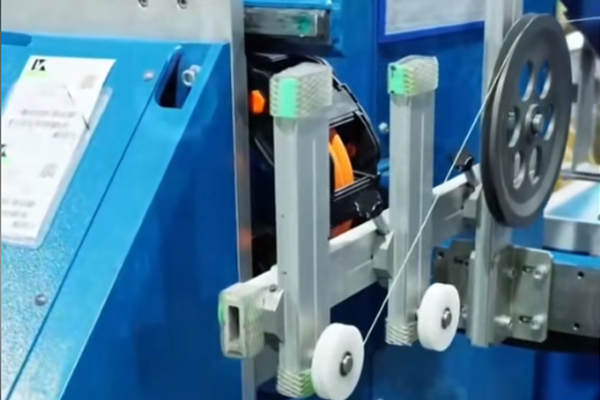
PTFE film plays a critical role in data transmission solutions, particularly in high-speed cables used in advanced communication systems. Its low dielectric constant is essential for reducing signal loss during transmission, allowing for efficient data flow. This feature is combined with the material’s exceptional thermal stability, ensuring optimal performance even under varying temperature conditions. Additionally, PTFE film’s flexibility enables it to be easily integrated into complex cable designs without compromising the integrity of the signal. Moreover, its resistance to chemical corrosion ensures longevity and reliability in demanding environments. As technology continues to evolve, the importance of PTFE film in enhancing data transmission capabilities across various sectors remains significant, driving innovations in electronic device performance and connectivity solutions.
Advanced applications of PTFE Film
PTFE film plays a significant role in various advanced applications due to its unique properties. In the electronics sector, PTFE film is extensively used for insulating components in devices that require reliable performance under varying environmental conditions. Additionally, its low dielectric constant is crucial for ensuring minimal signal loss in high-speed data transmission cables. PTFE film’s remarkable resistance to chemicals and high temperatures makes it suitable for use in harsh environments found in industrial applications, where durability is paramount. Furthermore, it is often found in flexible circuits and substrates that demand both flexibility and reliability. Its versatility extends to medical devices as well, where biocompatibility combined with its non-stick properties enhances functionality and safety. The multifaceted uses of PTFE film demonstrate its adaptability and essential role in modern technology across multiple industries.
Role of PTFE Film in Modern Manufacturing
PTFE film plays a vital role in modern manufacturing by serving as a reliable material for various applications. Its unique properties, such as chemical resistance and thermal stability, make it suitable for industries requiring high performance. In the production of electronic components, PTFE film is utilized as an insulating material that protects sensitive circuits from environmental factors. This ensures the durability and reliability of electronic devices, which are essential in today’s technology-driven world. Furthermore, PTFE film’s low thermal shrinkage enhances its effectiveness in maintaining performance across a range of temperatures. Manufacturers also benefit from its high dimensional stability, which contributes to precision in complex designs and components. By incorporating PTFE film into their processes, manufacturers can improve product quality and efficiency while reducing the risk of failure in critical applications.
Conclusion
the innovative applications of PTFE film underscore its significance in modern technology. Its outstanding properties, such as excellent insulation, low thermal shrinkage, and high dimensional stability, make it invaluable in sectors ranging from electronics to telecommunications. As industries face increasing demands for advanced materials that can withstand challenging environments, PTFE film consistently delivers reliable performance and durability. These attributes not only enhance the efficiency of various applications but also contribute to the development of cutting-edge solutions. As technology progresses and new challenges arise, the role of PTFE film will likely expand further, solidifying its position as a key component in modern manufacturing processes. The ongoing exploration of PTFE film’s capabilities promises to drive innovation and deliver solutions that meet the evolving needs of diverse industries.
FAQs
What is PTFE film?
PTFE film is a thin material made from polytetrafluoroethylene, known for its excellent insulation properties and chemical resistance.
What applications use PTFE film?
PTFE film is utilized in insulation technology, electronics, data transmission solutions, and various advanced manufacturing processes.
How does PTFE film improve insulation?
PTFE film enhances insulation by effectively preventing electrical currents from passing through, providing reliable performance in high-voltage applications.
What are the thermal properties of PTFE film?
PTFE film exhibits low thermal shrinkage and high dimensional stability, allowing it to maintain its shape and performance under varying temperature conditions.
Why is PTFE film important in electronics?
PTFE film is important in electronics due to its low dielectric constant, which minimizes signal loss, ensuring efficient data transmission in high-frequency applications.
Can PTFE film withstand harsh environments?
Yes, PTFE film is highly resistant to chemicals and can endure extreme temperatures, making it suitable for use in demanding industrial applications.