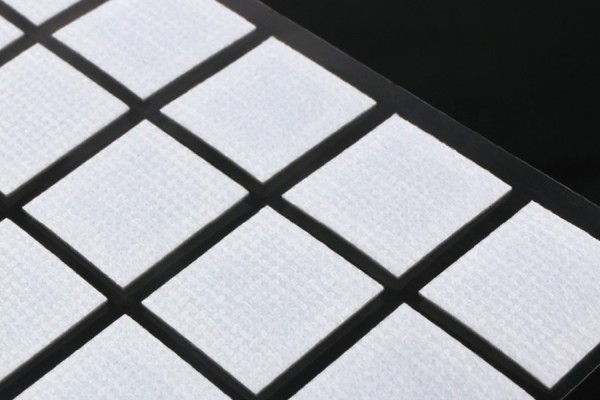
main Takeaways
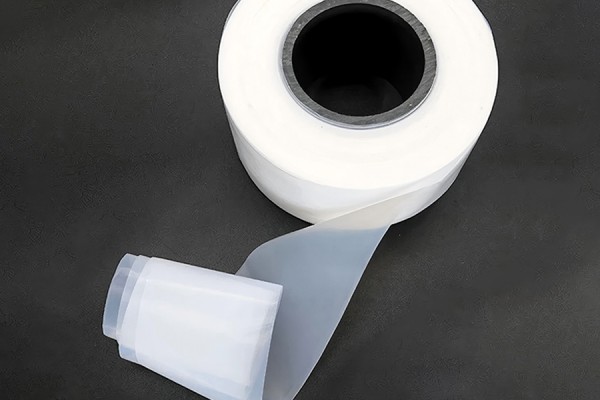
PTFE-based tape wrapping is a key asset in high-performance electrical systems. Its strong insulation keeps leakage at bay, making it a favored option for demanding applications. Also, its pliability enables easy installation on different cables, delivering uniform coverage without sacrificing performance. Its resistance to harsh temperatures and chemicals reinforces reliability in tough settings. As sectors evolve with new technologies, incorporating PTFE solutions becomes more essential for preserving signal integrity and system durability, notably in telecommunications and aerospace. Choosing PTFE wrapping in electrical designs helps optimize performance and meet strict modern data-transmission standards.
PTFE Tape: The Insulation Powerhouse
PTFE tape, known for superb insulation, plays a key role in advanced electrical systems. Its capacity to endure a broad temperature span, from -150°C to 260°C, suits demanding applications. This versatility ensures reliable performance in high-speed transmission lines using PTFE wrap and across varied industrial settings. PTFE’s unique molecular structure helps resist moisture and harsh chemicals, reinforcing its effectiveness as an insulating material. Industry users can depend on PTFE wrapping film for applications in military, aerospace, and telecommunications where signal integrity matters.
"Utilizing PTFE cable wrapping tape can substantially improve the durability and performance of electrical components."
Moreover, products such as DAC high-speed cable wrapping film and AEC high-speed wrap film leverage PTFE’s low dielectric loss, diminishing signal degradation during transmission. As data needs grow, integrating PTFE solutions into electrical systems not only tackles current challenges but also supports upcoming advances in areas like 5G communications.
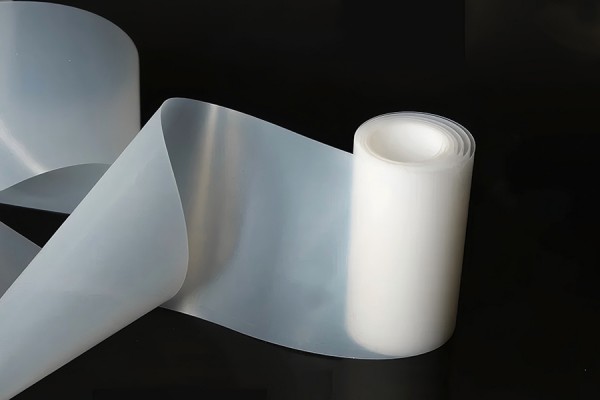
Elevate electrical systems with PTFE
PTFE wrap significantly enhances electrical systems thanks to its strong insulation. The low-friction surface reduces wear, extending lifespan across many applications. Its flexibility enables straightforward installation around diverse cable shapes and sizes without sacrificing performance. This adaptability matters in precision-driven sectors like aerospace and telecom. Moreover, PTFE holds up under extreme temperatures, fitting environments from subzero to high heat. PTFE’s durability also withstands harsh chemicals, keeping electrical systems dependable in tough conditions. By incorporating PTFE wrap into cable designs, manufacturers can build systems that combine efficiency with resilience against environmental stressors.
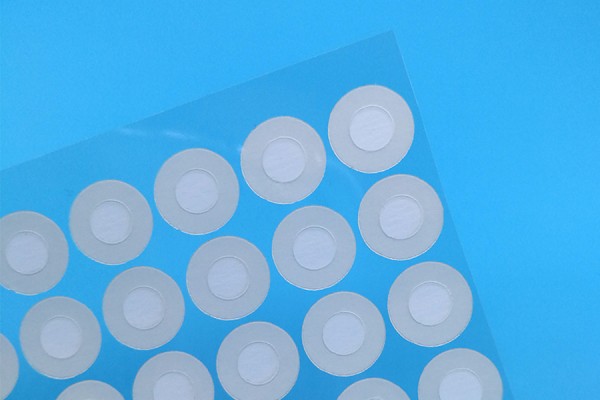
Unmatched chemical resistance of PTFE
PTFE wrap is renowned for its outstanding chemical resistance, fitting for a range of tough environments. The material resists breakdown from acids, bases, and many solvents, which is crucial for preserving the integrity of electrical systems. Whether in labs or industrial environments, PTFE’s capacity to resist harsh chemicals helps ensure reliable performance over time. This resistance not only guards against physical wear but also blocks insulation breakdown that can cause signal loss or system failure. Additionally, this trait extends the life of electrical components, lowering maintenance needs and costs. PTFE’s strong resistance to chemical attack underscores its value in high-stakes settings like aerospace and military operations where exposure to harsh substances is common. As industries pursue more advanced technologies, relying on materials like PTFE for cable solutions becomes increasingly vital for improving safety and efficiency in critical systems.
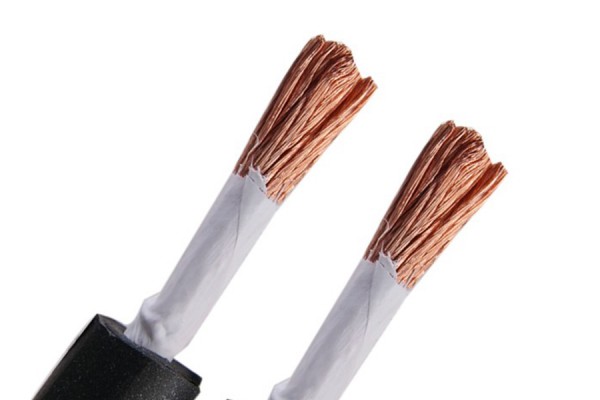
Low dielectric loss explained
Low dielectric loss in PTFE wrap refers to its ability to minimize energy loss during signal transmission. This trait is crucial for high-frequency uses where preserving signal integrity is essential. Lower dielectric loss means less energy wasted as heat, enabling more efficient data transfer, which matters more as demand for faster communication grows. PTFE’s distinctive molecular structure contributes to its low dielectric constant, boosting performance in settings requiring rapid data exchange, like telecom and data centers. In addition, reducing dielectric loss improves signal quality and extends the lifespan of components in electronic systems, lowering the risk of overheating and failures. Thus, PTFE wrap proves to be a dependable choice for professionals aiming to optimize electrical systems under demanding conditions.
PTFE in Data Transmission
PTFE wrap plays a vital role in today’s high-speed data transmission networks. Its distinctive properties suit carrying high-frequency signals, keeping signal integrity even in tough environments. PTFE’s low dielectric loss helps reduce energy loss during transmission, ensuring data arrives quickly and reliably. This performance matters for applications like 5G and 6G communications, where speed and efficiency matter. Also, PTFE’s strong insulation shields against interference from external electromagnetic sources, preserving the clarity of transmitted data. As digital devices demand faster data transfer, incorporating PTFE wrap into communication systems grows more important, highlighting the need for advanced materials that can meet modern demands while offering durability and efficiency.
Improving performance with PTFE Tape
PTFE tape plays a key role in boosting the efficiency of electrical systems. Its superb insulation delivers reliable performance across various applications, ensuring components operate effectively. Also, PTFE tape’s resistance to extreme temperatures and moisture protects equipment from potential damage. This durability is crucial in high-stakes settings, such as telecom and aerospace, where signal integrity is non-negotiable. The material’s low-friction surface also cuts wear on components, promoting longevity and reliability over time. As data transmission speeds continue to rise, demand for high-performance materials like PTFE tape grows. By integrating this advanced wrapping solution into electrical systems, engineers can markedly improve overall performance and reliability, essential for critical applications.
Essential features of PTFE Wrapping
PTFE wrapping provides several key features that support its role in high-performance electrical systems. With superb insulation properties, it effectively prevents electrical leakage, protecting sensitive components in tough environments. Its flexibility enables simple application around different shapes and sizes of cables, ensuring complete coverage without sacrificing integrity. Additionally, PTFE resists many chemicals, making it suitable for various industrial settings where exposure to corrosive substances is common. PTFE’s low dielectric loss ensures minimal signal degradation, supporting reliable data transmission even at high frequencies. Additionally, its thermal stability lets it perform under extreme temperatures, from -150°C to 260°C—ideal for cold and hot operating conditions. Taken together, these features make PTFE wrapping a vital component in diverse applications, from aerospace to telecommunications, where dependable performance is crucial.
PTFE Cable Solutions for Harsh Environments
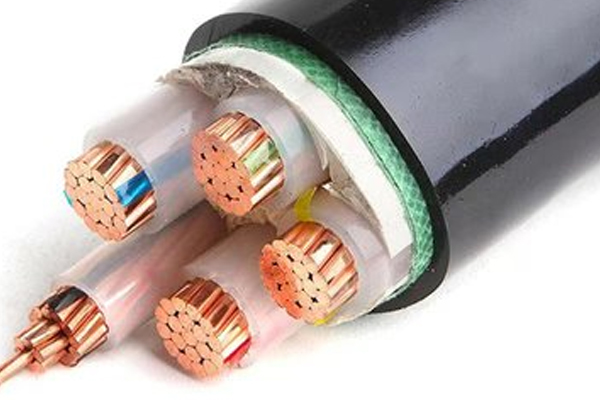
PTFE cable solutions are essential in settings defined by extreme temperatures, chemicals, and physical stresses. Its remarkable properties enable it to function where other insulation types may fail. PTFE resists corrosive substances and performs reliably from -150 to 260 degrees Celsius. This broad temperature range suits industries like aerospace, military, and medical devices. In these settings, PTFE wrap not only ensures effective signal transmission but also shields cables from abrasion and environmental stressors. PTFE’s flexibility enables easy installation while preserving the durability needed for harsh conditions. Moreover, its low dielectric loss boosts performance in high-frequency applications such as 5G communications. Using PTFE wrap, manufacturers can produce cables that withstand rigorous operating scenarios without sacrificing reliability. These traits emphasize the value of PTFE solutions in building robust electrical systems built for tough environments.
Conclusion
PTFE wrap plays a crucial part in the reliability and efficiency of modern electrical systems. Its superb insulation, together with chemical resistance and low dielectric loss, makes it an indispensable component in numerous demanding applications, from aerospace to telecommunications. As industries push toward more advanced technologies that require high-frequency data transmission, using PTFE solutions becomes more important. These traits not only improve performance but also extend the durability of electrical components in harsh conditions. By integrating PTFE wrap into their systems, manufacturers can ensure their products meet the high standards demanded by today’s fast-paced technological landscape. This integration supports current requirements and anticipates future developments, making PTFE an essential material for reliable and efficient electrical systems.
Frequently asked questions
what is PTFE tape wrapping?
PTFE wrap is a non-conductive insulator used to protect cables in high-performance electrical systems, boosting durability and performance.
Why is PTFE preferred over other insulating materials?
PTFE is valued for its broad temperature tolerance, strong chemical resistance, and low dielectric loss, making it fit for demanding environments.
How does PTFE affect data transmission?
PTFE lowers signal degradation because of its low dielectric loss, enabling efficient data transfer even at high frequencies, which matters for modern communications.
Can PTFE tape be used in extreme conditions?
Yes, PTFE wrap can endure temperatures from -150°C to 260°C and resist harsh chemicals, making it suitable for severe industrial use.
What industries benefit from PTFE solutions?
Fields like aerospace, telecom, military, and medical devices gain significantly from PTFE solutions thanks to their reliability and efficiency in tough settings.
Is PTFE environmentally friendly?
While PTFE itself is inert and safe in its applications, disposal should be handled responsibly since it does not decompose easily.