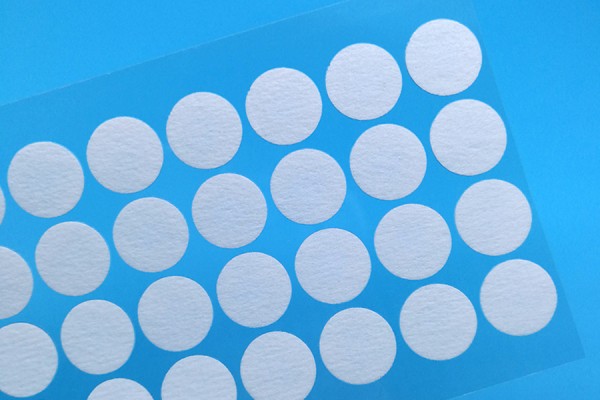
The advancements in PTFE membrane technology highlight the potential for improved efficiency and versatility across various industries. These membranes stand out for their exceptional chemical and mechanical properties, ensuring reliability even in challenging environments. With applications ranging from aerospace to electronics, PTFE membranes significantly enhance performance, reduce maintenance requirements, and promote operational effectiveness. Their unique characteristics enable innovative solutions tailored to industry-specific needs, driving the continuous exploration of their potential. As technology evolves, the importance of PTFE membranes in meeting modern demands will likely grow, further establishing their vital role in advancing engineering and manufacturing processes.
Innovative Properties of PTFE Membranes in Contemporary Applications
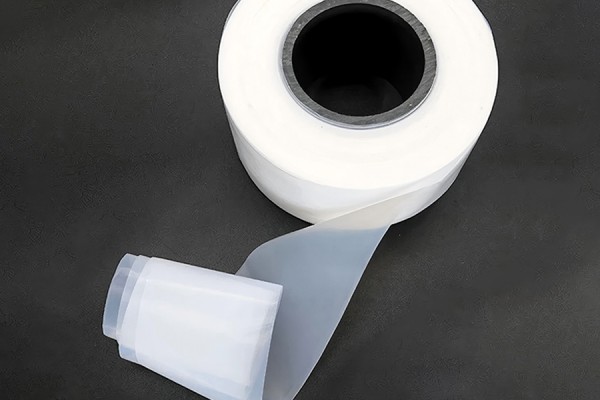
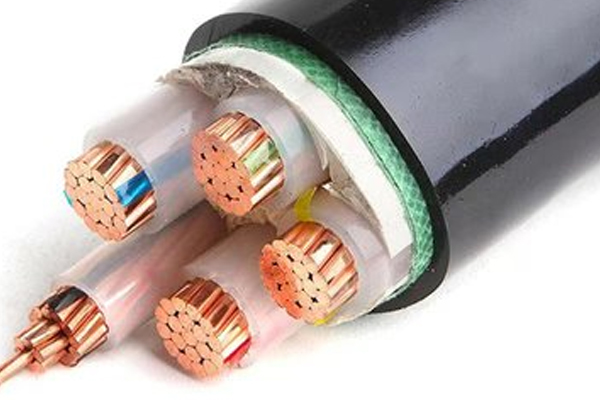
PTFE membranes are renowned for their outstanding properties that enhance their applications in modern technology. One of the primary advantages is their durability, which is evident in products like high-speed transmission line PTFE wrapping tape and PTFE wrapping film. These materials are resistant to various chemicals and environmental factors, ensuring reliable performance in demanding conditions. Additionally, the use of PTFE cable wrapping tape significantly improves insulation in electronic systems, offering low dielectric loss and stable performance across varying frequencies. Innovations such as DAC high-speed cable wrapping film and AEC high-speed cable wrapping film demonstrate the evolution of PTFE technology, providing enhanced transmission speed and efficiency tailored for advanced engineering needs. As industries continue to explore the versatility of membrana teflon, applications expand, capturing new possibilities in sectors such as telecommunications and construction.
"Utilizing high-performance materials like PTFE can lead to significant improvements in product reliability and efficiency."
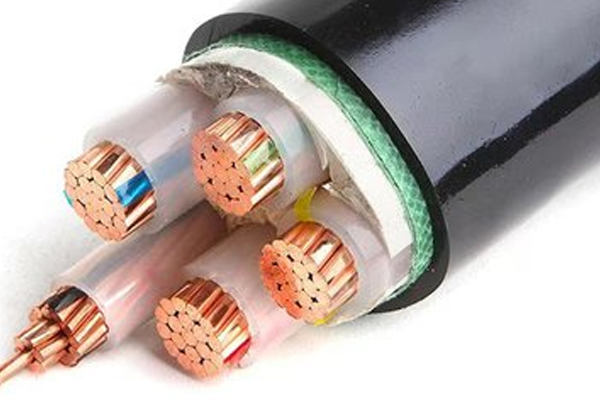
Understanding the Versatility of Membrana Teflon in Modern Technologies
Membrana Teflon plays a crucial role in the functionality of various technologies, thanks to its unique properties. One of its notable applications is in high-speed transmission lines, where High Speed Transmission Line PTFE Wrapping Tape is employed to ensure optimal performance and signal integrity. This tape minimizes dielectric losses and withstands harsh temperature variations, making it perfect for advanced engineering solutions. Moreover, PTFE wrapping film is integral for insulating high-speed data cables like DAC, AEC, and AOC high-speed cable wrapping films. These films guarantee durability and reliability in challenging conditions, enhancing overall performance across multiple sectors. The distinct characteristics of membrana Teflon contribute significantly to innovation and efficiency in modern technologies.
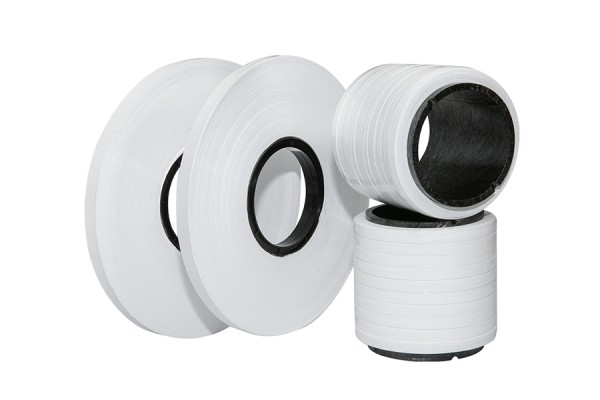
Mechanical and Chemical Resilience of Membrane in PTFE
PTFE membranes exhibit remarkable mechanical and chemical resilience, making them suitable for challenging environments. Their exceptional resistance to various chemicals ensures that they remain stable and functional even when exposed to harsh substances. This advantage is particularly valuable in applications where corrosive materials are present, such as in the chemical processing and pharmaceutical industries. Additionally, the mechanical strength of PTFE membranes allows them to withstand significant physical stress without compromising their integrity. This durability is essential for maintaining performance in demanding conditions like aerospace engineering and automotive applications, where reliability is a critical factor. Overall, the robust characteristics of membrane in PTFE contribute significantly to its widespread adoption across various sectors, ensuring long-lasting performance and user safety.
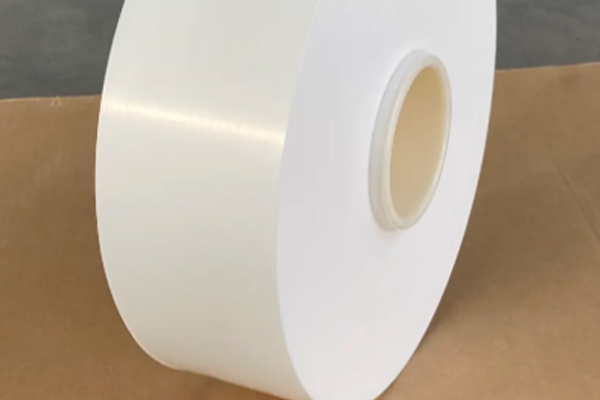
Exploring the Role of Membran PTFE in Advanced Engineering Solutions
Membran PTFE plays a crucial role in advanced engineering solutions, primarily due to its exceptional mechanical strength and chemical resistance. This unique material is often utilized in applications requiring high durability and reliability, such as in aerospace and automotive industries. The low friction coefficient of membrana teflon enhances performance in various systems while reducing wear on components. For instance, its use in connectors and seals ensures stable operation under extreme conditions. Additionally, the integration of ACC high-speed cable wrapping film underscores the importance of PTFE membranes in enhancing signal integrity and reducing interference in modern communication technologies. As industries continue to evolve, the demand for advanced materials like membran PTFE will only grow, signifying its vital role in promoting innovation across engineering sectors.
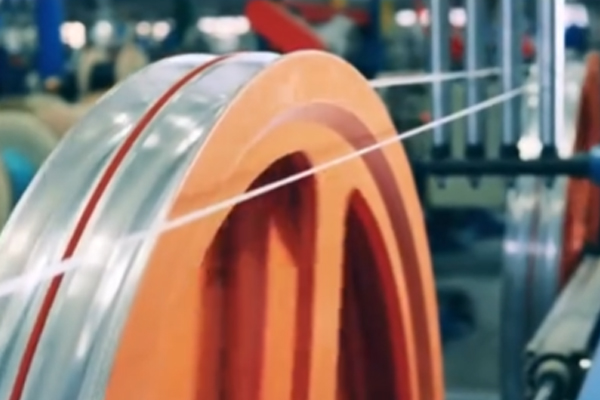
Cutting-Edge Uses of PTFE Membranes across Various Industries
PTFE membranes have found extensive applications across multiple industries due to their outstanding properties. In the aerospace sector, these membranes are used for fuel lines and insulation, ensuring reliable performance under extreme conditions. The automotive industry employs PTFE membranes in various sealing applications, contributing to improved efficiency and durability. Furthermore, in the medical field, PTFE Thread Seal Tape is utilized for surgical applications to minimize the risk of contamination. Additionally, the electronics industry benefits from PTFE membranes as insulators in high-frequency circuitry, enhancing signal integrity and performance. These advanced uses underscore the versatility of PTFE membranes in addressing complex engineering challenges across diverse sectors.
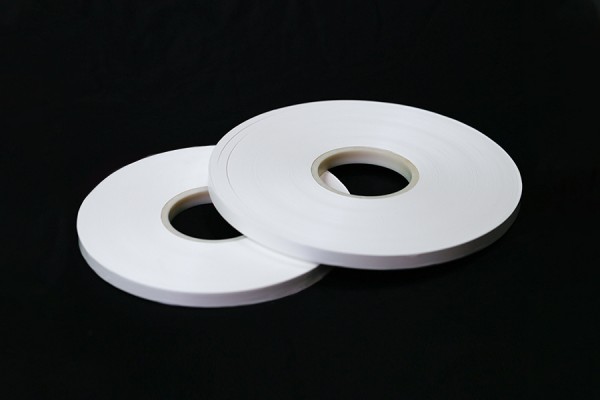
Comparative Analysis of PTFE Membranes and Traditional Materials
When comparing PTFE membranes to traditional materials, several key differences emerge that highlight the advantages of using PTFE. Traditional materials often exhibit higher rates of chemical absorption and can degrade under extreme conditions. In contrast, PTFE membranes are renowned for their chemical resistance and stability across a wide temperature range. This property makes them suitable for applications in harsh environments where traditional materials may fail. Moreover, the low friction coefficient of PTFE enhances efficiency in various applications, reducing wear and tear compared to conventional options. Additionally, the lightweight nature of PTFE membranes contributes to a lower overall system weight, potentially improving performance in applications where every gram counts. These distinctions underscore why many industries are turning to PTFE membranes as a superior alternative to traditional materials.
The Impact of Teflon Membranes on Efficiency and Performance
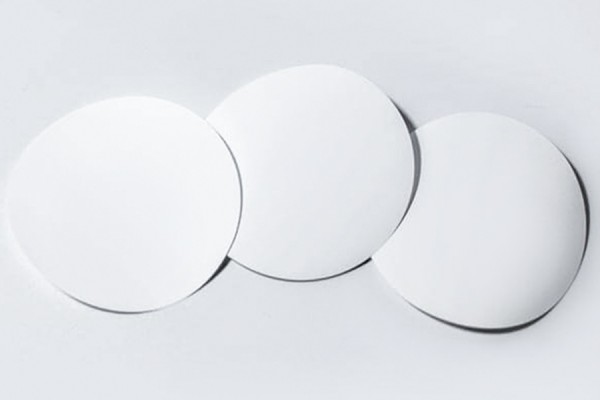
Teflon membranes play a crucial role in enhancing the efficiency and performance of various applications across different industries. Their unique properties, such as low friction, chemical resistance, and high thermal stability, contribute significantly to operational effectiveness. For instance, in filtration systems, PTFE membranes provide superior barrier protection while allowing effective flow rates. This leads to improved productivity in processes such as water treatment and chemical processing. Furthermore, the stability of these membranes under extreme conditions ensures that systems operate reliably over prolonged periods, reducing maintenance costs and downtime. Additionally, their lightweight nature encourages the design of more compact devices without compromising efficiency. As industries continue to seek innovative solutions that optimize performance and reduce waste, Teflon membranes will likely remain integral to advancing technologies in various sectors.
Future Trends and Developments in the Field of PTFE Membrane Technology
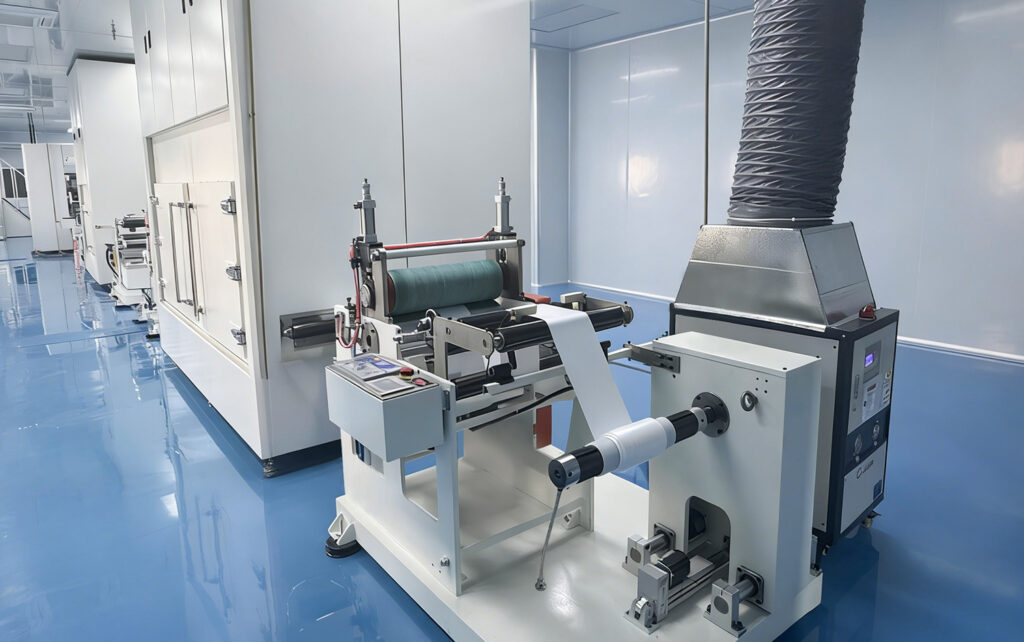
As the demand for high-performance materials grows, future developments in PTFE membrane technology are leaning towards enhanced customization and functionality. Advances in manufacturing processes are enabling the production of membranes with tailored properties, such as increased thickness or specific porosity levels, which can significantly improve their application in filtration and separation processes. Emerging trends also include the use of nanotechnology to create composite membranes that combine the unique qualities of PTFE with other materials for improved performance. Additionally, as industries focus on sustainability, there is a rising interest in recyclable or biodegradable PTFE membranes that align with environmental goals. Innovations in smart membrane technology, which can respond to external stimuli or changes in environmental conditions, are also on the horizon, promising to revolutionize applications in sectors like healthcare and energy efficiency. These trends indicate a dynamic evolution within PTFE membrane technology, driven by the need for efficiency and sustainability across various fields.
Conclusion
The advancements in PTFE membrane technology signify an ongoing evolution that caters to various industries’ pressing needs. As these membranes continue to prove their reliability and efficiency, their applications will likely expand further into emerging fields. From aerospace to medical devices, the unique properties of PTFE, such as its resistance to chemicals and durability under harsh conditions, provide stability and performance enhancements that are unmatched by traditional materials. Moreover, the integration of innovative manufacturing techniques and potential developments in smart membrane technologies signals a promising future for PTFE applications. This trajectory not only addresses current challenges but also positions PTFE membranes as vital components in enhancing technological efficiency across diverse sectors.
FAQs
What are the main advantages of using PTFE membranes?
PTFE membranes offer excellent chemical resistance, high thermal stability, and low friction properties, making them ideal for various applications.
In which industries are PTFE membranes commonly utilized?
PTFE membranes are widely used in aerospace, automotive, medical, and electronics industries due to their durability and reliability.
How do PTFE membranes compare to traditional materials?
PTFE membranes provide superior chemical stability and lower friction coefficients than traditional materials, resulting in enhanced performance and longevity.
Can PTFE membranes withstand extreme conditions?
Yes, PTFE membranes are designed to maintain their integrity and performance under harsh environments, including temperature fluctuations and exposure to corrosive substances.
What future developments can we expect in PTFE membrane technology?
Future trends may include customized membrane properties, the integration of nanotechnology for enhanced performance, and the development of environmentally friendly options.