main Takeaways
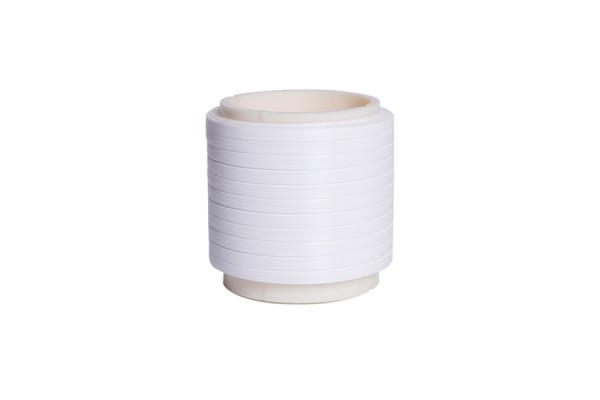
PTFE high-speed cable film stands out in modern technology applications due to its excellent performance characteristics. The film’s high-temperature resilience makes it an ideal choice for environments where extreme thermal conditions are present. In industries such as 5G and aerospace, these capabilities are essential for ensuring reliable operation and long term durability. Moreover, the electromagnetic shielding properties of PTFE materials provide effective protection against interference, which is increasingly vital as electronic devices become more advanced. The versatility of PTFE also contributes to effective insulation solutions that cater to various needs in modern data centers, enhancing operational efficiency. This combination of attributes not only promotes optimal performance but also supports the ever-evolving demands of high-tech fields, solidifying PTFE high-speed cable film’s role as a key component in cutting-edge applications.
new Uses of PTFE Cable Film
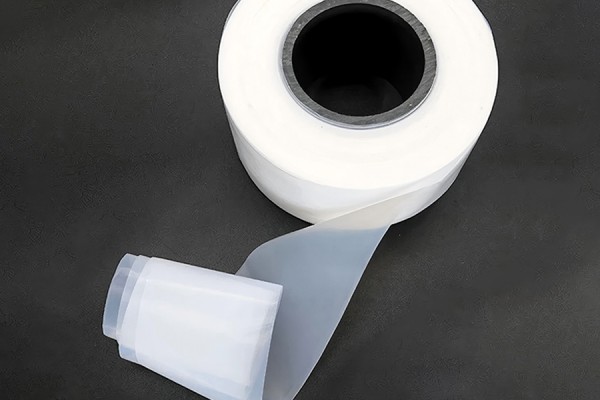
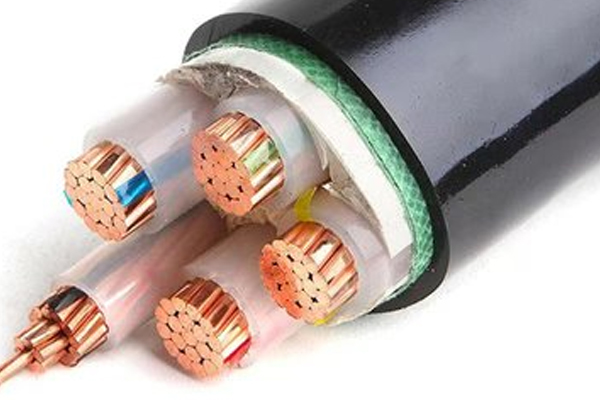
PTFE high-speed cable film finds diverse applications across various industries, thanks to its unique properties. This material excels in delivering performance enhancements for high-speed transmission lines, with products like DAC high-speed cable wrapping film and AEC high-speed cable wrapping film demonstrating significant advantages in electrical insulation and signal integrity. The versatile PTFE wrapping film is also utilized for PTFE cable roll coating, ensuring efficient protection from environmental factors and mechanical wear.
In telecommunications, the high durability and low dielectric constant of PTFE play a vital role in optimizing data transmission rates. The impact of this material extends to RF cables, where the lightweight characteristics of PTFE cable wrapping tape enable seamless installation while minimizing signal loss. Moreover, its capability to withstand extreme temperatures makes it suitable for automotive wire harnesses and aerospace technologies.
As industries progress toward faster connectivity, particularly with the expansion of 5G networks, the role of high speed and high-frequency cable wrapping film becomes increasingly critical. Its applications in data centers further illustrate how PTFE contributes to faster processing speeds while maintaining reliability under stress. The adaptability of PTFE ensures it remains a powerful solution for modern technological demands.
Advantages of PTFE in High-Tech Fields
PTFE high-speed cable film offers numerous advantages in advanced technology sectors, largely due to its unique chemical and physical properties. Its excellent insulation capabilities not only protect sensitive electronics but also allow for efficient signal transmission. This makes PTFE an optimal choice for high-frequency applications like RF and microwave communications. The lightweight nature of PTFE enhances the performance of cable assemblies by reducing overall weight, which is particularly beneficial in aerospace and automotive industries. The film’s stability over a wide temperature range, from -200°C to +260°C, ensures reliability in extreme environments. Furthermore, its remarkable wear resistance and chemical inertness allow it to function effectively in demanding conditions, such as corrosive manufacturing settings. This durability translates into longer product lifespans and reduced maintenance needs, thus providing considerable cost savings over time. The use of PTFE high-speed cable film can significantly improve overall system efficiency while meeting the rigorous demands of modern technological applications.
PTFE Film Performance in 5G Applications
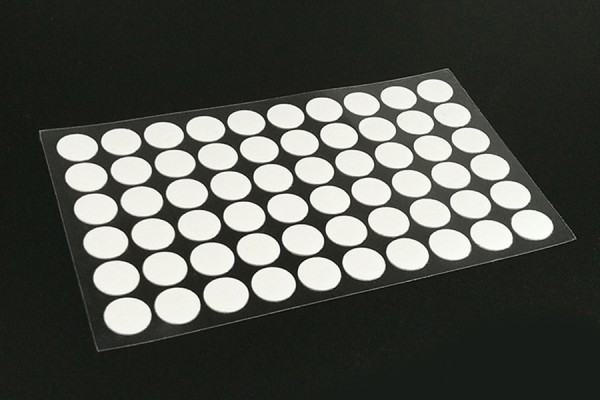
PTFE high-speed cable film plays a vital role in 5G technology by significantly improving the performance of communication infrastructures. Its low dielectric constant allows for efficient signal transmission, key for high-frequency applications where data integrity is paramount. This film supports the rapid data rates demanded by 5G networks while minimizing signal loss and maintaining high quality across various distances. Furthermore, PTFE’s excellent thermal stability ensures reliable operation even in extreme temperature conditions, which is essential for components exposed to varying environmental factors. The film’s robust electromagnetic shielding properties also protect sensitive signals from interference, thereby enhancing the overall reliability of 5G communications. As telecommunications advance, the use of PTFE cable film will continue to evolve, addressing the growing demands for faster, more efficient connectivity solutions in urban and industrial settings alike.
High-Temperature Capabilities of PTFE Film
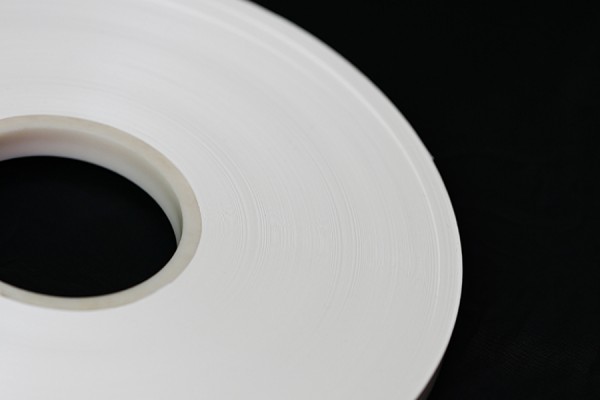
PTFE high-speed cable film exhibits remarkable thermal stability, withstanding temperatures ranging from -200°C to +260°C and tolerating short spikes exceeding 300°C. This extensive temperature resistance makes it an optimal choice for applications in extreme environments, such as aerospace and high-performance electrical systems. Its ability to maintain structural integrity and insulation properties under these conditions is critical for ensuring reliable performance in high-temperature applications. Furthermore, the low thermal expansion coefficient of PTFE minimizes the risk of mechanical failure due to temperature fluctuations. The film’s lightweight nature facilitates easier handling and installation in various configurations, which is vital for complex cable assemblies. furthermore, the material’s resistance to chemical degradation enhances its longevity, making PTFE a dependable solution for demanding industrial applications and advanced technologies that rely on sustained high-temperature performance.
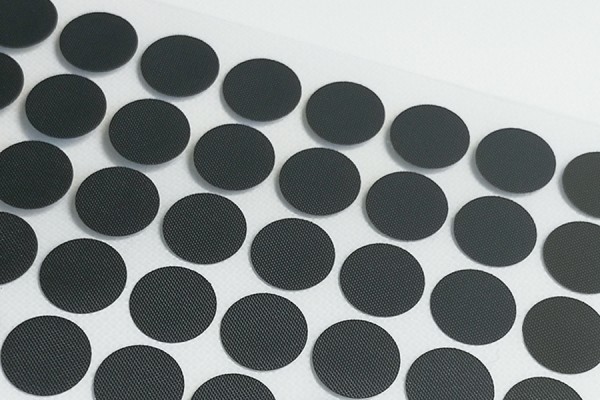
Electromagnetic shielding with PTFE Materials
PTFE high-speed cable film offers exceptional electromagnetic shielding properties, making it ideal for a variety of applications where interference can significantly affect performance. The unique properties of PTFE, including its high dielectric strength and low loss factor, improve its effectiveness in minimizing electromagnetic interference (EMI). This capability is especially key in environments where sensitive electronic equipment operates, such as telecommunications and data centers. The film’s microporous mesh structure contributes to a lower dielectric constant, reducing signal loss and improving overall signal integrity.
In modern technologies, the need for reliable shielding solutions is paramount as devices become more compact and densely packed with components. PTFE’s thermal stability allows it to perform effectively across a wide temperature range while maintaining its shielding effectiveness. This reliability is vital in high-frequency applications such as 5G networks, where optimal signal transmission is essential. In aerospace technologies, the use of PTFE films ensures that systems can withstand extreme environments without compromising performance. By integrating PTFE materials into cable designs, manufacturers can achieve reliable electromagnetic shielding that enhances device functionality across various modern technological landscapes.
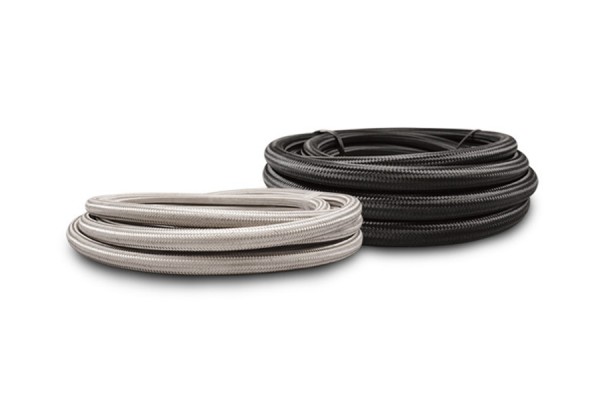
Impact of PTFE on Aerospace Technologies
PTFE high-speed cable film plays a significant role in advancing aerospace technologies, where reliability and performance are non-negotiable. Its exceptional heat resistance, maintaining functionality from -200°C to +260°C, allows for safe operation in extreme environments commonly encountered in aerospace applications. The film’s lightweight and thin profile simplifies installation while minimizing weight on aircraft, a critical factor for fuel efficiency.
Furthermore, PTFE exhibits remarkable chemical resistance, critical for aircraft that may be exposed to harsh environments. Its ability to provide effective electromagnetic shielding is essential for preventing interference in sensitive avionics systems. The stability and high-frequency signal transmission characteristics of PTFE also contribute to enhancing communication systems within aircraft, ensuring seamless operational performance. As aerospace technology continues to evolve with increasing complexity and demands for efficiency, PTFE high-speed cable film stands out as a fundamental material supporting innovation and reliability in this field.
Effective insulation solutions using PTFE
PTFE high-speed cable film offers superior insulation properties, making it an ideal choice for various high-tech applications. Its low dielectric constant significantly reduces signal loss, ensuring efficient performance in RF and microwave communications. This characteristic is particularly beneficial for high-frequency data transmission where maintaining signal integrity is critical. The chemical inertness of PTFE also provides exceptional protection against corrosive environments, enabling its use in harsh industrial settings and aerospace applications. Furthermore, PTFE film exhibits impressive thermal stability, allowing it to function effectively across a wide temperature range from -200°C to +260°C, withstanding short-term exposure to temperatures exceeding 300°C. These attributes contribute to its reliability and longevity in demanding situations. As industries continue to innovate and require more advanced insulation solutions, PTFE’s capabilities position it as a leading material in the development of efficient electrical systems. By integrating PTFE cable film into designs, manufacturers can improve product performance while ensuring durability and safety across various applications.
PTFE Film in Modern Data Centers
In modern data centers, the demand for efficient signal transmission and thermal management is critical. PTFE high-speed cable film plays a vital role in ensuring reliable performance under these conditions. Its low dielectric constant minimizes signal loss, making it ideal for high-frequency applications, which are essential for maintaining speed and efficiency in data processing. Moreover, the film’s outstanding temperature resistance allows it to operate effectively even in environments where heat generation is substantial, such as those seen with numerous active servers.
Furthermore, the chemical stability of PTFE provides an additional layer of protection against various environmental factors that can compromise cable integrity. This property is advantageous in maintaining longevity and reliability, reducing the need for frequent replacements due to wear or corrosion. As data centers continue to evolve towards more complex setups with increased demands on wiring and cabling solutions, PTFE films are becoming indispensable components in achieving optimal infrastructure performance.
Conclusion
PTFE high-speed cable film represents a significant advancement in various high-tech fields. As industries demand greater performance and reliability, the capabilities of PTFE in high-temperature insulation, electromagnetic shielding, and efficiency cannot be overlooked. Its use in 5G technology demonstrates how this material enhances data transmission speeds and reduces signal interference, meeting the ever-growing demands for seamless connectivity. Moreover, the aerospace sector benefits from PTFE’s resilience under extreme conditions, ensuring optimal functionality in critical applications. The original approaches to effective insulation solutions further establish PTFE as a main player in modern data centers. Overall, the ongoing integration of PTFE high-speed cable film into diverse technologies signifies not just a trend but an essential evolution towards greater efficiency and performance across industries.
Frequently asked questions
what is PTFE high-speed cable film?
PTFE high-speed cable film is a specialized insulating material used in various applications due to its excellent thermal stability and electrical insulation properties.
What advantages does PTFE provide in high-temperature environments?
PTFE can withstand extreme temperatures, maintaining its performance and structural integrity even in conditions exceeding 200°C.
How does PTFE film perform in 5G applications?
PTFE film is essential for 5G technology due to its low dielectric constant, which helps minimize signal loss and ensures efficient transmission of data.
What role does PTFE play in electromagnetic shielding?
PTFE enhances electromagnetic shielding by providing a barrier against electromagnetic interference, key in sensitive electronic devices and communication systems.
How is PTFE film utilized in the aerospace industry?
In aerospace, PTFE film is used for insulation and protection of wiring systems, helping to ensure reliability and safety in high-performance conditions.
Can PTFE be used effectively in modern data centers?
Yes, PTFE films offer superior insulation properties that improve cable management and protect against overheating, making them ideal for data centers.
What makes PTFE an important material for cable insulation?
Its chemical resistance, durability, and ability to operate under extreme conditions make PTFE a main material for efficient and reliable cable insulation.
Is PTFE environmentally friendly?
While PTFE itself is stable and inert, the environmental impact depends on its manufacturing processes as well as disposal methods once its lifespan has ended.