main Takeaways
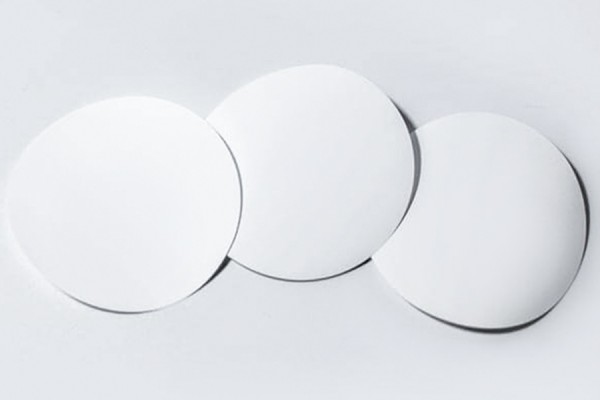
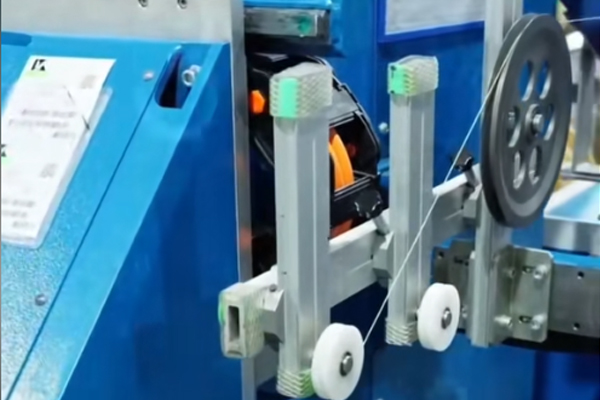
ePTFE membranes bring new options for fields that demand high performance. Their durability and chemical compatibility stand up in harsh conditions. Sectors such as aerospace and automotive benefit from the material’s resistance to temperature swings and mechanical stress, lowering the chance of system failures. They also offer energy efficiency through better gas permeability and reduced energy loss, helping fuel cells run more smoothly. The material stands up well in corrosive environments across a wide pH range, keeping operations steady when conditions are tough. In short, these membranes push industry capabilities forward, aiming for reliability and efficiency over the long term.
new ePTFE Membranes
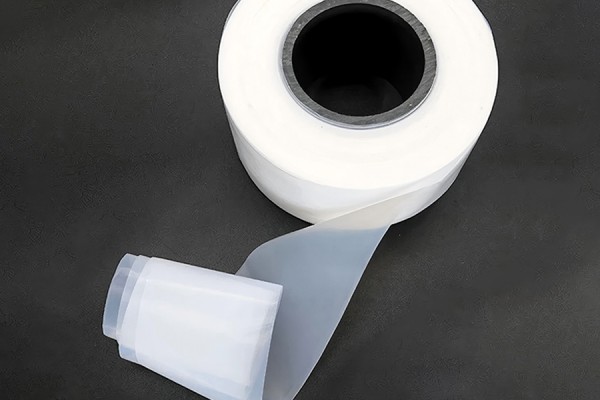
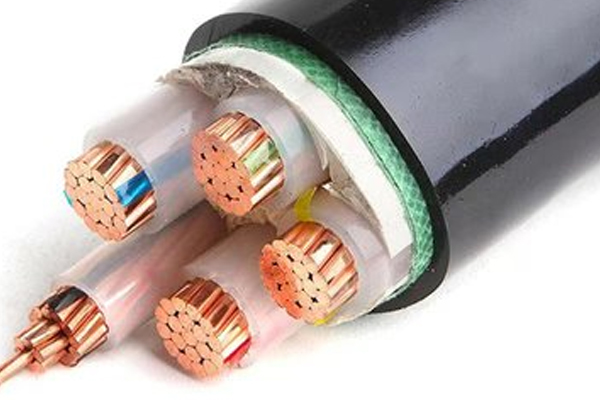
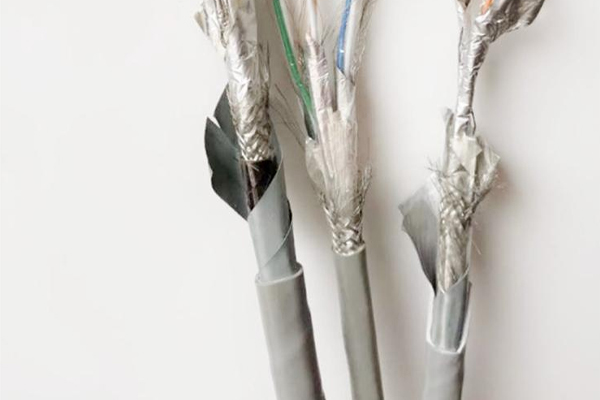
New ePTFE membranes mark progress in materials science, especially for applications that demand high performance and reliability. Designed for durability, they respond to the needs of telecommunications and aerospace. In products such as high-speed transmission line PTFE wrapping tape and PTFE wrapping film, they boost insulation and protection for high-frequency work. They have strong dielectric properties, allowing them to thrive in environments with high electrical demand. PTFE thread seal tape and PTFE cable wrapping tape strengthen cable systems by reducing leaks and keeping performance across varied conditions. DAC, AEC, AOC, and ACC high-speed cable wrapping films show how tailored ePTFE solutions fit different standards without losing efficiency. As these membranes evolve, they redefine what’s possible across sectors by pairing strength with new ideas.
Boosting durability with ePTFE
These membranes are built for durability, suited to tough tasks. They withstand mechanical stress, lowering the risk of failures in harsh settings. They can expand and contract without losing integrity, which extends their life. That resilience matters in places with recurring temperature or pressure swings. Its microporous structure blocks liquids while letting gas pass, and stands up to harsh chemicals. In fuel cells and aerospace, reliability matters; these membranes help products run smoothly for long periods. By tackling membrane fatigue and degradation, this tech supports performance and longevity of key systems. That durability makes the material a go-to for makers aiming for reliable solutions that meet tight standards. This eptfe membrane approach remains a common choice for longevity in harsh settings.
ePTFE: Energy Efficient Solutions
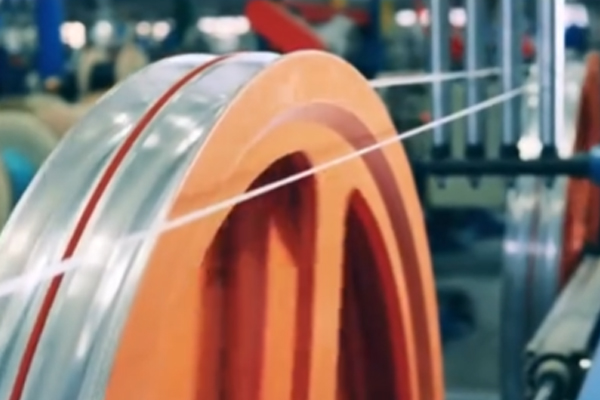
These membranes boost energy efficiency in many applications. Their microporous design supports gas flow while cutting energy losses. In fuel cells, good proton conduction helps maximize energy conversion. Lower resistance means faster reactions and higher current densities, improving performance and lowering fuel costs. Its light weight allows shrinking components without losing function, boosting overall efficiency. It resists moisture and temperature swings, keeping performance steady under tough conditions. Using these solutions can improve energy management and sustainability goals while extending equipment life.
Chemical compatibility of ePTFE
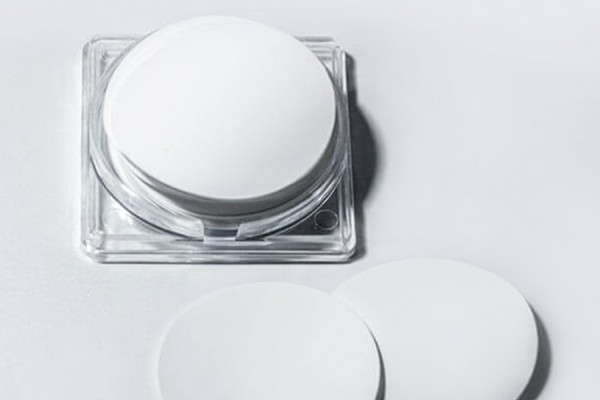
These membranes tolerate a wide pH range, from 1 to 14, in tough environments. That versatility suits use with aggressive chemicals, acids and bases included. Its microporous structure blocks liquids while letting gas pass, and stands up to harsh chemicals. That makes them fit for setups where chemicals could otherwise degrade performance. Their hydrophobicity helps keep moisture out, preserving integrity in tough conditions. That matters in pharma and chemical processing, where purity and performance matter. So these membranes offer reliable operation even with aggressive chemicals around.
ePTFE Membranes in Harsh Environments
These membranes do well in tough settings because of their durable traits. The microporous structure gives strong hydrophobicity, blocking liquids while letting gas pass. That helps where moisture and aggressives are common. In chemical plants, they handle aggressive chemicals without breaking down, keeping operations solid. Their durability stands up to temperature and pressure swings. They endure harsh climates, keeping equipment running. In aerospace or automotive areas where reliability matters, they support safety and longevity.
"Using these membranes can cut maintenance needs in tough environments."
furthermore, ePTFE membranes’ chemical compatibility allows them to function effectively across a broad pH range from 1 to 14. This flexibility enables their use in various applications from water filtration to industrial processing, making them highly versatile components for modern technology requirements.
Enhanced performance through ePTFE
These membranes improve performance in many demanding applications. The structure provides strong mechanical performance while staying light. That balance helps in tough environments. Their porosity supports efficient gas exchange, important in fuel cells for good reaction rates. They resist chemicals well, so they can filter and separate in harsh conditions without losing strength. That enables reliable operation across aerospace and industry. They stand up to temperature variation and stress, offering a durable solution for high-tech sectors. Efficiency gains translate into energy savings and better performance, pushing forward in fields that depend on high-performance materials.
Applications of Advanced ePTFE
Advanced ePTFE membranes change how several industries work with their mix of properties. In electronics, they are key for high-frequency circuit boards, keeping signals cleaner and performance steadier. In automotive uses, they handle heat and chemical exposure, suitable for fuel-cell membranes. In biomedicine, they help with devices thanks to biocompatibility and good filtration for body fluids. In environmental work, they filter air and liquids reliably in harsh conditions with strong chemical resistance. Their multiple uses make these solutions essential for today’s tough requirements across sectors.
significant ePTFE Technology
Tech based on ePTFE membranes marks progress across multiple fields. They perform well where durability matters, extending service life and reliability. Their microporous design lets air through while stopping liquids and particulates, good for filtration and barriers. The edge here includes energy efficiency, lowering operating costs by improving reaction rates in fuel cells. They tolerate extreme pH levels, matching chemical compatibility and letting them stand up to corrosive environments. Recent developments let these membranes meet demanding specs in aerospace and automotive, where performance under stress matters. As industries push for sustainability and efficiency, this technology plays a key role across applications.
Conclusion
the advancements in ePTFE membrane technology have far-reaching implications across various industries, redefining performance standards and durability expectations. Their unique properties allow for effective solutions in environments where traditional materials might fail. Industries such as aerospace, automotive, and electronics are leveraging ePTFE’s ability to withstand extreme conditions while maintaining functionality. As applications continue to expand, the emphasis on energy efficiency and chemical compatibility will further point out the importance of these membranes in modern technology. Users can expect not just enhanced performance but also increased longevity and reliability from systems incorporating ePTFE membranes. This integration not only meets current demands but also anticipates future challenges, solidifying ePTFE’s role as a cornerstone in advanced material development. As uses grow, the eptfe membrane approach stays central.
FAQs
What are ePTFE membranes used for?
ePTFE membranes are employed across various industries including telecommunications, aerospace, and pharmaceuticals for applications requiring filtration, insulation, and chemical resistance.
How do ePTFE membranes improve durability?
Their unique microporous structure allows ePTFE membranes to withstand mechanical stresses and environmental conditions, making them ideal for high-demand applications.
Can ePTFE membranes resist harsh chemicals?
Yes, ePTFE membranes exhibit excellent chemical compatibility across a pH range of 1 to 14, enabling them to work effectively in corrosive environments without degrading.
What benefits do ePTFE membranes provide in energy efficiency?
ePTFE membranes reduce resistance in applications like fuel cells, improving overall performance while decreasing energy costs through efficient gas permeability.
Are there specific industries that benefit the most from ePTFE technology?
Industries such as aerospace, automotive, electronics, and biomedical fields gain significant advantages from the reliability and performance of ePTFE membranes in demanding conditions.