main Takeaways
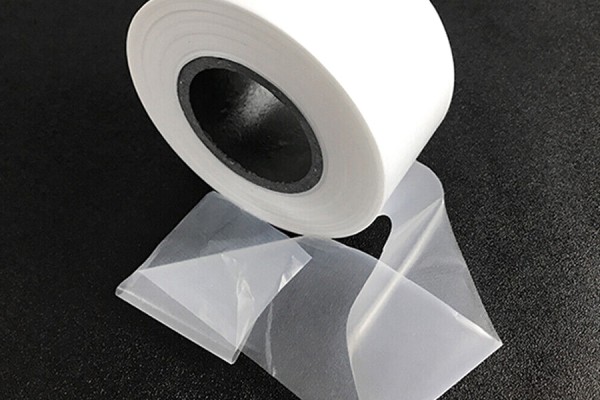
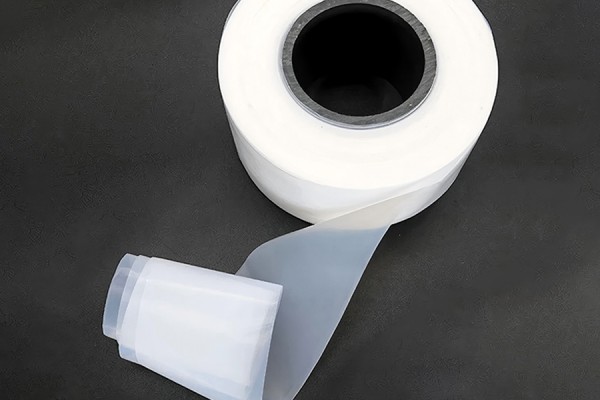
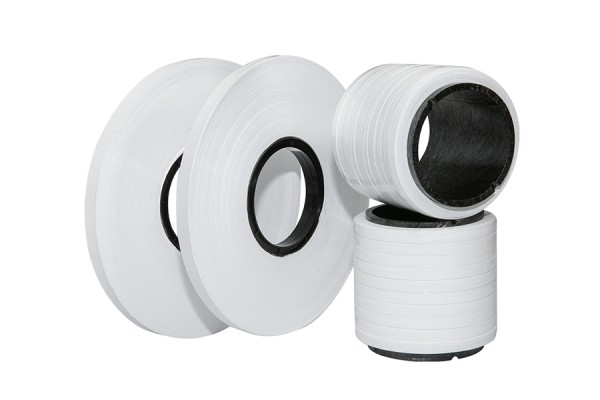
PTFE cable coil wrapping film supports signal integrity in high-speed applications by providing strong insulation that limits signal loss. Data stays clear and reliable. With resistance to extreme temperatures, ranging from -150 to 260 degrees Celsius, this film adapts well to various operating conditions. Its chemical resistance protects cables from harsh environments, boosting durability for any connection. The film reduces electromagnetic interference, which matters for communication technologies where data accuracy is essential. Using this film in cable designs improves overall performance and promotes longevity by guarding critical systems against external threats and environmental factors. As tech evolves, employing such advanced materials becomes essential for seamless communication across sectors.
Advancing signal integrity
PTFE cable coil wrapping film plays a vital role in improving signal integrity within high-speed transmission systems. This film reduces signal loss and maintains data fidelity, making it a preferred choice for applications requiring high-speed and high-frequency performance. The low dielectric constant of the PTFE wrapping film minimizes electrical interference, ensuring that signal clarity is preserved even in demanding conditions. Its insulation properties contribute to effective temperature regulation, providing reliable performance across various environmental challenges. By incorporating PTFE coatings and seals, users can achieve optimal protection against electromagnetic interference, which is critical in technologies like 5G and aerospace communications. The diverse applications of this material point out its effectiveness in a range of cable designs, including DAC and AEC high-speed cable wrapping films. Keeping data transmission reliable matters; thus, using high-speed wrapping films helps professionals meet these challenges with confidence.
Enhancing high-Speed Connections
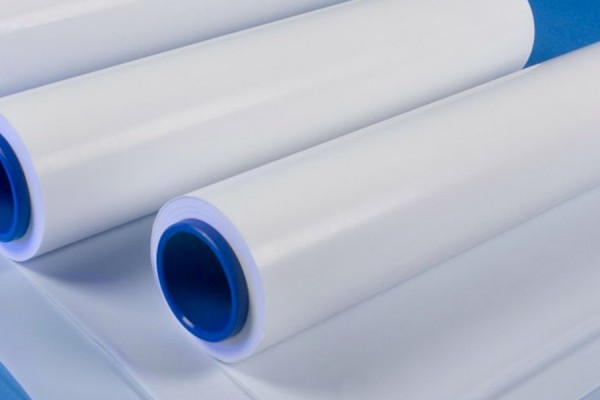
the system plays a vital role in maintaining the integrity of high-speed connections. By providing exceptional insulation, this film reduces dielectric losses, which can compromise signal clarity. The unique properties of PTFE enable it to withstand high temperatures and harsh conditions without degrading performance. In fast-paced applications like 5G networks, cables are wrapped tightly to minimize interference.
Using PTFE film can markedly cut signal degradation, which matters for reliable communication.
Incorporating this film into cable designs improves overall efficiency by preserving bandwidth and ensuring that high-speed signals traverse without unnecessary interference or loss. With its remarkable ability to endure extreme environments while delivering consistent performance, it is a solid choice for various industries seeking dependable signal transmission solutions. Its application is particularly significant in aerospace and digital communications, where every moment of data matters.
Unmatched insulation solution
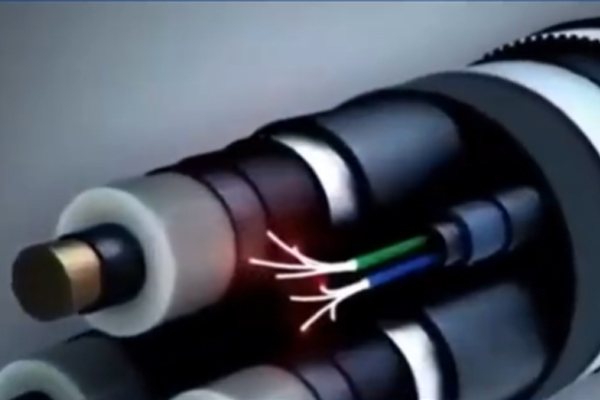
the platform offers exceptional insulation properties critical for maintaining signal integrity in high-speed applications. Its unique chemical structure allows for low dielectric constant and loss, minimizing signal degradation during transmission. The insulation keeps electrical signals clear and uninterrupted, which is essential for sensitive electronic devices. The film holds up across a wide temperature range, from -150 to 260 degrees Celsius, ensuring reliable functionality even in extreme environments. This capability is vital in industries such as aerospace and telecommunications, where performance under temperature fluctuations is non-negotiable. Also, the film’s inherent resistance to chemicals protects delicate wires from environmental factors that could compromise their performance. By providing a robust barrier against moisture and contaminants, PTFE film helps preserve the long term reliability of cable connections, making it a solid choice for various high-speed applications.

Protecting signal quality
the tool effectively safeguards signal quality by providing a barrier against external interference. Its unique properties allow for reduced electromagnetic interference, ensuring that high-speed data transmissions remain clear and unaffected. The film’s low dielectric constant helps minimize loss and distortion within the signal. Furthermore, its resistance to heat and chemicals prevents physical deterioration in harsh environments, contributing to the reliability of data transfer. As wireless technology grows, keeping signal integrity matters more. This wrapping film helps meet that need. By blocking moisture and contaminants, it supports consistent performance in various applications, from aerospace to automotive sectors. This protection keeps devices relying on data accuracy and reliability functioning, making the wrap an important component in modern connectivity solutions.
PTFE Film for Diverse Environments
this solution is built to withstand the rigors of various environments, making it an ideal choice for multiple applications. Its exceptional resistance to extreme temperatures, ranging from -150 to 260 degrees Celsius, enables reliable performance in both low and high heat contexts. This versatility extends to its chemical inertness, allowing it to perform safely in harsh chemical environments without degradation. Whether used in medical devices, automotive wiring, or aerospace applications, PTFE films maintain insulation integrity and signal quality. The film’s microporous structure enhances waterproof capabilities while allowing for breathability, which is vital in precision instruments like smartphones and automotive radar systems. In telecommunications and data transmission settings, PTFE wrapping protects sensitive signals from electromagnetic interference. Consequently, it becomes a useful asset across industries facing tough conditions.
Maximizing heat resistance
it excels in heat resistance, ensuring reliable performance even in extreme temperatures. With a wide operational range from -150 to 260 degrees Celsius, PTFE retains its structural integrity and insulating properties under thermal stress, making it ideal for high-speed applications in various environments. Its chemical inertness allows it to withstand harsh conditions without degrading, thus securing the functionality of sensitive electronic components. The film’s ability to maintain consistent signal transmission is vital for applications such as aerospace and automotive wiring, where overheating can lead to data loss or system failure. Through effective thermal management, PTFE films protect cables from heat-induced damage, contributing to longer lifespan and improved efficiency of high-frequency systems. This durability under heat helps ensure that data integrity remains uncompromised even during intense operational demands.
Cutting-Edge Cable Protection
the system excels in providing robust protection for high-speed data transmission. Its unique composition ensures that cables are shielded from environmental factors such as moisture, dust, and corrosive substances. This film’s low friction surface allows for smoother installations, reducing wear and potential damage to the cables during handling and operation. The wrapping film’s flexibility is important, conforming easily to varying cable shapes and sizes while maintaining its protective qualities. By minimizing exposure to electromagnetic interference, it reduces interference in communication systems, ensuring clearer signals over longer distances. The durability of PTFE material also means that even in extreme conditions, from high heat to chemical exposure, the integrity of the insulated cables remains intact. This level of protection is essential for applications in industries such as aerospace, telecommunications, and automotive, where reliability is non-negotiable.
Reliable electromagnetic shielding
the platform offers effective electromagnetic shielding essential for maintaining signal integrity in high-speed communication systems. Its unique properties create a barrier against electromagnetic interference (EMI), which can disrupt signal quality and reduce data transmission efficiency. The low dielectric constant of PTFE contributes to minimal signal loss, ensuring that the performance of high-speed applications, such as 5G and aerospace communication, is not compromised. This film’s inherent chemical resistance and stability under extreme temperatures further boost its reliability as a protective layer in diverse environments. By safeguarding against external electromagnetic disturbances, PTFE films play a role in preserving the integrity of electrical signals, ultimately enabling more efficient and resilient electronic communications.
Conclusion
the tool is essential in ensuring signal integrity across various high-speed applications. Its strong insulation properties and ability to minimize electromagnetic interference help safeguard data transmissions. When deployed in diverse environments, this wrapping film’s durability ensures consistent performance, even under extreme conditions. The resistance to heat and chemicals not only contributes to prolonged lifespan but also boosts the reliability of systems like aerospace and telecommunications. As tech evolves, keeping signals clear becomes increasingly important. Using this film not only meets those demands but also supports innovations across numerous industries. In a situation where data integrity is paramount, investing in high quality wrapping solutions can lead to improvements in overall system efficiency and effectiveness.
FAQs
What is this solution used for?
It improves signal integrity in high-speed apps, with insulation and protection against electromagnetic interference.
How does PTFE film improve signal clarity?
Its low dielectric constant reduces losses and keeps signals clear in high-frequency work.
What are the temperature limits of PTFE cable wrapping film?
-150 to 260 degrees Celsius.
Can PTFE wrapping be used in harsh environments?
Yes, it resists chemicals and stands up in tough settings, shielding cables from moisture and contaminants.
Is this film suitable for 5G applications?
Yes, its insulation and EMI shielding support 5G and other high-speed communications.