important Takeaways
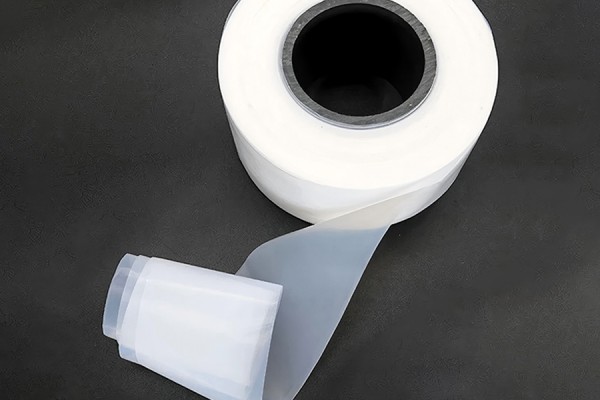
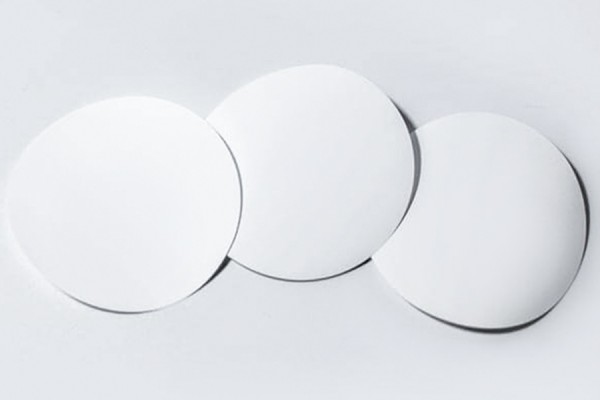
Polytetrafluoroethylene (PTFE) wrapping film has many advantages for modern manufacturing. It resists harsh chemicals and high temperatures, making it reliable in a range of applications, from food processing to aerospace. Non-stick surfaces reduce friction, easing machinery operation and cutting maintenance costs. Its durability extends product lifecycles, cutting waste and conserving resources. Versatility matters; these films can be molded to fit specific manufacturing needs, improving efficiency in unique environments. Using this wrapping film can improve productivity and help manufacturers stay competitive in markets where sustainability matters. Its essential properties keep it relevant across industries, supporting innovation and reliability in production processes.
new PTFE Film Applications
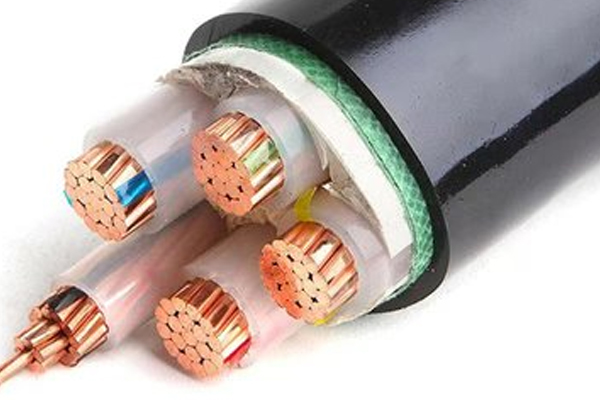
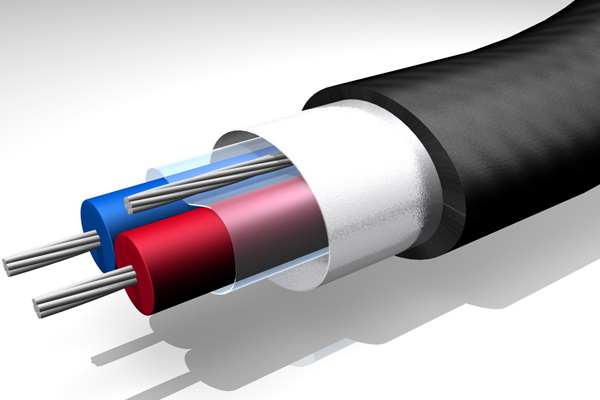
Polytetrafluoroethylene (PTFE) wrapping film offers unique solutions across manufacturing sectors thanks to its standout properties. High-speed transmission line wrapping tape ensures signal integrity and environmental resistance, essential for high-frequency communications. PTFE Thread Seal Tape provides leak-proof joints in plumbing and gas applications, a key safety factor. PTFE cable wrapping tape guards cables from wear while staying flexible. For tougher environments, the DAC high-speed cable wrapping film performs well where moisture and chemicals are common. Similarly, AEC, AOC, and ACC high-speed cable wrapping films address specific needs in electrical insulation and shielding. Using these films in production lines can boost reliability and efficiency and extend product lifecycles.
Varied PTFE film applications enable more informed manufacturing decisions.
PTFE Film in Manufacturing
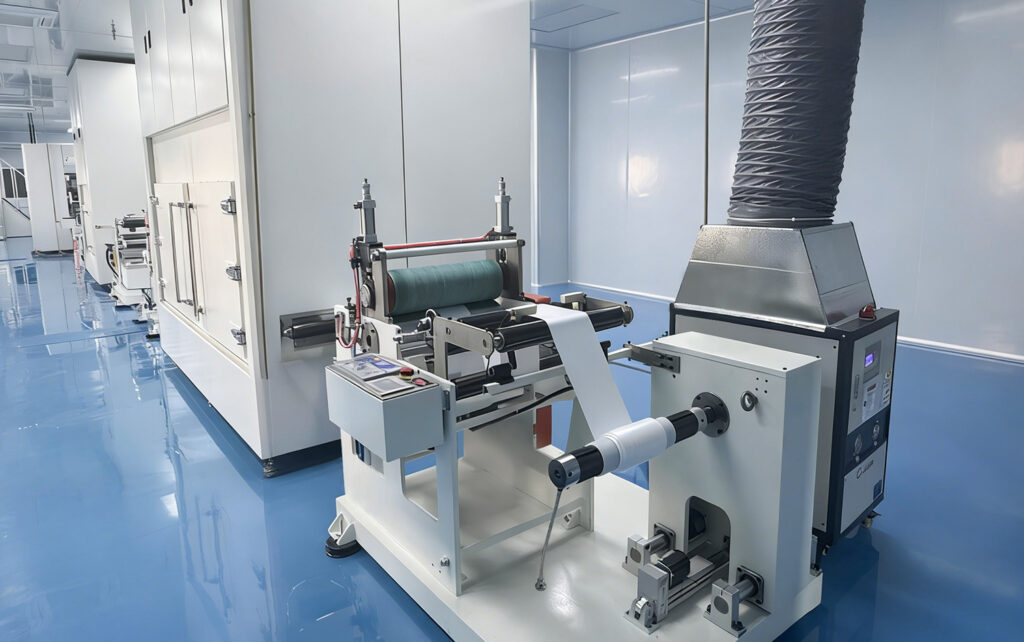
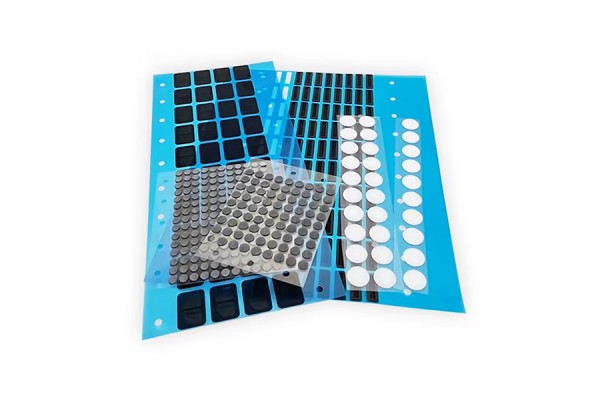
PTFE wrapping film plays a central role in modern manufacturing thanks to its unique properties. It resists chemicals, making it suitable where harsh substances are present. In food processing equipment, it acts as a protective layer that ensures safety and hygiene. In electronics, PTFE films provide insulation for wires and components, boosting performance and longevity of devices. Furthermore, its light weight helps efficiency, reducing material costs without sacrificing strength and durability.
The table below summarizes some applications of PTFE film across various industrial sectors:
| Industry | Application | Benefits |
|---|---|---|
| Food Processing | Non-stick coatings | Enhances hygiene and safety |
| Electronics | Insulating films | Improves performance and reliability |
| Aerospace | Engine components | Reduces weight while maintaining strength |
| Medical Devices | Protective layers | Ensures safety and performance |
This range of uses shows how PTFE films meet diverse needs in manufacturing, supporting better production capabilities.
Enhancing efficiency with PTFE
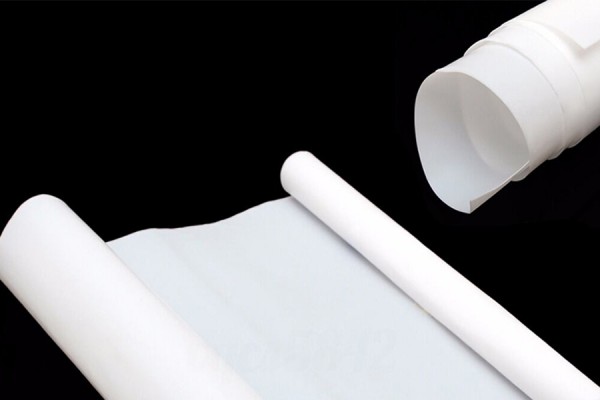
PTFE wrapping film helps efficiency across manufacturing processes. Its chemical resistance and low friction reduce wear on machinery, cutting maintenance costs and boosting uptime. In high-temperature environments, it keeps performing without breaking down, which matters in aerospace and automotive. The non-stick surface minimizes sticking during production, easing handling and cutting waste. This efficiency improves production timelines and overall output quality. In complex machinery or electronics, it provides reliable insulation and protection from corrosives. Many sectors see it as a practical way to improve performance and reliability while keeping costs in check.
PTFE in Industry Solutions
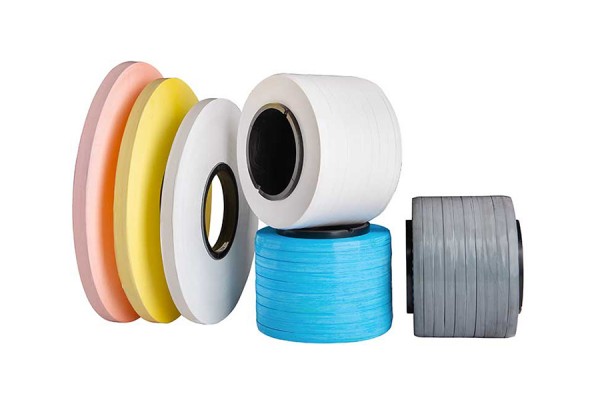
PTFE wrapping film features in a range of industrial solutions thanks to its properties. In aerospace, it is used for insulation and sealing, resisting high temperatures and chemicals. That durability supports safe operation in tough environments. In food processing, its non-stick characteristics keep food from sticking to belts and equipment, ensuring smooth operation and hygiene. In electronics, its dielectric properties improve component performance, especially in high-frequency applications such as telecommunications. Automotive uses include gaskets and seals, delivering long life under wear and heat. Its light weight helps energy efficiency by cutting weight without sacrificing strength. Overall, it supports a wide range of applications with reliability across conditions.
Durability of PTFE Wraps
Wraps made from PTFE stand up to tough conditions. They resist chemicals, handling exposure to corrosives without breaking down, which helps them last longer. Thermal stability keeps them performing across a broad temperature range, useful in hot processes. The non-stick surface reduces wear, extending their life. As manufacturers look for reliable options that cut maintenance costs, these wraps become a sensible choice. Durability protects equipment and supports consistent performance, important in aerospace and food processing where standards matter.
Benefits of PTFE Films
PTFE films offer several advantages in manufacturing. They resist chemicals, protecting components in harsh environments and cutting wear. That lessens replacements and downtime, saving money. Their non-stick features make them suitable where sticking would slow things down, like in food processing and electronics. They stay stable across a wide temperature range, useful in aerospace and automotive. Also, their light weight helps overall efficiency in design and manufacturing. On sustainability, durability translates to longer life cycles and less waste. These qualities make it a solid choice for many industrial applications, improving performance while meeting strict quality standards.
Sustainable manufacturing with PTFE
PTFE wrapping film supports sustainable manufacturing by lasting longer, reducing waste and replacements. Its durability extends product lifecycles, cutting waste and reducing replacements. It resists many chemicals, letting it stay in service longer without breaking down. That reduces the need for harsh cleaners and frequent replacements. It can also contribute to energy efficiency in manufacturing. Non-stick properties make cleaning easier and reduce the use of harsh chemicals. In medical and electronics contexts, it lowers resource use through better performance and reliability. Recyclability offers a path toward more sustainable practices as manufacturers seek to minimize their footprint. Using it in processes can improve efficiency while aligning with environmental goals. Its use aligns with rising industry standards for sustainability and lower ecological impact.
PTFE Wrapping Film Overview
PTFE wrapping film is known for its standout properties and suits many applications in modern manufacturing. It resists chemicals and stands up to harsh environments without breaking down. Low friction supports smooth movement, ideal for parts needing easy operation. Non-stick traits make it a good choice where sticking is a problem. Its thermal stability keeps it performing across a broad temperature range, important in many processes. The film can be tailored for electrical insulation or protective barriers where contamination is a concern. Manufacturers use these features to improve efficiency and reliability. In high-performance settings, it supports longevity and consistent operation, underscoring its role in modern manufacturing. This versatility makes it a key material in aerospace, electronics, and food processing.
Conclusion
PTFE wraps stand out in modern manufacturing, delivering clear benefits across sectors. Its combination of chemical resistance, heat tolerance, and non-stick surface supports efficiency and reliability. As firms pursue sustainable materials, durability helps cut waste and save resources. From aerospace to food processing, these films support innovation and meet strict quality standards. As industries evolve, this material will keep playing a role in streamlining processes and guarding product integrity.
Frequently asked questions
what is PTFE wrapping film used for?
PTFE wrapping film serves in insulation, sealing, and protection across sectors such as aerospace, food processing, and electronics.
Is PTFE wrapping film resistant to chemicals?
Yes, PTFE wrapping film has excellent chemical resistance, allowing it to withstand exposure to corrosive substances without degrading.
How does PTFE improve efficiency in manufacturing?
PTFE’s low friction and non-stick properties reduce wear on machinery and streamline processes, leading to higher efficiency and lower maintenance costs.
Can PTFE films be recycled?
PTFE films can be recycled, helping reduce waste and conserve resources.
What are the temperature limits for PTFE films?
These films perform across a broad temperature range, suitable for high-heat settings in various industrial contexts.