important Takeaways
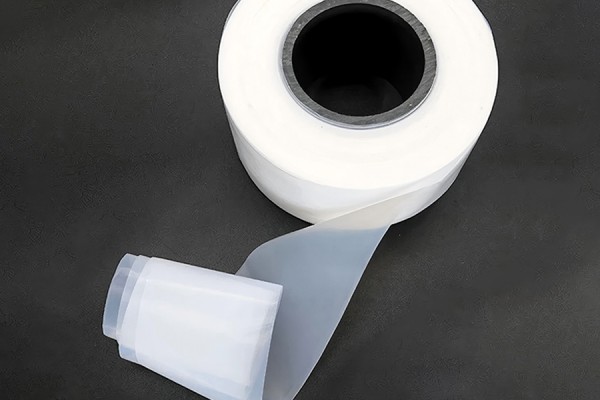
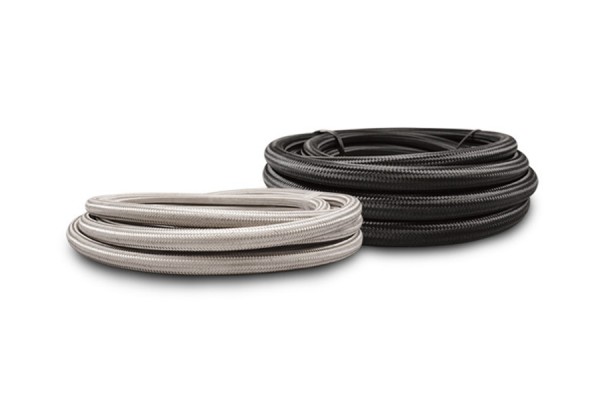
PTFE tape wrapping contributes to the reliability and efficiency of high-frequency applications. Its properties include a low dielectric constant, which helps maintain signal integrity and reduces loss, supporting data transmission in fields like telecommunications and aerospace. By shielding cables from environmental stressors such as temperature swings and chemical exposure, the wrap extends the life of electronic systems. It works across industries, handling complex geometries and strict standards without compromising performance. The material’s thermal stability helps prevent overheating in critical systems that need solid insulation. In short, using PTFE tape in cable design supports stronger performance as data demands rise.
PTFE Tape Benefits for Cables
PTFE tape wrapping offers solid insulation for high-speed lines, particularly in high-frequency work. Its low dielectric constant reduces signal loss, making it suitable for data transmission in demanding settings like telecom and aerospace. The wrapping film acts as strong insulation, shielding against temperature changes and electrical interference. Its chemical resistance helps protect cables from damage due to harsh substances. Coating techniques keep cables intact under extreme conditions. Advanced film formulations used in these products boost durability across applications. That helps keep signals clean over long runs, supporting faster data transfer. There are versatile options, including thread-seal tape variants and different film formulations, allowing manufacturers to meet a range of technical requirements without losing performance.

Optimizing high-Frequency Cables
High-frequency cables need careful handling to keep signal quality and minimize loss. PTFE tape offers excellent dielectric properties for these cases. Its low dielectric constant helps cut signal degradation, letting data travel farther with less loss.
PTFE tapes can boost data transfer speeds in demanding setups.
Its structure aids thermal stability, which matters where heat buildup can affect performance. Insulating high-frequency cables with PTFE tape helps prevent overheating and malfunctions. Its chemical inertness helps in harsh environments, protecting cables from corrosive substances. That durability can extend the life of critical systems in telecom and aerospace. As data needs rise, optimizing high-frequency cables with PTFE tape will be important for meeting performance goals.
The versatility of PTFE Tape
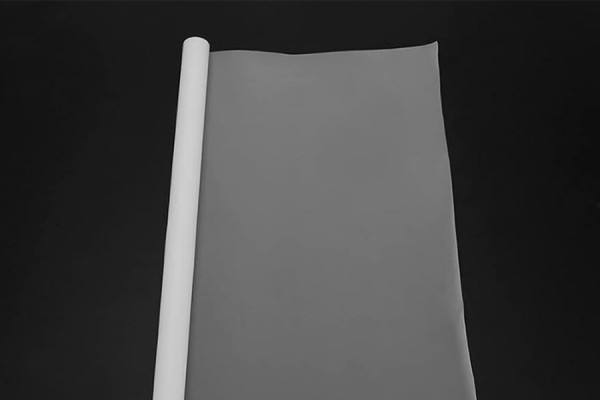
PTFE tape fits many uses due to its properties. It stands up to heat and chemicals, so it works beyond coaxial cables—in aerospace, automotive, and medical gear. In medical cabling, it offers a non-toxic barrier that survives sterilization without breaking down. In cars, it protects wiring from heat and chemicals in engine bays. It also has a low-friction surface that eases cable movement and reduces wear. That makes it useful in tight spaces without sacrificing performance.
Durability in Electrical Systems
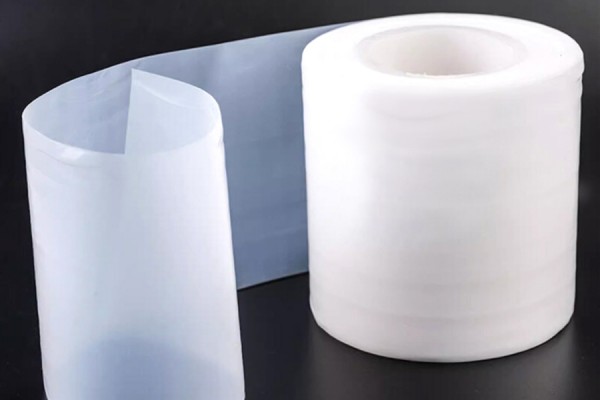
PTFE tape shows solid durability, protecting electrical systems under many conditions. It resists chemicals and stays stable from -150 to 260 degrees Celsius, good for harsh settings in aerospace and defense. It shields cables from damage, moisture, and corrosion in outdoor and industrial environments. That reliability can extend cable lifespans and cut maintenance costs. PTFE is non-toxic, which lowers risks during install and use. Together, these qualities support long-term integrity of high-frequency links. Across applications, it remains a reliable part of systems facing tough conditions.
Enhancing data transfer rates
PTFE tape improves data transfer rates in high-frequency work. Its low dielectric constant reduces signal loss, enabling more efficient transmission. This matters in settings that require fast data, like 5G networks. Its structure helps cut interference, so signals travel with less distortion. That supports clearer data transfer and better performance. Insulation helps keep signals stable during transmission, especially when things heat up. That leads to a dependable option for faster, stable data across devices.
Thermal resistance in PTFE Tape
PTFE tape handles heat well and works across a wide range of temperatures. From -150 to 260 C, it stays stable. That resilience matters where temperature swings affect performance and safety. On cables, it helps prevent overheating, lowering insulation breakdown risk and extending component life. Its ability to handle extreme temps without losing insulation makes it reliable for many high-frequency uses. Whether in aerospace or automotive work, it helps keep critical systems running in tough environments. All in all, its thermal stability helps keep data flowing and systems reliable.
PTFE Tape for Coaxial Insulation
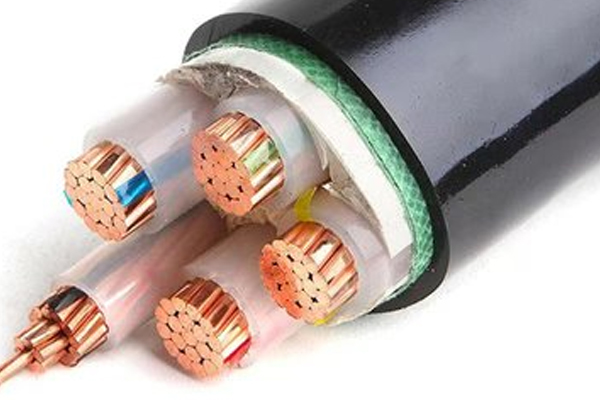
PTFE tape serves well as insulation for coaxial cables, tackling key concerns in high-frequency work. Its properties—low dielectric constant and strong thermal resistance—help keep signals from degrading. Non-toxicity and flame resistance add protection for tough environments. In aerospace and defense, it helps keep signals solid under temperature shifts. Its resistance to chemical corrosion also extends coaxial-cable life in harsh service. Using this tape for coaxial insulation can improve performance and durability while meeting standards.
main Features of PTFE Tape
PTFE tape shows several features suited to high-frequency needs. It insulates well and helps manage heat in electronics, keeping operation stable. Chemicals and moisture resistance help it last longer in harsh spots. It also has a low-friction surface that eases cable movement and reduces wear. Dielectric strength helps keep signals intact. Its flexibility lets it fit different cable shapes without losing performance. This versatility comes in handy in aerospace and defense where custom solutions are common. All together, these traits make PTFE tape a key part of modern electrical systems, supporting better communication and data transfer.
Conclusion
PTFE tape helps boost performance in electrical systems, especially at high frequencies. Its properties—low dielectric constant and strong thermal resistance—help maintain signal integrity and efficient transmission. By reducing signal loss and providing solid insulation, the tape supports modern communications. Its chemical resistance and temperature tolerance widen its uses in aerospace and telecom. As data transfer speeds rise, adding PTFE tape to cable design becomes important. That helps meet standards and keeps complex systems running. Those traits make PTFE tape a versatile choice for today’s high-frequency work.
FAQs
What is PTFE tape wrapping?
It is an insulating material used to boost cable performance, especially in high-frequency applications.
How does PTFE tape improve data transfer rates?
PTFE tape reduces signal loss due to its low dielectric constant.
What environments can benefit from PTFE tape?
PTFE tape is suitable for use in harsh environments such as aerospace, telecommunications, and automotive applications.
Is PTFE tape resistant to chemicals?
Yes, PTFE tape is chemically resistant and protects cables from harsh substances that could cause damage.
What temperature range can PTFE tape withstand?
PTFE tape can operate safely between -150 and 260 degrees Celsius, making it suitable for extreme conditions.