main Takeaways
PTFE film is truly a standout material within industrial applications, bringing significant advantages that boost performance and safety. Its remarkable chemical resistance makes it highly durable in extreme environments, protecting vital machinery from harsh substances. With its non-stick surface, PTFE film reduces friction, facilitating smoother operations in various applications such as high-speed transmission and food processing, where cleanliness is essential. The flexibility of this film allows for easy adaptation to numerous shapes, making it an for complex systems across industries. furthermore, PTFE film’s capability to endure a broad temperature range ensures reliable operation in demanding conditions encountered in sectors like aerospace and automotive. Ultimately, the unique properties of PTFE film contribute to improved manufacturing processes and performance outcomes, proving its value in modern industrial use.
important Benefits of PTFE Film
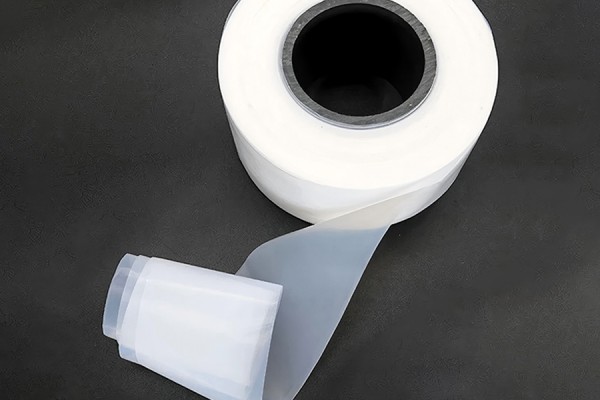
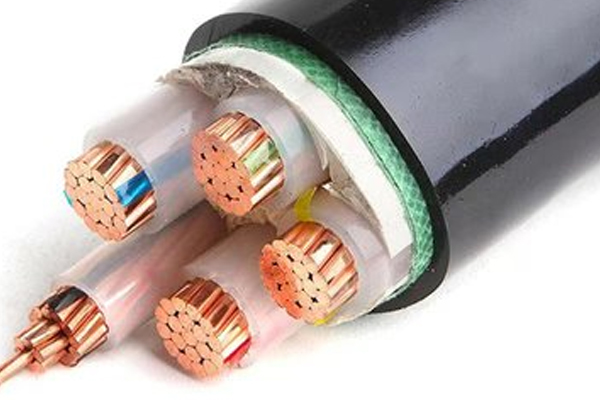
PTFE film offers several important advantages that make it highly sought after in various industrial applications. Its exceptional chemical resistance ensures durability in harsh environments, protecting components from corrosive substances. The non-stick properties of PTFE film reduce friction, making it an for high-speed transmission line PTFE wrapping tape and PTFE wrapping film applications. Flexibility is another important characteristic, enabling it to conform to different shapes and sizes, thus enhancing the usability across various industries. Furthermore, with its ability to withstand extreme temperatures from -200℃ to +260℃, PTFE film is perfect for environments requiring reliable performance under changing conditions. Industries like aerospace and food processing benefit from these traits, utilizing PTFE Thread Seal Tape and PTFE cable wrapping tape for sealing and protection of sensitive components. The unique properties of PTFE also facilitate efficient performance in high-speed communication solutions like DAC high-speed cable wrapping film and AEC high-speed cable wrapping film. Overall, these benefits stress the material’s growing importance across sectors that prioritize reliability and quality in their products.
Applications of PTFE Film
PTFE film is utilized across numerous industries due to its unique properties. In the aerospace sector, it’s employed for insulation and protective coverings, where its high thermal stability and chemical resistance are essential for equipment operating in harsh environments. Similarly, in the food processing industry, PTFE film’s non-stick qualities make it ideal for conveyor belts and cooking surfaces, ensuring hygiene and efficiency. Beyond these sectors, this versatile material finds use in electronics for insulating components and protecting sensitive surfaces from environmental damage. PTFE film also helps reduce friction in mechanical systems, promoting smoother operations in automotive applications. This adaptability stems from the material’s ability to function effectively under varying conditions, from extreme temperatures to corrosive elements, thereby increasing its demand across diverse fields.
Why choose PTFE Film?
Selecting PTFE film provides several advantages that make it an for various applications. Its excellent chemical resistance ensures durability in harsh environments, effectively protecting surfaces from degradation. The flexibility of PTFE film allows it to easily conform to different shapes and surfaces, making it suitable for a range of industrial uses. furthermore, its non-stick properties prevent adherence, facilitating easier cleaning and maintenance in environments such as food processing. The stability of PTFE across a wide temperature range, from -200℃ to +260℃, means that it can perform reliably in both extreme heat and cold. These features enable PTFE film to excel not only in aerospace and automotive sectors but also across electronics and industrial manufacturing. Its versatility supports new solutions tailored to meet specific industry needs, ensuring performance excellence when building or upgrading equipment.
Versatility of PTFE Film
PTFE film is a highly adaptable material that finds utility across diverse industries due to its important properties. Its chemical resistance allows it to withstand harsh environments, making it suitable for applications ranging from electrical insulation to protective coverings. The material’s flexibility enables it to conform to various shapes, enhancing its application in complex machinery and equipment. In aerospace, PTFE film is utilized for components that require thermal stability and resistance to extreme temperature fluctuations, ensuring safe operation. In food processing, its non-stick characteristics facilitate easy release and cleaning, promoting efficiency in production lines. Moreover, PTFE film acts as a reliable barrier in packaging applications, safeguarding contents against contamination and spoilage. This versatility makes PTFE film a useful choice for businesses looking to boost product performance while maintaining quality standards across multiple sectors.
PTFE Film in Aerospace
PTFE film offers significant advantages within the aerospace sector due to its exceptional thermal stability and chemical resistance. It can withstand extreme temperatures, making it suitable for components subjected to harsh environments, such as engine parts and thermal shields. The material’s low friction properties also contribute to improved performance in moving parts, which is important for the efficiency and longevity of aerospace systems. also, PTFE film provides reliable electrical insulation, protecting sensitive electronic components from potential damage. Its lightweight nature helps in reducing overall aircraft weight, contributing to fuel efficiency and enhanced performance. As aerospace manufacturers continue to innovate, the use of PTFE film not only helps meet strict industry standards but also supports advancements in safety and functionality of aircraft designs.
PTFE Film in Food Processing
PTFE film plays a vital role in food processing due to its chemical resistance and non-stick surface. This material ensures that equipment remains clean and free from contamination, which is important for maintaining hygiene standards in food production. Its flexibility allows for easy application in various configurations, including conveyor belts and oven linings, enhancing operational efficiency. PTFE film also withstands extreme temperatures, making it suitable for processes involving freezing and cooking without degrading or releasing harmful substances. also, using PTFE film can prolong the lifespan of machinery by reducing wear and tear, thus minimizing maintenance costs. Its versatility across food processing applications underscores its importance in promoting safety and quality within the industry.
Enhancing performance with PTFE Film
PTFE film significantly improves performance across various applications due to its unique properties. Its low friction surface reduces wear and tear in mechanical systems, leading to prolonged equipment life. The chemical resistance of PTFE film ensures it can withstand harsh environments, making it suitable for use in chemical processing facilities where corrosive substances are present. In the aerospace industry, PTFE film is essential for maintaining the integrity of components exposed to extreme temperatures and pressures. This flexibility not only aids in insulation but also enhances overall system reliability. In food processing, PTFE film’s non-stick characteristics allow for efficient product transfer and easy cleaning, thereby improving operational efficiency. Moreover, its lightweight nature contributes to reduced overall system weight without compromising strength or durability, which is vital in aerospace and automotive applications. By implementing PTFE film, industries can achieve more consistent performance and reduce downtime caused by maintenance or equipment failures.
PTFE Film’s Unique Properties
PTFE film is distinguished by its remarkable characteristics that set it apart from other materials. Its exceptional chemical resistance enables it to withstand harsh environments without degrading, making it a reliable choice for various industrial applications. The material’s low friction coefficient contributes to its non-stick surface, allowing for easy release and maintenance in processes that require clean operation. Flexibility is another important property; PTFE film can be easily manipulated into different shapes and sizes without losing performance integrity. furthermore, it exhibits excellent thermal stability, capable of functioning effectively across a wide temperature range from -200℃ to +260℃, with short-term tolerances beyond 300℃. These unique attributes make PTFE film ideal for critical applications in sectors such as aerospace and food processing, where safety and reliability are paramount. As industries seek new solutions, understanding these properties can inform better design choices and operational strategies.
Conclusion
the significance of PTFE film in industrial applications cannot be overstated. Its unique attributes, such as chemical resistance, flexibility, and non-stick properties, position it as an essential material across numerous sectors. The film’s ability to endure extreme temperatures enhances its compatibility with demanding environments like aerospace and food processing. Organizations benefit from using PTFE film by achieving higher efficiency and reliability in operations. furthermore, the growing range of applications demonstrates how industries leverage PTFE for new solutions that meet both safety standards and functional requirements. As businesses continue to evolve and seek more effective materials, PTFE film will remain a important player in advancing technology and improving product performance across various fields.
FAQs
What is PTFE film?
PTFE film is a versatile material made from polytetrafluoroethylene, known for its exceptional chemical resistance, flexibility, and non-stick properties.
What are the important advantages of using PTFE film?
The advantages include its durability in harsh environments, low friction surface that reduces wear, and ability to withstand extreme temperatures.
In which industries is PTFE film commonly used?
PTFE film is widely utilized in aerospace, food processing, electronics, and automotive industries due to its unique properties.
How does the flexibility of PTFE film benefit applications?
Its flexibility allows for easy adaptation to various shapes and sizes, improving the performance of equipment in complex industrial settings.
Can PTFE film withstand high temperatures?
Yes, PTFE film can endure temperatures ranging from -200℃ to +260℃ and briefly tolerate even higher temperatures without degrading.