main Takeaways
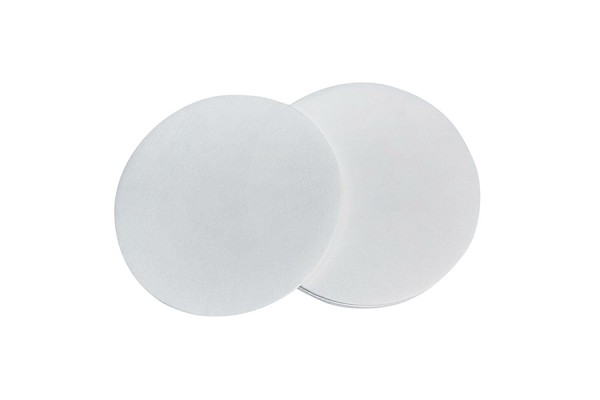
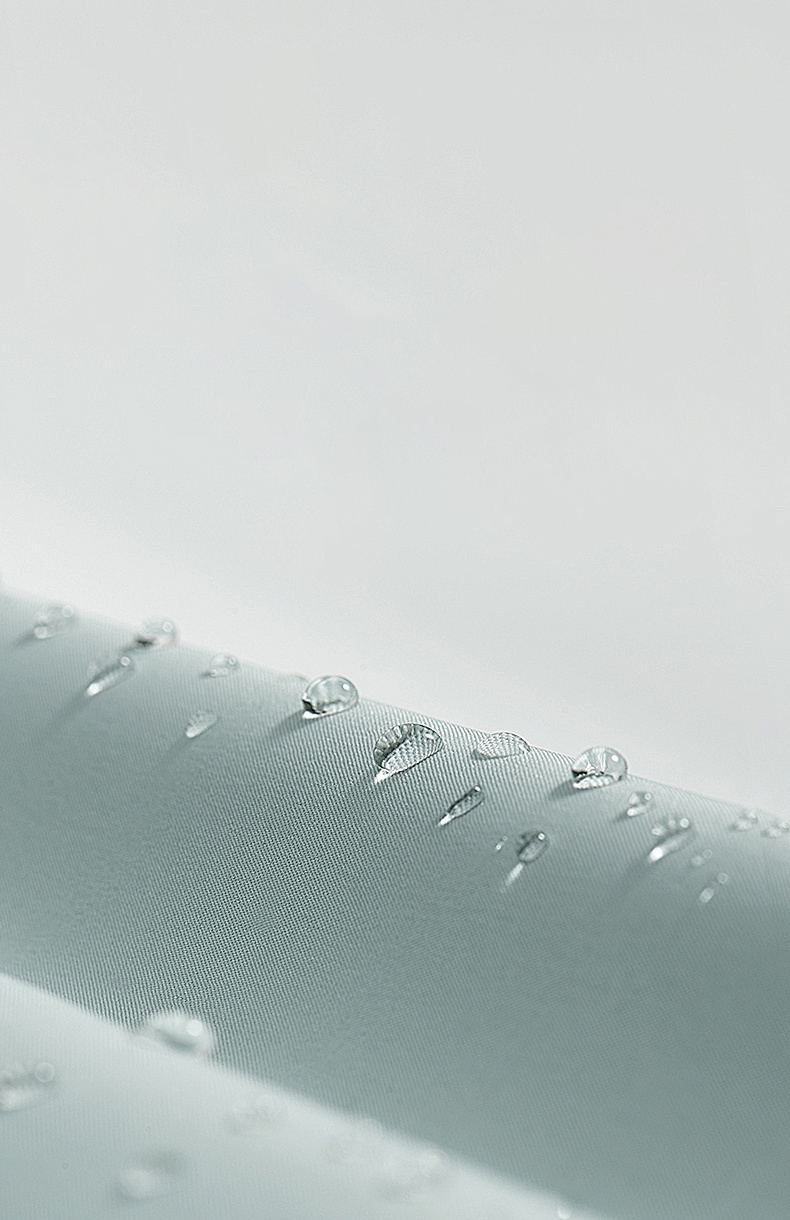
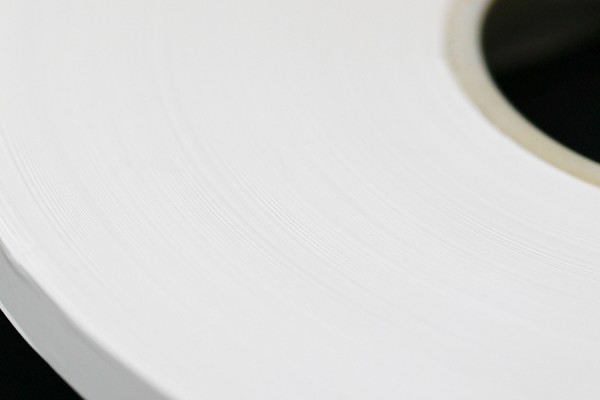
Polytetrafluoroethylene (PTFE) wrapping film stands out for its diverse applications driven by its unique properties. Its ability to resist harsh chemicals ensures durability, making it suitable for demanding environments across various industries, such as aerospace and automotive. The film’s excellent thermal stability allows it to excel in situations dealing with extreme temperatures, providing reliability where other materials may fail. Furthermore, the low-friction surface of PTFE wrapping film not only simplifies tasks like cleaning but also reduces mechanical wear during operations, thus enhancing efficiency. The combination of these features contributes to growing interest in PTFE wrapping film as a versatile material addressing critical operational needs. As industries increasingly focus on productivity and durability, the relevance of PTFE wrapping film will likely expand further, promoting innovations that will shape its future uses.
important Features of PTFE Film
Polytetrafluoroethylene (PTFE) film is recognized for its impressive attributes, making it invaluable in diverse applications. Its chemical resistance is a standout feature, enabling it to withstand exposure to harsh substances without degradation. This property is particularly beneficial in industries that require reliable sealing solutions, such as food processing and electronics. The low friction characteristic results in a non-stick surface ideal for various uses, including PTFE wrapping film and PTFE Thread Seal Tape, which are essential for ensuring tight seals and protecting sensitive components. Moreover, PTFE’s thermal stability allows it to perform effectively under extreme temperature conditions, which is significant for high-speed transmission line PTFE wrapping tape and DAC high-speed cable wrapping film applications. The versatility of this material extends to insulation purposes, where PTFE cable roll coating provides superior performance in electrical systems. The unique combination of these features contributes to the growing popularity of PTFE in modern industries like healthcare, renewable energy, and environmental filtration.
Industrial applications of PTFE
Polytetrafluoroethylene (PTFE) plays a significant role in several industrial sectors due to its remarkable properties. In the aerospace industry, PTFE is essential for producing lightweight components that resist extreme temperatures and harsh chemicals. Its thermal stability and low friction characteristics make it an for components such as seals and gaskets. Similarly, the automotive sector utilizes PTFE for fuel hoses, belts, and bearings, enhancing performance while ensuring longevity.
In the food processing industry, PTFE wrapping film is vital for preventing contamination during production and packaging processes. Its non-stick surface simplifies cleaning and maintenance while meeting strict safety regulations. furthermore, PTFE’s chemical resistance is critical in pharmaceutical manufacturing, where it is used in processing equipment to reduce corrosion from aggressive substances.
PTFE’s versatility extends into electrical applications as well. It is fundamental in insulating wires for electronics to ensure efficient performance even under diverse environmental conditions. Overall, the diverse applications of PTFE illustrate its importance across multiple industries where durability and reliability are paramount.
Benefits of PTFE Wrapping Film
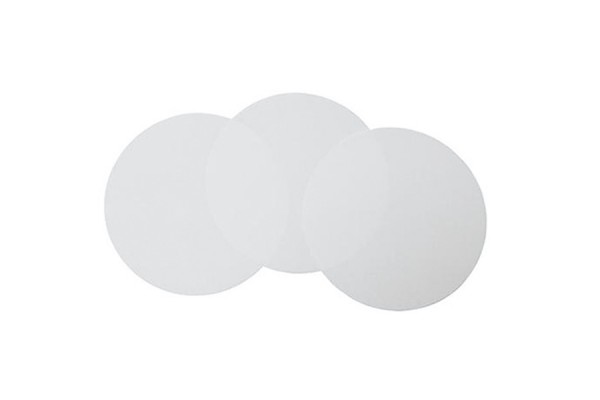
Polytetrafluoroethylene (PTFE) wrapping film offers several advantageous properties, making it a preferred choice in many industrial applications. Its chemical resistance ensures durability in harsh environments, preventing degradation from exposure to aggressive substances. This film maintains its integrity even under extreme temperatures, which is essential in applications that require thermal stability. furthermore, PTFE’s low-friction surface facilitates easy handling and reduces wear on machinery during operations. The non-stick nature of the wrapping film allows for easier cleaning and minimizes product waste in food processing settings. These characteristics not only improve efficiency but also improve product safety and longevity. Overall, PTFE wrapping film is not just effective; it provides significant operational advantages that support productivity across industries while addressing specific material needs efficiently.
Using PTFE for Insulation
Polytetrafluoroethylene (PTFE) is increasingly recognized for its outstanding insulation properties. This fluoropolymer exhibits significant thermal stability, making it suitable for high-temperature environments where conventional materials may fail. Its low dielectric loss ensures effective electrical insulation, which is essential in the electronics industry. PTFE is commonly used to insulate cables and wires, particularly in 5G and 6G applications where reliable transmission of signals is paramount. The material’s resistance to chemical corrosion enhances its role in various industrial settings. Moreover, its ability to withstand extreme temperatures without degrading further solidifies PTFE’s position as a preferred insulation material. By preventing energy loss and protecting sensitive components, PTFE significantly contributes to operational efficiency and safety across diverse applications.
Sealing solutions with PTFE
Polytetrafluoroethylene (PTFE) offers outstanding sealing solutions across various applications due to its exceptional chemical resistance and thermal stability. These properties make it an for sealing in demanding environments, where exposure to harsh chemicals and extreme temperatures is common. PTFE sealing materials include gaskets, seals, and tape, which can effectively prevent leaks in pipelines, valves, and machinery. The non-stick nature of PTFE also minimizes adhesion and wear, ensuring a longer lifespan for seals compared to traditional materials. In critical sectors such as aerospace and pharmaceuticals, where safety and reliability are paramount, PTFE’s ability to maintain integrity under pressure is invaluable. The versatility of PTFE also allows for customization in sizes and shapes to fit specific industrial needs. As businesses seek efficient solutions for preventing leaks and ensuring operational reliability, PTFE continues to emerge as a for original sealing technology in modern applications.
Protective coverings in Industry
Polytetrafluoroethylene (PTFE) wrapping film is a important player in providing protective coverings across various industrial applications. Its exceptional chemical resistance and thermal stability make it an for safeguarding sensitive components in harsh environments. Industries rely on PTFE wrapping film to cover wires, cables, and mechanical parts, ensuring they remain unblemished by corrosive substances or extreme temperatures. The film’s non-stick surface also simplifies maintenance and cleaning, which is essential in environments where cleanliness is paramount, like food processing and medical sectors. Furthermore, PTFE’s durability ensures that protective coverings can withstand wear and tear over time, reducing the need for frequent replacements. With ongoing advancements in PTFE technology, manufacturers continue to innovate applications that boost the effectiveness of protective coverings, contributing to increased safety and efficiency in industrial operations.
Advancements in PTFE Technology
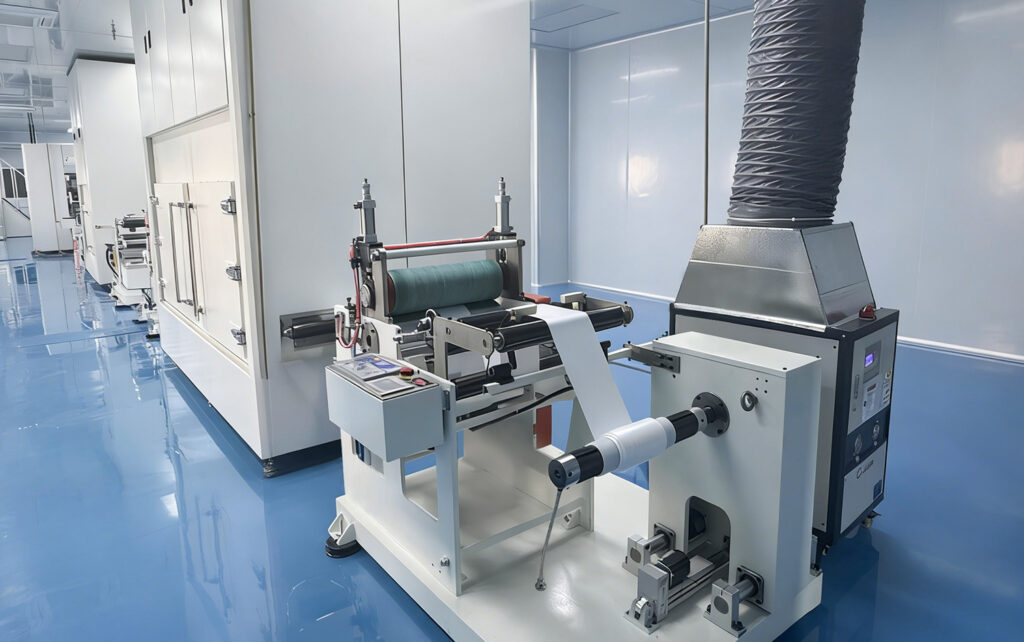
Recent developments in Polytetrafluoroethylene (PTFE) technology have significantly expanded its applications across various industries. Innovations in manufacturing processes have led to the creation of advanced PTFE films that are thinner, more flexible, and stronger than earlier versions. These enhancements allow for better performance in high-stress environments. furthermore, the introduction of modified PTFE variants has improved chemical resistance and thermal stability, catering to specific industrial needs. Enhanced surface treatments have also been developed to increase adhesion properties, facilitating easier bonding with other materials. Furthermore, there is growing interest in sustainable practices within the production of PTFE, with efforts focused on reducing environmental impacts during manufacturing. This evolving situation of PTFE technology not only highlights improvements in material performance but also reflects industry trends towards efficiency and sustainability.
PTFE Film in Filtration
Polytetrafluoroethylene (PTFE) film plays a vital role in filtration applications due to its unique properties. Its high chemical resistance allows it to endure harsh environments, making it ideal for filtering aggressive substances. PTFE films are widely used in air filters, liquid filtration, and even in medical applications where sterilization is important. The non-stick surface minimizes the buildup of contaminants, enhancing the efficiency and longevity of filtration systems. furthermore, expanded PTFE (ePTFE) film has a microporous structure that optimizes airflow while providing effective barrier properties. This makes it suitable not only for industrial settings but also for consumer products like breathable fabrics and high-performance outdoor gear. With ongoing advancements in PTFE technology, we can expect even broader applications in filtration, improving air quality and process efficiency across various sectors.
Conclusion
polytetrafluoroethylene (PTFE) wrapping film has established itself as a important material across various industries due to its unique combination of properties. Its chemical resistance allows it to function effectively in environments where many materials would fail, ensuring longevity and reliability. The film’s thermal stability makes it suitable for applications that involve extreme temperatures, further broadening its usability. As industries continue to evolve, the demand for efficient and durable materials like PTFE wrapping film is likely to rise. The ongoing advancements in PTFE technology also promise to boost its capabilities, supporting a wide range of applications from insulation and sealing to filtration. Overall, the versatility and performance of PTFE wrapping film play a significant role in promoting operational efficiency and safety across industrial sectors, making it an indispensable resource in contemporary manufacturing practices.
FAQs
What is Polytetrafluoroethylene (PTFE) wrapping film?
Polytetrafluoroethylene (PTFE) wrapping film is a versatile material known for its chemical resistance and thermal stability, widely used in various industrial applications.
What are the main benefits of using PTFE film?
The important benefits of PTFE film include its durability in harsh environments, easy cleaning due to its non-stick surface, and excellent performance in high-temperature applications.
In which industries is PTFE wrapping film commonly used?
PTFE wrapping film is commonly used in industries such as aerospace, automotive, food processing, pharmaceuticals, and electronics for insulation and sealing solutions.
How does PTFE compare to other materials for insulation?
PTFE offers superior thermal stability and low dielectric loss compared to traditional insulation materials, making it ideal for high-performance applications.
Can PTFE wrapping film be used in food processing?
Yes, PTFE wrapping film is suitable for food processing as it prevents contamination and ensures compliance with safety regulations while providing easy maintenance.
What advancements have been made in PTFE technology recently?
Recent advancements include the development of thinner and more flexible PTFE films with enhanced chemical resistance and improved adhesion properties for various applications.
How effective is PTFE film in filtration applications?
PTFE film is highly effective in filtration due to its ability to withstand harsh environments while providing excellent barrier properties against contaminants.
Is PTFE environmentally friendly?
There are ongoing efforts to make PTFE production more sustainable, focusing on reducing environmental impacts during manufacturing processes.