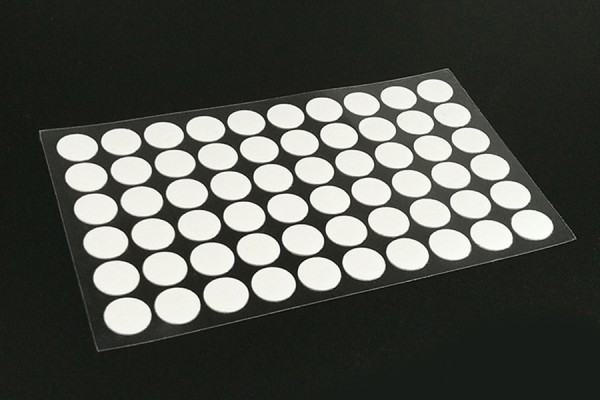
main Takeaways
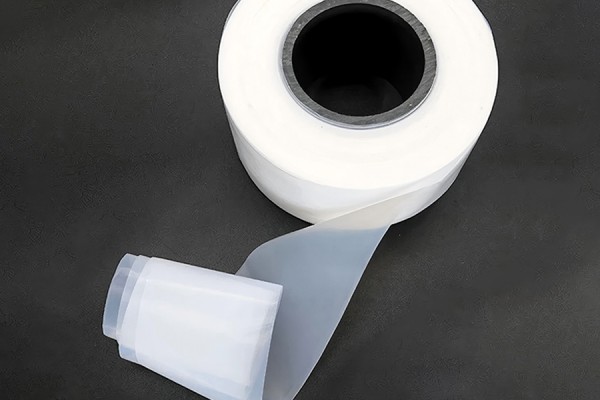
PTFE cable coil wrapping film is a key element for improving insulation and efficiency in many electronic applications. Its strong heat resistance lets it endure extreme temperatures, ensuring dependable performance even in tough conditions. The film reduces signal loss, helping preserve data integrity, especially in high-frequency environments like telecommunications and aerospace. Also, its waterproof and dustproof qualities shield cables from contaminants, extending their lifespan. Its versatility lets it find use across several sectors, including automotive and medical technology. By using this wrapping film, manufacturers can build more efficient electronic systems that are better prepared to meet current tech demands while lowering the risk of operational failures.
PTFE Film for Cable Wrapping
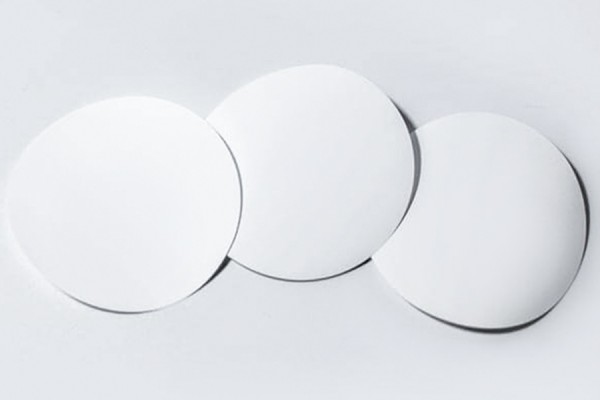
PTFE cable coil wrapping film is essential for boosting insulation across diverse electronic applications. Its distinctive attributes include high-temperature tolerance and strong dielectric strength, making it particularly effective for high-speed transmission lines. The film’s low dielectric constant reduces signal loss, a crucial factor in maintaining data integrity in high-frequency contexts. Also, it provides impressive weatherproofing that guards against moisture and dust ingress. Using materials like DAC high-speed cable wrapping film and AEC high-speed cable wrapping film helps achieve peak performance in demanding conditions, serving sectors such as telecommunications and aerospace. The application of PTFE wrapping film not only enhances device efficiency but also prolongs their life by shielding them from environmental stresses. In short, this versatile material serves as both an insulator and a safeguard for modern electronics, promoting reliability and performance.
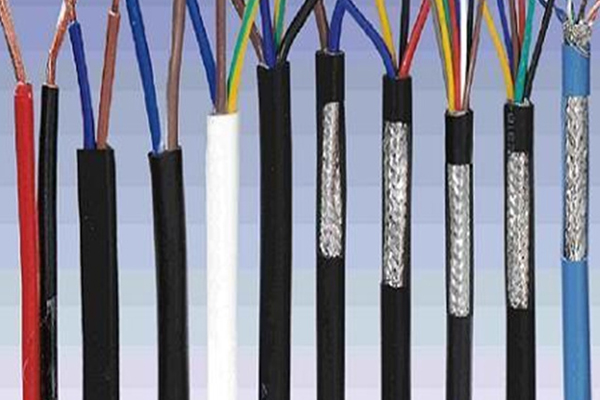
Enhancing cable insulation
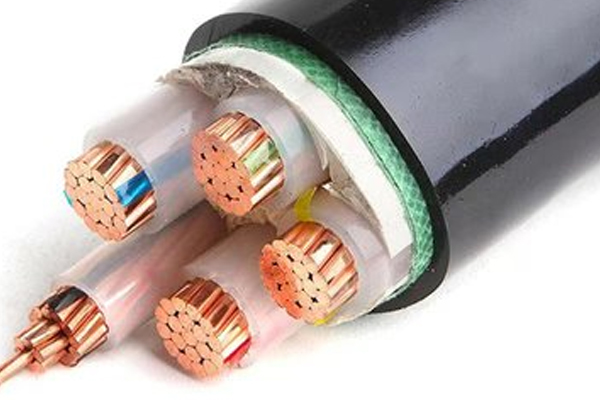
this topic plays a key role in boosting the insulation of electronic cables. Its distinctive traits, such as strong heat resistance and excellent electrical insulation capabilities, ensure dependable performance in harsh settings. The film shields cables from elements like moisture, dust, and chemicals, preserving the integrity of the transmitted electrical signals. With a low dielectric constant, PTFE reduces energy loss during signal transmission, a key factor for high-speed applications such as 5G communications and aerospace technologies. Its durability further protects wire integrity, lowering the chance of failures during use. Also, PTFE’s compatibility with diverse cable types broadens its applicability across sectors. Using this advanced insulation material, manufacturers can focus on creating more efficient and reliable electronic systems that meet the evolving demands of modern technology.
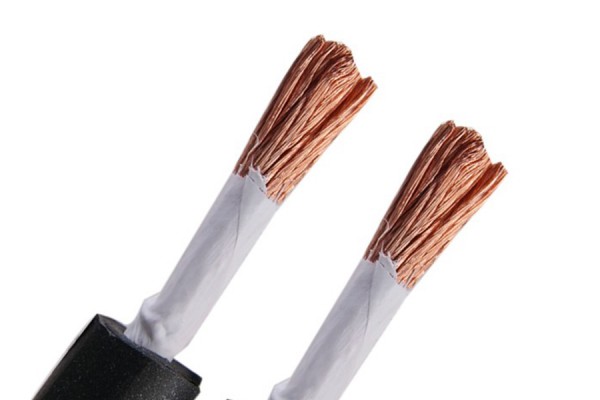
Versatile PTFE Applications
PTFE wrap film is widely recognized for its adaptability across various industries. Its strong heat resistance lets it perform reliably in extreme environments, making it suitable for aerospace, automotive, and high-speed communications. In telecom, this film helps preserve signal integrity, especially for RF and microwave cables. Also, it serves in medical devices where reliable insulation is non-negotiable due to strict safety standards. The waterproof properties of ePTFE make it an excellent choice for electronics exposed to moisture, protecting sensitive components from damage. This flexibility highlights the material’s key role in improving operational efficiency across multiple sectors, showing its relevance in modern technological applications. By providing robust insulation and guarding against environmental hazards, this content continues to be an essential component for maintaining optimal performance in electronic systems.
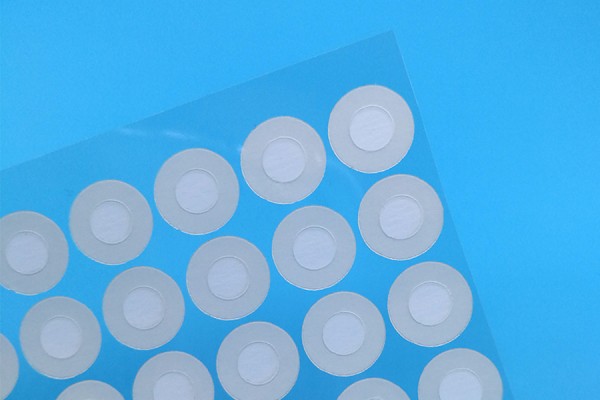
High-Speed Signal Protection
PTFE wrapping film remains crucial for defending high-speed signals across a range of electronic applications. Its low dielectric constant and low loss help minimize signal degradation, essential for high-frequency transmissions. In settings where data integrity matters most, like 5G and the coming 6G networks, the film preserves clarity and cuts noise, boosting overall communication performance. Its features not only protect against electromagnetic interference but also lift performance in challenging contexts such as aerospace and automotive work. The film’s ability to shield sensitive signals translates to quicker data transfers, increasingly essential in our connected era. By using this wrap film, producers can improve product reliability and longevity while meeting rising demands for efficient, seamless connectivity.
Efficiency in Electronics
PTFE wrap film enhances the efficiency of electronic components. Its strong heat resistance enables devices to run at elevated temperatures without sacrificing performance. This matters in contexts requiring fast signal transmission, like 5G networks and high-frequency wiring. Its low dielectric constant reduces signal loss, keeping data intact over long distances. Also, its unique properties help shield against EMI, vital for preserving signal integrity in densely packed electronics. As technology evolves, the need for efficient and dependable insulation grows, making PTFE wrap film a key choice for manufacturers aiming to enhance product quality and meet performance expectations across sectors.
Weatherproof cable solutions
PTFE wrap film is designed to offer strong protection against harsh environmental conditions. Its inherent waterproof and dustproof traits effectively block contaminants that could hamper electrical performance. Its microporous structure enables breathability, balancing internal and external pressures without compromising component integrity. This becomes crucial for cables deployed outdoors or in industrial settings where moisture, dirt, and oil are common exposures. Also, PTFE’s resilience under high temperatures ensures cables keep their insulating properties even in extreme weather. Using this wrapping film, producers can guarantee durability and long-term performance of cables across multiple uses, including automotive harnesses and communication networks. This versatility makes PTFE an indispensable material for ensuring reliability in devices facing tough environments.
Optimal performance materials
PTFE wrap film is recognized for its strong properties that suit demanding electronic applications. Its high heat resistance lets it perform across a broad temperature span, making it a leading option in environments with extreme heat or cold. Its low friction traits ease installation and reduce wear on wires, extending the overall life of electronic components. Also, its strong resistance to chemicals and environmental factors helps cables keep performance in tough conditions, like moisture or exposure to harsh substances. This versatility broadens its applicability across sectors, including telecommunications and automotive fields. Manufacturers value how PTFE films cut signal loss during high-frequency transmissions while also offering solid protection against EMI. These qualities render PTFE an invaluable material for those seeking to maximize efficiency and reliability in electronic applications.
Resilient wire insulation
PTFE wrap film provides exceptional wire insulation across diverse applications, ensuring reliability even in tough situations. This material offers strong resistance to extreme temperatures, from -150°C to 260°C, which is crucial for many high-performance settings. Its durability and resilience shield wires from chemical exposure, moisture, and physical wear, making it suitable for fields like aerospace and medical technology where precision matters. Its low friction properties not only boost performance of high-speed data transmission but also cut wear on wires during movement or vibration. Also, the unique ePTFE structure helps block contaminants while permitting needed breathability, making it valuable in settings exposed to dust and liquids. With these attributes, PTFE wrap film significantly improves the safety and longevity of wire insulation across many electronic applications.
Conclusion
PTFE wrap film remains essential for boosting the efficiency and reliability of electronic systems. Its blend of heat resistance and strong insulation lets it perform under tough conditions, protecting cables from environmental factors that might hinder function. In particular, its low dielectric constant reduces signal loss, making it a key component for high-speed applications. Additionally, waterproof and dustproof qualities ensure durability across sectors, including telecom and aerospace. Using PTFE as a wrapping solution lets manufacturers improve overall longevity and performance while meeting the stringent demands of modern tech. Choosing PTFE wrap film directly supports safer, more efficient electronics that meet growing user expectations in today’s fast-changing landscape.
FAQs
What is PTFE wrap film for cable coils?
PTFE wrap film for cable coils is a specialized material aimed at improving insulation and protection of electrical wires across different uses.
How does PTFE film enhance insulation?
PTFE film delivers strong dielectric strength and heat resistance, reducing energy loss and shielding cables from moisture and dust.
What are the primary uses of PTFE wrapping film?
PTFE wrapping film is employed across telecommunications, aerospace, automotive, and medical devices because of its versatility and solid insulation.
Can PTFE film endure high temperatures?
Yes, it performs well across extreme temperatures from -150°C to 260°C, suitable for demanding settings.
Is PTFE wrap film effective against electromagnetic interference?
Indeed. PTFE’s low dielectric constant reduces signal degradation, ensuring clear data transmission while shielding against EMI.
How does using PTFE boost efficiency in electronic systems?
PTFE improves system efficiency by reducing signal loss during data transmission and delivering reliable insulation that lengthens the lifespan of electronic components.