Key takeaways
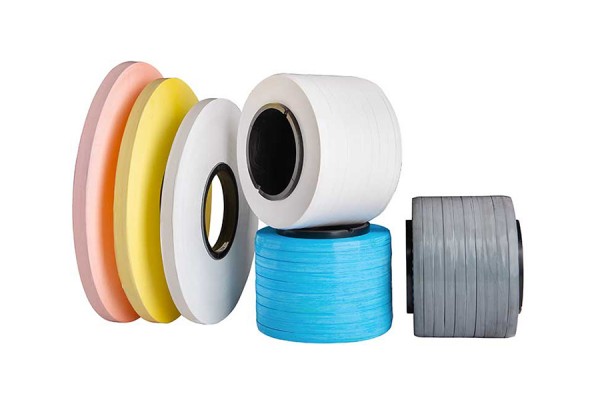
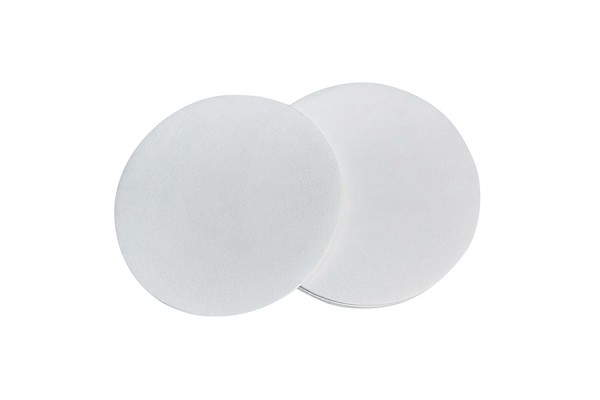
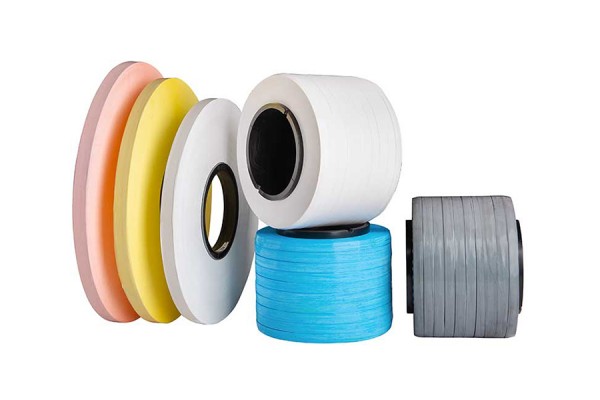
PTFE-based high-speed cable film plays a key role in the evolution of modern electronics, delivering several benefits that are essential for today’s demanding applications. Its strong thermal insulation safeguards components from heat-induced failures, a critical factor in fields like aerospace and automotive. Its remarkable wear resistance markedly lengthens cable life, especially where rubbing or movement risks wear. Moreover, its pliability and light weight ease handling and installation, suitable for diverse uses. PTFE’s low dielectric constant improves signal transmission efficiency, becoming more important as devices demand faster data exchange. Also, advances in manufacturing methods keep boosting the consistency and performance of these films. Taken together, these traits position the material as a preferred option for manufacturers pursuing dependable and efficient solutions for advanced electronic systems.
Key benefits of PTFE Cable Film
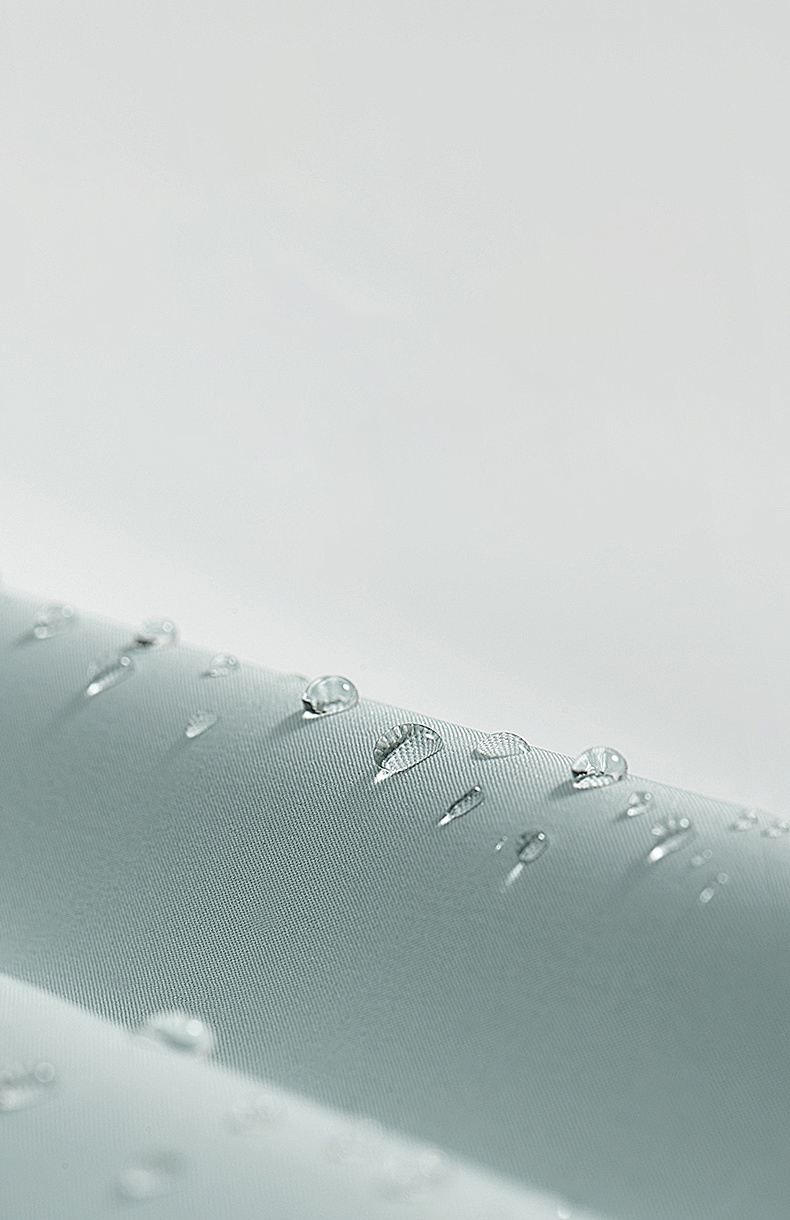
PTFE-based fast-data cable film provides several major benefits that make it indispensable in contemporary electronics. First, it offers superb thermal insulation, allowing it to function well in hot environments. This strong resistance to heat translates to greater durability and reliability for electronic components. Second, the wrapfilm exhibits exceptional wear resistance, ensuring longevity even under demanding conditions cables endure. Mechanical flexibility is another key benefit; the film maintains integrity during processing, enabling straightforward installation across different uses. Moreover, its low dielectric constant aids efficient signal transmission, especially useful for high‑speed lines in sensitive communications. Its light weight further boosts practicality without sacrificing strength or performance. Together, these advantages make the material a standout choice in aerospace, automotive, and communications sectors for protective coatings and insulation layers, notably enhancing the reliability of wiring systems in tough environments.
Applications of PTFE in Electronics
PTFE-based high-speed cable film finds broad use across electronic applications thanks to its distinctive properties. It acts as a key insulation layer for high-temperature electrical conductors, ensuring reliability in demanding environments. The film is particularly effective in aerospace and automotive wire harnesses, where heat and EMI are common. Its notable corrosion resistance makes it suitable for chemical plants and marine settings, where exposure to harsh substances is unavoidable. Additionally, PTFE cable film is widely used in RF cables and microwave communication lines. These applications benefit from its low dielectric constant, which improves signal integrity and reduces attenuation during transmission. Users also apply PTFE-based high-speed cable film in 5G base station cables, leveraging its ability to maintain performance under high-frequency conditions. Overall, the versatility of this material enables it to meet the stringent demands of modern electronics effectively.
Understanding PTFE Thermal Insulation
PTFE-based high-speed cable film is noted for its superior thermal insulation, making it fit for demanding environments. The material effectively restricts heat transfer, crucial for shielding sensitive electronics from overheating. Its low thermal conductivity boosts performance in high-temperature contexts, letting the film maintain stability and dependability under extreme conditions. This trait suits industries with frequent temperature swings, like aerospace and automotive. Additionally, its capacity to endure -200°C to +260°C ensures it can cope with assorted operating scenarios without breaking down. This heat stability not only extends the life of insulation but also enhances safety by lowering the chance of heat-related failures. As electronics demand stronger insulation solutions, the role of this film in boosting performance through effective thermal insulation cannot be overstated. Its use in high-speed data transmission further emphasizes its value in protecting against thermal inefficiencies.
Abrasion resistance in Cable Films
Wear resistance is a defining trait of PTFE-based high-speed cable film, enabling it to withstand harsh environments where wear is common. This quality is essential for extending cable life and reliability, particularly when exposed to rubbing or mechanical strains. The unique molecular makeup of PTFE underpins its durability, creating a sturdy shield against damage. In electronics, where cables traverse tight spaces or move, this film keeps its integrity over time, lowering the risk of signal degradation or failures. Additionally, improved wear resistance reduces the frequency of replacements, delivering long-term cost savings. As devices evolve and seek more efficient materials, the strong wear resistance of these films makes them a strong option for manufacturers pursuing dependable solutions in high-performance environments.

High-Temperature Performance of PTFE
This PTFE-based film demonstrates excellent endurance at elevated temperatures, making it suitable for demanding applications. It stays stable across wide temperature spans, operating effectively from -200°C to +260°C. Remarkably, it can withstand brief exposures above 300°C without breaking down. This resilience is crucial for electronics operating in harsh settings with temperature swings. PTFE’s thermal traits support dependable insulation and signal fidelity, since its low thermal expansion limits deformation under heat. Moreover, that capability supports use in aerospace and automotive contexts where performance and safety matter. High-temperature stability also adds to its chemical inertness and flame resistance, broadening its use in sectors like metallurgy and chemical processing. By guaranteeing reliable function at higher temperatures, this film remains a key component in modern electronic solutions.
Signal transmission efficiency with PTFE
PTFE-based fast-data cable film greatly enhances signal transmission efficiency across several applications. Its low dielectric constant minimizes signal loss, making it well-suited for high-frequency communications. This trait is especially important where data integrity matters, like 5G networks and microwave links. The stable characteristics of this material support reliable performance even in harsh conditions, keeping signals clear and steady. As devices require higher data rates and stronger performance, this film’s capacity to keep attenuation low is vital for effective signal propagation. Durable insulation crafted from this material not only shields wiring from environmental factors but also boosts overall system efficiency by enabling rapid data transfer with minimal distortion. Therefore, incorporating this film is central to achieving peak performance in contemporary electronics.
Evaluating quality of Cable Films
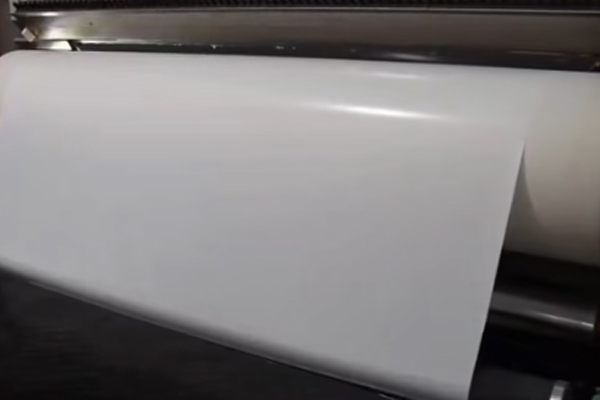
Quality assessment for this film can rely on several core metrics. A key metric is the thermal expansion coefficient, showing how the material expands or contracts with temperature shifts. A low coefficient is desirable for stability in hot environments. Also, the film’s structural integrity, such as tensile strength and overall construction quality, heavily influences performance in tough settings. Temperature resistance also warrants careful appraisal; high-grade films should keep their properties across a broad temperature span. Thickness matters as well; thinner films may provide greater flexibility without sacrificing insulation strength. Shielding performance should not be neglected; effective EMI shielding reduces interference and boosts transmission efficiency. Low attenuation is essential for preserving signal integrity during transmission, making it a key quality metric. By examining these aspects, manufacturers can gauge how well this film performs in modern electronics.
Innovations in High-Speed Cable Technology
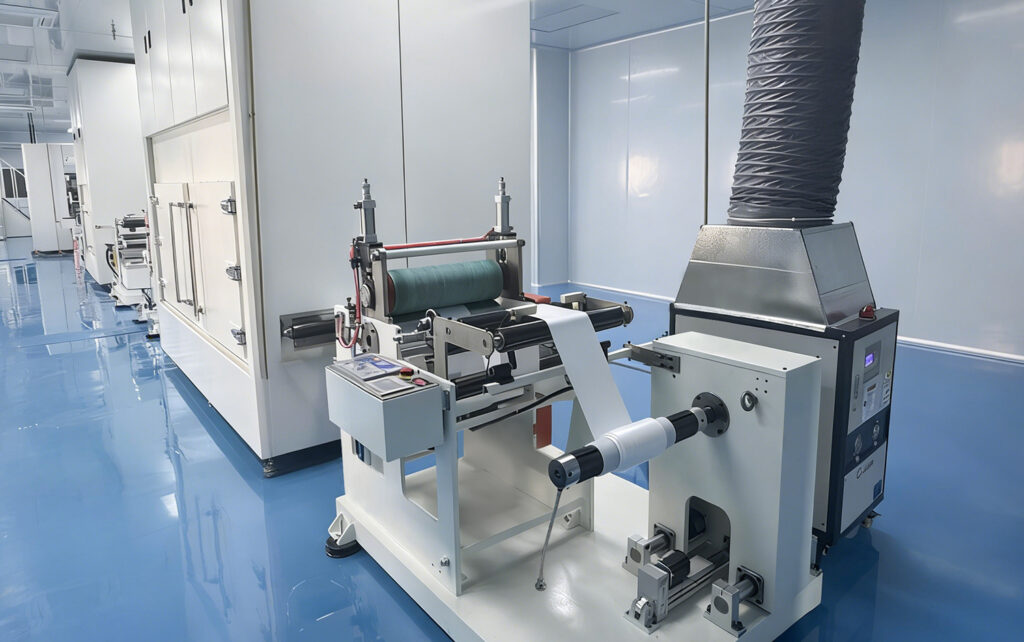
Recent strides in high-speed cable tech are yielding meaningful gains in performance and application flexibility. By targeting lighter, more efficient materials, producers are crafting cables that better satisfy the needs of contemporary electronics. The use of this PTFE-based film has proven transformative, pairing strong thermal insulation with greater flexibility and durability. Innovations feature improved production methods that cut costs while boosting consistency in thickness and shielding performance. Also, new layering and composite approaches enhance signal integrity, cutting attenuation in transmission. A focus on sustainability has driven greener PTFE manufacturing, making these cables both high-performing and more responsible. As tech advances, these innovations will keep transforming high-speed communication, delivering faster and more reliable systems across various electronics applications.
Conclusion
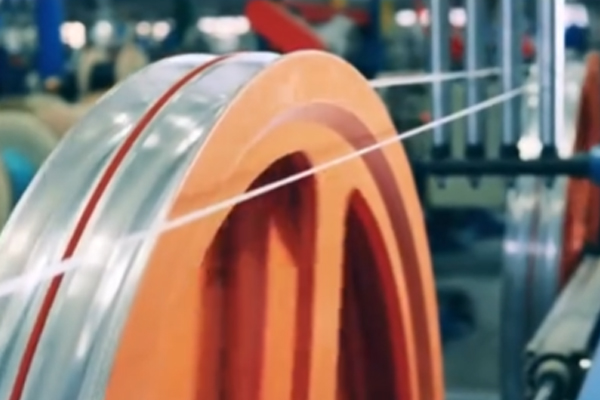
This PTFE-based high-speed cable film is becoming increasingly vital in modern electronics because of its unique properties and performance gains. Its solid thermal insulation and wear resistance boost component durability and ensure reliable operation under high temperatures and tough conditions. As industries evolve, embedding this film into high-speed transmission lines is key to preserving signal integrity and efficiency. Moreover, ongoing innovations drive advances, enhancing the flexibility and sustainability of cable solutions. Quality assessment remains important, since metrics such as thermal expansion and structural integrity directly affect performance. Thus, this material remains a crucial choice that addresses the demanding challenges of modern electronics while backing the rising need for high-performance solutions across multiple sectors.
FAQs
What is this PTFE-based fast-data cable film?
PTFE-based fast-data cable film is a specialized insulation material for electronic cables, boosting thermal insulation, wear resistance, and signal transmission efficiency.
What environments suit this cable film?
This film suits high-temperature and harsh settings, like aerospace and automotive sectors, and chemical processing applications where temperature and corrosion resistance matter.
How does this material improve signal transmission?
It has a low dielectric constant that lowers signal loss and steadies integrity during high-frequency links, especially useful in 5G networks and microwave communications.
What are the main advantages of using this cable film?
Key benefits include superb thermal insulation, exceptional wear resistance, mechanical flexibility for straightforward installation, light weight without sacrificing performance, and effective shielding against EMI.
How is the quality of these films assessed?
Quality is assessed using metrics like the thermal expansion coefficient, tensile strength, temperature resistance across a broad range, thickness for flexibility, shielding performance to cut interference, and low attenuation rates for signal integrity.