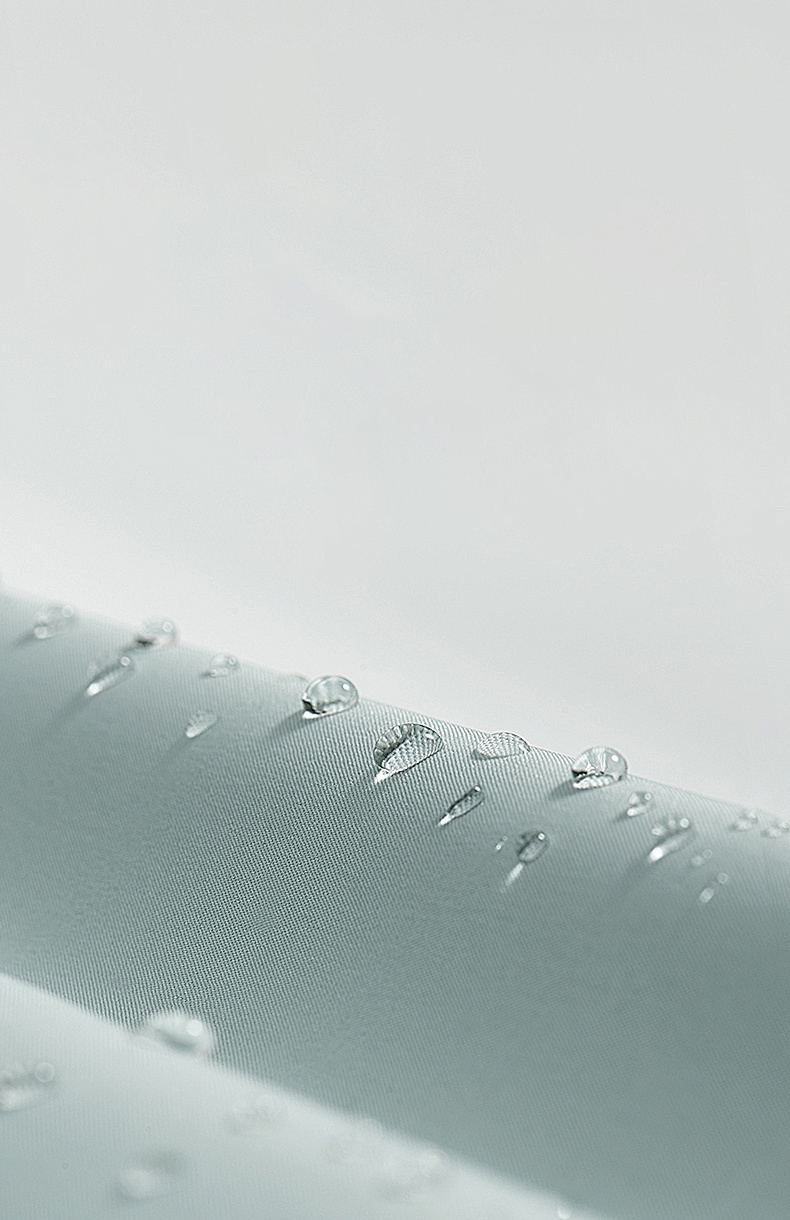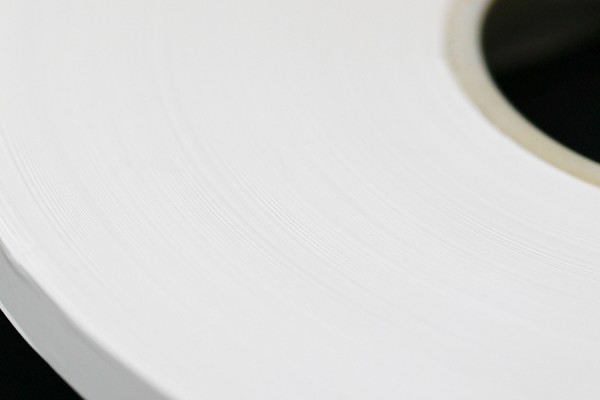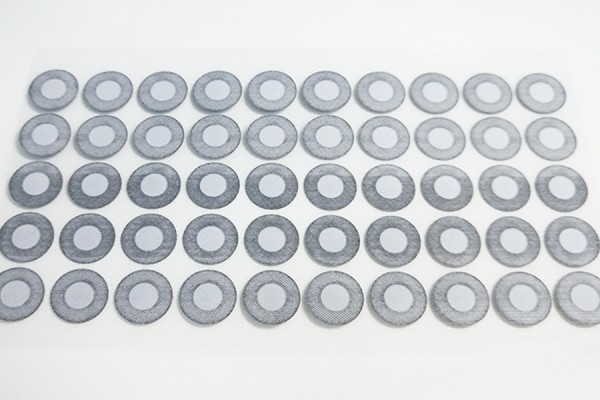
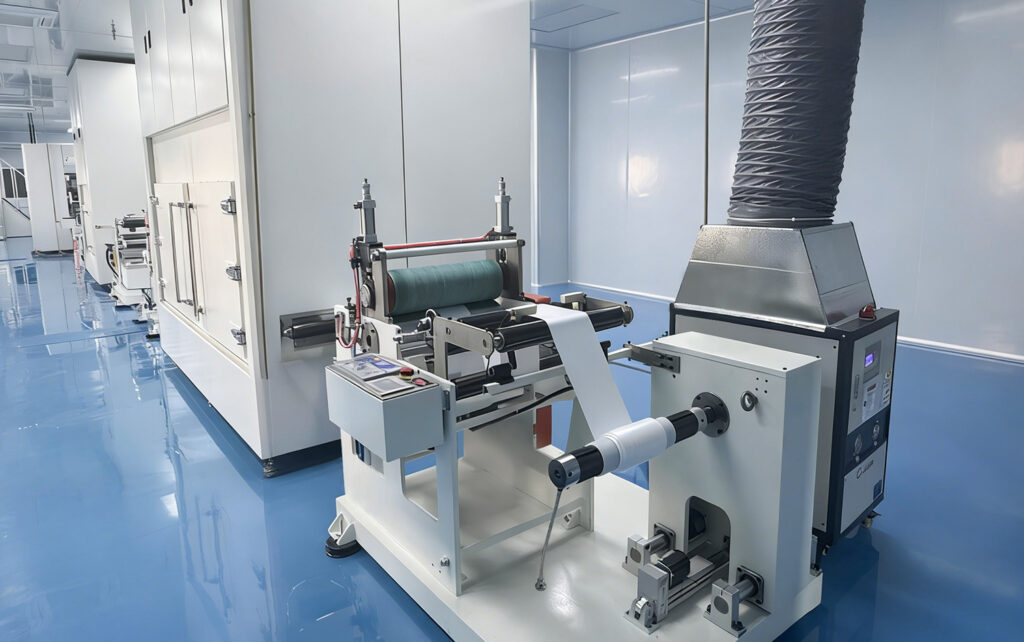

PTFE film demonstrates remarkable advantages that make it indispensable across various industrial sectors. Its unique combination of flexibility and electrical insulation enables seamless integration into complex designs, assuring performance under challenging conditions. In aerospace, medical technology, and electronics, PTFE film contributes to enhancing reliability by preventing signal loss and protecting sensitive components from environmental factors. Additionally, its non-stick surface is vital in food processing, where maintaining hygiene and facilitating easy cleaning are essential. The ability of PTFE film to perform consistently in extreme temperatures and adverse environments underscores its increasing relevance in advancing industrial applications. As industries continue to embrace innovative technologies, PTFE film’s role is expected to grow, solidifying its position as a key material for high-performance solutions.
Key Features of PTFE Film: Flexibility and Electrical Insulation
PTFE film is renowned for its impressive flexibility and excellent electrical insulation properties, making it a crucial material in various high-performance applications. Its distinctive characteristics allow it to operate effectively in demanding environments, particularly where high-speed transmission lines are involved. The film’s ability to withstand extreme temperatures and harsh chemicals ensures reliability in sectors such as aerospace and electronics. Additionally, its utility extends to products like PTFE cable wrapping tape, which enhances electrical performance and protection for sensitive components. The versatility of PTFE wrapping film also supports applications such as DAC high-speed cable wrapping film and AEC high-speed cable wrapping film, delivering superior insulation with minimal thickness. These features reinforce PTFE film’s importance in maintaining optimal functionality across advanced industrial uses.
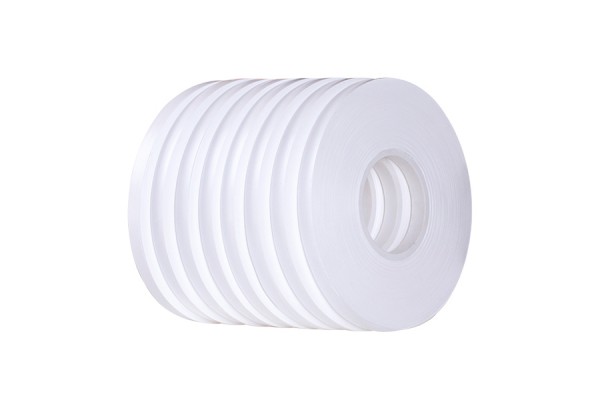
Industrial Applications of PTFE Film in Aerospace and Electronics
PTFE film has become essential in the aerospace and electronics industries, thanks to its unique properties. This material is widely utilized for its flexibility and excellent electrical insulation capabilities. For instance, PTFE wrapping film is often employed in the production of AOC high-speed cable wrapping film, ensuring that critical electrical components are protected from moisture and corrosion. Similarly, ACC high-speed cable wrapping film utilizes PTFE to enhance durability while maintaining performance under challenging conditions.
In aerospace, the lightweight nature and thermal stability of PTFE film contribute to improved fuel efficiency and safety in aircraft design. In electronics, it helps mitigate signal loss by providing superior insulation that withstands high temperatures.
"Utilizing advanced materials like PTFE film can significantly enhance the reliability of electronic components."
The ability to perform in extreme environments makes PTFE film a preferred choice across these high-performance sectors. As industries continue to evolve, the demand for such specialized films is expected to grow, further embedding PTFE into critical applications.
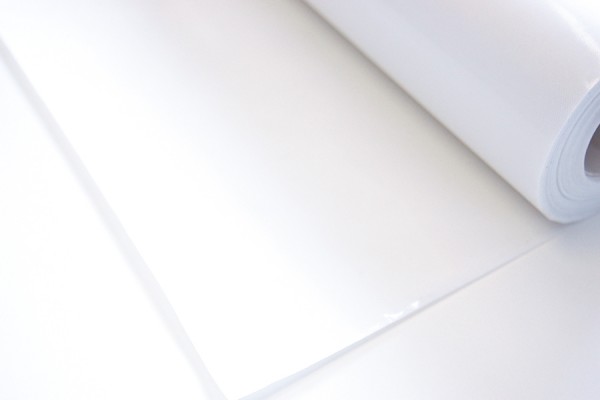
The Role of PTFE Film in Food Processing Operations
PTFE film plays a critical role in food processing due to its unique properties that meet stringent safety and performance standards. Its non-stick surface facilitates easy release from molds and packaging, making it ideal for various applications in the sector. The film’s excellent chemical resistance ensures that it can withstand harsh cleaning agents commonly used in food production environments, maintaining hygiene and safety. Additionally, PTFE film acts as a reliable electrical insulator in equipment designed for food processing, reducing the risk of shocks during operation. In conjunction with PTFE cable wrapping tape, which provides robust protection for electrical components, manufacturers can achieve enhanced efficiency and reliability in processes such as cooking, freezing, and packaging. Its flexibility allows for seamless integration into diverse machinery, proving indispensable for maintaining optimal operational standards in food processing facilities.
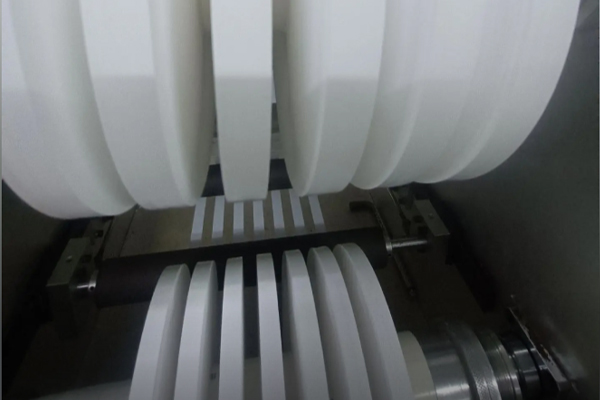
Advantages of Using PTFE Film in High-Performance Environments
PTFE film offers several advantages that make it invaluable in high-performance environments. Its inherent flexibility allows for easy application in various configurations, ensuring tight seals and efficient insulation. This feature is particularly beneficial in industries like aerospace and electronics, where reliability is paramount. Additionally, PTFE film boasts excellent electrical insulation properties, making it ideal for use as AEC high-speed cable wrapping film. With its ability to perform under demanding conditions, including high speeds and frequencies, PTFE film is also recognized as a premier choice for high-speed and high-frequency cable wrapping film applications. These characteristics contribute to minimizing signal loss and enhancing overall electrical performance, ensuring that equipment operates efficiently and effectively even in the most challenging environments.
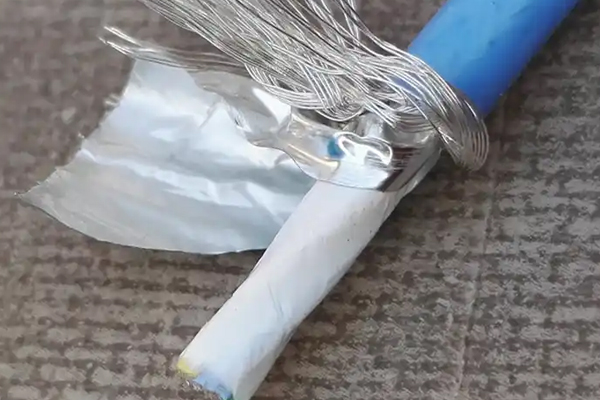
Understanding the Electrical Performance of PTFE Film
PTFE film exhibits outstanding electrical performance due to its high dielectric strength and low dissipation factor. This makes it an excellent choice for applications requiring reliable insulation. The film’s non-stick surface prevents dust and contaminants from accumulating, further enhancing its insulating properties. Additionally, PTFE film remains stable in a wide range of temperatures, enabling consistent performance in various environments, including low and high voltage situations. Its flexibility allows for easy handling and installation in complex configurations, making it a preferred material for guiding wires and cables. As industries increasingly prioritize efficiency and reliability, the electrical attributes of PTFE film position it as a critical component in the development of advanced technologies.
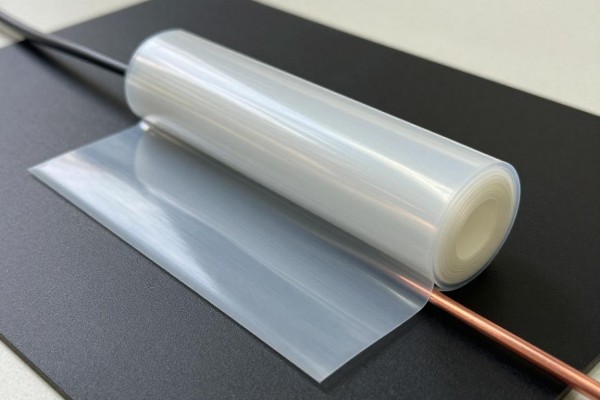
PTFE Film: A Solution for Advanced Industrial Applications
PTFE film stands out in advanced industrial applications due to its remarkable flexibility and excellent electrical insulation properties. This film is essential in diverse sectors, particularly in aerospace and electronics, where it facilitates high performance and reliability. The lightweight yet durable nature of PTFE film ensures that it can withstand harsh environments, making it ideal for applications that demand stringent material performance. Furthermore, in food processing operations, PTFE film’s non-stick characteristics contribute to maintaining product integrity and facilitating easy cleanup. Its unique attributes make it a preferred choice for high-speed transmission line PTFE wrapping tape, providing robust electrical insulation while minimizing friction. Overall, PTFE film significantly enhances operational efficiency in various high-performance applications across multiple industries.
Why PTFE Film is Essential for Reliable Industrial Use
PTFE film plays a crucial role in various industrial sectors due to its unique properties and versatility. Its flexibility allows manufacturers to use it in intricate designs without compromising performance. The optimal electrical insulation provided by PTFE film is particularly vital in aerospace and electronics, where reliable performance is paramount. In food processing, this film’s non-stick and chemical-resistant characteristics ensure safe and efficient operations. Moreover, its ability to withstand harsh environments while maintaining stability makes it an ideal choice for high-performance applications. As industries continue to evolve, the significance of PTFE film in enhancing operational reliability remains clear, underscoring its critical importance across multiple sectors.
Conclusion
The adaptability and superior performance of PTFE film make it a cornerstone in various industrial applications. Its inherent properties, such as flexibility and excellent electrical insulation, allow for seamless integration into demanding settings across aerospace, electronics, and food processing sectors. In aerospace, PTFE film enhances fuel efficiency and operational reliability by contributing to lightweight designs that withstand extreme conditions. In the electronics domain, it mitigates signal loss and ensures protection for sensitive components through its insulating capabilities. Furthermore, in food processing environments, its non-stick features and resistance to chemicals promote operational safety and efficiency. As industries advance with evolving technologies, the reliance on PTFE film is expected to grow, affirming its essential role in fostering innovation and maintaining high performance standards.
FAQs
What is PTFE film used for in industrial applications?
PTFE film is primarily used for its flexibility and excellent electrical insulation properties, which make it ideal for sectors such as aerospace, electronics, and food processing.
How does PTFE film contribute to aerospace performance?
In aerospace, PTFE film enhances fuel efficiency and safety by providing lightweight insulation that can withstand extreme temperatures and harsh conditions.
What benefits does PTFE film offer in electronics?
In the electronics industry, PTFE film minimizes signal loss and protects sensitive components through its superior electrical insulation capabilities.
Can PTFE film be used in food processing?
Yes, PTFE film’s non-stick surface and chemical resistance make it a reliable choice for various food processing operations, ensuring hygiene and efficiency.
Why is flexibility important for PTFE film?
The flexibility of PTFE film allows it to be easily integrated into complex designs while maintaining its performance standards across diverse applications.
Is PTFE film stable under extreme conditions?
Yes, PTFE film exhibits stability over a wide range of temperatures and environments, making it suitable for demanding industrial settings.