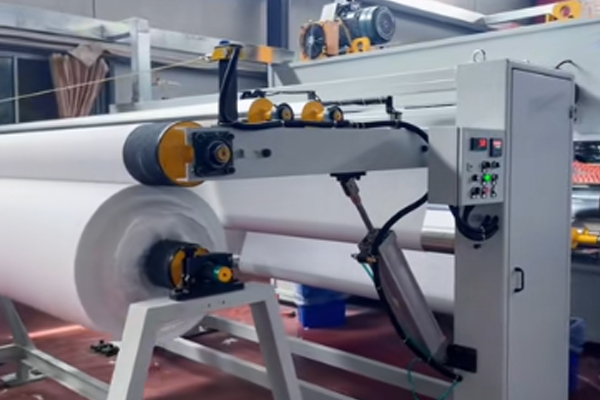
main Takeaways
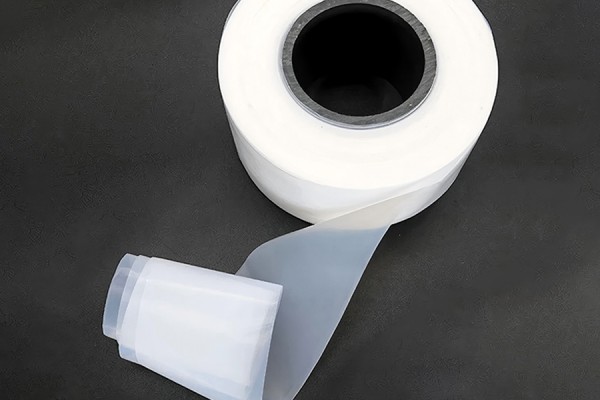
PTFE cable tape wrapping is essential for enhancing electrical safety and efficiency in a range of applications. Its unique insulation properties significantly lower dielectric loss, ensuring better signal integrity and minimal energy waste. The material’s ability to withstand extreme temperatures, from -150 to 260 degrees Celsius, makes it indispensable for high-temperature environments, particularly in sectors like aerospace and automotive. also, PTFE offers robust protection against electromagnetic interference, which is important in maintaining uninterrupted communication in high-frequency systems. The durability of PTFE wraps ensures long-lasting performance by resisting wear, corrosion, and environmental impacts that could compromise cable integrity. Professionals selecting PTFE tape for their electrical systems can expect improved operational efficiency and reliability, making it a highly recommended choice for modern cable applications across industries.
Benefits of PTFE Cable Tape
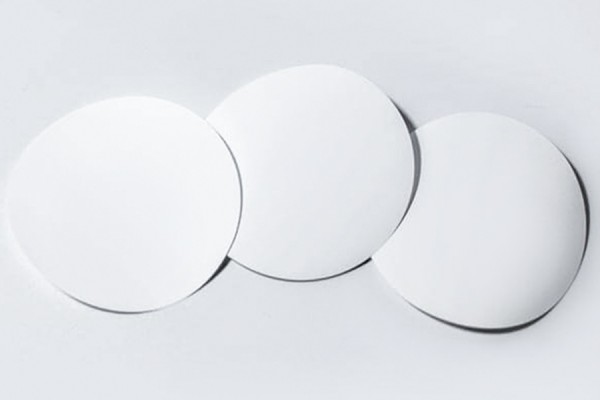
PTFE cable tape offers numerous advantages that improve the performance and longevity of various electrical installations. Its excellent insulation properties ensure reduced dielectric loss, making it ideal for high-speed transmission line PTFE wrapping tape applications. This feature is important in maintaining signal integrity, especially in environments with high-frequency communication needs. also, the durability of PTFE wrapping film allows it to withstand extreme temperatures ranging from -150 to 260 degrees Celsius without degrading, which is vital for high-temperature wires used in aerospace and automotive sectors. Protection against interference is another main benefit; the tapes provide effective electromagnetic shielding, thereby minimizing signal disruptions. Furthermore, when used as a PTFE cable roll coating, it helps to prolong the lifespan of cables by preventing wear and corrosion. These combined benefits position PTFE cable wrapping tape as a reliable choice for advanced cabling solutions across various industries.
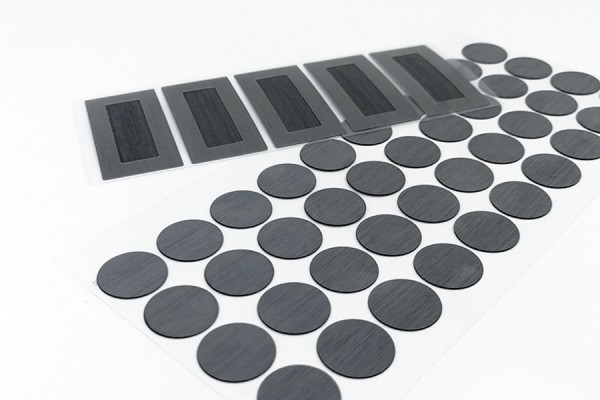
Enhancing insulation performance
PTFE cable tape wrapping significantly improves insulation performance, making it a preferred choice for many electrical applications. Its unique properties, such as low dielectric loss and high electrical resistance, help maintain signal integrity and reduce energy waste. The material’s intrinsic ability to withstand extreme temperatures, ranging from -150 to 260 degrees Celsius, further enhances its insulation capabilities, allowing it to function effectively in diverse environments. This flexibility in temperature ranges ensures that cables remain protected across various conditions, particularly in high-temperature applications. furthermore, PTFE wraps resist moisture and other environmental factors that can contribute to insulation breakdown over time. As a result, employing PTFE cable tape not only safeguards the wiring but also promotes durability and reliability throughout the lifespan of electrical systems. Such advancements in insulation technology are particularly essential in industries that demand consistent performance and safety standards.
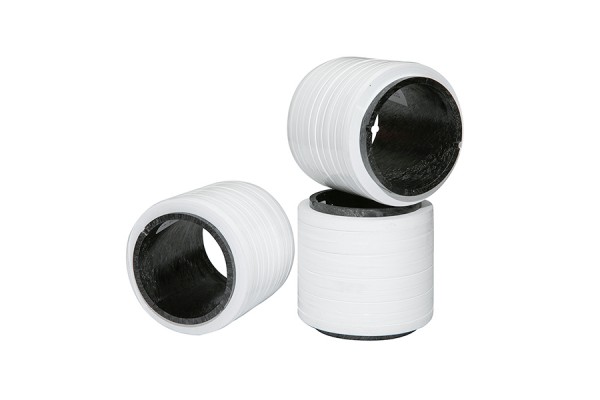
PTFE for High-Temperature Wires
PTFE cable tape wrapping is essential for high-temperature wire applications due to its impressive temperature endurance. It can function effectively in extreme conditions, withstanding temperatures ranging from -150 to 260 degrees Celsius. This remarkable range allows PTFE cable wraps to be an optimal choice for environments that experience high thermal fluctuations, making them suitable for aerospace and military applications where reliability is important. The inherent properties of PTFE also boost its insulation capabilities, ensuring effective cable protection without premature degradation. also, PTFE’s non-toxicity and flame resistance contribute to its preference in delicate electronic systems where safety is a priority. With the increasing demand for robust and durable materials in advanced technologies, PTFE continues to play a important role in ensuring that high-temperature wires maintain performance integrity while minimizing potential electrical hazards or failures.
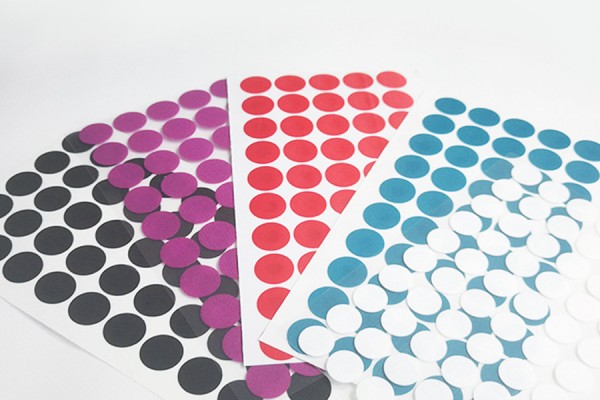
Protection against interference
PTFE cable tape wrapping offers important advantages in shielding cables from signal interference. Its unique properties contribute to maintaining signal integrity in high-frequency applications. The low dielectric constant of PTFE ensures minimal loss during transmission, which is vital for high-speed communication systems. furthermore, the material’s chemical resistance and physical durability help protect cables from external environmental factors that could introduce noise or disrupt performance. This wrapping acts as a barrier, effectively reducing electromagnetic interference (EMI) while promoting reliable data transmission. As technology advances, the role of PTFE in minimizing interference becomes increasingly important, particularly in sectors like telecommunications and aerospace. Using PTFE tape enhances not only the functionality but also the overall efficiency of critical cable applications.
The role in Cable Efficiency
PTFE cable tape wrapping significantly boosts cable efficiency through its excellent insulation properties and thermal stability. By minimizing dielectric loss, this tape ensures that energy transmission remains optimal in high-frequency applications. The non-toxic nature of PTFE allows for safe installation in various environments, enhancing overall safety which contributes to efficiency. furthermore, PTFE’s flexibility supports distinct configurations of cables, enabling streamlined arrangements that reduce potential interference and energy waste. In environments that demand consistent performance under fluctuating temperatures, PTFE wraps maintain their integrity, ensuring reliable signal transmission over time. As the demand for faster data rates rises, the reliability provided by PTFE in maintaining performance distinction becomes paramount to the effectiveness of modern cable systems. This combination of insulating quality and durability positions PTFE cable tape as a vital component in achieving superior efficiency for advanced electrical applications.
Durability of PTFE Wraps
PTFE wraps stand out for their exceptional durability, which is vital in both residential and industrial applications. Their unique chemical composition allows them to resist harsh environmental conditions, including extreme temperatures and corrosive substances. This durability translates to a longer lifespan for cables wrapped in PTFE tape, reducing the need for frequent replacements and maintenance. The material’s flame-resistant properties further boost its reliability, providing safety in high-risk scenarios like electrical installations. furthermore, PTFE wraps are resistant to wear and tear, ensuring consistent protection against physical damage that may occur during regular cable handling. The ability of PTFE to maintain its integrity under stress makes it a preferred choice for professionals seeking long-lasting solutions in complex cabling systems. With these characteristics, PTFE cable tape wrapping promotes overall efficiency in electrical setups by minimizing interruptions and ensuring safety over time.
Application in Advanced Cables
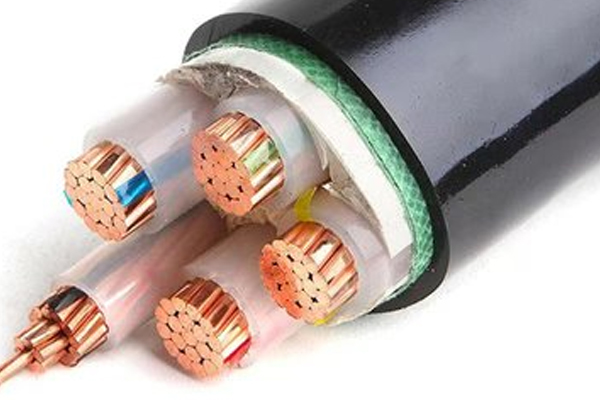
PTFE cable tape wrapping plays a vital role in various advanced cable applications. Its exceptional insulation properties make it ideal for high-temperature settings, ensuring optimal performance for aerospace and medical cables. This material handles extreme conditions, enabling reliable operation in critical environments. also, PTFE’s resistance to chemical corrosion further enhances its suitability for complex wiring systems where exposure to harsh substances is common. In 5G communication and other high-speed data transmission cables, PTFE wrapping minimizes signal loss, promoting efficient and stable connections. The flexibility of PTFE allows it to conform to complex designs, making it helpful for automating processes in robotics and automotive sectors. Moreover, the durability of PTFE ensures that wraps resist wear and tear, extending the lifespan of the cables they protect. Overall, the integration of PTFE tape wrapping significantly elevates cable performance across multiple applications, making it an indispensable choice for modern engineering challenges.
Choosing the Right Cable Tape
Selecting the appropriate cable tape is essential to ensure optimal performance and reliability. When considering PTFE cable tape wrapping, factors such as insulation properties, temperature resistance, and resistance to environmental challenges should influence your choice. Look for tapes that offer high dielectric strength and low dielectric loss to maximize electrical safety. furthermore, consider the tape’s thickness and durability; thicker options may provide better protection against wear and corrosion in demanding applications. It’s also important to match the tape with specific environmental conditions it will encounter, such as extreme temperatures or exposure to chemicals. Lastly, ensure the selected tape complies with industry standards relevant to your field, be it military, aerospace, automotive, or telecommunications. Making well-informed decisions about the right cable tape enhances not only safety but also operational efficiency in advanced cabling systems.
Conclusion
PTFE cable tape wrapping plays a vital role in enhancing electrical safety and efficiency across various applications. Its insulation properties and high-temperature resistance make it an essential material for industries such as aerospace, automotive, and telecommunications. Not only does it protect against electromagnetic interference, but it also contributes to the longevity of cables by resisting wear and environmental factors. By selecting the right PTFE cable tape, professionals can ensure optimal cable performance, which is important in today’s fast-paced technological situation. The durability and reliability of PTFE wraps allow for consistent signal integrity, making them indispensable for advanced electrical systems. As the demand for efficient and safe cabling solutions continues to grow, PTFE cable tape wrapping stands out as a top choice for ensuring enhanced operational efficacy.
FAQs
What is PTFE cable tape used for?
PTFE cable tape is used for insulating and protecting electrical wires, particularly in high-temperature and high-frequency applications.
How does PTFE cable tape improve insulation performance?
It has low dielectric loss and high electrical resistance, which helps maintain signal integrity and reduces energy waste in electrical systems.
Can PTFE cable tape withstand extreme temperatures?
Yes, it can operate effectively in temperatures ranging from -150 to 260 degrees Celsius, making it suitable for various demanding environments.
Is PTFE tape resistant to chemical damage?
Yes, PTFE wrapping is resistant to many chemicals, enhancing its durability when exposed to harsh substances.
What are the benefits of using PTFE over other types of tape?
PTFE offers superior thermal stability, excellent insulation properties, and resistance to wear and corrosion compared to other materials.
How does using PTFE cable tape affect the lifespan of cables?
It protects against wear and environmental factors, thereby extending the lifespan of cables wrapped in PTFE.
Where is PTFE cable tape best applied?
It’s ideal for advanced applications in industries like aerospace, telecommunications, and automotive where reliability is critical.
Does PTFE tape provide protection against electromagnetic interference (EMI)?
Yes, it effectively reduces EMI, ensuring better signal transmission in sensitive electronic systems.
How should I choose the right type of PTFE cable tape?
Consider the application’s specific requirements for insulation properties, temperature resistance, and compliance with industry standards when selecting cable tape.