main Takeaways
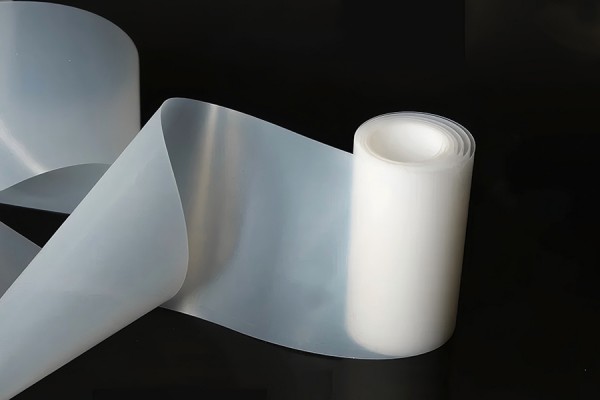
Advanced PTFE high-speed cable films represent a significant advancement in electrical applications, combining durability and performance. Their exceptional thermal resistance allows these films to function effectively across a wide temperature range, making them suitable for industries such as aerospace and telecommunications. Their lightweight characteristics simplify installation, providing design flexibility without compromising performance. Furthermore, PTFE films excel in mitigating electromagnetic interference (EMI), which is vital for maintaining signal integrity, particularly in high-frequency applications like 5G communication. As industries increasingly depend on rapid data transmission and reliable insulating solutions, the integration of PTFE materials is becoming essential. The remarkable properties of these films are proving key for developing efficient electrical systems that can withstand challenging environments while ensuring consistent performance. Embracing PTFE technology not only enhances reliability but also paves the way for innovations across various electrical applications.
Transforming electrical applications with PTFE Film
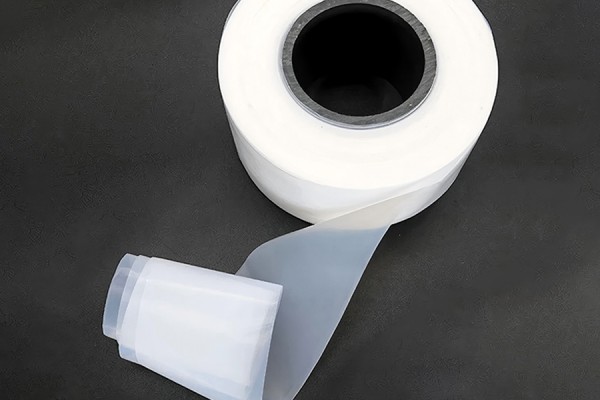
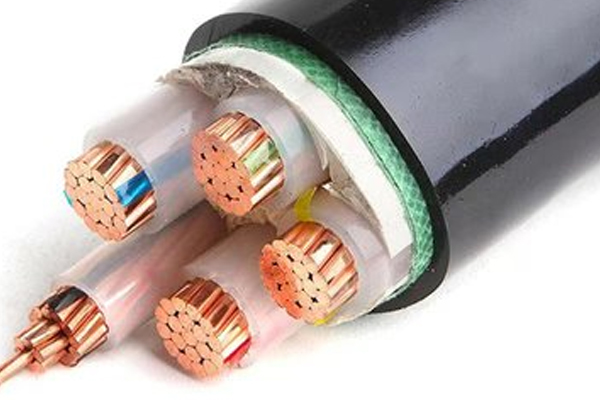
PTFE film is reshaping various electrical applications, thanks to its unique properties. The material provides excellent thermal resistance, making it suitable for environments that experience extreme temperatures, ranging from -200°C to over 300°C. This capability is particularly useful in aerospace and automotive industries, where components face high heat and require reliable insulation. The lightweight nature of PTFE wrapping film also enhances the design of high-speed transmission lines, allowing for better performance without adding unnecessary weight. Furthermore, the film’s outstanding shielding performance helps mitigate electromagnetic interference (EMI), which is key for applications like RF communications and data centers. new products such as DAC high-speed cable wrapping film and AEC high-speed cable wrapping film leverage these benefits to ensure that devices maintain signal integrity even in challenging conditions. By utilizing PTFE cable wrapping tape and PTFE Thread Seal Tape, manufacturers can achieve superior insulation while promoting durability across a range of electrical systems.
Enhancing 5G with PTFE Solutions
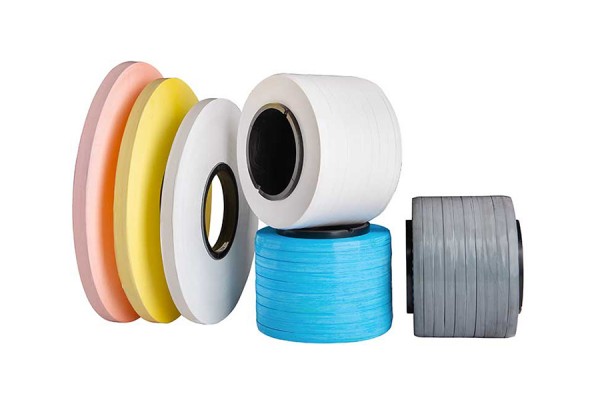
The role of PTFE high-speed cable film in advancing 5G technology cannot be overstated. This material provides exceptional thermal resistance, ensuring reliable performance even under intense heat conditions. High-speed data transmission relies on effective shielding against electromagnetic interference, a capability that PTFE films excel in. Their low dielectric constant minimizes signal loss, making them ideal for the fast-paced demands of 5G networks. With a lightweight design and high durability, PTFE cable films are suitable for various applications within the telecommunications industry, including base stations and data centers. Furthermore, their ability to withstand extreme temperatures and corrosive environments enhances their reliability in infrastructure deployment. As the demand for rapid data connectivity increases, the integration of PTFE solutions into communication systems will be critical for supporting next-generation networks and maintaining signal integrity.
Aerospace innovations using PTFE
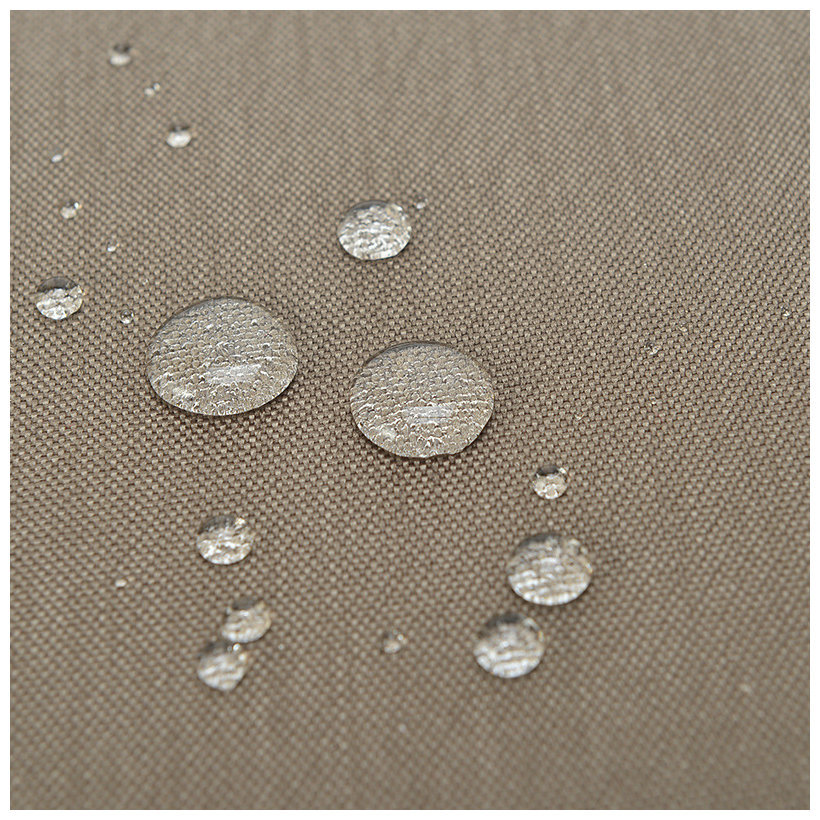
PTFE high-speed cable film plays a critical role in the aerospace sector, where reliability and performance are non-negotiable. The film’s unique properties, such as low thermal expansion and exceptional thermal resistance, ensure stability in the extreme conditions faced during flight. Aerospace wiring often needs to withstand temperatures as low as -200°C and as high as +260°C. PTFE’s lightweight structure also aids in reducing overall aircraft weight, contributing to greater fuel efficiency. Moreover, its excellent electromagnetic shielding capabilities are vital for preventing interference in avionics systems. With advancements in aerospace technology leaning towards faster data transmission and enhanced connectivity, PTFE films provide the necessary insulation for RF and microwave communications within aircraft systems. These features make PTFE high-speed cable film an indispensable component for modern aerospace applications, ensuring safe and efficient operations across various platforms.
The future of High-Speed Wiring
As demand for faster and more reliable data transmission continues to rise, high-speed wiring solutions like PTFE high-speed cable film are becoming essential in modern applications. This film’s unique properties, including a low dielectric constant and minimal attenuation, enable it to efficiently transmit signals over long distances without degradation. Industries such as telecommunications and aerospace are already adopting these new solutions to support rapid advancements.
"By integrating PTFE films into wiring systems, manufacturers can improve overall network performance and reliability."
Moreover, unique characteristics such as thermal resistance allow these cables to function effectively in extreme temperatures, making them invaluable for applications in high-stress environments. The lightweight nature of PTFE films simplifies installation and enhances design flexibility, enabling engineers to create more compact systems without sacrificing functionality. As technology progresses toward 5G networks and beyond, the capabilities offered by advanced PTFE materials position them at the forefront of electrical engineering innovation.
Thermal resistance in Cable Films
Thermal resistance plays a vital role in the performance of PTFE high-speed cable films. With exceptional ratings, these films can withstand temperatures ranging from -200°C to +260°C, making them suitable for demanding environments. The ability of PTFE to endure short bursts above 300°C without failure is particularly beneficial in applications where heat exposure is unavoidable. This property ensures that the insulation remains reliable, preventing breakdown and maintaining integrity under stress. In aerospace and automotive industries, where components often encounter extreme temperatures, the superior thermal resistance of PTFE cable films provides essential protection. Their lightweight design further enhances performance by allowing easier installation and less impact on overall system weight, contributing to improved efficiency in high-temperature wiring scenarios. Ultimately, the impressive thermal characteristics of these films are main to their effectiveness in maintaining signal integrity and safety across various electrical applications.
Reliable insulation for Harsh Environments
PTFE high-speed cable film delivers reliable insulation in demanding settings. Its structure effectively withstands extreme temperatures, ranging from -200°C to +260°C, making it suitable for applications like aerospace and automotive where intense heat may occur. This film’s robustness prevents failures even during brief spikes exceeding 300°C, ensuring it remains functional under pressure. Furthermore, its lightweight nature simplifies installation, reducing strain on the connected components. The material’s resistance to chemical substances also safeguards electrical systems against corrosive environments often found in marine and industrial applications. This quality not only prolongs the lifespan of cables but also maintains performance integrity in high-frequency signal transmission, vital for telecommunications infrastructure like 5G networks. The combination of exceptional thermal resistance and environmental durability makes PTFE an ideal choice for achieving long-lasting reliability in harsh conditions.
Cutting-Edge Features of PTFE Films
PTFE high-speed cable films incorporate several advanced features that elevate their performance in various applications. One notable attribute is their exceptional thermal resistance, which allows them to function effectively in extreme temperature ranges, from -200°C to +260°C. This characteristic is essential for environments such as aerospace and automotive sectors, where temperature fluctuations can be significant. The films are also designed with a high-strength composite structure that enhances their tensile durability and mechanical strength, setting them apart from conventional options. Another main feature is their lightweight and thin design, which facilitates easier processing and installation without compromising performance. Moreover, the microporous structure contributes to a low dielectric constant, making PTFE films ideal for RF and microwave insulation layers. These films offer significant flexibility and impressive shielding efficiency with minimal signal attenuation, ensuring reliable transmission in high-frequency applications such as 5G communication systems. The combination of these features positions PTFE high-speed cable films as a leading solution for modern electrical applications requiring durability and efficiency.
Thermal benefits of PTFE in Electronics
PTFE high-speed cable film offers several thermal advantages that make it highly suitable for electronics in demanding environments. Its outstanding thermal resistance allows it to maintain functionality over a wide temperature range, from -200°C to +260°C, with brief exposure to temperatures exceeding 300°C. This stability is key for applications such as aerospace and automotive wiring, where materials face extreme conditions. furthermore, PTFE’s low thermal expansion coefficient contributes to its reliability in minimizing signal distortion during temperature fluctuations. The film’s lightweight structure further aids in reducing the overall mass of electronic assemblies, promoting efficiency in design and performance. Notably, PTFE excels in shielding electromagnetic interference (EMI), enhancing the thermal management of high-frequency applications like 5G communications and RF cables. This combination of properties not only improves the durability of cable systems but also ensures stable signal transmission under fluctuating temperatures, making PTFE an essential material in modern electronics.
Conclusion
the benefits of PTFE high-speed cable film are evident across various electrical applications, particularly in fields requiring precision and reliability. Its exceptional properties, including thermal resistance and effective shielding against electromagnetic interference, position it as a important component in the advancement of technologies like 5G and aerospace systems. As industries evolve towards faster data transmission and harsher operating conditions, the demand for materials that can maintain performance under extreme stress continues to rise. PTFE not only meets these challenges but also supports the longevity and durability of electrical systems. The adoption of this advanced film enhances overall efficiency, paving the way for new solutions in modern engineering. The world of electrical applications will undoubtedly benefit from the unique offerings that PTFE high-speed cable film provides.
FAQs
What is PTFE high-speed cable film?
PTFE high-speed cable film is a specialized material used for insulating wires and cables, offering exceptional thermal resistance and shielding capabilities.
What industries benefit from PTFE high-speed cable film?
Industries such as telecommunications, aerospace, and automotive benefit significantly from PTFE films due to their durability and performance in extreme conditions.
How does PTFE boost 5G technology?
PTFE films provide effective shielding against electromagnetic interference and maintain signal integrity, which is important for the fast data transmission required in 5G networks.
Can PTFE films withstand extreme temperatures?
Yes, PTFE films can endure a temperature range from -200°C to +260°C, with short-term exposure to temperatures above 300°C without compromising their integrity.
What are the advantages of using PTFE in aerospace applications?
The lightweight structure of PTFE helps reduce aircraft weight, while its thermal resistance and shielding properties ensure reliable performance in critical avionics systems.
How does the thickness of PTFE cable film affect performance?
A thinner design of PTFE cable film allows for easier installation while maintaining its insulating properties, enhancing overall system efficiency and flexibility in design.
Is PTFE film environmentally friendly?
While PTFE itself possesses excellent durability, the manufacturing process needs to be considered for environmental impact. However, its long lifecycle reduces waste over time.
What role does electrical insulation play in cable systems?
Electrical insulation provided by materials like PTFE prevents shorts or failures in wiring systems, ensuring safety and reliability during operation across various applications.