
important Takeaways
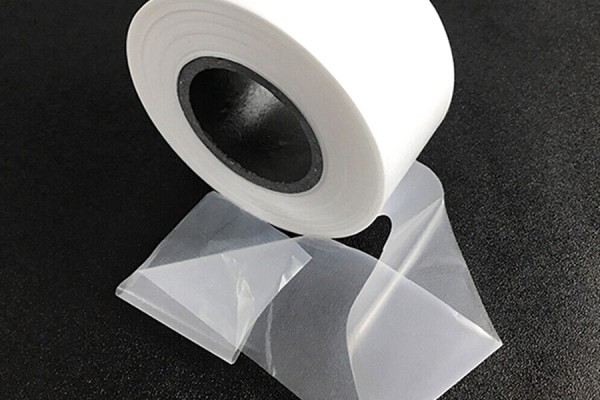
Teflon film represents a key advancement in material technology, especially for demanding applications across industries such as telecommunications, aerospace, and semiconductor manufacturing. Its low thermal conductivity and exceptional dielectric properties ensure high efficiency and reliability in electronic communications, essential for maintaining signal integrity. Similarly, Teflon film’s resistance to harsh chemicals and extreme temperatures allows it to function effectively in environments that challenge traditional materials. As industries evolve, the adaptability of Teflon film continues to promote new solutions that boost performance and safety standards. Furthermore, its unique properties significantly contribute to reducing maintenance costs and improving operational efficiency. This versatility solidifies Teflon film’s position as a go-to material for high-performance technologies requiring durability and consistent output under stress. The ongoing innovations in Teflon film technology will likely play a important role in shaping the future of high-tech applications.
Advancements in Teflon Film Technology
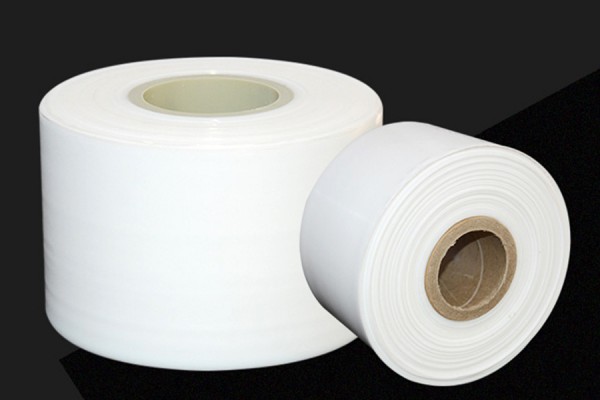
Recent developments in Teflon film technology have significantly improved its performance, particularly in high-speed transmission applications. These advancements include the creation of High speed transmission line PTFE wrapping tape, which exhibits lower capacitance and enhanced frequency response. Updated formulations of PTFE wrapping film now provide better thermal stability and increased durability for demanding environments. This evolution allows for the effective use of PTFE cable wrapping tape in various sectors ranging from telecommunications to aerospace. Introducing DAC high-speed cable wrapping film and AEC high-speed cable wrapping film has further extended the possibilities for reliable communication systems, ensuring that signals remain intact over long distances. The integration of such innovations not only boosts efficiency but also enhances safety features for sensitive equipment. The introduction of ACC high-speed cable wrapping film reflects a commitment to meeting industry needs with materials capable of handling extreme conditions while improving overall system performance. These breakthroughs point out a trend toward using PTFE materials that support next-generation technologies while optimizing manufacturing processes.
Unique properties of Teflon Film Explained
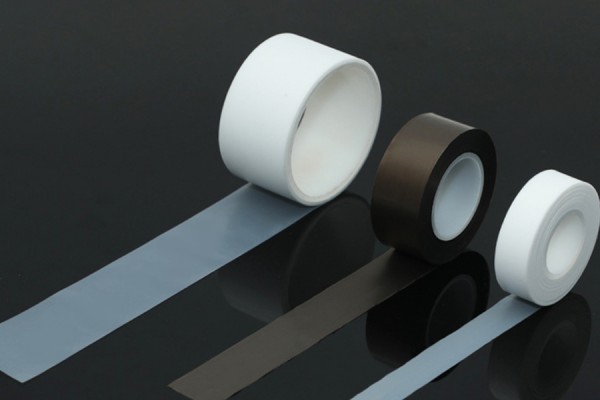
Teflon film is recognized for its remarkable characteristics that set it apart in high-performance applications. Its low friction properties result in minimal resistance, making it ideal for applications requiring smooth movement and manipulation. furthermore, Teflon exhibits excellent chemical resistance, allowing it to withstand harsh environments without degradation. This makes it suitable for use in various industries, including pharmaceuticals and food processing. The film maintains a stable dielectric constant across a broad frequency range, which is key for telecommunications and high-frequency applications. Another important property is its temperature resilience, functioning effectively in extreme temperatures from -200°C to 260°C. Furthermore, its non-stick surface aids in easy cleaning and maintenance, reducing downtime in manufacturing processes. These unique attributes contribute to Teflon film’s role as a vital component across advanced technological sectors, enhancing operational reliability and efficiency.
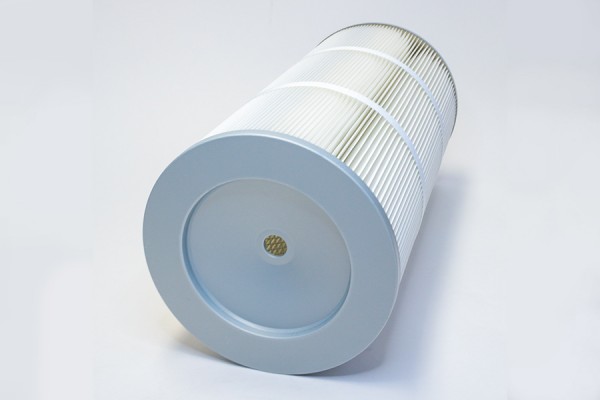
Applications of Teflon Film in Aerospace
Teflon film is integral to the aerospace sector due to its impressive performance under extreme conditions. It offers high resistance to temperature fluctuations and chemical exposure, making it suitable for critical components like insulation for wires and cables. Its low friction properties improve the efficiency of moving parts within various aircraft systems, reducing wear and tear. furthermore, Teflon film’s stability and reliable dielectric properties ensure consistent signal integrity in various electronic applications ranging from navigation systems to communication devices. Manufacturers value Teflon’s lightweight nature, as it contributes to overall weight reduction without compromising safety or durability. This film also plays a role in protective coatings for avionics equipment, providing essential barriers against moisture and contaminants. The ongoing demand for innovation in aerospace engineering continues to expand the potential uses of Teflon film, driving advancements that align with evolving industry standards and safety regulations.

Teflon film solutions for Telecommunication Industries
Teflon film plays a significant role in the telecommunication sector due to its unique characteristics. Its low dielectric constant and loss factor ensure minimal signal degradation, important for maintaining high data transfer rates. This property becomes increasingly important as telecommunication technology advances, especially with the rise of 5G networks and beyond. Teflon film’s exceptional heat resistance protects devices from thermal damage, allowing them to operate efficiently under high-frequency conditions. Moreover, its chemical inertness ensures that the film remains reliable in various environmental conditions, reducing maintenance and replacement costs over time. By integrating Teflon in coaxial cables and other communication components, manufacturers can improve signal integrity and overall device performance. Continuous innovation in Teflon technology positions it as an essential material in advancing telecommunications infrastructure, supporting a growing demand for speed and reliability in communication networks.
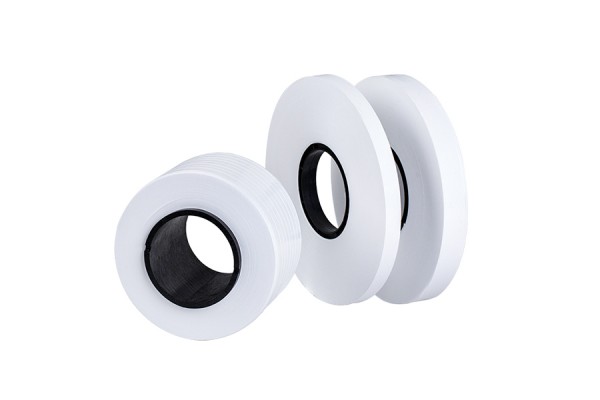
Teflon film efficiency in Semiconductor Manufacturing
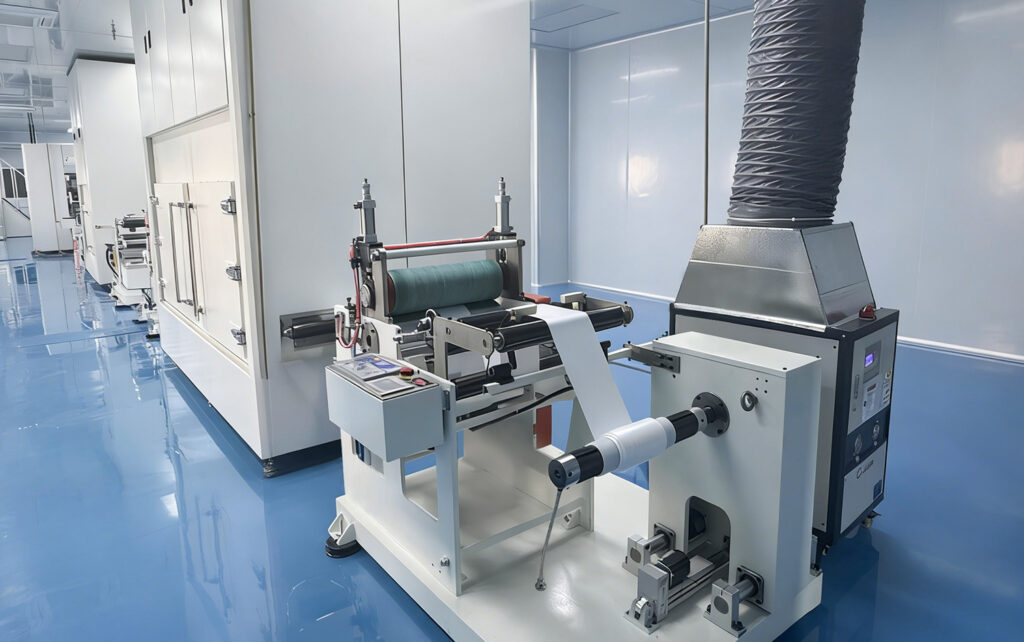
Teflon film plays a vital role in semiconductor manufacturing due to its excellent electrical insulation properties and thermal stability. Its low dielectric constant ensures minimal signal loss, which is critical in high-speed applications. The film also showcases remarkable resistance to chemical exposure, helping to protect delicate electronic components from potential damage during fabrication processes. Its unique properties allow for the creation of reliable and efficient insulation layers in circuit boards, contributing to higher performance output in semiconductor devices. Moreover, Teflon’s ease of processing can streamline manufacturing workflows, reducing production times while maintaining quality standards. As the demand for faster and more efficient semiconductors grows, Teflon films continue to improve capabilities across various applications within the industry.
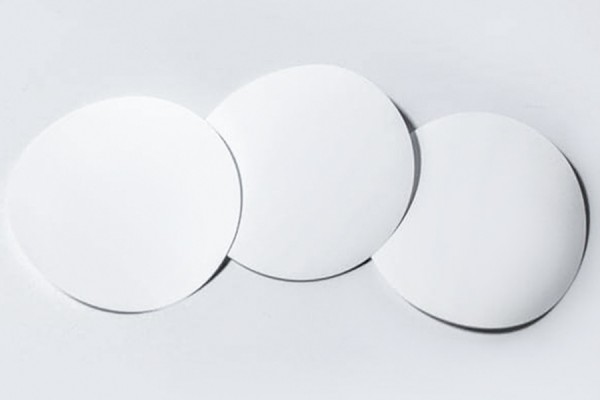
Impact of Teflon Innovations on High-Performance Sectors
Teflon innovations significantly influence various high-performance sectors, enhancing operational reliability and efficiency. In telecommunications, Teflon film’s low dielectric loss and excellent thermal stability facilitate high-speed data transmission, addressing the growing demand for faster communication networks. Aerospace industries benefit from Teflon’s lightweight yet durable properties, which contribute to fuel efficiency and reduced maintenance costs in aircraft designs. furthermore, semiconductor manufacturing relies on Teflon film to provide key insulation and protection for sensitive components in high-temperature environments. These advancements not only improve performance but also drive cost-effectiveness, making Teflon a preferred choice in cutting-edge applications. As industries continue to evolve, the role of Teflon films will likely expand, paving the way for further innovations that meet the rigorous demands of next-generation technologies.
Why teflon film is Ideal for High-Performance Applications
Teflon film excels in high-performance environments due to its unique properties. It maintains exceptional thermal stability, functioning effectively in extreme temperatures ranging from -150°C to 260°C. This wide operating range makes Teflon film suitable for challenging applications in various industries, ensuring reliability and performance under stress. Furthermore, its low dielectric loss and stable dielectric constant significantly improve signal integrity in telecommunications and aerospace sectors. The film’s inherent chemical resistance prevents degradation from harsh environments, allowing components to operate safely without risk of failure. Teflon’s non-stick characteristics also lead to reduced friction and wear in moving parts, contributing to overall efficiency in manufacturing processes. By integrating these features, Teflon film not only meets but often exceeds the rigorous demands of advanced technologies such as semiconductors and AI systems, positioning itself as a vital material for innovation and performance enhancement across multiple high-tech applications.
Conclusion
the advancements in Teflon film technology emphasize its key role in high-performance applications across various sectors. Its unique properties, like exceptional thermal stability, low friction, and strong chemical resistance, make it a preferred material in challenging environments. As industries evolve, the integration of Teflon film into telecommunications, aerospace, and semiconductor manufacturing continues to drive innovations. The ongoing enhancements in Teflon formulations enable improved efficiency, reliability, and safety in applications that demand the utmost performance. The versatility of Teflon film positions it as an essential component capable of supporting next-generation technologies while optimizing manufacturing processes. The future of Teflon film promises further developments that will likely improve operational capabilities across a range of high-tech applications.
FAQs
What are the main applications of Teflon film?
Teflon film is widely used in aerospace, telecommunications, and semiconductor manufacturing due to its unique properties.
How does Teflon film improve efficiency in high-performance applications?
Its low friction and thermal stability contribute to better operational reliability and reduced wear in critical components.
Is Teflon film resistant to chemicals?
Yes, Teflon film exhibits excellent chemical resistance, allowing it to withstand harsh environments without degradation.
What temperature range can Teflon film handle?
Teflon film is effective in extreme temperatures from -200°C to 260°C, making it suitable for various high-stress applications.
How does Teflon film contribute to signal integrity in telecommunications?
Its low dielectric constant ensures minimal signal loss, which is key for maintaining high data transfer rates in communication networks.
Can Teflon film be used in food processing applications?
Yes, due to its non-stick properties and chemical resistance, Teflon film is suitable for use in food processing equipment.
What innovations are being made with Teflon film technology?
Recent advancements focus on creating films with enhanced durability and lower capacitance for improved performance across multiple industries.