important Takeaways
The advantages of high-speed transmission line PTFE wrapping tape are significant in ensuring reliable performance in electronic applications. Its insulation properties are main for maintaining signal clarity, especially in environments subject to interference. PTFE’s low dielectric loss is vital, as it enables efficient signal transmission, reducing degradation that often occurs at high frequencies. also, the material’s durability under heat and chemical exposure offers further reliability, making it suitable for various demanding situations. The versatility of PTFE wrapping tape allows for seamless integration into multiple cable designs and applications, highlighting its role in industries such as telecommunications, aerospace, and automotive. Users can rely on this material to provide consistent electrical performance across a wide range of conditions while enhancing overall data transmission quality. Thus, PTFE wrapping tape acts as an essential component in advanced high-speed data communication systems, supporting the robust infrastructure necessary for today’s technological demands.
Advantages of PTFE Tapes
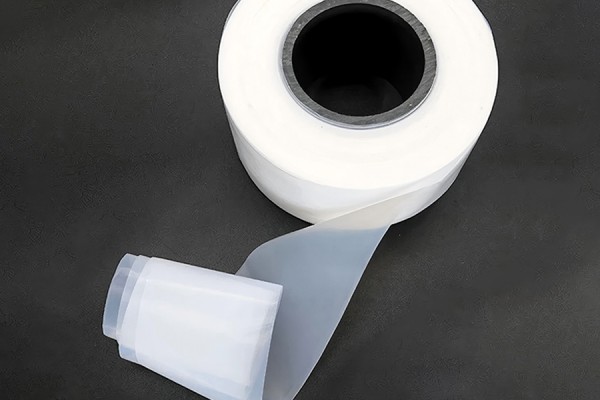
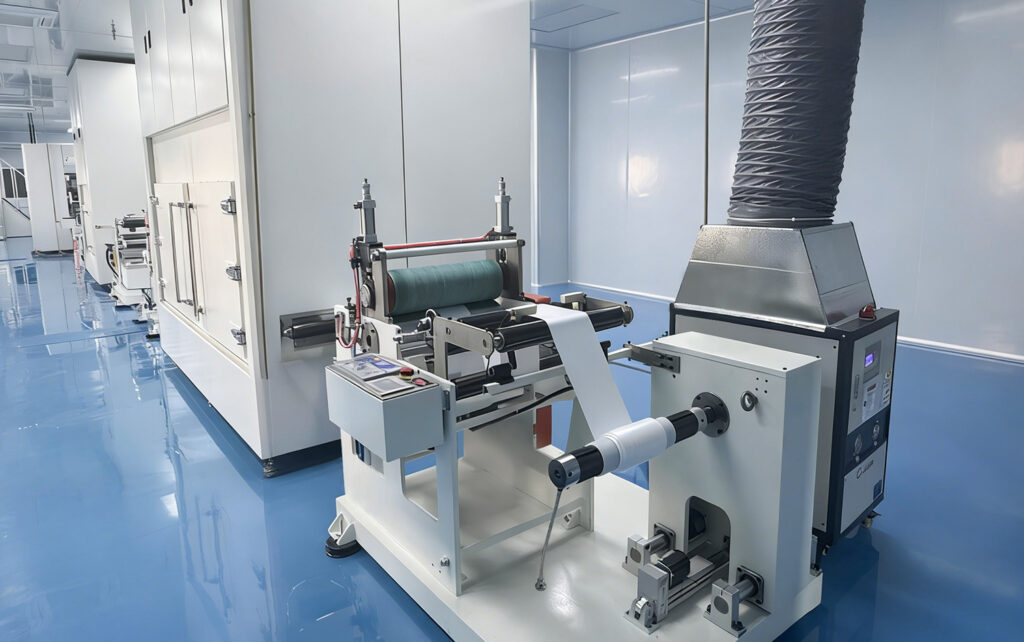
High speed transmission line PTFE wrapping tape provides stable insulation performance for demanding cable structures. Its low dielectric loss, chemical resistance, and wide temperature tolerance help maintain signal quality in high-frequency environments. PTFE wrapping film is used in designs where consistent electrical properties are needed, while PTFE Thread Seal Tape represents another application of PTFE material technology. In cable manufacturing, PTFE cable wrapping tape and PTFE cable roll coating support reliable protection and insulation layers. Specialized solutions such as DAC high-speed cable wrapping film, AEC high-speed cable wrapping film, AOC high-speed cable wrapping film, and ACC high-speed cable wrapping film are developed for different high-speed data transmission systems. High speed and high-frequency cable wrapping film helps reduce signal interference and supports stable communication performance in advanced electronic equipment.
Essential roles in Signal Integrity
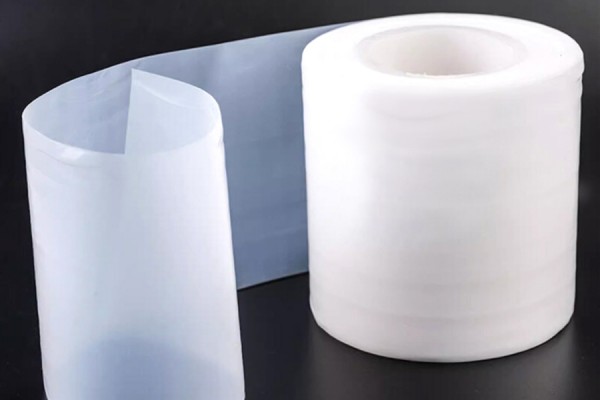
PTFE wrapping tape plays a main role in maintaining signal integrity across various applications. Its exceptional insulation properties reduce signal attenuation, which is vital for high-speed data transmission. By minimizing dielectric loss, PTFE helps retain the strength of the transmitted signals, ensuring clear communication even over long distances. furthermore, the material’s ability to dampen electromagnetic interference contributes to more stable and reliable connections. In environments where high-frequency signals operate, PTFE taping provides an essential barrier against external disturbances, thereby promoting consistent performance. This is particularly important in industries such as aerospace and telecommunications, where any disruption can lead to significant operational issues. The robustness of PTFE under extreme temperatures further supports its reliability in maintaining signal integrity across demanding conditions.
Heat resistance in PTFE Films
PTFE films provide stable performance in high-temperature cable environments because of their wide operating temperature range and strong thermal resistance. These films can maintain insulation properties under continuous heat exposure, making them suitable for high-speed transmission line PTFE wrapping tape used in demanding applications. In aerospace wires, RF cables, and specialty electronic cables, temperature changes can affect material stability and signal quality. PTFE wrapping helps reduce these risks by offering reliable protection against heat, chemical exposure, and electrical stress. The material’s low friction and durable structure also support long term cable performance where consistent transmission conditions are required. For high-frequency systems, heat resistance is an important factor in maintaining safe operation and stable signal transmission.
Innovations in Cable Insulation
Cable insulation technology has advanced to meet the growing demands of high-frequency communication and electronic systems. High-speed transmission line PTFE wrapping tape uses advanced PTFE film structures to provide stable electrical insulation while maintaining flexibility in complex cable designs. The material supports low dielectric loss performance, which helps reduce signal distortion during high-speed data transmission.
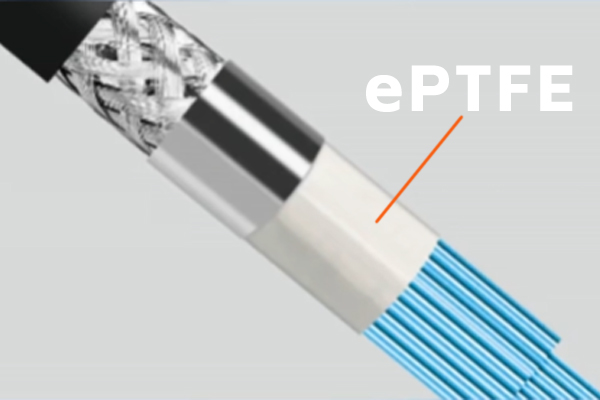
Modern cable manufacturing focuses on thinner insulation layers, better heat resistance, and reliable protection under demanding conditions. PTFE films are used in RF cables, aerospace wiring, medical cables, and other specialty applications where consistent electrical properties are required. Expanded PTFE structures also improve adaptability, allowing cables to maintain performance when exposed to temperature changes, mechanical stress, or harsh operating environments. These developments continue to shape more efficient insulation solutions for advanced transmission systems.
PTFE for High-Frequency Use
PTFE wrapping tape excels in high-frequency applications due to its unique properties. With a low dielectric constant, it minimizes energy loss during signal transmission, ensuring effective communication even at elevated frequencies. This advantage is important for devices requiring swift data transfer, such as smartphones and high-speed data cables. PTFE’s high dielectric strength plays a significant role in maintaining signal integrity across various environments, shielding against interference that could degrade performance. furthermore, the tape’s flexibility and resilience under extreme conditions allow it to adapt seamlessly to different cable types without compromising efficiency. The combination of these attributes positions PTFE wrapping tape as an essential component in modern communication technologies, enhancing system reliability while supporting the demand for faster and more stable connections.
Enhancing data transmission
PTFE wrapping tape plays a vital role in improving data transmission by minimizing signal degradation. Its low dielectric constant and loss characteristics enable higher frequencies to travel efficiently, making it an excellent choice for advanced communication systems. In environments where electromagnetic interference is a concern, PTFE tapes provide effective shielding, reducing noise and maintaining signal clarity. Furthermore, the flexibility of PTFE allows for easy application around complex geometries in cable designs, ensuring tight sealing that enhances performance across various demanding applications. Overall, PTFE’s properties not only bolster the speed of data transmission but also ensure reliable performance under extreme conditions. This is critical for industries relying on high-speed connections, such as telecommunications and aerospace, where every bit of data counts.
Applications of PTFE Taping
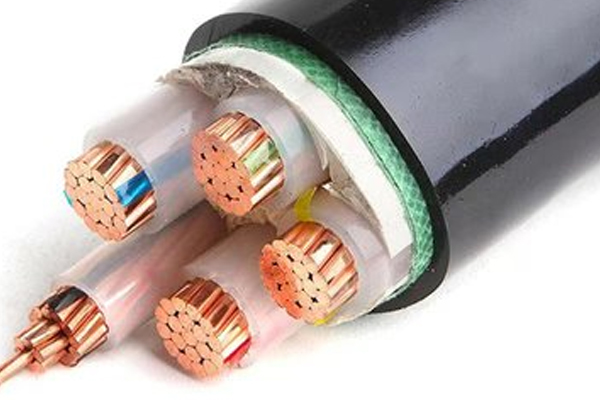
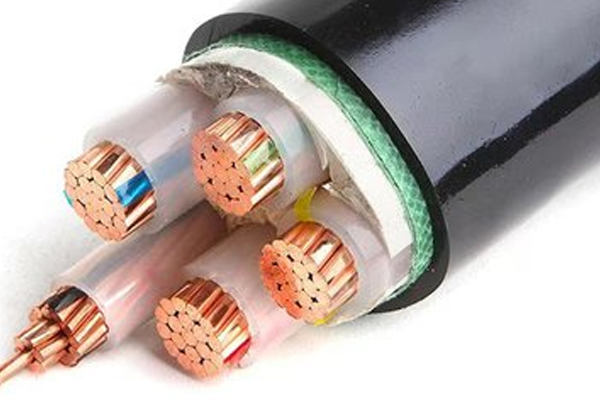
PTFE tapping finds extensive use across various sectors requiring high-performance materials. In telecommunications, it is essential for RF and microwave cables, ensuring minimal signal loss and maintaining integrity during transmission. In automotive applications, PTFE taping protects wiring harnesses from extreme temperatures and environmental conditions, enhancing safety and reliability. Aerospace industries utilize PTFE tape for its heat resistant properties, which are main for wires exposed to harsh conditions. furthermore, in medical devices, its insulation capabilities prevent short circuits while providing durability. Charging station cables and 5G base station installations also benefit from PTFE’s low dielectric loss features, supporting efficient data transfer in high-speed transmission lines. The versatility of PTFE taping ensures it meets the rigorous demands of modern electronic applications across diverse environments.
Reliability of PTFE Wrapping
The reliability of PTFE wrapping is underscored by its robust physical and chemical properties. PTFE films provide exceptional insulation, ensuring a secure barrier that protects against environmental factors. This durability is main in high-stress applications, such as aerospace and military contexts, where failures can lead to severe consequences. Furthermore, the material exhibits low dielectric loss and outstanding heat resistance, allowing it to maintain performance under extreme temperatures ranging from -150 to 260°C. This versatility ensures reliable operation throughout various conditions. The high tensile strength and flexibility of PTFE tape improve its effectiveness in securing connections, which is essential for high-speed transmission lines. Its ability to resist chemical corrosion adds another layer of reliability, making it suitable for challenging environments. In essence, the combination of insulation effectiveness, environmental resistance, and mechanical robustness makes PTFE wrapping a dependable choice for ensuring signal integrity and operational safety in modern electronic applications.
Conclusion
high-speed transmission line PTFE wrapping tape continues to support reliable cable performance in advanced electronic systems. Its stable insulation, low dielectric loss, heat resistance, and chemical durability make it suitable for high-frequency transmission environments where signal quality must be maintained over time. As communication equipment becomes more demanding, PTFE wrapping technologies are being applied in cable designs that require consistent electrical properties and mechanical protection. PTFE films and related taping structures help engineers manage thermal stress, electromagnetic interference, and insulation requirements in complex applications. The combination of material stability and design flexibility allows PTFE wrapping tape to remain an important solution for modern high-speed data transmission systems.
FAQs
What makes high-speed transmission line PTFE wrapping tape suitable for high-frequency cables?
It provides stable insulation, low dielectric loss, and heat resistance, helping maintain signal quality in demanding high-speed transmission environments.
How does PTFE wrapping tape support signal integrity?
PTFE wrapping tape reduces signal attenuation and helps limit interference, allowing clearer data transmission in communication and electronic systems.
Can PTFE wrapping tape handle high-temperature conditions?
Yes, PTFE films maintain insulation performance under continuous heat exposure and support cable designs that face thermal stress and changing environments.
Where is PTFE cable wrapping tape commonly used?
It is used in RF cables, aerospace wiring, specialty electronic cables, and high-speed transmission systems that require reliable insulation.
Why is PTFE preferred for high-frequency applications?
Its low dielectric properties, chemical resistance, and mechanical stability make it suitable for applications where consistent electrical performance is required.