main takeaways
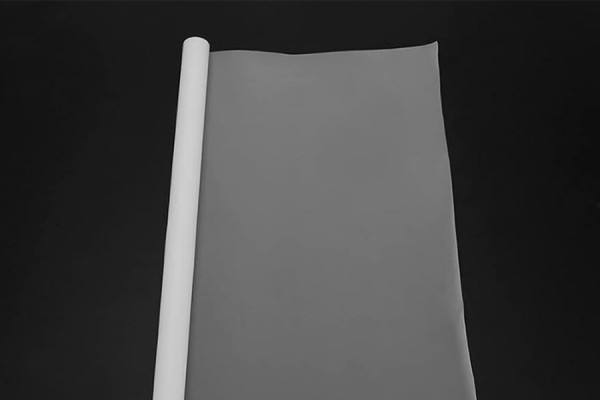
Expanded PTFE materials handle chemicals, heat, and moisture without much fuss, which is why they keep showing up in industrial and electrical work. They move water vapor through while blocking liquid water, so products stay dry without getting sealed shut. The light weight makes installation easier, and anyone who has wrestled with heavy material on a long shift knows that matters. They keep finding a place in fuel cells and filtration systems, where small failures turn into expensive problems fast. Supplier choice matters more than people like to admit; quality checks, technical support, and delivery timing can decide whether a project runs smoothly or turns into a mess. In rough environments, ePTFE keeps its shape and keeps doing the job.
The versatility of expanded PTFE materials
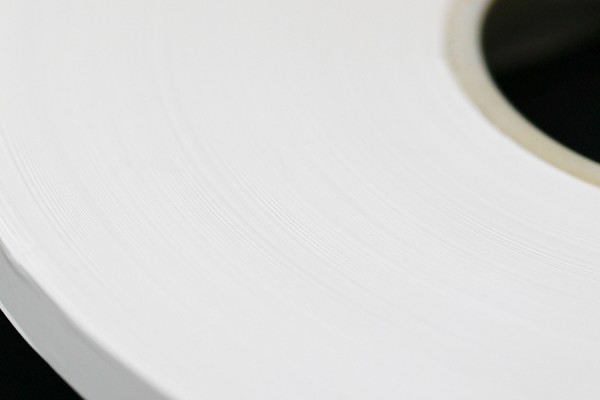
Expanded PTFE shows up in more places than people expect. In high-speed transmission lines, PTFE wrapping tape and PTFE wrapping film provide insulation and help protect parts from heat and wear. In electrical work, PTFE Thread Seal Tape and PTFE cable wrapping tape keep moisture out and help wiring last longer. The material also fits into cable roll coating, where heat and pressure can ruin weaker options. Its compatibility with DAC, AEC, AOC, and ACC high-speed cable wrapping films makes it useful in fast-moving cable design. The appeal is simple: it keeps performing while the specs keep changing.
important Properties of expanded PTFE
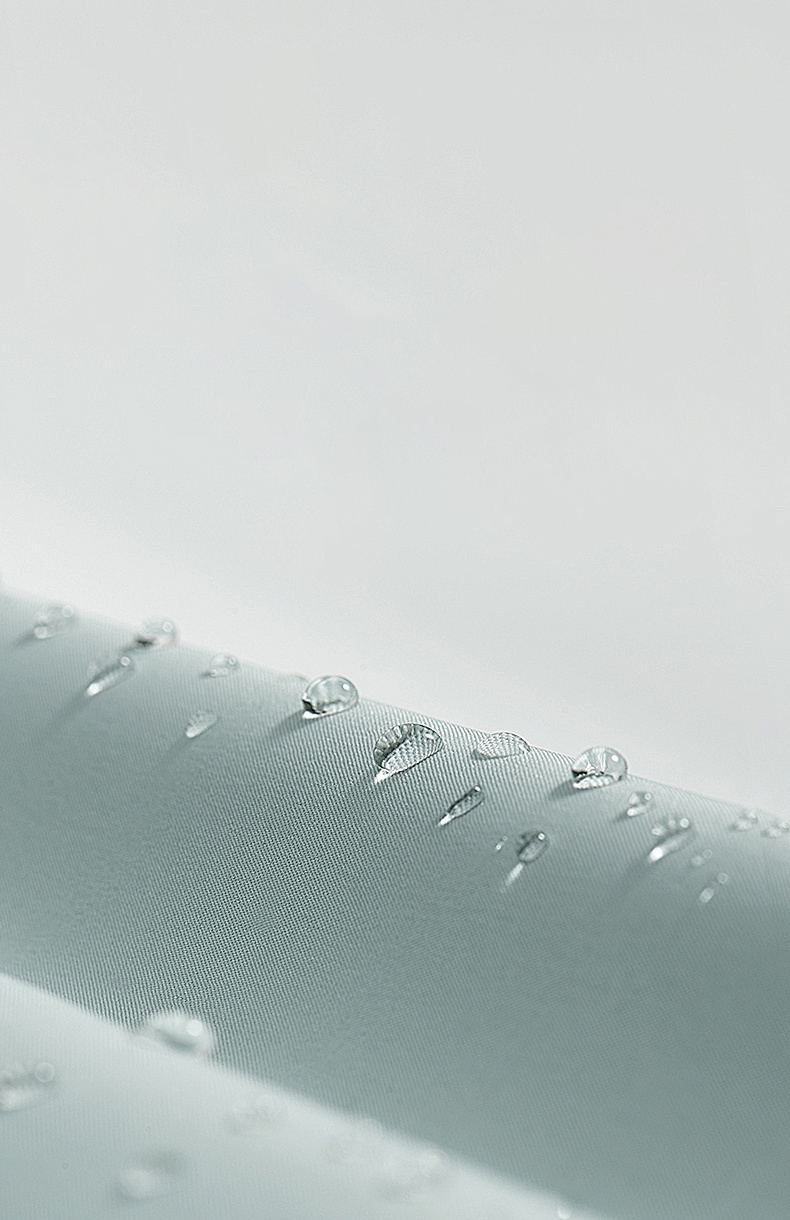
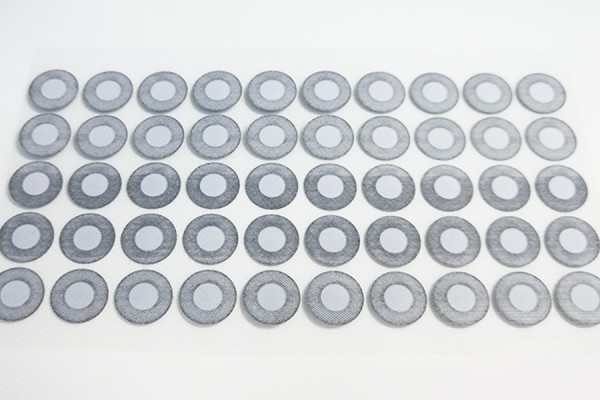
Expanded PTFE has a porous structure that lets vapor pass through while stopping droplets. That helps products deal with changing weather and messy environments. Chemically, it resists acids and bases, which is why plants that handle corrosive materials rely on it.
Thermal stability is another reason people keep using it. It handles high heat without falling apart. Compared with polyethylene and PVC, it burns less readily and gives off less smoke, which matters in insulation work. Mechanical strength matters too; parts that get tugged, rubbed, or bent over time need a material that does not turn brittle or sloppy. Put together, these traits make it useful in industrial gear and electrical systems.
expanded PTFE in Harsh Environments
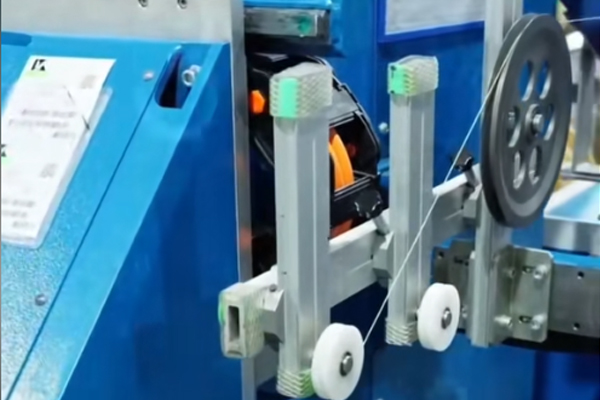
Expanded PTFE handles heat, aggressive chemicals, and heavy humidity better than most materials in its price range. Its microporous structure stays steady when exposed to acidic or alkaline substances. That matters in pharmaceuticals and chemical processing, where a bad material choice can shut a line down or create a safety headache.
"Manufacturers often choose expanded PTFE because it keeps behaving when other materials start to fail."
Its low friction coefficient reduces wear in moving parts and abrasive settings. It also tolerates high heat and has low flammability, which cuts fire risk in industrial spaces. These traits make it a practical choice when standard options start to buckle. Sometimes the difference is just whether a line keeps running on a bad day.

Industrial applications of expanded PTFE
Expanded PTFE is used across several sectors because it handles abuse well. In the automotive industry, it appears in filtration systems that keep intake air cleaner and help manage exhaust gases. Aerospace uses it for sealing in conditions where pressure and temperature swing hard. In medical devices, it works as a barrier in items like catheters and surgical drapes, keeping contamination down while letting moisture vapor escape. Its chemical resistance also makes it a good fit for petrochemical work, where corrosive exposure is routine. The textile industry uses it for breathable waterproof gear, which is what people actually want when the weather turns ugly. Using it in these settings gives equipment a better chance of lasting without constant repair.
Expanded PTFE for Electrical Insulation
Expanded PTFE has earned more attention in electrical insulation. It performs better than polyethylene and PVC in many demanding insulation systems, especially where dielectric strength and low moisture absorption matter. Those two traits help electrical performance stay steady when the environment changes. In hot or chemically harsh settings, it resists insulation failure more reliably than many conventional materials. Its light weight also helps engineers build leaner assemblies without cutting safety margins. For wiring and components that have to survive rough service, it is a sensible choice.
Advantages of expanded PTFE Materials
Expanded PTFE offers a mix of chemical resistance, heat tolerance, breathability, and light weight. It resists acids, bases, and solvents. It handles a broad temperature range. Its microporous structure lets vapor pass while keeping liquid water out. That matters in construction and other moisture-sensitive work. The low weight makes it easier to move and fit into place, which installers notice right away. Put together, those traits explain why it keeps being chosen for industrial and electrical uses.
expanded PTFE in Advanced Technologies
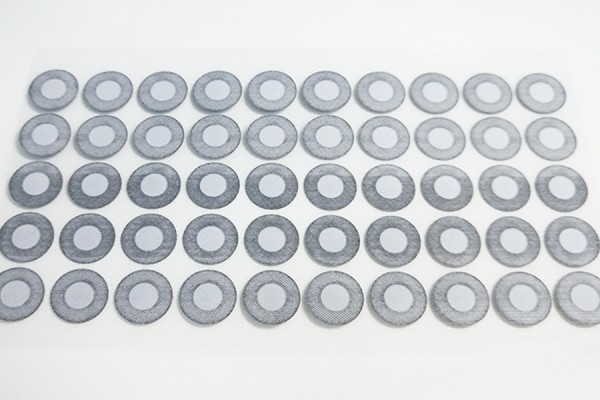
Expanded PTFE has a real role in advanced systems that need steady performance. In fuel cells, it separates anode and cathode compartments, helping current move cleanly and keeping energy loss down. Its chemical stability and low flammability suit environments with sharp temperature swings. It also appears in high-performance filters and barriers where gas and liquid control has to be precise. In aerospace and automotive work, it helps manage humidity and reduce corrosion. That mix makes it useful where a small problem can snowball fast.
Choosing the Right Supplier for expanded PTFE
Selecting a dependable supplier means looking at a few practical points. Start with quality assurance; good manufacturers stick to strict standards and send out consistent material. Price matters, but it should not be the only filter. Delivery timing affects the whole operation, so check whether the supplier can meet your schedule. Technical support matters too. If a supplier can answer process questions without passing the buck, that saves time. Service quality counts as well, along with clear communication. Customer feedback and reviews can tell you a lot about how a supplier behaves after the order is placed. A solid supplier relationship keeps projects moving and cuts the chance of ugly surprises later.
Conclusion
Expanded PTFE remains useful in industrial manufacturing and electrical systems because it handles heat, chemicals, and moisture with less drama than many alternatives. As industries change, demand for materials that can survive rough conditions will keep rising. Picking the right supplier matters because inconsistent quality shows up fast in the field. Manufacturers and suppliers need to stay focused on reliability and practical improvements if they want this material to keep its place in demanding applications.
FAQs
What is ePTFE?
Expanded polytetrafluoroethylene is a form of PTFE with a microporous structure.
What are the main benefits of expanded PTFE materials?
They resist chemicals, handle heat well, and let vapor pass while blocking liquid water.
In which industries are expanded PTFE materials commonly used?
They are widely used in automotive, aerospace, medical, petrochemical, and textile industries.
How does expanded PTFE compare to traditional insulation materials?
It offers stronger dielectric performance and better moisture resistance than polyethylene and PVC.
Can expanded PTFE materials withstand extreme temperatures?
Yes, they keep their structure and performance in both high and low temperature conditions.
What factors should I consider when choosing a supplier?
Look at quality assurance, pricing, delivery timing, technical support, and customer service reputation.
Are there any limitations to using expanded PTFE materials?
Yes. Cost can be higher than some standard materials, and certain environments or designs may not suit it.
How do I ensure the longevity of products made with expanded PTFE materials?
Use proper installation methods and keep up with routine maintenance so the material can perform as intended.
Is it possible to recycle expanded PTFE?
Recycling options are limited because of its chemical makeup; check with specialized facilities for disposal.