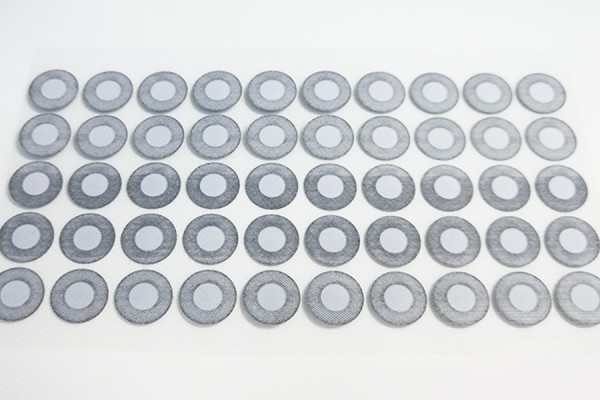
important Takeaways
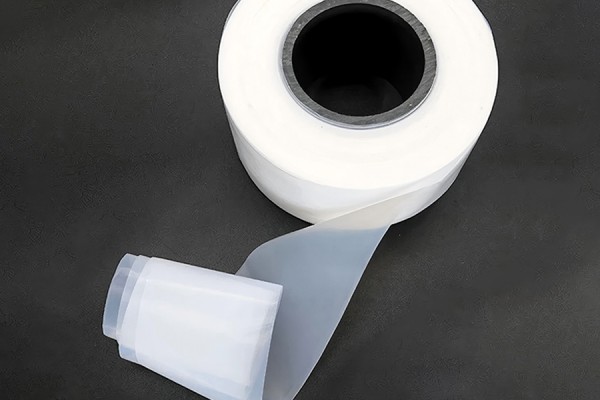
PTFE high-speed cable film is one of those materials that quietly solves a lot of problems at once. Its low dielectric constant cuts signal loss, which matters a lot when data has to move fast and clean. The material is light, tough, and easier to route through cramped assemblies, so installers do not have to wrestle with it. It also holds up across a wide temperature range, which makes it useful in consumer devices and in harsher settings like aerospace and automotive work. Add strong chemical resistance and solid insulation strength, and you get a material that keeps working when other options start to wobble. For engineers trying to keep systems reliable without adding extra weight or risk, it is an easy material to take seriously.
Optimizing signal transmission with PTFE Film
PTFE film helps signal paths stay cleaner than many other insulation materials. Its low dielectric constant keeps losses down, which is why it keeps coming up in fast transmission lines and high-frequency builds. The light weight matters too; it puts less strain on connectors and makes wrapping in tight spaces less of a chore. also, it tolerates temperatures from -200°C to +260°C, so performance stays steady even when the environment gets ugly.
"Using PTFE cable wrapping tape in electronic designs is a practical choice when reliability matters."
Its chemical inertness and flame resistance give signal systems a safer margin, especially near heat or corrosive substances. AEC high-speed cable wrapping film is built for jobs where failure is not an option. DAC high-speed cable wrapping film and similar materials remind engineers that picking the right wrap is rarely a small decision, especially in aerospace work and wireless systems.

Benefits of PTFE in Cable Insulation
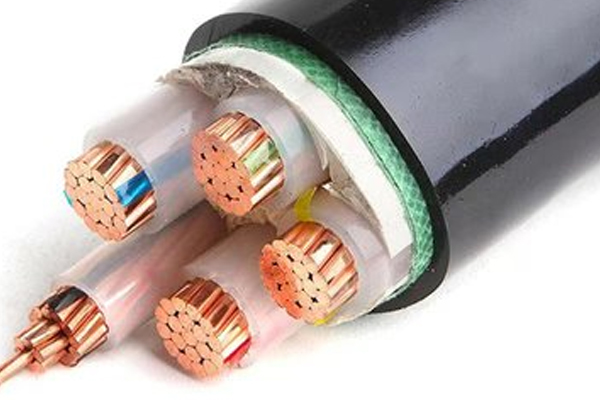
PTFE, or polytetrafluoroethylene, has earned its place in cable insulation for good reasons. It barely changes shape with temperature swings, so assemblies stay stable instead of drifting out of spec. The low weight helps keep overall cable bundles manageable, which is useful anywhere every gram matters. It also handles heat well, so it keeps performing in environments where lesser materials start to soften or break down. Chemical resistance is another strength, which is why it shows up in automotive and aerospace applications where exposure to aggressive substances is part of the job. On the electrical side, PTFE provides strong insulation with a low dielectric constant, so signal loss stays low and transmission stays clean. That mix makes it a strong fit for high-speed data and signal-processing systems.
| Property | Specification |
|---|---|
| Thermal Expansion | Low |
| Weight | Lightweight |
| Temperature Range | -200°C to +260°C |
| Chemical Resistance | High |
| Dielectric Strength | High |
| Dielectric Constant | Low |
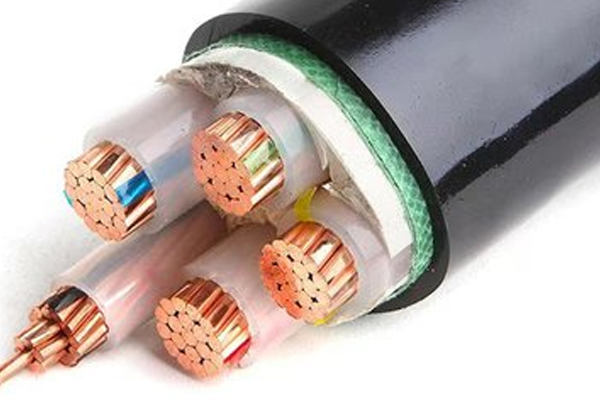
PTFE: The Future of High-Speed Cables
PTFE film keeps showing up in modern electrical work because it handles a lot without making a fuss. Its light structure and heat resistance make it useful where signals have to stay clean at higher temperatures. It survives rough conditions well enough for consumer devices, aerospace systems, and automotive electronics. The low dielectric constant keeps signal loss under control, which is a big deal in 5G and other high-frequency systems. The chemical resistance helps it last longer, and that usually means fewer replacement headaches later. As communication systems keep getting faster and less forgiving, PTFE cable film keeps earning its place.
Enhancing electrical safety with PTFE
PTFE film gives electrical systems a stronger safety margin because its insulation is hard to beat. High insulation strength helps prevent leakage, which lowers the risk of short circuits, burnt components, and the kind of failures that ruin an entire assembly. Its chemical inertness keeps it stable around corrosive substances, so it does not fall apart in environments that chew through weaker materials.
The flame-resistant nature of PTFE adds another layer of protection in high-heat settings, especially in automotive and aerospace uses where failure can get expensive fast. It meets safety expectations easily, and in some cases goes beyond them simply by staying stable under punishing conditions. The light weight helps too, since it reduces the burden on wiring systems without giving up safety. That balance is what makes PTFE a sensible choice for modern electrical systems.
High-Temperature Solutions: PTFE Explained
PTFE, or polytetrafluoroethylene, is a polymer with a reputation for holding up when things get hot. It works well from -200°C to +260°C, and short bursts above 300°C usually do not knock it off course. That makes it useful in aerospace and automotive settings where insulation has to keep performing under stress. Its low thermal expansion coefficient helps it keep its shape when temperatures swing around, so connections stay dependable.
It also resists a long list of chemicals, which is useful in places where materials are exposed to corrosive fluids or fumes. The low weight does not come at the expense of strength, so designers can trim mass without sacrificing the job the material needs to do. In RF cables and 5G systems, its low dielectric constant keeps signal loss down and transmission quality up.
Understanding PTFE Cable Features
PTFE cable film has a set of traits that make it useful in a lot of demanding setups. A low thermal expansion coefficient keeps dimensions steady as temperatures change, which helps preserve signal integrity. Its light structure makes installation easier and cuts down the weight of the whole system, which matters in aerospace and automotive work. It handles high heat well, surviving up to 260°C and short bursts beyond 300°C, so it does not give up when conditions get rough. Chemical inertness protects it from harsh surroundings, while the low dielectric constant keeps transmission losses in check. also, strong insulation helps prevent electrical faults and makes the system safer to use. Put together, those traits make it a practical option for high-speed data paths that need dependable insulation.
PTFE Film in Aerospace Applications
PTFE cable film is a serious fit for aerospace work because it handles heat, cold, and chemical exposure without drama. Aircraft systems deal with conditions that ruin ordinary insulation fast. PTFE stays stable across a temperature range from -200°C to +260°C and can survive brief spikes above 300°C, which makes it a strong option for wiring and onboard components. Its low weight helps keep aircraft efficiency in better shape, and in that field even small weight changes matter. also, its chemical inertness protects against the corrosive substances found around aircraft systems. That kind of stability helps keep navigation and communication signals steady, even when the surrounding environment is doing its best to interfere. As aerospace teams keep pushing for lower weight and tighter safety margins, PTFE cable film remains a useful fix for wiring that has to keep working.
Lightweight insulation for Electronics
PTFE film works well as a lightweight insulation material for electronics. Its low density cuts the weight of cable assemblies, which matters in industries that are always chasing lighter builds, especially aerospace and automotive. Even with a thin profile, it stays durable and resists wear, so it does not feel flimsy in hand or in use. That makes it a strong choice for dense wiring harnesses in complicated electronic systems. It also handles temperatures from -200°C to +260°C, which helps in environments that swing from cold to hot without warning. Its chemical resistance lets it keep working in harsh industrial settings, where ordinary materials often age badly. For modern electronics, it brings safety and dependable electrical performance without forcing designers to accept extra bulk.
Conclusion
PTFE cable film is a practical insulation option when weight, heat resistance, and chemical stability all matter at once. It fits neatly into aerospace, electronics, and other high-speed communication systems where failure is expensive and annoying. Using PTFE in cable designs helps signal quality and reduces the chance of electrical trouble. As engineering demands keep getting stricter, PTFE stays a material worth trusting when performance has to hold up under pressure. New material work may bring more options later, but this one still solves real problems without much fuss.
FAQs
What is PTFE high-speed cable film?
PTFE high-speed cable film is a light insulation material made from polytetrafluoroethylene, built for strong electrical performance in a range of applications.
What are the benefits of using PTFE in cable insulation?
PTFE offers low thermal expansion, strong heat resistance, good chemical resistance, and solid electrical insulation.
How does PTFE improve signal transmission?
PTFE’s low dielectric constant helps keep signal loss down during transmission, so communication stays steady even in high-frequency systems.
What temperature range can PTFE withstand?
PTFE works effectively from -200°C to +260°C and can handle short spikes above 300°C without breaking down.
Is PTFE safe for use in harsh environments?
Yes, PTFE is chemically inert and flame-resistant, so it holds up well where corrosive substances and high heat are part of the setup.
Can PTFE be used in aerospace applications?
Yes, PTFE cable film is a strong choice for aerospace because it stays stable under extreme temperatures and harsh operating conditions.
How does using PTFE contribute to weight reduction in systems?
The low weight of PTFE reduces the overall mass of cable assemblies, which matters in industries that care about efficiency.
What impact does PTFE have on electrical safety?
PTFE provides strong insulation that helps prevent leakage and short circuits, which improves safety in electrical systems.