Key takeaways
PTFE cable tape wrapping offers significant benefits that enhance electrical performance in various applications. Its excellent insulation properties are pivotal for protecting against signal shorting and leakage, crucial in high-frequency environments. The low dielectric loss of PTFE tape minimizes transmission delays, ensuring efficient signal transfer while maintaining clarity. This characteristic, coupled with outstanding temperature resistance, allows PTFE tape to perform reliably across a wide range of temperatures without compromising its insulating abilities. Furthermore, its robust chemical resistance protects against harsh substances, making it suitable for demanding environments such as industrial settings. These features collectively improve signal integrity and contribute to the longevity of electrical systems. By utilizing PTFE in cable wrapping, users can achieve enhanced performance and reliability, making it an essential material for modern electrical applications.
Advantages of PTFE Cable Tape
PTFE cable tape offers numerous advantages that contribute to its superior performance in electrical applications. One of its primary benefits is excellent insulation properties, which ensure reliable electrical performance. This insulation helps protect against signal shorting and leakage, making it a critical component for high-speed transmission line PTFE wrapping tape applications. The low dielectric loss associated with PTFE wrapping film is another significant advantage; it closely resembles the dielectric constant of air, minimizing transmission delays and allowing for efficient signal transfer. Additionally, PTFE cable wrapping tape exhibits impressive temperature resistance, maintaining functionality across a wide range of temperatures. This characteristic is crucial for environments that experience extreme thermal fluctuations. Furthermore, its chemical resistance enhances durability, ensuring that it can withstand exposure to various chemicals and solvents without degradation. As a result, PTFE Thread Seal Tape and other forms like DAC high-speed cable wrapping film are ideal choices in demanding conditions. The overall performance enhancements that come from using PTFE in cable wrapping foster improvements in signal integrity and longevity of cables, making it an essential material in high-frequency applications.
Enhancing electrical insulation with PTFE
PTFE cable tape plays a vital role in improving electrical insulation. Its unique structure provides a robust barrier that minimizes the risk of signal shorting or leakage. This is particularly important in applications where high-frequency signals are transmitted, as even minute disruptions can lead to significant performance degradation. The excellent electrical insulation properties of PTFE ensure that signals remain intact throughout their journey, effectively retaining integrity and quality. Additionally, PTFE is inherently resistant to moisture and humidity due to its hydrophobic nature, allowing for stable performance in various environmental conditions. This resistance to environmental factors further bolsters its use in challenging settings. Ultimately, the combination of these properties positions PTFE cable tape as a leading choice for enhancing electrical insulation across diverse applications, contributing to more reliable and efficient electronic systems.
Low dielectric loss benefits of PTFE
PTFE cable tape is known for its remarkably low dielectric constant, which closely resembles that of air. This characteristic plays a significant role in minimizing signal delays during transmission, thereby improving the overall performance of electrical systems. With lower dielectric loss, PTFE tape reduces capacitive coupling, ensuring that signals maintain clarity and integrity even at high frequencies. Consequently, manufacturers and engineers often opt for PTFE cable tape in applications where reliable and efficient data transfer is essential. Its ability to maintain these performance standards under varying conditions further underscores the value of utilizing PTFE in high-frequency cable applications. This low dielectric loss attribute not only enhances signal transmission but also contributes to the longevity of electrical components by reducing thermal issues associated with excessive energy losses.
Temperature resistance of PTFE Tape
PTFE tape exhibits remarkable temperature resistance, making it suitable for applications that encounter extreme heat or cold. This cable wrap maintains its integrity across a temperature spectrum from -150°C to 260°C. Such a wide operating range ensures that it performs reliably in various environmental conditions without degrading or losing its insulating properties. When exposed to high temperatures, PTFE tape does not melt or compromise its electrical insulation capabilities, thus safeguarding cables from heat damage. Conversely, in cold environments, it retains flexibility and adhesion, preventing cracking or brittleness that could lead to performance issues. This durability under thermal stress also contributes to the longevity of electrical components wrapped in PTFE tape, ensuring that they remain protected throughout their use. Its exceptional thermal stability is a critical characteristic for high-frequency applications where electrical reliability is paramount.
Chemical resistance in Cable Wrapping
PTFE cable tape offers significant chemical resistance, making it a preferred choice for cable wrapping in various environments. Its inert nature means it does not react with most chemicals, including acids, bases, and solvents, ensuring the integrity and longevity of the wrapped cables. This resistance protects cables from damage caused by chemical exposure, which can lead to insulation breakdown and signal interference. Additionally, the durable microporous structure of PTFE enhances its ability to withstand harsh conditions without compromising performance. This property is particularly valuable in applications where cables may encounter aggressive substances, such as in industrial or laboratory settings. By using PTFE tape for cable wrapping, users can ensure reliable protection against corrosion and degradation over time, leading to improved overall performance of electrical systems.
Applications of PTFE in High-Frequency Use
PTFE cable tape wrapping is essential in various high-frequency applications, especially in telecommunications and data transmission. Its low dielectric constant allows for minimal signal loss, making it ideal for RF coaxial cables used in microwave communications. This tape is also employed in high-speed data cables where maintaining signal integrity is crucial. The chemical inertness of PTFE ensures that it withstands harsh environments without degrading, further extending its application lifespan in high-frequency settings. Moreover, the hydrophobic properties of PTFE prevent moisture from compromising electrical performance, making it suitable for outdoor installations. Overall, the unique characteristics of PTFE cable tape offer reliability and efficiency in environments where performance demands are high and conditions can be challenging.
Improving signal integrity with PTFE
PTFE cable tape wrapping significantly improves signal integrity in high-frequency applications. This enhancement primarily results from its low dielectric constant, which closely resembles that of air. By minimizing dielectric loss, PTFE helps to reduce signal delays and mitigate capacitive coupling, allowing for clearer and more reliable transmission of data. The excellent electrical insulation properties of PTFE prevent unwanted short circuits and leakage, further preserving the integrity of the signal. Additionally, the enduring resistance to temperature fluctuations ensures consistent performance across a wide range of operating conditions. This stability is crucial in environments where extreme temperatures or humidity may otherwise disrupt signal transmission. As a result, utilizing PTFE cable tape in high-frequency applications not only enhances overall electrical performance but also contributes to the longevity of cable systems by maintaining signal fidelity over time.
Durability and Longevity of PTFE Tape
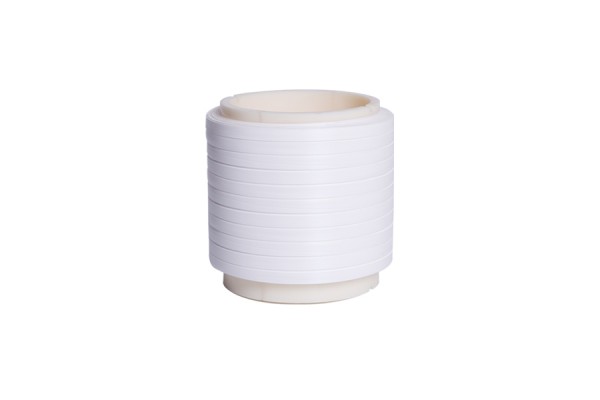
PTFE tape is known for its impressive durability and long lifespan, making it a reliable choice for various applications. Its resistance to wear and tear is notable, as it withstands mechanical stress without compromising integrity. The chemical inertness of PTFE also plays a key role in enhancing its longevity; exposure to harsh chemicals does not degrade the material, ensuring that it maintains its protective qualities over time. Additionally, PTFE tape can endure extreme temperature fluctuations, ranging from very low to high temperatures, without losing functionality. This temperature resilience further solidifies its role in environments where other materials may fail. The enduring nature of PTFE tape contributes significantly to reducing maintenance costs and enhancing performance reliability in high-frequency applications, offering users peace of mind in their cable management solutions.
Conclusion
PTFE cable tape wrapping represents a critical advancement in electrical performance due to its unique combination of properties. Its superior insulation capabilities not only guard against signal leakage but also ensure optimal performance even under demanding conditions. The low dielectric loss characteristic plays an essential role in maintaining signal clarity, which is particularly important in high-frequency applications. Furthermore, the temperature and chemical resistance of PTFE tape greatly enhance its applicability across various environments, reducing the risks of degradation and ensuring reliability. As industries increasingly rely on efficient and durable materials, the integration of PTFE cable tape in cable management solutions exemplifies a strategic approach to boosting performance and longevity. Adopting this innovative wrapping technique will likely lead to more resilient electrical systems capable of meeting ongoing technological advancements and challenges.
FAQs
What is PTFE cable tape?
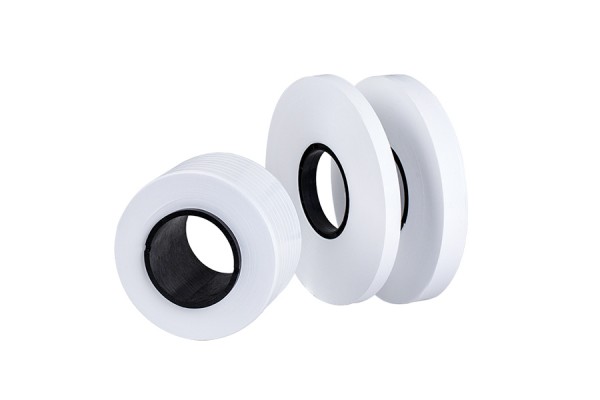
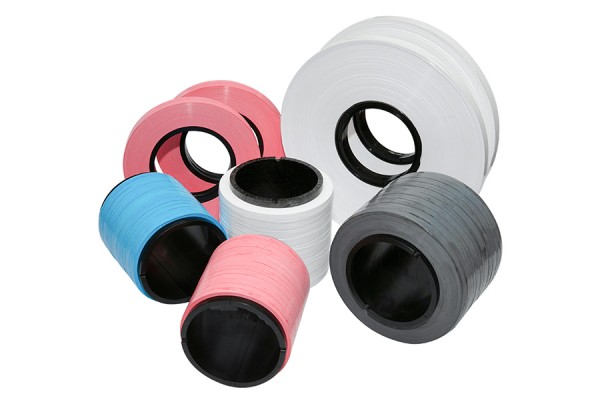
PTFE cable tape is a high-performance insulation material made from polytetrafluoroethylene, known for its excellent electrical insulation properties.
How does PTFE improve electrical performance?
PTFE enhances electrical performance by providing excellent insulation, minimizing dielectric loss, and maintaining integrity across varying temperatures.
Is PTFE tape suitable for high-frequency applications?
Yes, PTFE tape is ideal for high-frequency applications due to its low dielectric constant, which reduces signal loss and improves transmission efficiency.
What temperatures can PTFE tape withstand?
PTFE tape can withstand temperatures ranging from -150°C to 260°C without losing its insulating properties.
How does PTFE tape resist chemicals?
PTFE’s inert nature allows it to resist most chemicals, preventing degradation and ensuring the longevity of cables wrapped with it.
What benefits does low dielectric loss provide?
Low dielectric loss reduces signal delays and improves clarity during transmission, essential for maintaining signal integrity in electronic systems.
How durable is PTFE cable tape?
PTFE cable tape is highly durable, withstanding wear and tear while maintaining its protective qualities over time.
Can PTFE be used outdoors?
Yes, due to its hydrophobic properties and resistance to temperature fluctuations, PTFE cable tape is suitable for outdoor installations.
What are the common applications of PTFE in electronics?
Common applications include telecommunications, data transmission, microwave communications, and environments requiring reliable signal transmission.