main Takeaways
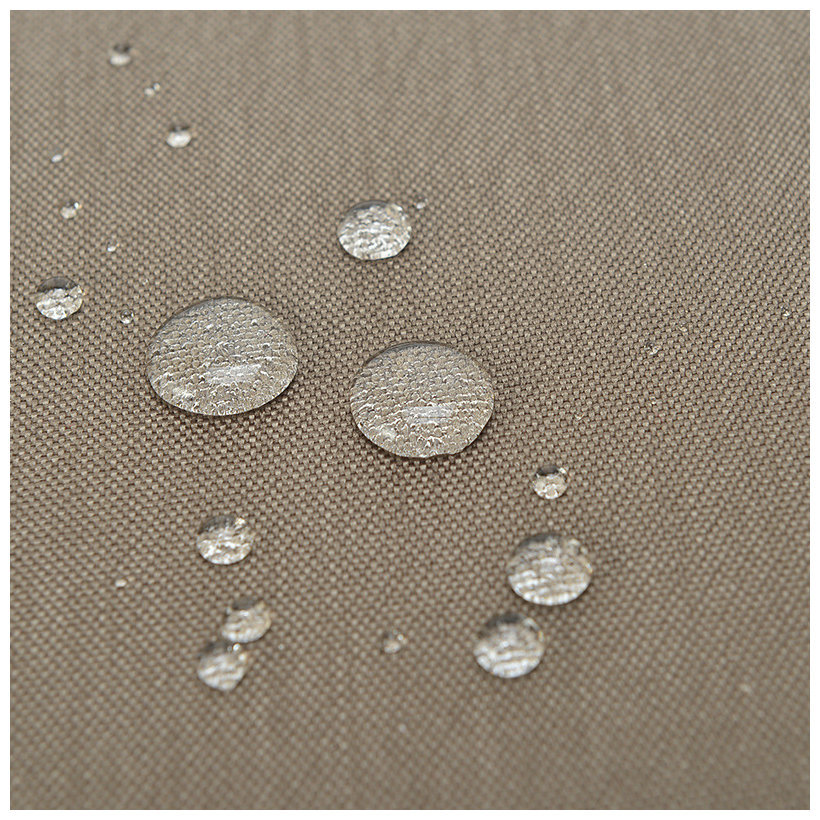
PTFE high-speed cable film delivers stable performance in high-frequency data transmission. Its low dielectric constant reduces signal delay, supporting faster data rates, while its excellent electrical insulation minimizes short circuits and leakage in demanding environments. The material’s wide temperature tolerance (-200°C to 260°C) and chemical inertness ensure reliability amid harsh conditions, and its hydrophobic nature helps preserve electrical performance in humid climates. These traits make PTFE films well suited for RF coaxial cables and related high-speed wrapping applications, where signal integrity is critical as networks push toward AI servers and advancing 6G architectures. Domestic production offers supply-chain benefits, shorter lead times, and potential cost advantages without compromising quality, presenting a practical option against international brands. Looking ahead, the continued adoption of PTFE high-speed cable film in data centers, telecommunications, and outdoor networks suggests a growing role in advanced transmission systems, from core backbones to edge devices.
Exploring the Benefits of PTFE High-Speed Cable Film
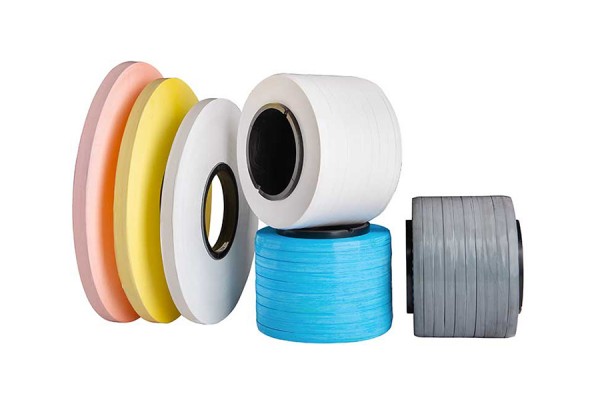
PTFE high-speed cable film offers significant advantages in the realm of data transmission. Its low dielectric constant reduces signal delays, making it a prime choice for high-speed transmission line PTFE wrapping tape. This material excels in insulating applications, safeguarding against electrical shorts and ensuring reliable performance. The unique structure of PTFE wrapping film enhances its temperature resilience, allowing it to function optimally between -200°C and 260°C. This characteristic is important for high-frequency environments where temperature fluctuations can impact signal integrity.
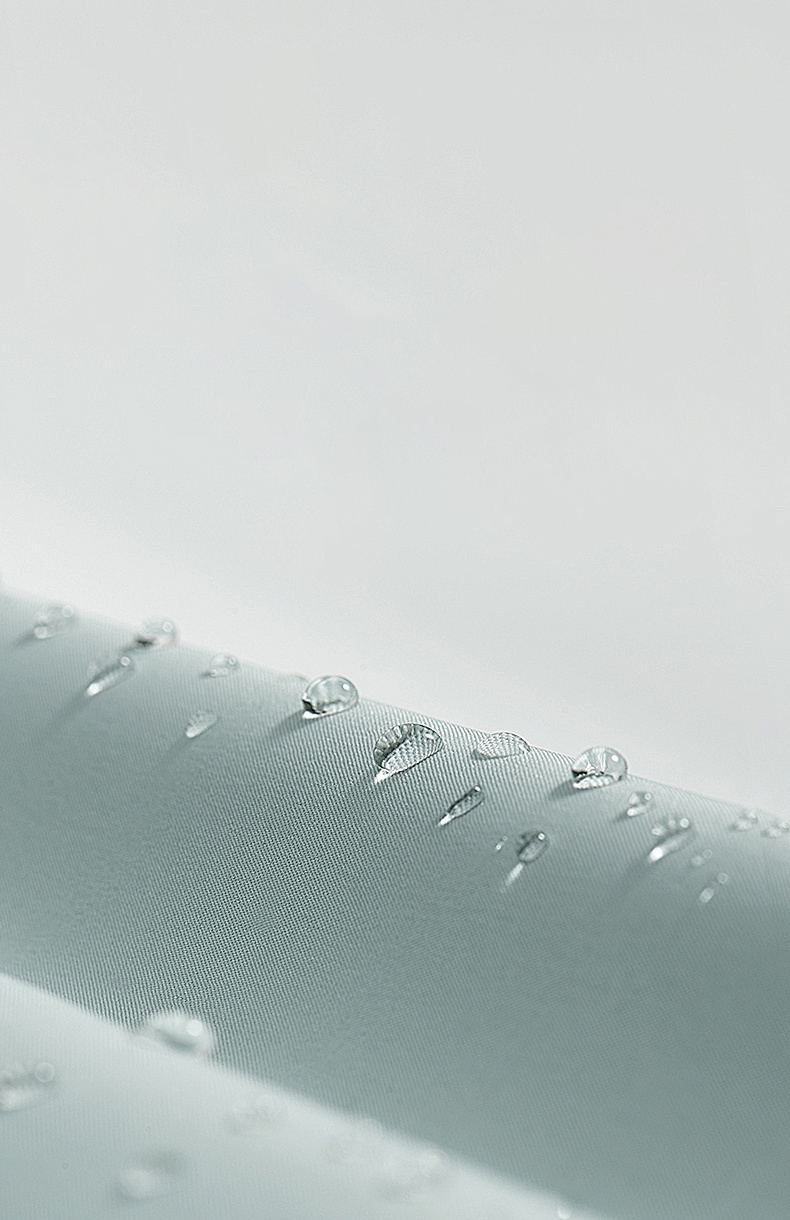
Moreover, PTFE cable wrapping tape demonstrates exceptional chemical inertness, ensuring durability and longevity in various conditions. The hydrophobic nature of the material helps maintain stable electrical performance, even in humid climates, which is critical for RF coaxial cables and DAC high-speed cable wrapping film applications. As a result, using PTFE in advanced technologies like AI servers and 6G communications not only enhances performance but offers cost advantages over imported solutions. By investing in domestically produced AEC high-speed cable wrapping film or AOC high-speed cable wrapping film, companies can benefit from improved supply chain dynamics while still achieving equal performance standards when compared to global brands.
important Properties of PTFE Film in Data Transmission
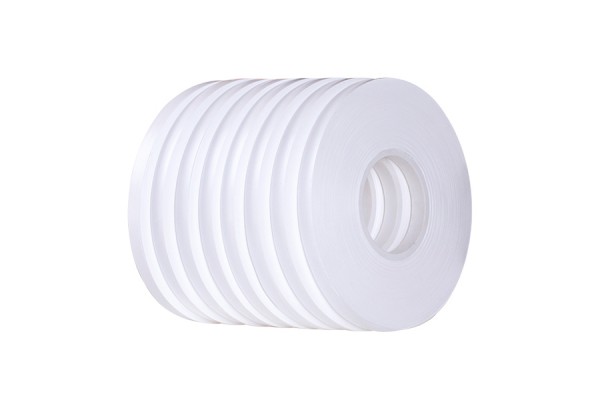
PTFE high-speed cable film is integral to achieving optimal data transmission, thanks to its unique physical and chemical attributes. One of the most important properties is its low dielectric constant, which closely resembles that of air. This feature minimizes signal delay and reduces capacitive coupling, making PTFE an ideal choice for high-frequency applications. also, PTFE offers excellent electrical insulation, effectively preventing short circuits and signal leakage in demanding environments. Its stability across a wide temperature range, from -200°C to +260°C, ensures consistent performance, even in extreme conditions. Furthermore, PTFE demonstrates remarkable chemical inertness, providing resistance against corrosion from various chemicals and solvents. Its hydrophobic nature also plays a significant role; by resisting moisture absorption, it maintains electrical performance in humid conditions. These characteristics make PTFE cable films not only reliable but also essential for advancing communication technologies. The continued exploration of its properties will further unlock new potential in high-speed data transmission solutions.
Applications of PTFE in RF Coaxial Cables
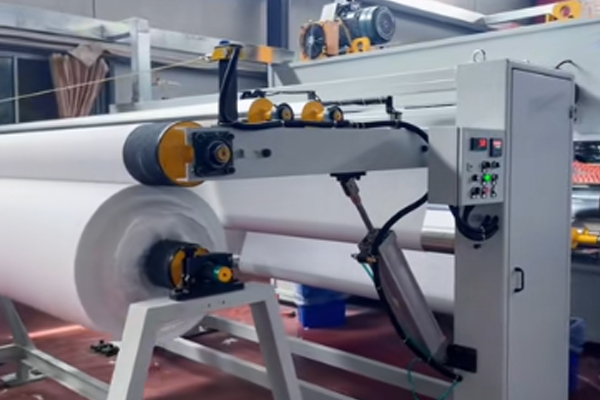
PTFE high-speed cable film plays a major role in RF coaxial cables, vital for transmitting signals at high frequencies. This material’s low dielectric constant minimizes signal loss and allows for quick data flow, which is essential for high-performance applications. Its excellent electrical insulation properties reduce the risk of short circuits, ensuring reliable operations in various environments. The wide temperature tolerance of PTFE also makes it suitable for diverse applications, from telecommunications to satellite communications. furthermore, PTFE’s chemical inertness guarantees longevity and performance stability, even under harsh conditions. These characteristics enable RF coaxial cables utilizing PTFE films to meet stringent requirements in industries demanding reliable and efficient communication solutions, reinforcing their important contribution to the telecommunications ecosystem. As technology advances towards higher frequencies and increased data rates, the adoption of PTFE in RF coaxial cables is expected to grow significantly.
The role of PTFE Film in Advanced Technologies
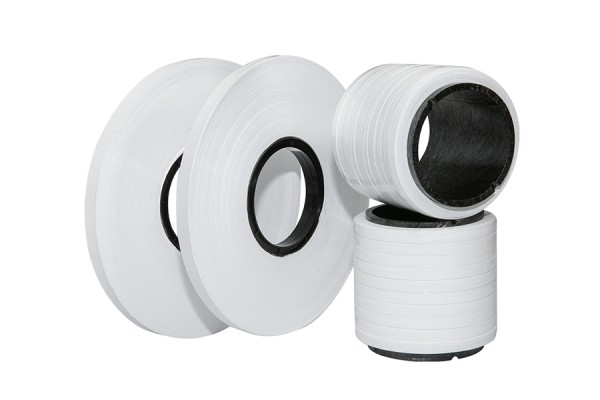
PTFE high-speed cable film is gaining traction in various advanced technologies, particularly due to its exceptional electrical properties and durability. In AI servers, where rapid data processing is paramount, this material aids in minimizing signal loss and ensuring stable transmission during critical operations. The low dielectric constant of PTFE film allows for efficient data handling, making it particularly suitable for high-speed data circuits. furthermore, its resilience under extreme temperatures ensures that these systems maintain performance in diverse environments.
Moreover, the film plays a significant role in the development of 6G communication technologies. As demands for higher bandwidth and faster speeds increase, PTFE’s properties become critical for future infrastructure. The material’s chemical inertness and humidity resistance further improve its suitability for outdoor applications where environmental factors can impact performance. Moreover, as companies explore integrating PTFE solutions into these advanced technologies, they position themselves to meet the demands of increasingly complex systems. This synergy points towards a future where PTFE films are at the forefront of technological advancements across multiple sectors.

Future potential of PTFE for AI Servers
PTFE high-speed cable film holds significant promise for AI servers, primarily due to its ability to handle ultra-high-speed signal transmission. As AI technology evolves, the demand for faster data processing intensifies, necessitating materials that minimize signal loss and improve operational efficiency. PTFE’s low dielectric constant plays a critical role in reducing delays in data transmission, a important requirement for AI applications that rely on rapid communication between components. Furthermore, its remarkable thermal stability ensures that performance remains robust under varying conditions, allowing AI servers to operate optimally without overheating. The compatibility of PTFE cable films with current advanced semiconductor technologies positions them as essential components for next-generation servers designed to support complex AI algorithms and applications. As we look towards future developments, the adaptability of PTFE materials is important in addressing the stringent requirements of modern computing environments, promoting efficient and reliable performance necessary for advanced AI functionalities.
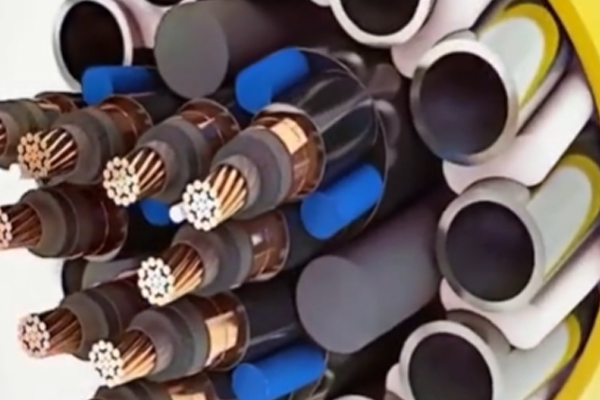
Enhancing 6G Communications with PTFE Solutions
PTFE solutions play a significant role in the evolution of 6G communications. With their low dielectric constant and exceptional electrical insulation, PTFE high-speed cable films minimize signal loss and ensure efficient data transmission. This is key for 6G, which aims to support faster speeds and lower latencies than its predecessors. As telecommunication networks undergo upgrades to accommodate unprecedented data rates, utilizing PTFE cables means maintaining reliability even under demanding conditions.
The material’s resistance to temperature fluctuations also proves essential for outdoor installations, where environmental changes could jeopardize performance. Furthermore, as demands for AI-driven applications rise, the ability of PTFE films to handle high-frequency signals becomes even more vital. This adaptability positions PTFE as a main contender in addressing the challenges of 6G technology’s unique requirements, paving the way for advanced use cases that depend on robust connectivity and high-speed data handling capabilities. With domestic production alternatives emerging, these solutions promise greater accessibility and cost-efficiency without compromising on performance standards that rival established international brands.
Cost advantages of Domestic PTFE Cable Films
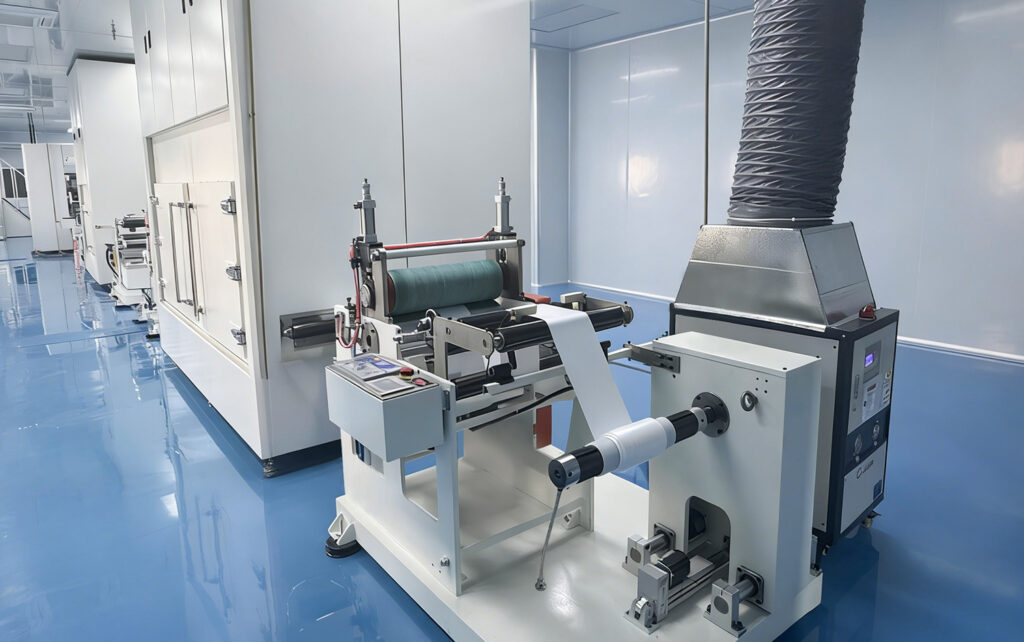
Domestic PTFE cable films offer significant cost advantages that make them appealing for manufacturers and consumers alike. By relying on local production, companies can reduce transportation costs and lead times associated with sourcing materials from overseas. This localization helps to streamline supply chains, resulting in faster turnaround times for projects that require high-speed cable solutions. furthermore, domestic PTFE manufacturers can better respond to market demands and fluctuations, allowing for competitive pricing without sacrificing quality. The reduction in import tariffs and trade-related expenses also plays a critical role in making domestic options more affordable. Furthermore, as production technologies continue to advance within local industries, the quality of domestic PTFE films is increasingly matching that of international brands, providing a compelling value proposition for users seeking both performance and cost-effectiveness. This dynamic not only bolsters local economies but also encourages innovation, driving further improvements in the properties and applications of PTFE cable films in various sectors, from telecommunications to emerging technologies.
Matching performance: PTFE Films vs. Global Brands
PTFE films manufactured by Guanr Hong are positioned to compete effectively with international brands in the high-speed cable film market. The combination of technical advancements and quality control allows these films to meet the stringent requirements of high-frequency data transmission. For instance, their low dielectric loss and excellent thermal performance make them suitable for demanding applications. When compared to global alternatives, domestic PTFE cable films often present a more favorable cost-benefit proposition without compromising quality. This competitive edge is particularly relevant as companies seek reliable, cost-effective solutions in the rapidly evolving tech situation. also, the ongoing trend toward local sourcing enhances supply chain efficiency while maintaining product integrity. As industries aim for advanced technology implementations, Guanr Hong’s innovations in PTFE films serve as viable substitutes that not only match but can sometimes surpass global specifications in performance and reliability.
Conclusion
PTFE high-speed cable film stands out as a vital component for modern data transmission needs. Its unique properties, including low dielectric constant and high thermal stability, enable reliable performance in high-frequency environments essential for AI servers and 6G communications. As industries increasingly seek materials that meet stringent performance standards, PTFE solutions offer a promising alternative to traditional cable films, particularly due to their resilience to extreme conditions and chemical exposure. Furthermore, the cost benefits associated with domestic production of PTFE films provide a competitive edge in the marketplace. The growing adoption of PTFE films indicates that their role will expand as technologies evolve, meeting the increasing demands for speed and efficiency in communication systems. With ongoing advancements in manufacturing processes and application techniques, PTFE is positioned to remain at the forefront of innovation in the high-speed data transmission scene.
FAQs
What is PTFE high-speed cable film?
PTFE high-speed cable film is a specialized material used to boost data transmission, characterized by its low dielectric constant and excellent insulation properties.
What are the benefits of using PTFE films in data transmission?
These films reduce signal delays and minimize signal loss, ensuring reliable performance in high-frequency applications.
Where is PTFE high-speed cable film commonly applied?
Common applications include RF coaxial cables, telecommunications, and advanced technologies like AI servers and 6G communications.
How does PTFE film compare to other materials in terms of performance?
PTFE films provide superior insulation and thermal stability, allowing for better performance in demanding environments compared to many alternative materials.
Are there cost advantages to using domestic PTFE cable films?
Yes, domestic PTFE films can reduce transportation costs and tariffs, leading to more competitive pricing without sacrificing quality.
How does moisture affect the performance of PTFE cable films?
PTFE’s hydrophobic nature minimizes moisture absorption, maintaining stable electrical performance even in humid conditions.
What role does temperature play in the effectiveness of PTFE films?
PTFE can operate efficiently within a wide temperature range from -200°C to 260°C, making it suitable for various applications with fluctuating temperatures.
Is there ongoing innovation in the production of PTFE film?
Yes, advancements in manufacturing processes continue to boost the quality and performance of domestic PTFE cable films.
Can PTFE solutions meet the demands of emerging technologies?
Yes, as technologies like 6G evolve, the unique properties of PTFE will be important for accommodating higher data rates and bandwidth requirements.