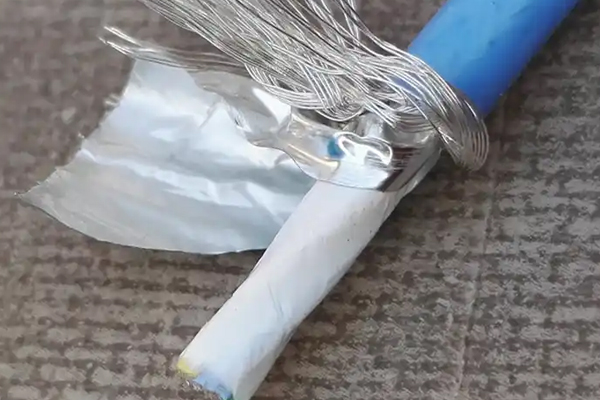
important Takeaways
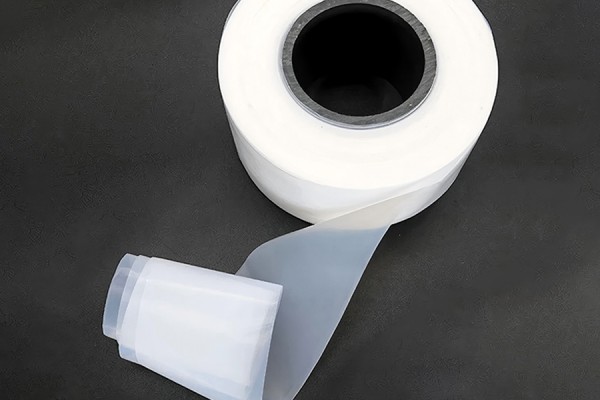
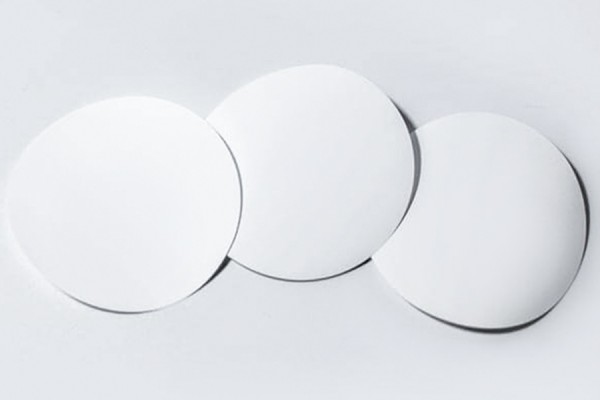
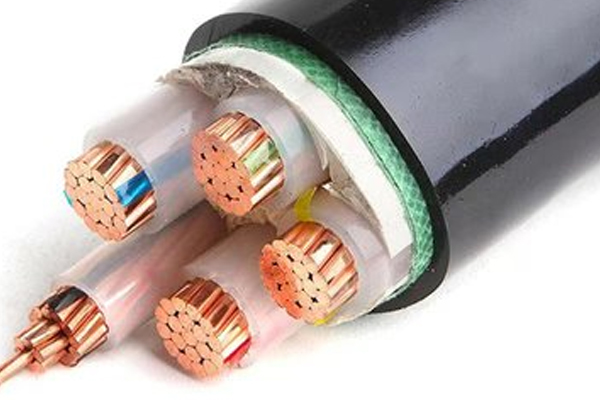
PTFE cable coil wrapping film plays a key role in boosting performance across demanding applications. It delivers notable advantages, such as strong insulation that curbs signal loss and increases device efficiency. The film’s durability guarantees lasting performance, even under extreme temperatures and tough environments, making it a dependable choice for sectors such as aerospace and automotive. Also, PTFE’s low dielectric constant helps preserve signal integrity by reducing attenuation, speeding up data transmission. This layered protection lets the material serve as a shield against electromagnetic interference, further safeguarding sensitive components. As technology raises performance expectations, the role of PTFE in cable insulation and its ability to adapt to new challenges will influence progress in electronic design and reliability. Ongoing development of PTFE materials should match growing requirements of modern applications, keeping them at the cutting edge of insulation innovation.
Leveraging PTFE for Enhanced Insulation
PTFE, or polytetrafluoroethylene, is key to achieving top-tier insulation across many uses. Its strong dielectric properties cut signal loss, making it suitable for high-speed transmission lines. Using PTFE wrap tape helps cut electromagnetic interference substantially, giving solid protection for delicate data signals. Moreover, products like DAC high-speed wrap film and AEC high-speed wrap film leverage PTFE’s inherent traits to boost performance in harsh settings. By isolating conductors and limiting heat transfer, the wrap film ensures efficient operation and extends cable lifespans in tough environments. The porous structure of PTFE fibers boosts sealing against the elements, reinforcing dependable insulation for electronics. As devices push toward faster speeds, using this core material helps makers meet rising performance demands efficiently.
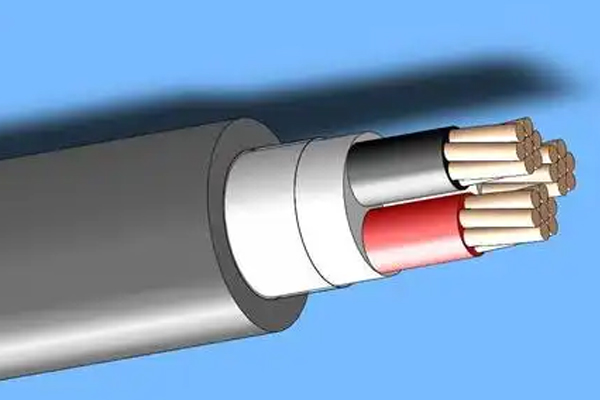
Durability of PTFE in Harsh Environments
The wrap demonstrates remarkable durability, suited to extreme environments. It can withstand temperatures ranging from -150 to 260 degrees Celsius, ensuring consistent performance in both freezing and intense heat. This versatility matters for aerospace and automotive uses, where temperature swings happen regularly. PTFE also resists a range of chemicals, including corrosive substances common in industrial settings. This chemical inertness provides an additional shield against degradation over time. Additionally, the film’s strong abrasion resistance extends its lifespan, reducing wear during use. Thus, this material remains a dependable option for insulating cables in harsh environments where performance and safety matter.
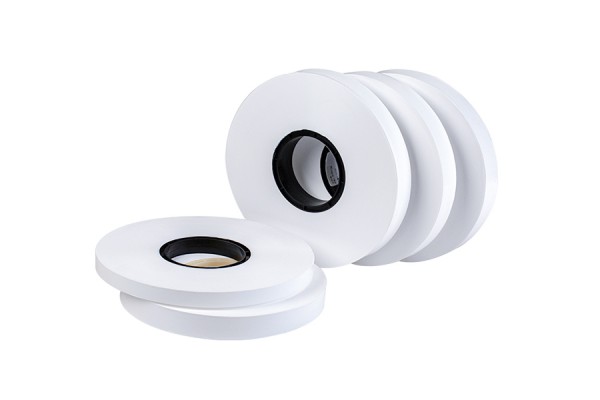
High-Speed Signal Protection with PTFE
The wrap film significantly boosts signal integrity for high-speed applications. Its low dielectric constant reduces signal attenuation, making precise data transfer possible. In environments with EMI risk, the material serves as a shield that guards delicate signals from external interference. That shielding capability is key to sustaining clarity and speed in communications, particularly in demanding settings such as 5G and aerospace tech. PTFE’s distinctive structure enables effective heat dissipation, boosting performance in high-frequency use. As devices rely more on fast data exchange, using this material improves both signal transmission efficiency and overall equipment reliability. Thanks to its sturdy protective properties, the material helps ensure optimal operation of advanced electronics and cables across changing conditions.
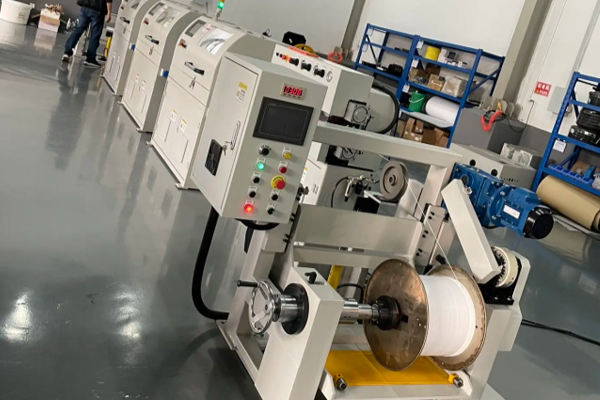
Thermal resistance in Cable Wrapping
This material’s thermal resistance is notable, making it suitable for demanding environments. Operating between -150 and 260 degrees Celsius, it withstands extreme temperature swings without sacrificing performance. That capability matters in sectors where overheating can degrade signals or cause equipment failure. The insulating traits of the material not only shield wires from heat but also help the film keep its structure over time. Also, PTFE’s low thermal conductivity reduces heat transfer inside cables, supporting efficient signal transmission. As devices evolve and demand higher performance, using this wrap in cable wrapping becomes a key factor in protecting functionality and longevity. Its capacity to offer enduring heat protection helps sustain reliable operations across high-performance applications, from telecom to aerospace technologies.
PTFE Film in Electronic Devices
The wrap film plays a vital part in contemporary electronics, boosting efficiency and longevity. Its superior insulation protects delicate components from environmental influences, ensuring dependable performance across many uses. PTFE’s low dielectric constant minimizes signal loss, making it suitable for high-frequency devices such as smartphones and communications gear. Additionally, its resistance to extreme temperatures and harsh chemicals enables reliable performance in demanding environments, including automotive and aerospace sectors. The microporous structure of the wrap affords water vapor permeability and pressure balance, supporting sound quality and device durability. As electronics advance and demand higher performance, using PTFE wrap films has grown crucial for robust protection and efficient signal transmission in advanced tech.
Maximizing performance with PTFE
The wrap film significantly enhances performance in electronic applications. Its distinctive properties limit signal loss while sustaining fast data transfer. By lowering dielectric loss, it enables more efficient operation at higher frequencies, which is increasingly essential as communications tech evolves. Its high tensile strength adds durability against mechanical stress, making it suitable for both rigid and flexible wiring setups. In addition, PTFE’s chemical inertness lets it endure harsh surroundings without compromising performance. This resilience helps in demanding sectors like aerospace and automotive, where reliability matters. Thus, industries can rely on this material to support innovative packaging and broaden the capabilities of their electronic systems.
The future of Cable Insulation
The future of cable insulation is leaning more toward advanced materials such as PTFE. As devices demand higher performance and reliability, the distinctive traits of the wrap film meet these requirements effectively. Its low dielectric constant reduces signal loss, enabling faster data transmission, essential for 5G and beyond. The durability of PTFE ensures it withstands extreme temperatures and harsh chemicals, making it suitable for aerospace, automotive, and medical settings. Moreover, the microporous structure of ePTFE offers waterproof breathability while keeping internal pressure balanced, improving audio quality in many devices. This adaptability signals PTFE’s role will grow as technology evolves and environmental requirements rise. As industries move toward smarter design and greener manufacturing, PTFE insulation contributions toward sustainability and efficiency will matter more in shaping the future landscape of electronic components.
Conclusion
The wrap film is a crucial material in advancing cable insulation technology. Its distinctive properties bring broad benefits across many applications, especially for improving insulation and offering solid protection against harsh environments. By reducing signal loss and ensuring reliable thermal management, the material remains important for high-performance electronics. Its capacity to endure extreme temperatures, assorted chemicals, and mechanical stresses also contributes to longer cable lifespans and improved reliability. As industries move toward more complex electronic designs, PTFE’s role in packaging and shielding cables grows in importance. Ongoing development will likely drive innovations in electronics, meeting the rising demand for efficiency, safety, and durability across a range of high-tech settings.
FAQs
What is this wrap film used for?
This wrap film is mainly used to insulate and shield cables in high-performance settings, ensuring efficient signal transmission and durability amid tough environments.
What advantages does PTFE offer for cable insulation?
PTFE delivers strong thermal resistance, low dielectric loss, and high chemical inertness, supporting performance in extreme temperatures and guarding against environmental factors.
How does this material improve signal integrity?
Its low dielectric constant lowers signal attenuation, and its shielding against EMI helps preserve clarity and speed in data transmission.
Can this wrap film endure harsh conditions?
Yes, it can tolerate temperatures from -150 to 260 degrees Celsius and resists a range of chemicals, making it suitable for demanding uses.
Where is PTFE typically used?
PTFE is widely used in aerospace, automotive, telecom, and electronics, where dependable insulation and protection matter.
Is PTFE environmentally friendly?
Although PTFE offers many performance benefits, its environmental impact during production and disposal raises concerns; still, advances aim to promote more sustainable practices.
What thickness choices exist for this wrapping film?
The wrap film is available in multiple thicknesses designed to meet different application needs, balancing protection with flexibility.