main Takeaways
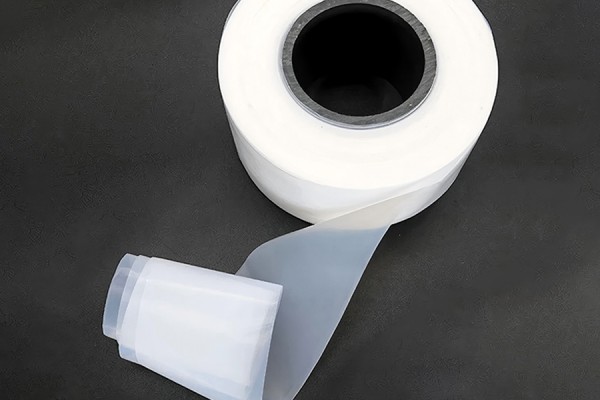
Polytetrafluoroethylene (PTFE) wrapping film stands out for its multiple benefits that cater to various industrial needs. Its durability is a key factor, letting it endure harsh environments without compromising performance. Also, its strong chemical resistance helps it stay resilient against harsh substances commonly encountered in many sectors. Its low-friction properties cut wear on equipment, extending service life and boosting efficiency in machinery. Industries like aerospace, electronics, and automotive rely on this film because of its versatility and dependable performance. As technology evolves, new PTFE formulations broaden its uses, underscoring its importance for today’s manufacturing challenges. The adaptability of this wrap amid shifting industrial demands underscores its ongoing relevance for safety and efficiency across varied uses.
Benefits of PTFE Wrapping Film
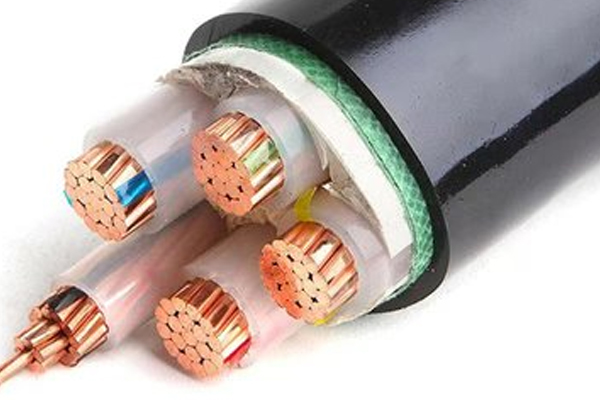
Polytetrafluoroethylene (PTFE) wrapping film offers several advantages that boost its usefulness in industrial settings. Its strong chemical resistance supports long life in environments with frequent chemical exposure. Also, the low-friction traits reduce wear and tear, helping maintain efficiency in high-speed machinery. In demanding setups, such as those involving high-speed transmission lines or cable wraps, the capacity to endure extreme conditions while delivering solid insulation remains important. Moreover, PTFE Thread Seal Tape and other specialized variants of PTFE wrapping film show notable durability in different installation contexts, keeping seals intact over time. The versatility extends to uses like DAC high-speed cable wraps and AEC high-speed cable wraps, underscoring their role in creating dependable insulation for high-frequency cables. As industries push forward, embracing the advantages of PTFE films remains key to achieving peak performance across varied manufacturing sectors. The film’s versatility across applications, from aerospace to food processing, highlights its essential role in modern manufacturing. Emerging advances further boost its usefulness, keeping this material at the forefront of technology and ready to meet current and future challenges across diverse sectors. With ongoing improvements in design and formulation, PTFE wrapping film stays relevant across many fields, continuing to deliver reliability and efficiency.
Durability of Polytetrafluoroethylene
The lasting durability of this fluoropolymer is a core reason for its broad adoption across many sectors. This thermoplastic polymer shows strong resistance to abrasion, suited for tough settings. It holds up under extreme conditions, such as high temperatures and aggressive chemicals. Unlike many materials, this compound does not break down or shed its characteristics over time. That endurance lowers the frequency of replacements, translating into meaningful cost savings in industrial use. Similarly, its mechanical strength enables it to resist stress without failing. In fields like aerospace and electronics, where reliability matters, its rugged nature inspires confidence in performance. The capacity to stay functional without notable decline boosts its appeal for manufacturing uses that demand dependable materials over the long term.
Chemical resistance factors in PTFE
This fluoropolymer shows strong resistance to chemicals, making it a solid choice for diverse industrial applications. Its molecular makeup, defined by carbon-fluorine bonds, delivers durability against corrosives and heat. It stays stable and preserves its characteristics when exposed to oils, acids, bases, and solvents. This resilience is especially crucial in tough settings like chemical processing and food production where harsh substances are common. Additionally, its non-reactive nature helps prevent leaching of harmful substances into products, supporting safety and regulatory compliance. Together, these factors boost equipment longevity and cut maintenance costs over time. As industries place more emphasis on chemical compatibility, this material remains a reliable solution for a wide range of applications across diverse sectors.
Low friction benefits in Industry
This fluoropolymer wrap delivers notably low friction, a key trait across multiple industrial uses. Its surface minimizes resistance when moving, ideal for gear and components needing smooth motion. That trait curbs wear on machinery, extending service life and trimming maintenance expenses. In fields like aerospace and manufacturing where precision matters, this film can raise the efficiency of moving parts. Additionally, the low-friction quality improves energy efficiency, since machines run with less load and use less power. Adding this wrap not only enhances performance but also helps reduce downtime from friction-related problems.
Applications of PTFE Film Types
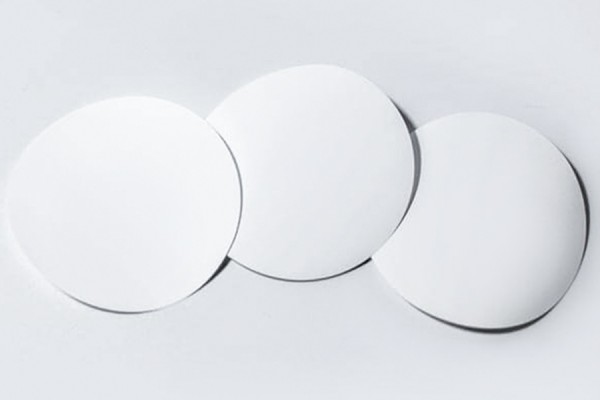
PTFE wrapping films serve a broad spectrum of industries thanks to their distinctive traits. In aerospace, such films strengthen insulation systems, delivering dependable performance in extreme environments. The electronics field uses these films in parts like connectors and wires, ensuring effective insulation from heat and moisture. In food processing, their non-stick properties simplify cleaning and maintenance. Medical uses include PTFE films in devices like artificial blood vessels, where durability and chemical resistance matter. Environmental tech employs these films in filtration systems to separate particles effectively, supporting cleaner processes. The versatility of this wrap makes it a go-to choice for makers needing durability and resistance to harsh environments. Each use case shows how this fluoropolymer’s properties fit industry demands for performance and reliability.
PTFE Film for High-Performance Uses
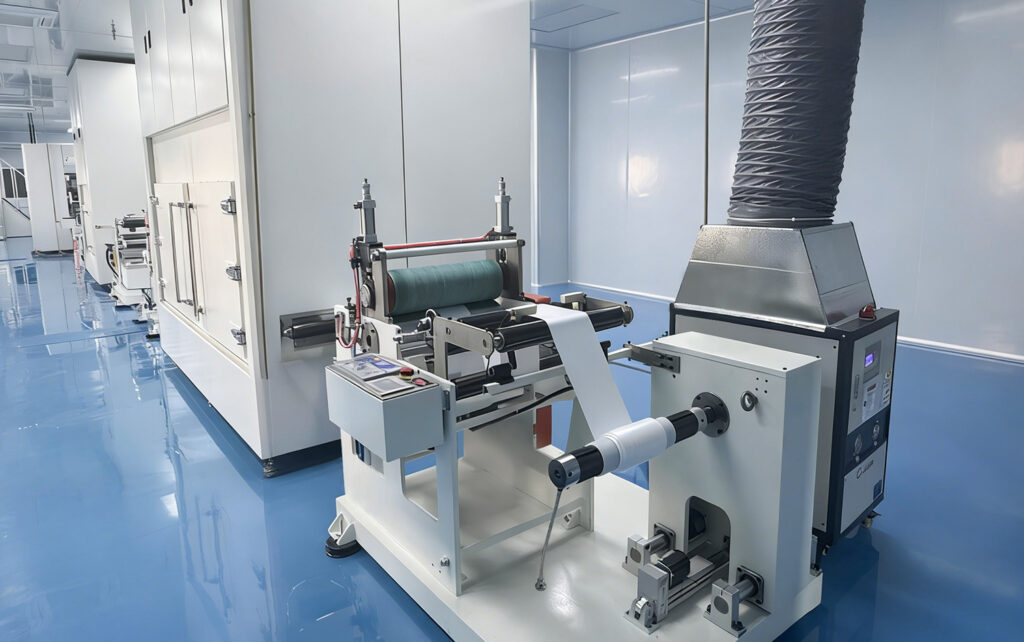
This fluoropolymer wrap is essential in demanding, high-performance settings thanks to its standout attributes. Its very low friction reduces wear on moving parts, making it ideal for machinery components where efficiency matters. Moreover, its strong chemical resistance supports longevity even under aggressive substances, key for sectors like chemical processing and pharmaceuticals. Its insulating properties also back its use in electrical applications, shielding sensitive parts from moisture and contaminants. Additionally, advances in production methods enable customizing this film, expanding its usefulness across different applications. This flexibility meets needs for lightweight, robust materials while preserving performance under extreme conditions, presenting this wrap as a trustworthy option in critical industries.
Versatile uses in Manufacturing
PTFE wrapping film is used across multiple manufacturing domains thanks to its standout traits. Its low-friction property makes this film ideal for conveyors, cutting wear and boosting efficiency. In automotive, this wrap is common in parts needing chemical resistance, like fuel lines and gaskets. In aerospace, it helps shield sensitive components from heat and chemical exposure, supporting safe operation. Additionally, many food processors rely on this wrap to maintain hygiene and prevent sticking during handling. Its versatility also covers electrical insulation, guarding against moisture and corrosion. Thus, this wrap proves essential across varied manufacturing settings by boosting performance and longevity.
Innovations with PTFE Wrapping Film
Recent progress in PTFE wrapping film has broadened its functionality across multiple industries. Manufacturers are creating PTFE films with greater elasticity and flexibility, enabling more complex applications. Nanoparticle technology added to PTFE formulations yields films with better thermal resistance while keeping their low friction. These advances are crucial for sectors such as aerospace and automotive, where lightweight, durable materials matter for performance. Additionally, ongoing work on biocompatible PTFE wrapping film unlocks new medical possibilities, especially for devices needing dependable chemical resistance with operation under body conditions. These developments show how this wrap is evolving to meet the evolving needs of modern manufacturing while keeping its core benefits.
Conclusion
This fluoropolymer wrap stands out across many industries thanks to its notable properties, making it a go-to option for a range of applications. Its durability delivers longevity, while its chemical resistance guards against harsh environments. The low-friction nature contributes not only to machine performance but also to overall efficiency by limiting wear over time. As industries push for new solutions, this wrap adapts to meet those needs effectively. The versatility of its applications, from aerospace to food processing, underscores its essential role in modern manufacturing. Ongoing advances further boost its usefulness, keeping this material at the forefront of technology and ready to meet current and future challenges across diverse sectors. With continued improvements in design and formulation, PTFE wrapping film remains significant across many fields while promising reliability and efficiency.
FAQs
What is PTFE wrapping film?
PTFE wrapping film is a versatile material known for its chemical resistance, low friction properties, and durability, making it ideal for various industrial applications.
What are the main benefits of using PTFE wrapping film?
The benefits include exceptional chemical resistance, reduced wear and tear due to low friction, and a long lifespan in demanding environments.
In which industries is PTFE wrapping film commonly used?
PTFE wrapping film is used in aerospace, electronics, food processing, automotive, and medical sectors due to its useful properties.
How does PTFE’s chemical resistance impact its applications?
PTFE’s chemical resistance allows it to maintain integrity and safety when in contact with harsh substances, important for industries like chemical processing and pharmaceuticals.
Can PTFE wrapping film contribute to energy efficiency?
Yes, the low friction characteristics of PTFE wrapping film can lead to improved energy efficiency by reducing strain on machinery during operation.
Is PTFE suitable for high-temperature applications?
Yes, PTFE can withstand high temperatures without degrading, making it suitable for high-performance uses in challenging environments.
How does the durability of PTFE affect maintenance costs?
The durability of PTFE reduces the need for frequent replacements or repairs, which can lead to significant cost savings over time in industrial settings.