important Takeaways
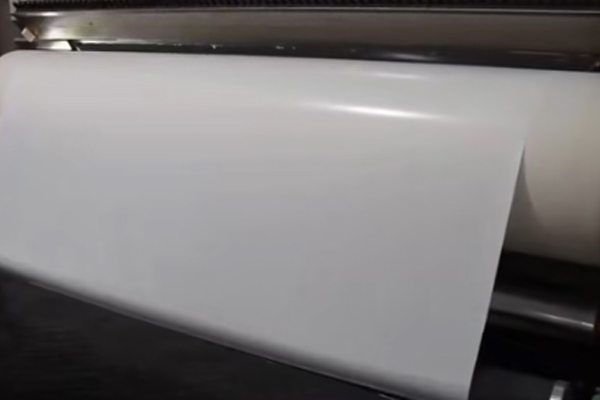
Teflon film’s unique properties make it a reliable choice in various industrial applications. Its durability means it can perform under extreme conditions, resisting both high temperatures and corrosive chemicals. This versatility allows Teflon film to be effectively utilized in sectors ranging from food packaging to electronics, where it ensures product integrity and safety. The ability to minimize friction contributes significantly to operational efficiency, which is particularly beneficial in manufacturing settings. As industries seek materials that boost performance while standing up to rigorous use, Teflon film emerges as a solution that meets these demands effectively. Its adaptability not only supports new applications but also reinforces existing processes across different fields, highlighting its importance in contemporary manufacturing environments.
Durable teflon film usage
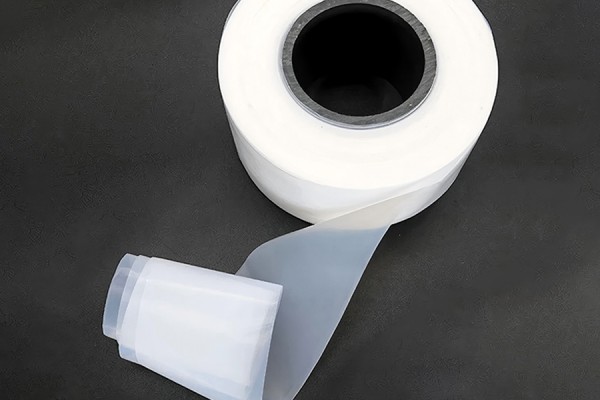
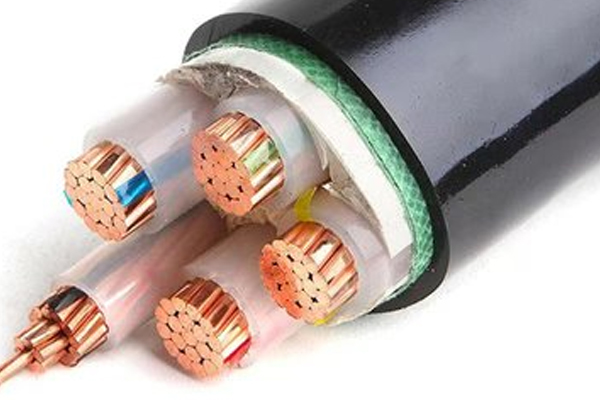
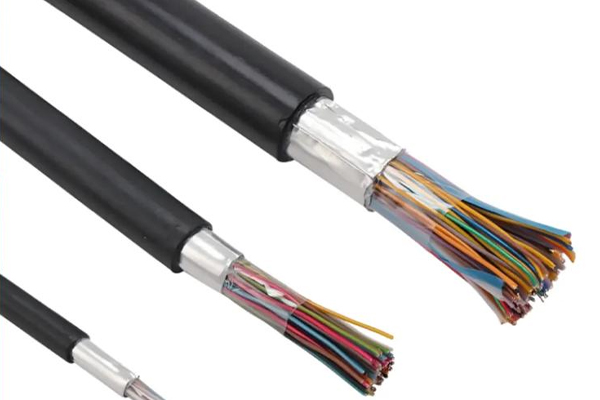
teflon film, known for its durability and versatility, is widely used in various industrial applications due to its unique properties. Its resistance to high temperatures and chemicals makes it ideal for heat sealing processes, where reliable insulating layers are necessary. In the context of electrical applications, products like PTFE wrapping tape and PTFE cable wrapping tape are essential for encasing high-speed transmission lines. These films provide protection against environmental factors while ensuring performance integrity. The adaptability of Teflon film extends to cable roll coating and specialized DAC high-speed cable wrapping films that cater to specific industrial needs. Whether used in a manufacturing setting or for electrical insulation, Teflon’s attributes contribute significantly to operational efficiency and reliability, streamlining processes across multiple sectors.
Teflon film in Heat Sealing
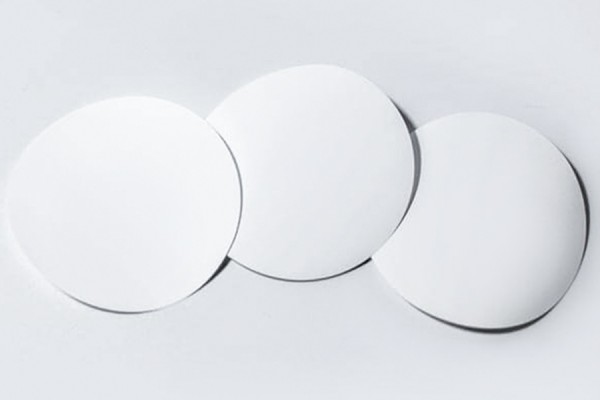
Teflon film plays a significant role in heat sealing applications due to its unique properties such as high thermal stability and low friction surface. These characteristics allow for effective sealing of various materials, especially in packaging and industrial applications. In heat sealing processes, Teflon film acts as a release agent, preventing materials from sticking to the sealing surfaces, which enhances efficiency. Its chemical resistance ensures that it can withstand exposure to different substances without degrading, making it suitable for diverse environments. furthermore, Teflon film’s durability helps maintain the integrity of the seal over time, minimizing leaks and product spoilage. This reliable performance makes Teflon film an essential component in modern manufacturing and packaging sectors.
Versatile applications of Teflon
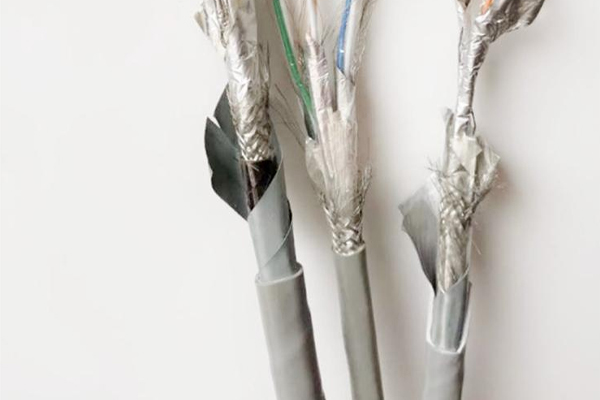
Teflon film plays a important role in a variety of industries due to its unique properties. In the food and beverage sector, it is widely used for packaging materials that require heat sealing, providing an effective barrier against moisture and contaminants. Its non-stick surface makes it ideal for cookware, simplifying cleaning processes and improving user experience. furthermore, in the automotive industry, Teflon film adds durability to parts that face harsh conditions, including high temperatures and chemicals.
"Teflon film’s chemical resistance allows it to maintain integrity under extreme conditions."
Its flexibility and toughness make it suitable for electrical insulation in different devices, protecting components from overheating. In the medical field, Teflon is favored for its biocompatibility when used in surgical instruments and implants. Overall, the adaptability of Teflon film across diverse applications showcases its significant contribution to modern manufacturing practices and product development.
Enhancing manufacturing with Teflon
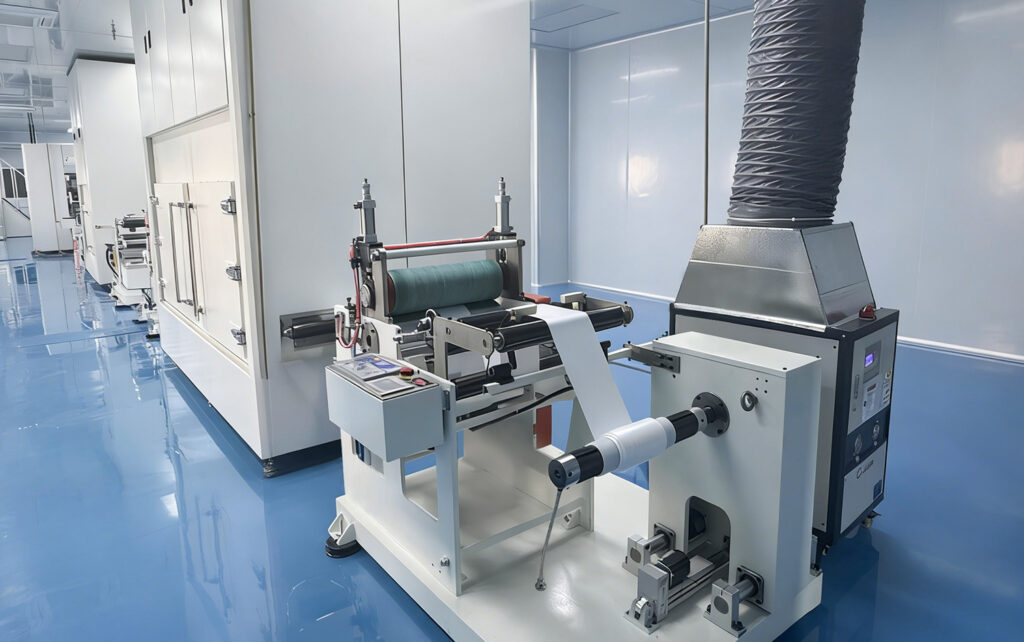
Teflon film plays a significant role in modern manufacturing due to its excellent thermal stability and chemical resistance. These characteristics allow for its use in high-temperature applications, such as in machinery that requires heat sealing and insulation. Manufacturers leverage Teflon film to reduce friction, which helps prolong the life of moving parts and improves operational efficiency. furthermore, Teflon’s non-stick properties prevent the adherence of materials, making it ideal for conveyor systems where product transfer is essential. Industries such as aerospace and automotive benefit from this innovation, as it aids in producing components that can withstand harsh environments. The versatility of Teflon film also allows for easy customization, accommodating various shapes and sizes to meet specific manufacturing needs without compromising performance.
Teflon film benefits explained
teflon film offers a range of benefits that make it a favorable choice in various applications. Its important advantage lies in its chemical resistance, allowing it to withstand exposure to harsh substances without degrading. This property is vital for industries that rely on materials which may corrode or react with other chemicals. furthermore, Teflon film exhibits excellent thermal stability, maintaining its integrity across a broad range of temperatures, which is important in processes like heat sealing and manufacturing. The mechanical strength of Teflon ensures durability, reducing wear and tear in demanding environments. Furthermore, its non-stick surface minimizes friction, enhancing the efficiency of machinery and reducing maintenance costs over time. By incorporating Teflon film into operations, companies can improve product longevity and operational reliability while benefiting from the unique characteristics that this material provides across numerous sectors.
original Uses of Teflon Film
Teflon film finds original applications in various fields beyond traditional uses. In the electronics industry, its insulating properties are employed to boost circuit boards, providing protection against moisture and harsh environments. In the medical sector, Teflon film is utilized in devices that require biocompatibility and chemical resistance, ensuring safety and effectiveness. Moreover, its non-stick characteristics are advantageous in catering and food packaging, allowing for easy clean-up and preventing contamination. Aerospace is another area where Teflon film plays a main role; it contributes to lightweight insulation materials that withstand extreme temperatures. also, the automotive industry leverages Teflon film for fuel lines and seals that require durability under pressure and exposure to various chemicals. These diverse applications display the adaptability of Teflon film in meeting the demands of modern industries while addressing specific challenges across sectors.
Teflon in Modern Industries
Teflon film is increasingly integral across various sectors due to its unique properties. In the manufacturing domain, Teflon serves critical roles in conveyor systems and surface protection, thanks to its low friction characteristics. This capability minimizes wear and extends the life span of machinery. The film’s ability to withstand high temperatures makes it suitable for applications involving heat sealing processes in food packaging and industrial settings. In the electrical industry, Teflon film is used for insulation and as a protective layer on wires, effectively preventing short circuits due to its excellent dielectric properties. Its chemical resistance enhances safety and durability, allowing it to be utilized in harsh environments where exposure to corrosive substances occurs. These qualities position Teflon film as a reliable choice for industries striving for efficiency, safety, and longevity in their operations.
Chemical resistance of Teflon
Teflon exhibits exceptional chemical resistance, making it a preferred choice in environments where exposure to corrosive substances is common. This thermoplastic can withstand a wide range of chemicals, acids, and bases without degrading or losing its protective properties. For industries involving harsh chemicals, such as pharmaceuticals and food processing, Teflon’s stability ensures long-lasting performance. Its inert nature prevents interactions with reactive substances, minimizing contamination risks. While many materials succumb to chemical exposure, Teflon maintains its integrity, facilitating clean processes and reliable manufacturing. This resistance not only extends the service life of equipment but also improves safety standards in handling materials. The ability to endure extreme conditions without compromising performance allows Teflon to play a critical role across multiple sectors, reinforcing its value in modern applications.
Conclusion
teflon film’s durability and unique properties make it an essential material across various industries. Its chemical resistance ensures reliable performance even in harsh conditions, making it suitable for applications ranging from food packaging to electrical insulation. The heat stability and non-stick nature of Teflon film directly contribute to increased operational efficiency in manufacturing processes. Industries such as aerospace and automotive benefit from its resistance to extreme temperatures, allowing for the production of components designed to withstand rigor. The versatility of Teflon film promotes innovation, enabling developments that address specific industrial challenges while enhancing product quality. As sectors continue to evolve, the demand for Teflon film is likely to increase, solidifying its role as a cornerstone in modern manufacturing practices.
FAQs
What is Teflon film used for?
Teflon film is used in various industries, including packaging, automotive, medical, and electronics, due to its high durability and chemical resistance.
How does Teflon film improve heat sealing?
Its high thermal stability and low friction surface prevent sticking during heat sealing processes, improving efficiency and effectiveness.
Is Teflon film safe for food applications?
Yes, Teflon film meets safety standards for food packaging, providing a non-stick surface that reduces contamination risks.
Can Teflon film withstand extreme temperatures?
Teflon film maintains its integrity in high-temperature environments, making it ideal for applications that involve heat exposure.
What advantages does Teflon offer in electrical insulation?
Teflon provides excellent dielectric properties and chemical resistance, ensuring reliable protection for wiring and components against overheating.