
Key Takeaways
Polytetrafluoroethylene (PTFE) wrapping film earns its place in industry because it does a few hard jobs well. It holds up in rough conditions, which means fewer failures and less downtime. It shrugs off harsh chemicals, so plants in chemical processing and healthcare keep using it where other materials give out. It also shows up in electronics, where insulation and clean signal transfer matter more than marketing copy. Engineers keep reaching for it because it solves annoying, expensive problems without much fuss.
PTFE Wrapping Film Applications
PTFE film turns up in more places than people expect. In electronics, high-speed transmission line tape helps keep signals clean in advanced communication systems. Its chemical resistance and stability make it a sensible choice for cable wrapping, especially where moisture, solvents, or heat would chew through ordinary materials.
DAC, AEC, and AOC high-speed cable wraps also rely on it when the job involves fast signals and tight tolerances. PTFE Thread Seal Tape is another common use, especially in piping where leaks are a headache no one wants to revisit later.
PTFE cable roll coating is a practical option for manufacturers that want smoother processing and longer-lasting products. These uses cover a wide spread of industries, from aerospace to healthcare. The range keeps growing because people keep finding awkward situations where this material is one of the few that behaves properly.
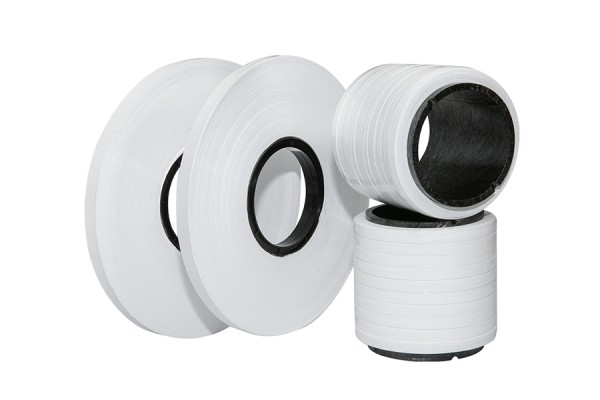
Durability of PTFE in Industry
PTFE has a reputation for lasting through abuse, and that reputation is deserved. It keeps its shape across harsh temperatures, with performance that remains steady between -200°C and 260°C. That matters when equipment runs hot, cold, or both in the same shift.
Its resistance to wear helps parts last longer and cuts down on maintenance. It also stands up to most acids and bases without corroding, which is why chemical plants trust it more than they trust cheaper substitutes. The low-friction surface helps machinery run smoothly because residue does not cling as easily. Aerospace, automotive, and food processing all use it for the same basic reason: failures are expensive, and PTFE lowers the odds.

PTFE in Electronics and Beyond
PTFE wrapping film matters a lot in electronics, especially where insulation has to hold up under fast signals. Its low dielectric constant and low loss help telecommunications systems move data cleanly, including 5G and 6G networks. Flexible circuit boards also benefit from its light weight and heat resistance.
"Using PTFE, engineers can design more reliable electronic components that withstand demanding environments."
In semiconductor work, the film is used for insulation layers that protect sensitive circuits from moisture and contamination. It also resists chemical damage, which gives devices a longer useful life when they are used in rough settings. Demand from renewable energy and electric vehicles has pushed it into even more roles. Battery management systems depend on it for thermal stability and electrical insulation, and that is not a glamorous job, just a necessary one.
In short, PTFE film has become one of those materials that quietly keeps modern electronics from falling apart.

The versatility of Polytetrafluoroethylene
PTFE wrapping film is used across a wide mix of industries because it behaves well in places where other materials get messy. Its low friction makes it useful in machinery, where it helps reduce wear and keeps systems running more smoothly. In automotive work, PTFE wraps protect parts from heat and chemical exposure, which helps components last longer than they otherwise would.
Food processing uses it for its non-stick surface, so cleaning is less painful and equipment does not get gummed up so quickly. In healthcare, its biocompatibility makes it suitable for medical devices, including tools used in minimally invasive procedures. It also matters in electronics, where it insulates sensitive parts from environmental damage. The material ends up being useful because it is reliable, not because it sounds impressive in a brochure.
Revolutionary uses of PTFE Film
PTFE film has found serious uses in a lot of industries because it has a few traits that are hard to replace. In aerospace, it serves as insulation for wiring and electrical parts, where heat and harsh chemicals are part of the job description. In food processing, the non-stick surface helps with release in baking and cooking equipment, which saves time and reduces waste.
Electronics makers use it in flexible printed circuit boards, where durability matters and space is always tight. Healthcare uses it in medical devices too, especially in artificial blood vessels and wound dressings, where biocompatibility and low friction are useful in very different ways. Environmental systems also depend on it in filtration equipment for air and water. It keeps showing up because it solves problems that are otherwise annoying, expensive, or both.
Chemical resistance in PTFE Products
PTFE resists a broad set of chemicals, which is why it gets used where aggressive substances are part of daily operations. Its structure barely reacts with acids, bases, or organic solvents, so it does not break down the way many plastics do. That makes it useful in industrial piping and chemical processing equipment.
Keeping its shape under those conditions matters for both safety and efficiency. It also lowers maintenance because the material is not constantly being eaten away by its surroundings. Engineers trust it for that reason, not because it is flashy. In electronics, the same chemical resistance helps protect wires and circuits that may be exposed to volatile materials. The payoff is simple: fewer failures and fewer headaches.
Healthcare solutions with PTFE Wrapping
Polytetrafluoroethylene (PTFE) wrapping film has a solid place in healthcare because it fits the basic requirements without drama. It is biocompatible, so medical devices made with it are less likely to irritate tissue or cause unwanted reactions. In artificial blood vessels and wound dressings, it provides sealing while still allowing breathability, which matters more than people outside the field usually realize.
Its chemical resistance helps during sterilization, keeping equipment intact through repeated cleaning cycles. The low-friction surface is useful in catheters and surgical tools, where smooth movement can make a procedure less difficult. The material is also flexible enough to fit different shapes and surfaces, which makes life easier for device designers. In medical settings, that kind of dependability beats a fancy story every time.
PTFE Film: A Game Changer
PTFE film gets used so widely because it handles jobs that are hard on ordinary materials. Its low-friction surface and thermal stability make it a strong choice for applications that have to keep working under stress. In aerospace, it appears in gaskets and seals that need to stay reliable in heat and corrosive conditions.
Electronics teams use it for cables, circuit boards, and components that need insulation and resistance to electrical surges. In healthcare, PTFE wrapping film is used in implants and protective gear because it is compatible with the body and does not get in the way. It also acts as a barrier in manufacturing settings where corrosive substances would wreck weaker materials. Air and water filtration systems rely on it too, since those systems need materials that last without falling apart. The material is useful because it keeps solving different problems without asking for much in return.
Conclusion
the system has found a permanent place in more than one industry because it handles abuse, chemicals, and heat with very little drama. People use it when downtime is expensive and failure is not an option. Its chemical resistance matters in places like healthcare and chemical processing, while its insulation properties keep showing up in electronics and telecommunications. In medical devices, it gives designers a material they can trust without overthinking it. Demand stays strong because the job list keeps getting longer, and this is one of the few materials that still feels like a sensible answer.
FAQs
What is the platform used for?
PTFE wrapping film is used in electronics, healthcare, aerospace, and food processing because it holds up well and resists chemicals.
How does PTFE offer chemical resistance?
PTFE resists most acids and bases because its molecular structure is very stable, so aggressive chemicals have a hard time breaking it down.
Can PTFE wrapping film handle extreme temperatures?
Yes. It can handle temperatures between -200°C and 260°C without losing its shape or function.
Is PTFE safe for medical applications?
PTFE is biocompatible and is commonly used in medical devices such as artificial blood vessels and wound dressings, where contact with tissue is expected.
How does the versatility of PTFE benefit different industries?
Its low friction, chemical resistance, and thermal stability let it work in a wide range of uses without needing constant redesign.
What are the advantages of using PTFE in electrical insulation?
PTFE provides strong insulation with low dielectric loss, which makes it useful in high-frequency telecom components.
Is there a difference between various types of PTFE films?
Yes. Different PTFE films are made for different jobs, such as extra flexibility, higher pressure resistance, or specific manufacturing needs.
How does PTFE contribute to safety in industrial environments?
Its durability and chemical resistance help reduce equipment failures, leaks, and the kind of accidents that start as small maintenance issues and turn into bigger problems.