
important Takeaways
PTFE film’s unique properties make it a critical material in various high-performance applications. Its superior chemical resistance ensures longevity in aggressive environments, significantly impacting industries like electronics and aerospace. The film’s low friction characteristics improve operational efficiency, reducing wear on mechanical elements and enhancing performance across multiple sectors. Thermal stability allows PTFE film to maintain functionality under extreme temperatures, a necessity for applications facing fluctuating conditions. In food processing, the non-stick nature of PTFE minimizes contamination risks while promoting easier cleaning processes. The continuous evolution of PTFE technology points to a growing potential in meeting the increasing demands of specialized industrial applications, reinforcing its status as a reliable choice for material solutions.
Importance of PTFE Film
PTFE film is critical in various high-performance applications due to its remarkable properties. Its chemical resistance allows it to withstand aggressive environments, making it invaluable in sectors like aerospace and electronics. The low friction coefficients of PTFE film facilitate smooth operation in systems that rely on high-speed transmission. In addition, the thermal stability of PTFE is essential for components exposed to extreme temperatures, ensuring reliability and performance.
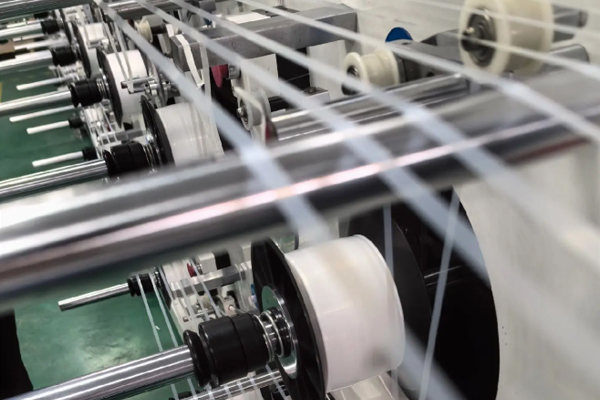
Industries utilize high-speed transmission line PTFE wrapping tape for insulation and protection against moisture, while PTFE wrapping film presents a versatile option for various applications. In specialized setups, the use of PTFE Thread Seal Tape improves reliability in threaded connections across different industries. Furthermore, the introduction of DAC high-speed cable wrapping film enhances performance for modern communication applications. These features emphasize the importance of PTFE film in delivering solutions that meet demanding specifications while providing durability and dependability.
"Selecting the right PTFE solution can significantly impact operational efficacy."

PTFE Film in Electronics
PTFE film plays a vital role in the electronics sector due to its superior electrical insulation properties and resistance to various environmental factors. This film is utilized in capacitors, connectors, and circuit boards where reliable insulation is necessary. The low dielectric constant and loss factor of PTFE contribute to its efficiency in high-frequency applications, making it ideal for advanced telecommunications equipment. The film’s chemical inertia ensures stability in harsh conditions, which is important for components exposed to chemical solvents or aggressive atmospheres. also, PTFE’s non-stick surface reduces friction between electronic parts, enhancing performance and longevity. With increasing demand for miniaturization in electronics, the adaptability of PTFE film enables it to meet both space and thermal management requirements in modern devices. Such versatility supports innovations across various electronic applications, ensuring consistent performance under demanding operational scenarios.

Chemical resistance of PTFE
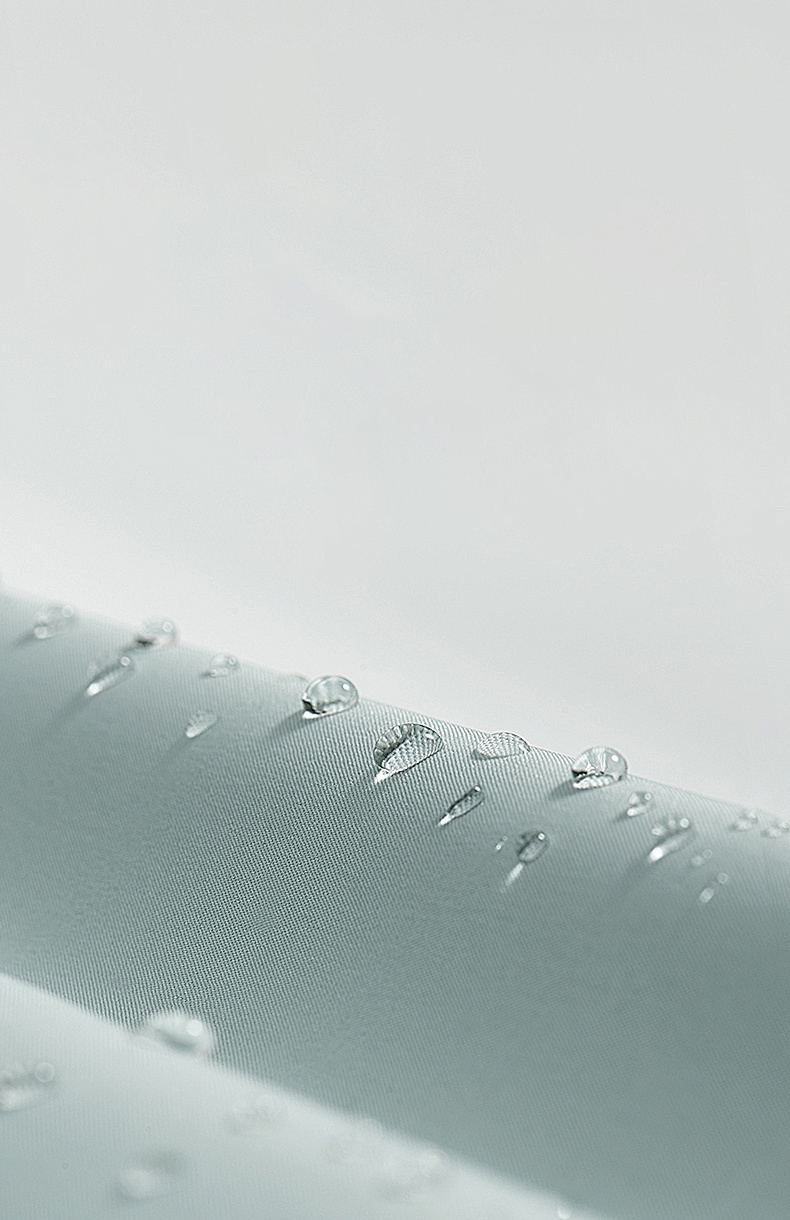
PTFE exhibits remarkable chemical resistance, making it a preferred choice in demanding environments. It withstands harsh solvents, acids, and bases without degrading or reacting, ensuring material integrity over extended use. This property is particularly vital in the chemical processing industry, where equipment comes into contact with corrosive substances. Its ability to maintain performance amidst challenging conditions enhances safety and reliability. PTFE’s non-reactive nature means that it does not leach into products, an essential requirement in food processing and pharmaceuticals. Furthermore, this resistance to chemical attack minimizes the risk of contamination, supporting stringent industry standards. As a result, manufacturers can implement PTFE solutions with confidence across various applications without worrying about material failure.
PTFE Film for Aerospace
In aerospace applications, PTFE film is a critical component, primarily due to its exceptional chemical resistance and lightweight properties. It is widely utilized in the manufacture of insulating materials for wiring and harnesses, protecting sensitive components from harsh environmental factors. The film’s non-stick nature prevents contaminants from adhering, ensuring reliable performance in detailed systems such as fuel lines, valves, and connectors. Moreover, PTFE film is effective in minimizing friction between moving parts, which enhances system efficiency and longevity. Its ability to withstand a wide range of temperatures makes it suitable for various aerospace environments. As aircraft encounter extreme conditions during flight, PTFE film contributes significantly to operational reliability by ensuring that systems remain functional under high-stress scenarios. This capability not only improves safety but also reduces maintenance costs over time. Manufacturers continuously refine PTFE formulations to meet stringent aerospace standards while improving durability and performance in emerging applications.
Thermal stability benefits
PTFE film exhibits remarkable thermal stability, maintaining performance across a wide temperature range. It can function in environments as low as -200℃ and as high as +260℃, ensuring reliability in extreme conditions. This adaptability is essential for applications in aerospace and electronics, where thermal fluctuations can affect material integrity. PTFE’s ability to tolerate short-term exposures above 300℃ adds another layer of functional versatility, enabling its use in high-heat processes without degradation. This stability enhances the film’s longevity and reduces the need for frequent replacements, which is beneficial in high-performance settings where downtime is critical. The inert nature of PTFE also helps it resist chemical reactions that can occur at elevated temperatures, prolonging its life and maintaining operational efficiency even under challenging conditions.
PTFE Usage in Food Processing
PTFE film plays a significant role in food processing due to its non-stick characteristics and chemical resistance. It is commonly used as a lining material in food processing equipment, ensuring easy release of food products and minimizing waste. The inert nature of PTFE prevents contamination, making it ideal for applications that require strict hygiene standards. This film withstands various temperatures, ensuring performance during different cooking processes, from baking to deep-frying. In addition, PTFE’s thermal stability contributes to its durability under heat stress, which is main in high-temperature cooking environments. The integration of PTFE film in processing lines enhances operational efficiency, reducing downtime for cleaning and maintenance. Furthermore, its compatibility with a wide range of food substances supports versatility across different food items like baked goods and processed meats. This adaptability leads to improved product consistency and quality across the food production spectrum.
Advantages of Low Friction
PTFE film’s low friction properties significantly improve performance in various applications. This characteristic allows for reduced wear and tear on mechanical components. In electronic devices, for example, PTFE film minimizes friction in moving parts, contributing to smoother functionality and extended lifespan of equipment. The low friction surface also improves efficiency in aerospace applications by decreasing energy consumption during flight. In food processing industries, PTFE film helps in easy release of products from molds, ensuring efficiency in manufacturing processes. The non-stick nature eliminates the need for additional lubricants, which can introduce contaminants. Overall, the low friction advantage of PTFE film not only promotes performance but also enhances reliability across multiple high-performance sectors.
High-Performance PTFE Solutions
High-performance PTFE solutions cater to the needs of industries requiring reliable materials under challenging conditions. These solutions are tailored to improve product longevity and operational efficiency. For example, PTFE film serves critical roles in high-frequency electronic applications due to its excellent insulating properties and low dielectric constant. Its high-temperature resilience makes it indispensable for aerospace applications, where thermal extremes are common. In food processing, PTFE film ensures compliance with safety standards while providing a non-stick surface that simplifies cleaning and maintenance. Manufacturers often customize thickness and dimensions to meet specific application requirements, delivering flexibility and effectiveness in various settings. furthermore, ongoing research focuses on developing advanced formulations that further boost PTFE’s properties, enhancing its performance across diverse environments while maintaining its inherent chemical resistance and durability.
Conclusion
PTFE film is integral to the efficiency and reliability of high-performance applications across various industries. Its unique properties, chemical resistance, low friction, and thermal stability, enable innovations and improvements in sectors such as aerospace, electronics, and food processing. The ability to withstand extreme conditions allows PTFE to meet demanding specifications while ensuring safety and performance. Aerospace systems benefit from reduced wear in moving components, while electronics thrive on efficient energy use due to lower friction levels. In food processing, PTFE’s non-stick characteristics contribute significantly to operational efficiency. As industries evolve, the demand for customized PTFE solutions continues to grow, illustrating the film’s role in addressing complex challenges. The ongoing advancements in PTFE technology push these boundaries further, reinforcing its status as a leading material choice for high-performance applications.
FAQs
What is PTFE film?
PTFE film is a high-performance polymer film known for its chemical resistance, low friction, and thermal stability.
What industries commonly use PTFE film?
PTFE film is widely utilized in aerospace, electronics, and food processing industries due to its unique properties.
How does PTFE film boost performance in electronics?
PTFE film provides excellent electrical insulation and minimizes friction between components, improving the efficiency and longevity of electronic devices.
Why is chemical resistance important for PTFE film?
Chemical resistance prevents degradation in harsh environments, ensuring the integrity of equipment used in the chemical processing and food industries.
What benefits does the thermal stability of PTFE offer?
Thermal stability allows PTFE to function effectively across extreme temperatures, reducing the need for frequent replacements in demanding applications.