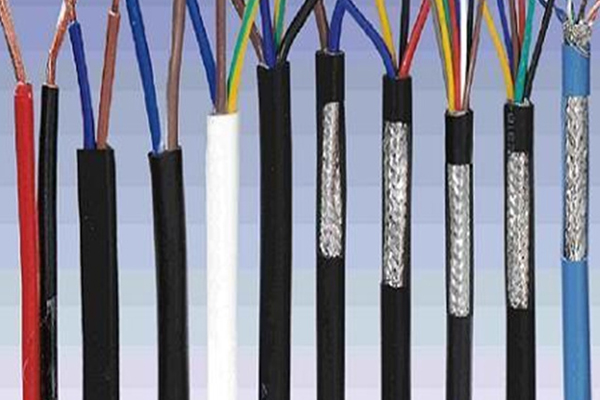
main Takeaways
PTFE high-speed cable film stands out for its unmatched reliability and performance across various demanding applications. Its durability, stemming from a low thermal expansion coefficient, ensures structural integrity under harsh conditions. High insulation resistance helps minimize energy losses, while PTFE’s ability to tolerate extreme temperatures , from -200°C to +260°C , ensures operational reliability in aerospace and automotive environments. The film’s microporous structure enhances signal transmission efficiencies by reducing signal loss, making it ideal for high-frequency communication needs. furthermore, the impressive corrosion resistance of PTFE means it remains effective in environments where other materials might fail. These characteristics point out PTFE film as a versatile solution in the modern electrical situation, affirming its importance for ensuring consistent and efficient performance across critical applications.
Unmatched durability of PTFE Film
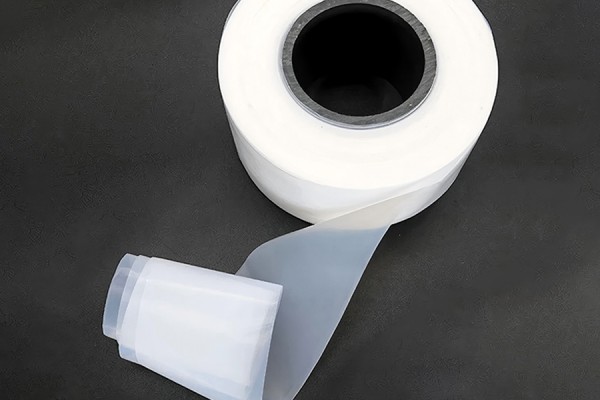
PTFE film, known for its remarkable durability, is engineered to withstand harsh conditions faced in various electrical applications. Its low thermal expansion coefficient allows it to maintain structural integrity across a wide temperature range, from -200°C to +260°C. Such resilience ensures that PTFE high-speed cable film remains effective even in extreme environments often encountered in aerospace and chemical processing industries. The lightweight and thin characteristics of PTFE wrapping film make installation more manageable without compromising on performance. Furthermore, the unique microporous mesh structure of the film supports high-speed transmission by minimizing signal loss and ensuring reliable electromagnetic shielding. When utilized in systems like DAC high-speed cable wrapping film or AEC high-speed cable wrapping film, the durability of PTFE significantly enhances overall functionality and prolongs the service life of cables. Continuous advancements in manufacturing techniques have led to improvements in products such as PTFE thread seal tape and other specialized films that cater to demanding applications, establishing PTFE as a preferred choice for both insulation and protection in modern electrical systems.
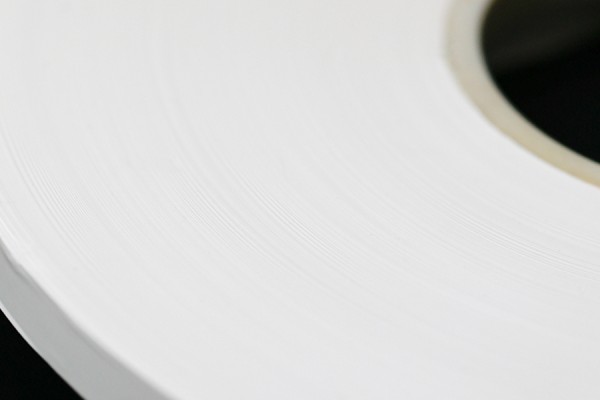
Performance insights of PTFE Cables
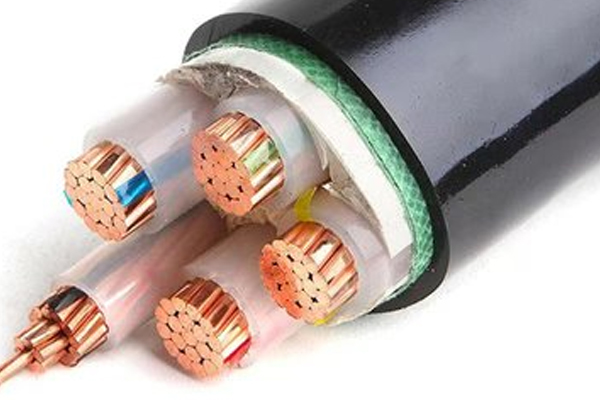
PTFE cables exhibit impressive performance characteristics that cater to demanding electrical applications. These cables provide excellent insulation resistance, effectively minimizing energy losses due to electrical leakage. The material’s ability to withstand extreme temperatures, from -200°C to +260°C, ensures reliable operation in various environments. "A well-designed PTFE cable can maintain performance even when subjected to short bursts of heat exceeding 300°C." furthermore, the low dielectric constant of PTFE contributes to minimal signal degradation, making it suitable for high-frequency applications like RF and microwave communications. The robust structure of PTFE cables offers superior tensile strength, enhancing durability during installation and usage. This durability is essential for applications in aviation and automotive industries where safety and performance are critical. Overall, the reliable insulation provided by PTFE cables ensures consistent functionality and longevity in high-stress scenarios.
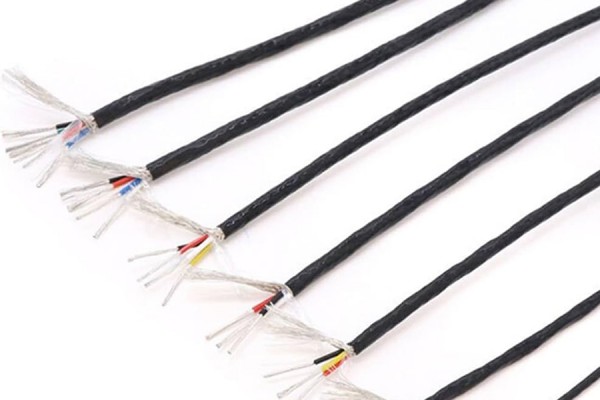
High-Temperature Uses of PTFE Film
PTFE film is particularly suited for applications that endure extreme temperatures. Its thermal stability allows it to function effectively in environments ranging from -200°C to +260°C, with short-term exposure tolerating up to 300°C. This capability makes it a preferred choice for high-temperature electronic wires, such as those used in aerospace applications and automotive wiring harnesses. Moreover, PTFE’s low thermal expansion coefficient contributes to the reliability of connections in devices exposed to fluctuating temperatures. In communication technology, PTFE film is essential for RF and microwave cables, which require robust insulation while minimizing signal loss. These properties enable designers to implement PTFE film for high-speed data transmission needs, ensuring performance remains uncompromised even at elevated temperatures typical of modern electronic systems. The lightweight nature of PTFE film further facilitates ease of installation and integration into various electronic devices without adding significant weight.
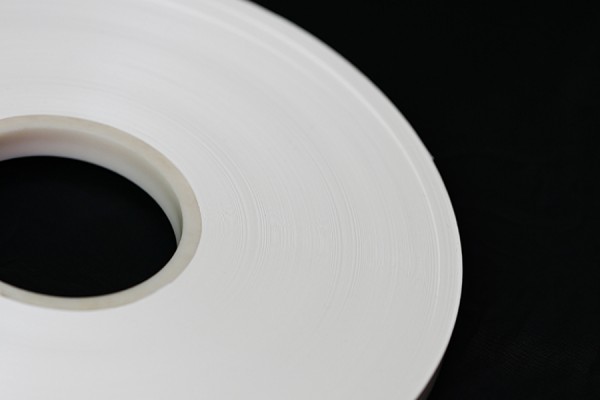
Corrosion resistance in PTFE Film
PTFE film offers remarkable corrosion resistance, making it suitable for challenging environments. Its chemical inertness ensures it can withstand a variety of corrosive substances, including acids and alkalis, without degrading. This property is important in applications such as chemical processing plants and offshore facilities where exposure to harsh conditions is routine. The low surface energy of PTFE means that contaminants do not easily adhere to it, further enhancing its corrosion-resistant characteristics. In situations where traditional materials might falter, PTFE consistently maintains its integrity over prolonged periods. This reliability supports the safe operation of electronics in demanding applications, reinforcing the importance of selecting appropriate insulation materials for long-lasting performance and protection against environmental factors.
PTFE Cable Solutions for Electronics
PTFE high-speed cable film plays a vital role in modern electronics by providing efficient solutions for high-temperature applications. Its lightweight composition reduces the overall weight of wiring systems, enhancing design flexibility and simplifying installation processes. This film exhibits outstanding insulation properties, essential for maintaining signal integrity in RF and microwave cables. With its ability to withstand extreme temperatures, PTFE film is ideal for environments where conventional materials may fail.
In automotive systems, PTFE cables enable reliable performance under varying thermal conditions, whereas in aerospace applications, their resistance to chemicals and tough conditions ensures long-lasting functionality. furthermore, PTFE’s low dielectric constant minimizes signal loss during transmission, making it important in data centers and 5G communication systems where speed and reliability are paramount.
The advanced mechanical properties of PTFE also reduce the risk of wear and tear, guaranteeing longevity and reduced maintenance needs for electronic systems. This combination of characteristics positions PTFE high-speed cable film as a preferred choice in the continuously evolving electronics scene.
Advancements in Cable Insulation
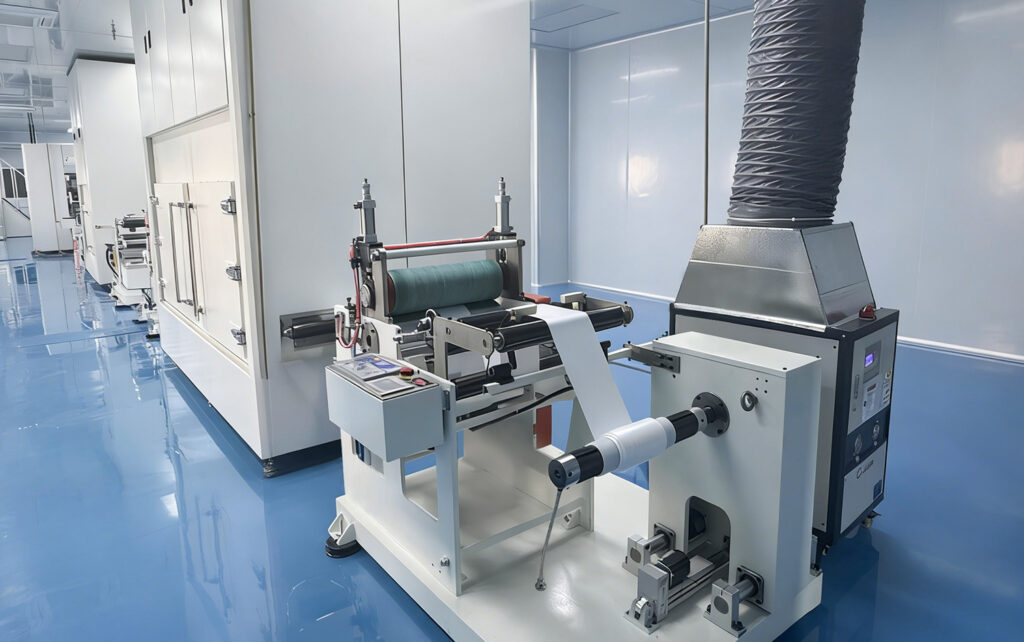
Recent advancements in cable insulation technology focus on enhancing the performance and durability of materials like PTFE. Engineers have optimized PTFE formulations to improve thermal performance and insulation properties, ensuring cable films can withstand extreme conditions often encountered in high-temperature applications. Innovations include the development of thinner, yet stronger films that maintain high dielectric strength while reducing weight. These enhancements make installation easier while ensuring reliability. Furthermore, researchers are implementing specialized manufacturing techniques to create microporous structures within the PTFE film, which significantly lowers dielectric constants and improves signal integrity. As communication demands increase, these advancements in cable insulation are vital for maintaining efficiency in applications ranging from aerospace to 5G infrastructure, where performance under pressure is a necessity. Integrating these advanced materials into electronic systems provides a reliable solution for achieving optimal performance across various sectors.
Lightweight properties of PTFE Film
PTFE film is recognized for its impressive lightweight characteristics, making it a preferred choice in various high-performance applications. Its low density contributes to overall system efficiency, reducing weight without compromising strength or durability. This lightweight feature is essential in aerospace, where minimizing weight can impact flight efficiency and fuel consumption. The thinness of the PTFE film also aids in flexible design options for electrical components, allowing for streamlined integration into tight spaces. Moreover, its lightweight nature does not detract from the material’s robust physical and chemical properties, including high insulation strength and thermal resistance. This balance of lightness and strength enhances the functionality of high-speed cables, ensuring reliable performance in challenging environments while simplifying installation processes. As industries continue to prioritize efficiency and performance, the lightweight properties of PTFE film will remain a important factor in advancing cable technologies.
Testing the Reliability of PTFE Cables
Reliability testing of PTFE cables focuses on several important aspects: insulation integrity, thermal performance, and mechanical durability. Insulation resistance is typically assessed under high voltage to ensure no leakage occurs over time. Thermal performance tests evaluate how cables withstand extreme temperatures, confirming that PTFE maintains its structural integrity from -200°C to +260°C. Mechanical tests measure tensile strength and abrasion resistance, ensuring that the cables can endure harsh conditions without compromise. also, exposure to corrosive environments is important; cables must withstand chemicals without significant degradation. Environmental tolerance testing simulates real-world conditions in aerospace and industrial settings, where PTFE cables are commonly deployed. These rigorous tests ensure that clients can trust PTFE cables in demanding applications, guaranteeing consistent performance where safety and functionality are paramount.
Conclusion
the performance of PTFE high-speed cable film sets a high standard in the electrical industry, particularly in high-temperature and corrosive environments. Its durability effectively supports the demanding specifications of modern electronics, making it a reliable choice for cables used in aerospace, automotive, and communication sectors. The advanced thermal and electrical properties of PTFE improve signal integrity and reduce energy loss, which is main for applications where performance cannot falter. furthermore, continuous innovation in manufacturing techniques drives improvements in PTFE film’s lightweight characteristics while maintaining its strength, leading to easier installations and fewer maintenance needs. These factors collectively affirm PTFE’s essential role in promoting efficiency and reliability across various advanced applications.
FAQs
What is PTFE high-speed cable film used for?
PTFE high-speed cable film is mainly used for insulation in high-temperature and corrosive environments, particularly in aerospace, automotive, and communication sectors.
How does PTFE film handle extreme temperatures?
PTFE film is engineered to withstand temperatures from -200°C to +260°C, with short-term exposure up to 300°C while maintaining its integrity.
What are the benefits of PTFE’s lightweight properties?
The lightweight nature of PTFE film reduces the overall weight of wiring systems, allowing for easier installation and better design flexibility.
How does PTFE provide corrosion resistance?
PTFE is chemically inert and resists a variety of corrosive substances, which helps maintain its performance in challenging environments like chemical processing plants.
What reliability tests are performed on PTFE cables?
PTFE cables undergo testing for insulation integrity, thermal performance, mechanical durability, and resistance to corrosive environments to ensure consistent performance under demanding conditions.