important Takeaways
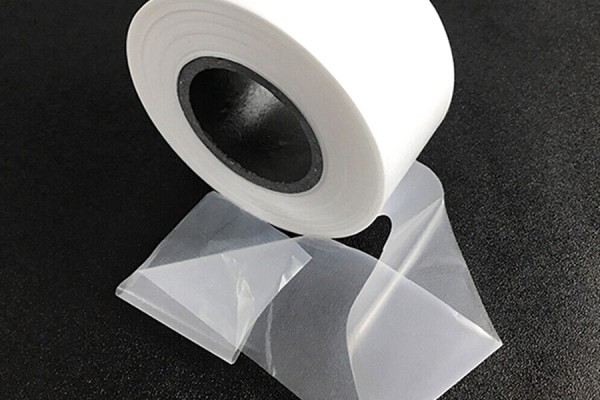
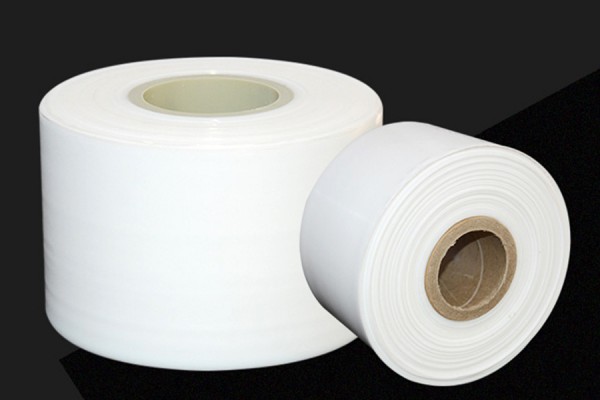
PTFE film emerges as a important material across various modern industries, primarily due to its excellent chemical resistance, flexibility, and thermal stability. Its ability to withstand corrosive environments makes it indispensable for applications in sectors such as aerospace and automotive. The film not only enhances durability but also improves performance by minimizing friction and wear in important components. Its flexibility allows for effective insulation in detailed electronic designs, maintaining integrity under diverse temperature ranges. Furthermore, innovations in PTFE film technology continue to expand its applicability, supporting advancements in manufacturing processes that demand reliable performance even under extreme conditions. As industries evolve, the versatility of PTFE film remains vital to achieving higher safety standards and operational efficiency across numerous applications.
Applications of PTFE Film in Aerospace
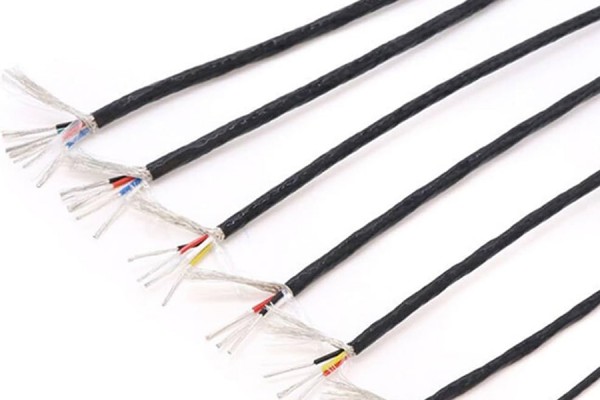
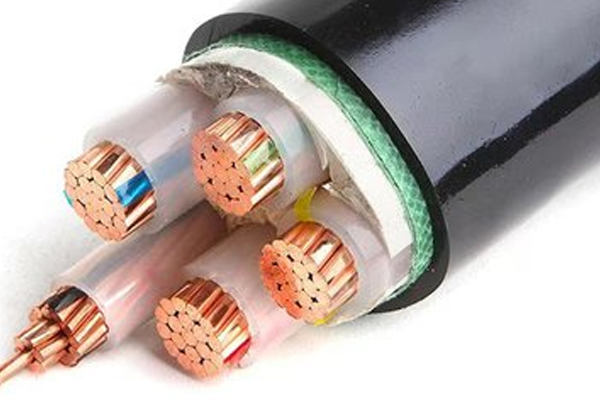
PTFE film plays a significant role in the aerospace industry due to its unique properties. Its chemical resistance ensures that it can withstand harsh environmental conditions, making it ideal for components exposed to extreme temperatures and corrosive substances. The flexibility of PTFE film allows it to be used in applications such as electrical insulation for wiring harnesses, where reliable protection is critical. High speed transmission line PTFE wrapping tape offers enhanced performance for high-frequency signals, ensuring the integrity of communication systems in flight. also, PTFE cable wrapping tape is utilized for shielding cables from wear and tear while providing thermal protection. As aerospace technology advances, innovations such as DAC high-speed cable wrapping film and AEC high-speed cable wrapping film are being developed to meet the demands of faster and more efficient aircraft systems. The reliability of PTFE film helps boost both safety and performance in aerospace applications, making it an essential material in this sector.
Benefits of PTFE Film in Automotive Industries
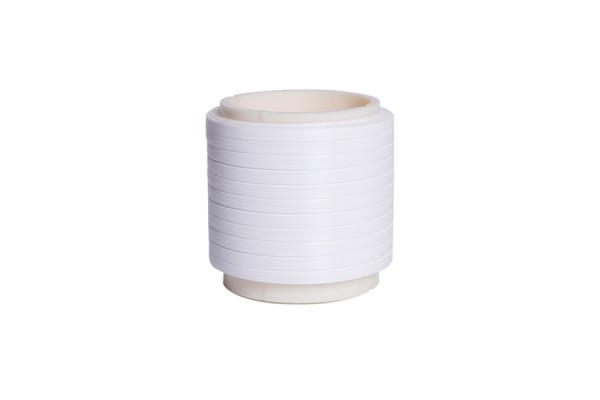
PTFE film offers several main advantages in the automotive sector, particularly in enhancing vehicle performance and reliability. Its remarkable chemical resistance ensures that it can withstand harsh conditions, including exposure to fuels, oils, and other automotive fluids without degrading. This property extends the lifespan of components that incorporate PTFE film, reducing the need for frequent replacements. Furthermore, PTFE’s low friction characteristics improve energy efficiency by minimizing wear and tear in moving parts, which can lead to better fuel economy. Flexibility is another essential benefit; it allows the film to conform easily to various shapes and surfaces encountered in automotive designs. This adaptability is critical for applications ranging from electrical insulation to protective coverings for sensitive components. As manufacturers strive for innovation, using PTFE film can lead to advanced solutions that meet evolving industry demands while ensuring vehicle safety and efficiency.
Chemical resistance of PTFE Film Explained
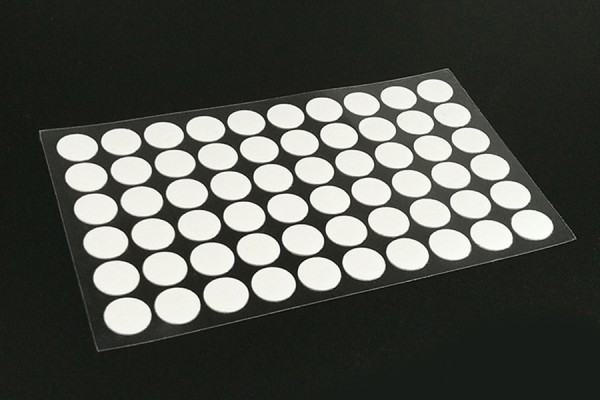
PTFE film is renowned for its exceptional chemical resistance, making it an ideal choice for industries that encounter harsh environments. This material can withstand exposure to a wide range of corrosive substances, including acids, bases, and organic solvents. Its non-reactive nature ensures that PTFE film does not degrade or lose its integrity when in contact with these chemicals, which is particularly important in applications such as chemical processing and storage.
Moreover, the ability of PTFE film to maintain performance under extreme conditions enhances its usability in various sectors. For instance, in aerospace and automotive industries, the durability of PTFE film contributes to reliable performance and safety. With the increasing demand for materials that can withstand aggressive chemical environments, PTFE film remains a top choice due to its long-lasting properties.
"The resilience of PTFE film under harsh conditions showcases its vital role in achieving operational efficiency."
As manufacturers continue to seek materials that not only perform well but also boost safety standards, the significance of PTFE film’s chemical resistance becomes even more evident.
Flexibility of PTFE Film in Electrical Insulation
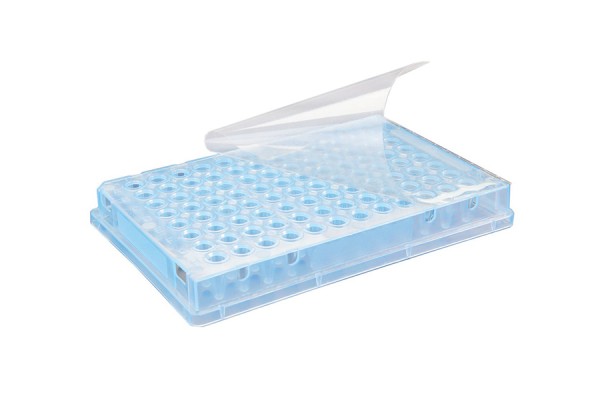
PTFE film exhibits remarkable flexibility, making it an excellent choice for electrical insulation applications. Its unique composition allows PTFE film to conform to various shapes and surfaces, ensuring a reliable and effective barrier against electrical conductivity. This adaptability is particularly important in detailed electronic designs where components may have varying dimensions. The lightweight nature of PTFE film also contributes to reduced overall weight in electronic devices, enhancing their efficiency. Furthermore, the film maintains its flexibility across a wide temperature range, from sub-zero conditions to high heat environments. This thermal stability is critical for electrical systems operating in diverse conditions, such as automotive or aerospace sectors where insulation integrity can directly impact performance and safety. By mitigating the risks associated with electrical failures, PTFE film plays a vital role in ensuring long-lasting functionality and reliability in modern electrical systems.
Role of PTFE Film in Modern Packaging Solutions
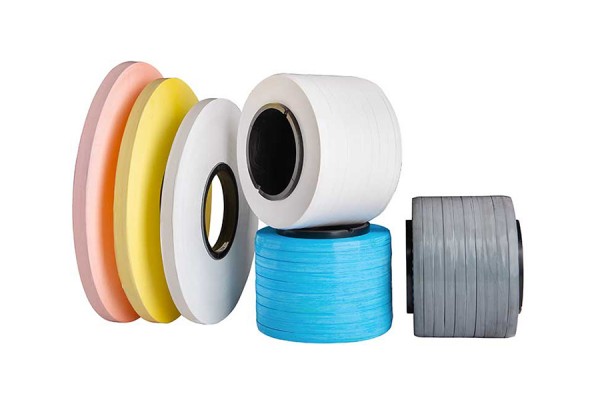
PTFE film plays a significant role in modern packaging solutions due to its unique properties. Its chemical resistance ensures that it can safely contain a variety of substances, making it suitable for packaging hazardous or sensitive materials. This feature is particularly important in the food processing and pharmaceutical industries, where contamination risks must be minimized. also, PTFE film’s non-stick surface helps reduce friction, allowing for more efficient packaging processes and reducing waste during production. The flexibility of PTFE film allows it to conform to various shapes and sizes, enhancing its application in custom packaging solutions. Furthermore, its ability to withstand extreme temperatures makes it ideal for products that require cold or heat resistance during transport and storage. Manufacturers increasingly rely on PTFE film not just for durability but also as part of their new strategies to improve product safety and performance in an ever-evolving market.
Innovations in PTFE Film Technology
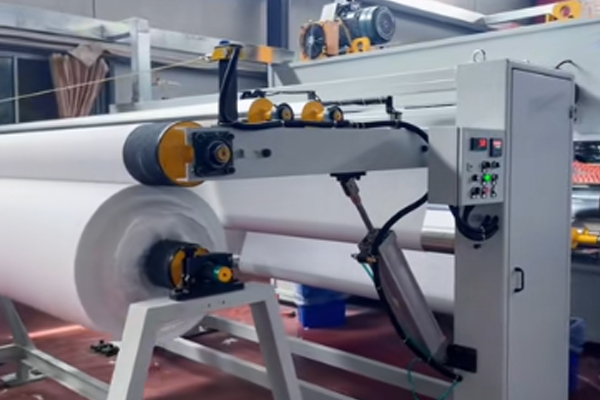
Recent advancements in PTFE film technology have significantly transformed its applications. Manufacturers are now integrating advanced polymer blends that improve the material’s overall performance. Enhanced thermal stability and flexibility ensure better functionality in extreme conditions, particularly within the aerospace and automotive sectors. Developments in production techniques, such as high-energy ion irradiation and plasma treatment, modify the surface properties of PTFE films, promoting adhesive bonding and compatibility with other materials. These innovations not only improve the durability and reliability of PTFE films but also expand their range of applications in electrical insulation, where a consistent performance is critical. The focus on sustainability is evident as manufacturers explore biodegradable alternatives to traditional PTFE formulations while retaining essential characteristics like chemical resistance and non-stick properties. These strides are paving the way for customized solutions tailored to meet specific industry demands, reflecting a shift towards more versatile and environmentally friendly materials.
PTFE Film for High-Performance Applications
PTFE film excels in high-performance applications due to its impressive properties, making it suitable for demanding environments. In the aerospace sector, PTFE film is used for insulating wires and cables, ensuring reliable performance under extreme temperatures and pressures. Its low friction characteristics minimize wear and tear, which is critical in aircraft components.
In the automotive industry, PTFE film contributes to the efficient operation of engines and transmission systems by reducing friction and enhancing fuel efficiency. Its resistance to harsh chemicals further fortifies its position in high-performance automotive applications, where exposure to corrosive substances is common.
Manufacturers also utilize PTFE film in telecommunications, particularly in high-frequency applications. Here, the film’s dielectric properties support signal transmission integrity and reliability. As such, industries are increasingly adopting PTFE film for specialized uses that require durability and consistent performance under rigorous conditions, underscoring its versatility as a material choice in modern manufacturing processes.
Advanced uses of PTFE Film in Manufacturing
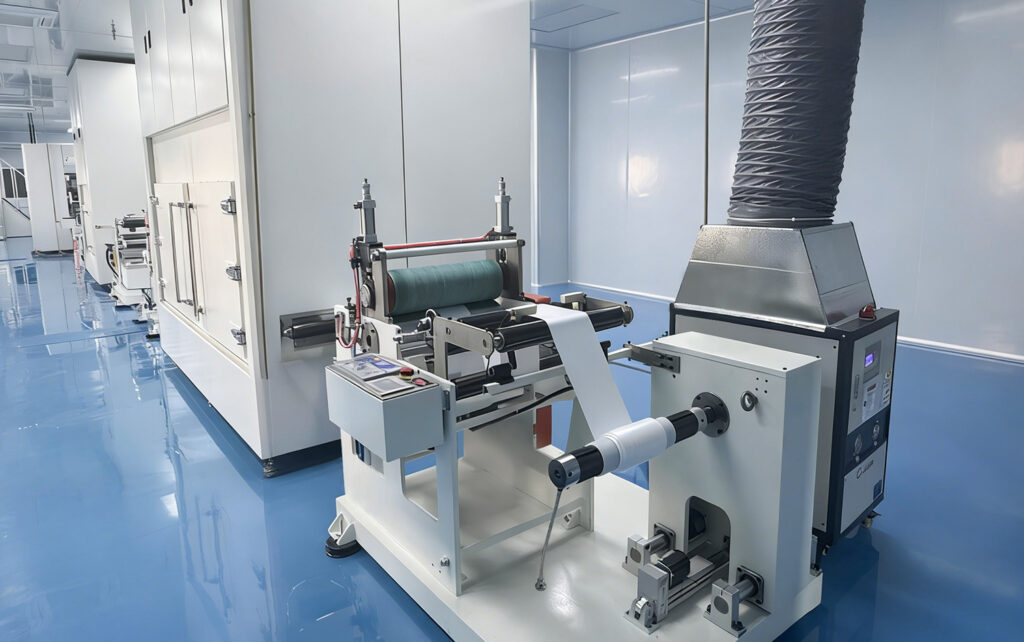
PTFE film plays a significant role in various manufacturing processes due to its unique properties. In the electronics sector, it is used as insulation material that withstands heat and chemicals, ensuring reliable performance. furthermore, its non-stick characteristics are beneficial in the production of molds and tooling, reducing friction and enhancing the ease of manufacturing complex shapes. PTFE film is also employed in gaskets and seals, offering excellent chemical resistance that prevents leaks and maintains integrity in harsh environments. Moreover, its flexibility allows for adaptability in automated processes, leading to improved efficiency. By incorporating PTFE film into their operations, manufacturers can achieve higher durability and reliability, ultimately leading to better product performance across diverse applications.
Conclusion
PTFE film stands out as a versatile material, with a wide range of applications that improve performance across multiple industries. Its inherent properties, such as superior chemical resistance and flexibility, make it an ideal choice for critical applications in aerospace, automotive, and electrical insulation. These qualities not only improve performance but also contribute to the reliability and longevity of components. As technology evolves, PTFE film continues to undergo innovations that position it at the forefront of modern manufacturing solutions. The adaptability of PTFE film allows industries to keep pace with changing demands while ensuring safety and efficiency. As manufacturers explore advanced uses, the significance of PTFE film in applications remains undeniable. Each innovation fosters a better understanding of how this material can further benefit diverse sectors, making it an essential element in modern engineering and manufacturing practices.
FAQs
What is PTFE film used for in modern industries?
PTFE film is used in aerospace, automotive, electrical insulation, and packaging due to its chemical resistance, flexibility, and durability.
How does PTFE film contribute to electrical insulation?
PTFE film provides reliable insulation by conforming to various shapes and maintaining performance across a wide temperature range.
What benefits does PTFE film offer in automotive applications?
In automotive applications, PTFE film enhances performance by resisting harsh chemicals and reducing friction, which improves fuel efficiency.
Is PTFE film suitable for high-temperature environments?
Yes, PTFE film is designed to withstand extreme temperatures, making it ideal for applications in demanding environments like aerospace.
What advancements are being made in PTFE film technology?
Innovations include enhanced polymer blends for improved durability, surface treatments for better adhesion, and exploration of sustainable alternatives.