important Takeaways
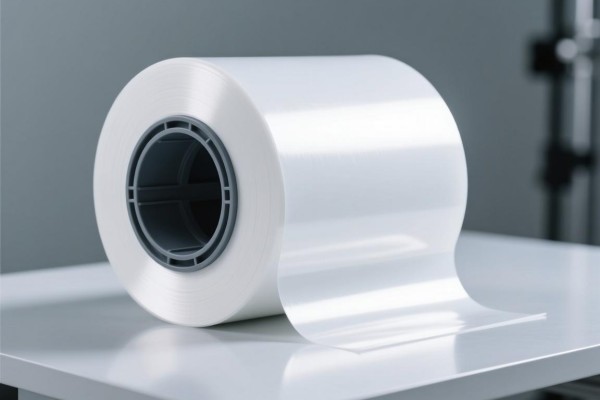
ePTFE membranes are proving to be significant across a variety of industries, thanks to their unique properties and versatile applications. Their ability to withstand harsh environments while maintaining functionality sets them apart as reliable materials. For industries like aerospace, electronics, and biopharmaceuticals, the use of ePTFE can lead to significant performance improvements. Selecting the right supplier can greatly impact the effectiveness of ePTFE applications; factors like product quality and delivery reliability are key. furthermore, understanding the specific properties of ePTFE, such as its lightweight nature and chemical resistance, allows manufacturers to effectively integrate these membranes into their products. Recognizing these aspects will enable companies to fully exploit the potential gains offered by ePTFE technologies while maintaining compliance with industry standards.
new Uses of ePTFE Membranes
ePTFE membranes are widely recognized for their unique properties that facilitate various industrial applications. They are utilized in the aerospace sector for insulation, particularly in high-speed transmission line PTFE wrapping tape, ensuring signal integrity across critical systems. In electronics, PTFE cable wrapping tape and PTFE cable roll coating provide both protection and enhanced performance by minimizing electromagnetic interference. These membranes also play a main role in battery technology, where PTFE wrapping film is used to safely contain harmful gases while allowing essential vapors to escape. Furthermore, in filtration applications, ePTFE’s properties make it ideal for creating efficient barriers in biopharmaceuticals. Its utility extends to acoustic applications where it is integrated into structures to reduce sound transmission loss effectively, highlighting its versatility across multiple industries. Manufacturers must consider these new uses when selecting ePTFE suppliers to leverage the full potential of these materials in their specific applications.
Benefits of ePTFE in Industry
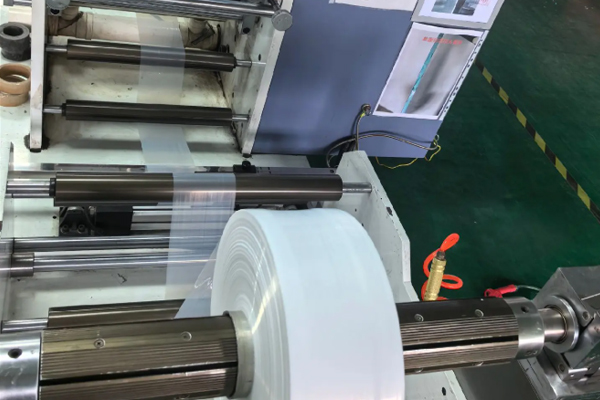
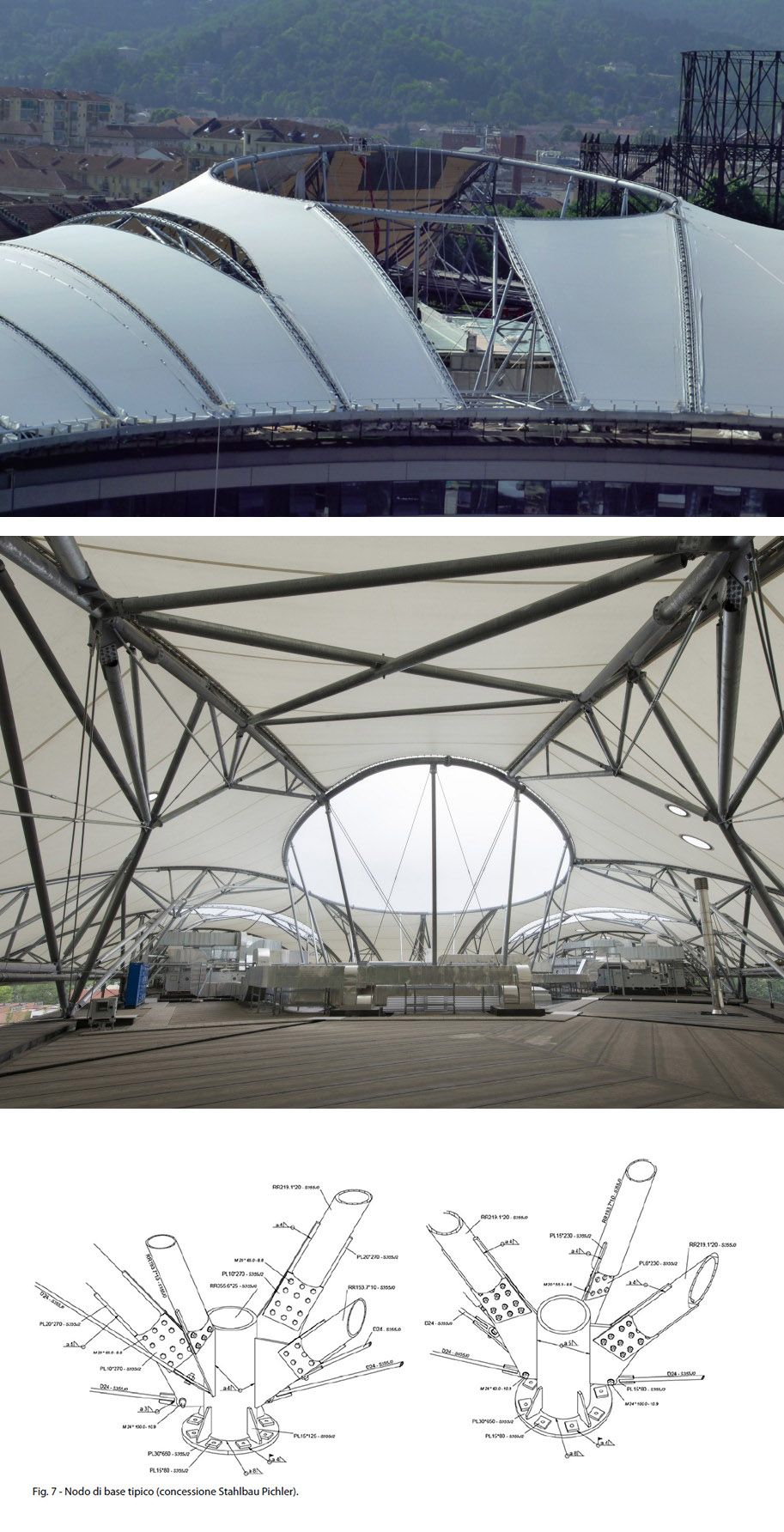
ePTFE membranes offer several advantages that make them indispensable across various industrial sectors. Their exceptional chemical resistance allows them to function effectively in harsh environments, including high temperatures and corrosive conditions. This durability enhances their reliability in critical applications, reducing the need for frequent replacements. Furthermore, ePTFE membranes possess a unique ability to facilitate gas transmission while blocking liquid and particulate matter, making them ideal for filtration processes. This property is particularly beneficial in biopharmaceutical settings, where contamination control is paramount for product integrity. also, their lightweight nature contributes to easier handling and installation, which can streamline production operations. The versatility of ePTFE membranes also enables their application in diverse settings such as electronics and construction, where they help improve overall efficiency and performance. Ultimately, the multifunctional characteristics of ePTFE support innovation and adaptability across industries.
Selecting the Right ePTFE Supplier
Choosing a suitable ePTFE membrane supplier is key for ensuring product quality and performance. Start by assessing the supplier’s reputation and compliance with industry standards. A reliable manufacturer will provide certifications and detailed specifications for their products. Next, evaluate the cost against quality; the most economical option may not always deliver the best performance. Timely delivery is also a important factor, as delays can disrupt operations. Make sure to inquire about the supplier’s technical support; a knowledgeable team can help resolve any issues that may arise during installation or use. Lastly, consider customer service responsiveness; effective communication can facilitate a smooth purchasing process and long term partnership. These considerations will help maximize the reliability and efficiency of ePTFE membranes in your applications.
Properties that make ePTFE Stand Out
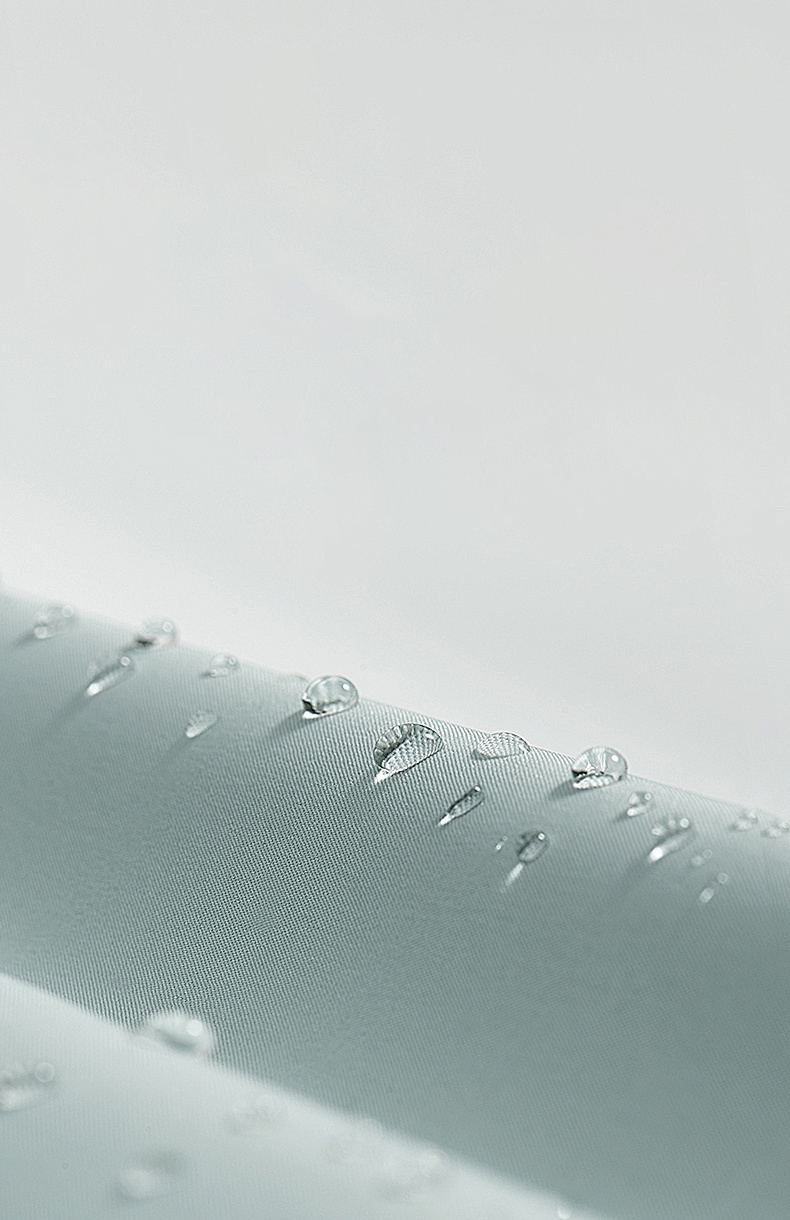
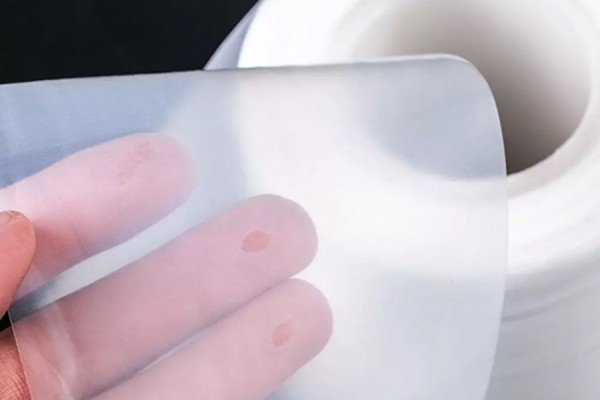
ePTFE membranes possess distinct features that boost their usability in industrial applications. Their porous nature allows for high permeability while maintaining chemical stability, making them reliable in challenging environments with extreme temperatures and acidic conditions. The minimum pore size of 0.1 microns is critical, enabling these membranes to effectively block larger particulates while permitting water vapor to pass through. This property is particularly advantageous in applications requiring waterproof yet breathable solutions. Moreover, ePTFE membranes are lightweight and flexible, allowing for easier integration into various products without compromising functionality. Their durability contributes to longevity and reduces replacement costs, making them a smart choice for manufacturers looking to optimize both performance and budget. The combination of these properties positions ePTFE as a leading material in sectors such as biotechnology, electronics, and construction.
ePTFE Membranes in Acoustic Applications
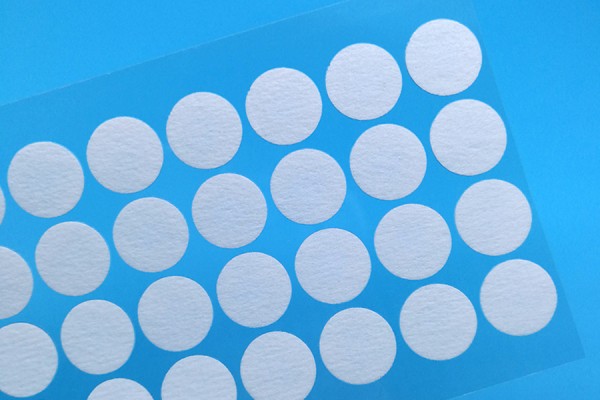
ePTFE membranes are critical in advancing acoustic applications due to their unique characteristics. With a minimum pore size of 0.1 microns, these membranes effectively allow the passage of sound while blocking larger particles, ensuring minimal sound transmission loss. This property makes them particularly useful in environments that require sound dampening, such as in building and construction projects. Their lightweight nature adds to their appeal, enabling easier integration into various designs without compromising structural integrity. Moreover, ePTFE membranes demonstrate excellent chemical resistance, allowing them to maintain performance even in harsh conditions. This durability is important for products like acoustic panels and soundproofing materials used in sensitive environments such as recording studios and theaters, where optimal audio quality is essential. As industries increasingly seek new solutions for noise control, the demand for ePTFE membranes is anticipated to rise, driven by their combination of performance and versatility across multiple applications.
Dual-Use of ePTFE in Electronics
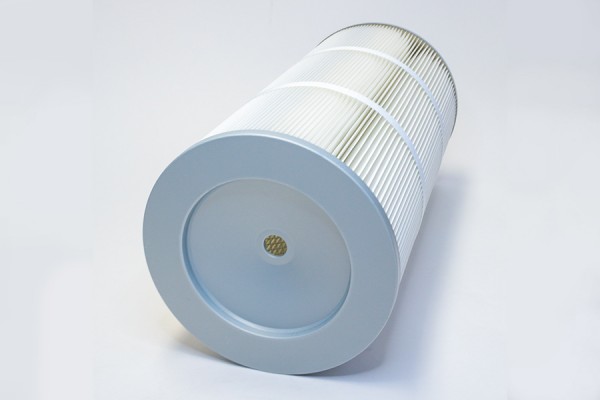
ePTFE membranes serve important functions in the electronics sector, acting as both protectors and enhancers of performance. These membranes facilitate high-speed signal transmission while providing essential environmental protection against moisture and contaminants. The lightweight, chemical stability of ePTFE makes it an attractive choice for applications in 5G and 6G communications, where reliable data integrity is paramount. furthermore, ePTFE’s barrier properties help reduce signal loss during transmission, ensuring that communications maintain clarity and precision. In various electronic devices, such as sensors and connectors, the dual-purpose functionality of ePTFE membranes not only safeguards sensitive components but also contributes to overall system efficiency. The versatility of these membranes highlights their significant role in advancing next-generation technologies while addressing the demanding requirements of modern electronics.
Impact of ePTFE on Biopharmaceuticals
ePTFE membranes play a significant role in the biopharmaceutical sector, particularly in applications that require precision and reliability. Their unique porous structure facilitates effective filtration, enabling the separation of contaminants while allowing gases and vapors to pass. This property is essential in processes such as membrane chromatography and virus filtration, where maintaining product integrity is important. furthermore, ePTFE membranes are resistant to a wide range of chemicals, safeguarding sensitive biopharmaceutical products during processing. The use of ePTFE in these applications not only improves efficiency but also enhances the safety profiles of vaccines and biologics by minimizing the risk of cross-contamination. Moreover, manufacturers benefit from the ease of scaling production methods with ePTFE technology, ensuring consistent quality across batches. As the demand for advanced therapeutics continues to grow, the integration of ePTFE membranes in manufacturing processes is becoming increasingly important for optimizing operations while meeting regulatory standards.
Efficiency gains with ePTFE Technologies
ePTFE membranes contribute significantly to efficiency improvements in various industries. Their unique properties, such as high permeability and chemical stability, improve operational processes by facilitating the seamless movement of gases while effectively blocking liquids and particulates. This capability reduces the energy required for filtration and purification tasks, leading to lower operational costs. In biopharmaceutical applications, for example, the use of ePTFE membranes can streamline production processes by enabling efficient gas exchange and minimizing the risk of contamination. Similarly, in electronics, integrating ePTFE membranes ensures that delicate cables maintain signal integrity while being shielded from environmental factors. This results in reduced maintenance needs and longer equipment lifecycle. As industries increasingly prioritize sustainability and energy efficiency, ePTFE technologies stand out as essential components in achieving these goals, underscoring their role in modern manufacturing and product development.
Conclusion
ePTFE membranes have become indispensable across a range of industries due to their advantageous properties and versatile applications. Their resistance to chemicals and extreme environments ensures dependable performance even in challenging settings. From aerospace to biopharmaceutical applications, ePTFE membranes facilitate important processes like filtration and signal transmission, highlighting their broad utility. As industries evolve, the demand for reliable suppliers of ePTFE materials will grow, given the importance of quality and performance in achieving operational efficiency. By understanding the specific benefits ePTFE can offer and selecting appropriate manufacturers, companies can maximize their investment in these original materials. This choice ultimately fosters advancements in technology and production practices, ensuring that organizations are well-equipped to meet the challenges of modern industrial demands.
FAQs
What are ePTFE membranes used for?
ePTFE membranes are utilized in various industries, including aerospace, electronics, biopharmaceuticals, and construction, serving functions such as filtration, moisture barriers, and signal transmission.
What advantages do ePTFE membranes offer?
ePTFE membranes provide chemical resistance, high permeability for gases while blocking liquids and particulates, lightweight properties for easy handling, and durability for long-lasting applications.
How do I select the right ePTFE supplier?
Evaluate a supplier’s reputation, compliance with industry standards, product specifications, cost versus quality balance, delivery reliability, technical support availability, and customer service responsiveness.
Are there specific applications where ePTFE excels?
Yes, ePTFE excels in applications like gas filtration in biopharmaceuticals and acoustic panels that require sound dampening while maintaining performance under harsh conditions.
What makes ePTFE suitable for electronics?
ePTFE’s moisture resistance and signal integrity enhancement make it ideal for protecting sensitive electronic components like cables and connectors in advanced communication systems.