important Takeaways
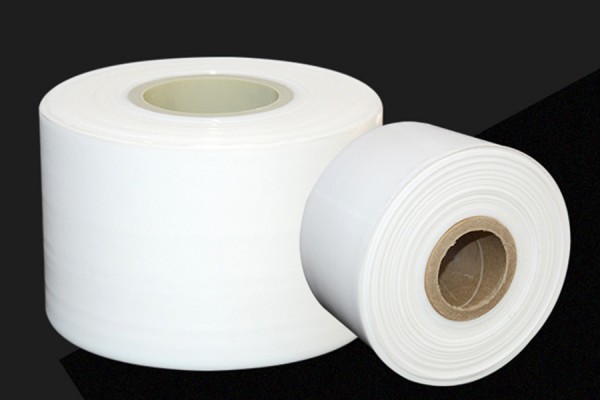
High-speed transmission line PTFE wrapping tape is essential for optimizing data transfer in modern communication systems. Its low dielectric loss is vital in minimizing signal degradation, especially in high-frequency applications like RF coaxial and data cables. PTFE’s durability under harsh conditions ensures that signal integrity is preserved, which is important for seamless communication. The flexibility of PTFE tape allows it to conform easily to various cable structures, enhancing the installation process and supporting the longevity of the transmission lines. As technology evolves and demands for faster data transfer continue to rise, PTFE wrapping tape will remain a critical component in improving cable performance and reliability, meeting the increasing needs of high-speed transmission technologies. Manufacturers investing in PTFE solutions benefit from enhanced signal quality and reduced interference, reinforcing its role as a leading material in high-performance applications.
High-Speed Data Transfer Solutions
In the ever-evolving scene of technology, the need for efficient data transfer solutions becomes increasingly vital. High-speed transmission line PTFE wrapping tape plays a significant role in facilitating faster data transfer across various applications. Its unique composition provides low dielectric loss, which is essential for maintaining signal integrity in RF coaxial and data cables. By utilizing PTFE wrapping film, manufacturers can create high-performance cables that minimize interference and signal degradation, even under demanding conditions. The flexibility of PTFE cable wrapping tape allows it to adapt seamlessly to different cable structures, supporting their dynamic performance in rigorous environments. As technology advances and data transmission speeds increase, options like DAC high-speed cable wrapping film and AEC high-speed cable wrapping film emerge to meet these growing demands, ensuring that communication remains reliable and efficient. The integration of these materials can significantly boost the capabilities of high-speed and high-frequency cable applications.
Enhancing signal integrity with PTFE
PTFE wrapping tape plays a vital role in maintaining signal integrity within high-speed data transmission lines. Its low dielectric loss reduces signal degradation, ensuring that data remains intact as it travels through RF coaxial and data cables. The unique properties of PTFE, such as its stable electrical characteristics and high dielectric strength, prevent issues like attenuation and crosstalk, which can disrupt communication between devices. furthermore, PTFE wraps are resistant to environmental factors such as heat and moisture, further protecting the signals within the cables. This durability is main in fast-paced settings like data centers, where reliability is essential. By employing PTFE tape, manufacturers can ensure that their high-speed transmission lines consistently deliver performance that meets the increasing demands for data transfer efficiency. Ultimately, integrating PTFE into cable designs showcases a commitment to superior signal quality in modern electronic communications.
Importance of PTFE in RF Coaxial Cables
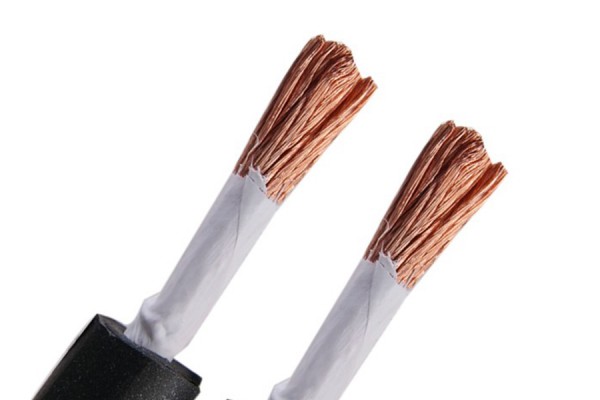
PTFE is essential in RF coaxial cables due to its outstanding insulation properties and thermal stability. Its low dielectric constant reduces signal loss while maintaining high frequency transmission, which is main for reliable communication. Furthermore, PTFE’s resistance to heat and chemicals ensures that the cables remain functional even in harsh environments. By minimizing signal distortion, PTFE supports clearer and more efficient data transfer, making it ideal for high-speed applications. With its impressive dielectric strength, PTFE also prevents breakdown under high voltage conditions, ensuring system integrity over long operational periods. These characteristics solidify PTFE’s role as a important material in enhancing performance and durability in RF coaxial cable applications.

Dynamic performance of PTFE Tape
PTFE tape excels in dynamic performance, making it an ideal component for high-frequency applications. Its unique mechanical properties allow it to perform reliably in varying conditions, including exposure to extreme temperatures and corrosive environments. This adaptability ensures that it maintains effective insulation and low dielectric loss, even under continuous mechanical stress. The flexibility of PTFE tape supports stable signal transmission and minimizes issues such as impedance mismatch, which can disrupt data integrity in RF coaxial and data cables. With its excellent tensile strength, PTFE tape can withstand the rigorous demands of cable processing and installation, ensuring longevity and consistent performance. By integrating PTFE tape into the design of transmission lines, manufacturers can achieve enhanced efficiency, making significant strides toward meeting the increasing demands for faster data transfer speeds. This capability not only promotes reliability but also contributes to the overall performance of high-speed data systems.
Low dielectric loss for High-Speed Lines
The performance of high-speed transmission lines heavily depends on the dielectric properties of materials used in their construction. Low dielectric loss is a important factor that ensures efficient signal transfer, especially at high frequencies. PTFE wrapping tape exhibits a remarkably low dielectric constant, which minimizes energy loss during signal transmission. This low loss helps maintain the integrity of data, making PTFE tape essential for applications in RF coaxial and data cables. In dynamic environments, where signals are repeatedly transmitted and received, the stability provided by PTFE helps guard against issues like phase shift and signal distortion. Its resilience against extreme temperatures also contributes to consistent performance across various conditions, further supporting high-speed data transfer applications. By utilizing materials that exhibit low dielectric loss, manufacturers can effectively improve the efficiency and reliability of transmission lines, making PTFE wrapping tape a helpful asset in modern telecommunications.
Flexible wrapping for Data Cables
The flexibility of PTFE wrapping tape plays a significant role in optimizing the performance of data cables. Its adaptable characteristics allow for seamless integration into various configurations, accommodating the diverse needs of modern electronic devices. This flexibility not only aids in straightforward installation but also enhances the cable’s ability to endure bending and twisting without compromising integrity. As data cables operate under dynamic conditions, their ability to maintain consistent performance is vital; PTFE wraps provide protection against mechanical stress, minimizing potential disruptions in high-speed transmission. Moreover, the lightweight nature of PTFE ensures that the overall cable design remains efficient and manageable. The combination of flexibility and resilience from PTFE wrapping tape ultimately promotes greater reliability in data transfer, making it a preferred choice for manufacturers aiming to meet growing demand for high-speed connectivity solutions.
Future of High-Speed Transmission Technology
The future of high-speed transmission technology is shaped by ongoing advancements in material science and engineering. As data demands escalate, the role of PTFE wrapping tape becomes even more critical in optimizing performance. This original tape not only ensures low dielectric loss but also enhances durability in extreme environments. Manufacturers are increasingly focusing on creating tailored solutions that integrate these materials into data cable designs, improving signal integrity in RF coaxial cables and other high-speed applications. Furthermore, the flexibility of PTFE allows for creative cord configurations and simplifies installations, which is essential as electronic devices become more compact. also, as technology evolves toward faster data protocols, the need for reliable transmission solutions will drive further enhancements in wrapping tape formulations and techniques, ultimately leading to greater efficiency in data transfer across various platforms and industries.
Properties of Efficient Transmission Line Materials
Efficient transmission line materials are essential for maintaining signal integrity and ensuring optimal performance in high-speed data applications. These materials must exhibit low dielectric loss, which is critical in reducing signal degradation during transmission. PTFE, or Polytetrafluoroethylene, stands out due to its unique structure that minimizes energy losses at high frequencies. This contributes to its important role in RF coaxial cables and data cables. furthermore, materials used in transmission lines should possess high dielectric strength to withstand harsh environments without compromising insulation quality. Flexibility is also a vital attribute, allowing for easy installation and adaptability within various cable configurations. Moreover, a stable dielectric constant further enhances performance by ensuring consistent signal propagation over long distances. All these properties work together to promote reliable data transfer and facilitate advances in high-speed transmission technologies.
Conclusion
high-speed transmission line PTFE wrapping tape represents a important advancement in data transfer technology. With its unique properties, including low dielectric loss, PTFE significantly enhances signal integrity in RF coaxial and data cables. By minimizing signal degradation, it ensures that data remains robust even under challenging conditions. The flexibility and durability of PTFE tape make it an essential component for manufacturers aiming to improve cable performance. As demands for faster and more reliable data transmission continue to grow, the role of PTFE tape will persist in shaping the technology situation. These advancements not only foster more efficient communication systems but also pave the way for future innovations in high-speed transmission solutions. Investing in materials like PTFE is vital to meet evolving industry needs and improve overall electro-communication capabilities.
FAQs
What is PTFE wrapping tape used for in high-speed transmission lines?
PTFE wrapping tape is used to boost signal integrity and reduce dielectric loss in high-speed transmission lines, particularly in RF coaxial and data cables.
How does PTFE contribute to signal integrity?
PTFE’s low dielectric constant minimizes signal degradation, ensuring clearer data transfer and reducing issues like crosstalk and attenuation.
Is PTFE resistant to environmental factors?
Yes, PTFE is resistant to heat, moisture, and chemicals, which helps maintain its performance in various challenging conditions.
Can PTFE wrapping tape be applied to different cable structures?
Absolutely, the flexibility of PTFE allows it to adapt to various cable configurations easily, making installation straightforward and efficient.
What advantages does low dielectric loss provide for data cables?
Low dielectric loss improves energy efficiency during signal transmission, which helps maintain data integrity and enhances overall performance in high-speed applications.
How does the flexibility of PTFE wrapping tape impact its application?
The flexibility allows for easy installation and durability against bending or twisting, protecting the cables from mechanical stress while ensuring consistent signal quality.
Are there newer technologies involving PTFE for transmission lines?
Yes, advancements continue to incorporate tailored solutions with PTFE in cable designs that meet the increasing demands for faster data transfer protocols.
What makes PTFE a preferable material over others for cable insulation?
PTFE exhibits exceptional thermal stability and low energy loss at high frequencies compared to many other materials.