main Takeaways
PTFE cable tape wrapping is essential for ensuring reliable signal transmission in high-frequency applications. Its low dielectric loss significantly minimizes energy loss, which is important for maintaining signal clarity over long distances and under varying conditions. The temperature resistance of PTFE allows it to operate well in extreme thermal environments, adding to its versatility across industries like telecommunications and aerospace. Moreover, its chemical stability helps preserve performance when exposed to corrosive elements, safeguarding the functionality of electrical components. PTFE’s hydrophobic qualities also protect against moisture infiltration, making it suitable for both indoor and outdoor applications. As technology advances and the demand for high-speed communication increases, the importance of PTFE cable wrapping will only grow, reinforcing its role in supporting cutting-edge innovations and reliable infrastructures across multiple sectors.
PTFE Cable Benefits for Signal Integrity
PTFE cable wrapping provides significant advantages in maintaining signal integrity, particularly in high-speed environments. The low dielectric loss associated with PTFE wrapping film plays a important role in minimizing signal degradation. This is essential for high-speed transmission line PTFE wrapping tape used in applications such as 5G communication and aerospace technology. also, the robust nature of PTFE ensures resistance to environmental factors like moisture and chemical exposure, which can otherwise compromise signal integrity. The use of ePTFE film enhances these protective qualities, facilitating effective electromagnetic shielding that prevents interference from external sources. This full protection underscores the importance of PTFE cable in modern technology, as it caters to various high-frequency applications where reliable signal transmission is important. Incorporating materials like DAC, AEC, AOC, and ACC high-speed cable wrapping films further enhances the performance and durability of these solutions. As technology advances, the role of PTFE cable wrapping continues to be a main element in achieving superior signal quality and reliability across multiple industries.
Enhancing signal transmission with PTFE
PTFE cable tape wrapping plays a vital role in improving signal transmission in high-frequency applications. The unique properties of PTFE, such as its low dielectric constant and minimal signal attenuation, make it an ideal choice for transmitting data with high clarity and speed. Its structure allows for a semi-air insulation barrier, which significantly reduces signal loss, ensuring that signals reach their intended destinations without degradation. This is particularly important in critical systems where even minor losses can impact performance. furthermore, PTFE’s resistance to extreme temperatures and environmental factors enhances its reliability, making it suitable for use in various settings including telecommunications and aerospace. As the demand for faster and more reliable communication technologies grows, the adoption of PTFE cable wrapping is becoming increasingly essential in evolving modern applications.
Choosing PTFE for High-Frequency Applications
PTFE cable tape is a main choice for high-frequency applications due to its unique properties that promote optimal signal integrity. The material’s low dielectric constant is particularly useful in minimizing signal loss, making it suitable for advanced communication systems like 5G and 6G technologies. also, PTFE’s inherent stability allows it to perform reliably in high-temperature environments and under fluctuating conditions, enhancing overall performance. Its excellent insulating capabilities protect against electromagnetic interference, ensuring that signals remain clear and uninterrupted. When selecting materials for demanding applications, PTFE tape stands out because of its versatility and proven track record in ensuring efficient signal transmission across various sectors, including aerospace and medical technology. This combination of durability, low loss characteristics, and resistance to environmental factors solidifies PTFE as a leading choice in high-frequency application settings.
Durability and Temperature Resistance of PTFE Wrapping
PTFE wrapping exhibits exceptional durability, making it a go-to solution for high-stress environments. This material can withstand extreme temperatures ranging from -150 to 260 degrees Celsius, maintaining its structural integrity over time. Such temperature resistance is vital in sectors like aerospace and telecommunications, where equipment is exposed to fluctuating thermal conditions. PTFE’s inherent chemical resistance ensures that it does not degrade when in contact with corrosive substances. This property allows it to maintain the performance of electrical components even in harsh operational settings. Furthermore, the strength of PTFE contributes to the longevity of cable assemblies, significantly reducing maintenance costs and the risk of failures due to environmental factors. Choosing PTFE for wrapping not only enhances signal integrity but also prolongs the lifespan of critical infrastructure in various high-frequency applications.
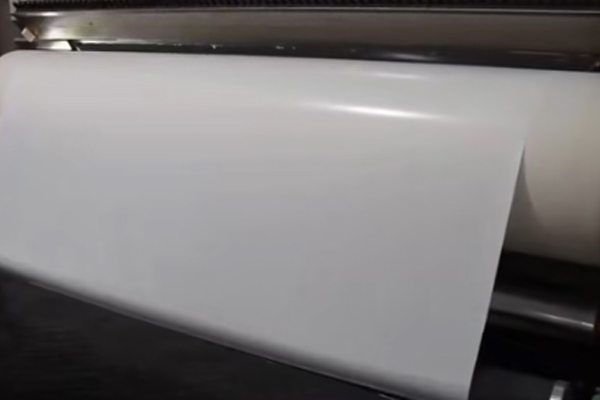
Low dielectric loss in PTFE Cable Solutions
Low dielectric loss is a important feature of PTFE cable solutions, making them ideal for high-frequency applications. This characteristic allows signals to pass through with minimal energy loss, enhancing overall transmission efficiency. Compared to traditional materials, PTFE maintains a stable dielectric constant across a wide temperature range, which contributes to effective signal integrity. In environments where performance is critical, such as telecommunications and aerospace, the low dielectric loss of PTFE wraps becomes essential. These cables operate effectively within the challenging parameters of 5G and future 6G technologies by reducing signal degradation. Furthermore, the chemical resistance of PTFE helps maintain its insulating properties over time, ensuring continued low-loss performance even under harsh conditions. The composite structure of PTFE, with its unique molecular arrangement, plays a significant role in achieving this low dielectric loss feature, further establishing its significance in modern technology applications.
Applications of PTFE Cable in Modern Technology
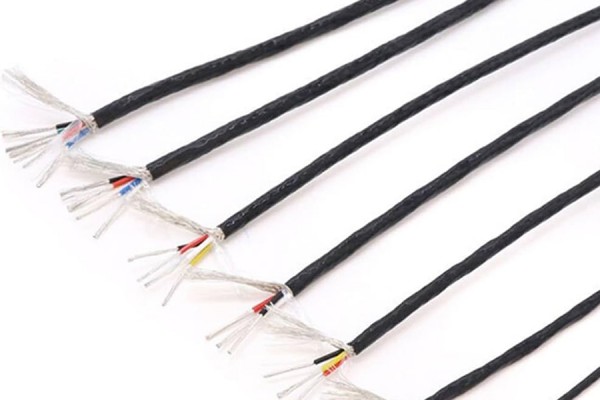
PTFE cable tape wrapping finds extensive use in various sectors of modern technology. Its unique properties make it an ideal choice for high-frequency data transmission applications. In telecommunications, PTFE cables ensure that signals remain strong and clear, which is vital for 5G and future 6G networks. The aerospace industry also benefits from PTFE’s durability in extreme conditions, as it withstands high temperatures and offers resistance to corrosive environments. furthermore, medical equipment utilizes PTFE cables for their insulating qualities and reliability, important when operating sensitive devices. In consumer electronics, PTFE wraps provide effective electromagnet shielding which minimizes interference, enhancing the performance of smart devices. Overall, the broad adaptability of PTFE cables allows them to support innovation across numerous fields, reinforcing their importance in today’s technology-driven scene.
Environmental resistance of PTFE Wraps
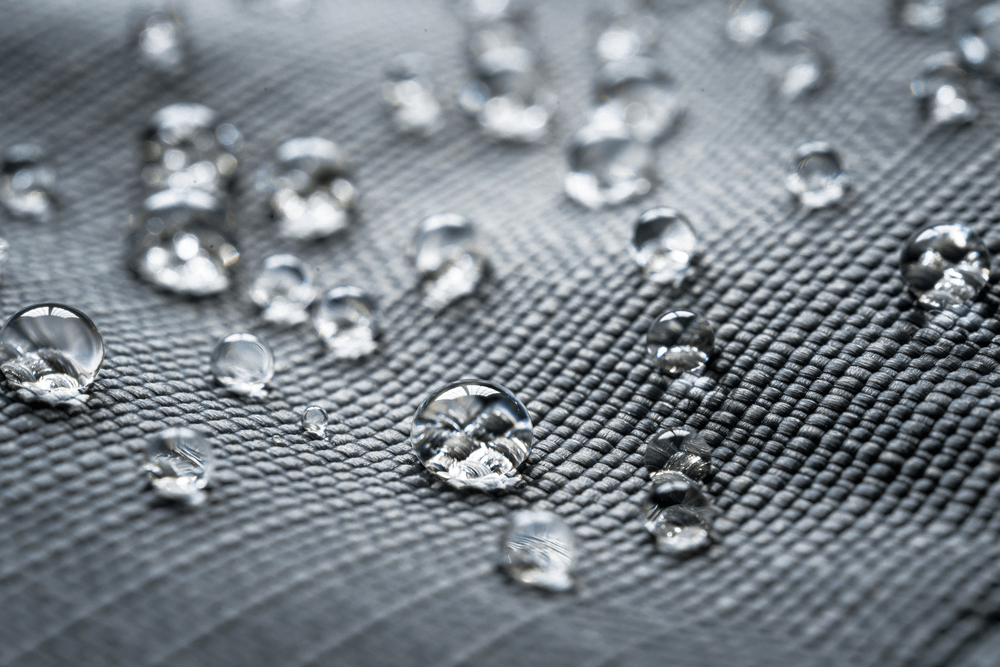
PTFE wraps exhibit exceptional resistance to harsh environmental conditions, making them particularly beneficial for various applications. This material can withstand extreme temperatures ranging from -150 to 260 degrees Celsius, ensuring reliable performance in both hot and cold settings. furthermore, PTFE’s chemical stability allows it to resist degradation from corrosive substances, including acids and alkalis, which often compromise other types of cable insulation. Its innate hydrophobic properties provide excellent protection against moisture ingress, making PTFE wraps ideal for outdoor environments and applications exposed to liquids. Furthermore, PTFE’s resistance to ultraviolet radiation prevents potential damage from prolonged sun exposure, thereby enhancing the longevity of cables in outdoor settings. With these features in mind, PTFE wraps not only maintain signal integrity but also contribute to the overall durability and reliability of high-frequency data transmission systems in demanding situations.
Advancements in Signal Protection Techniques
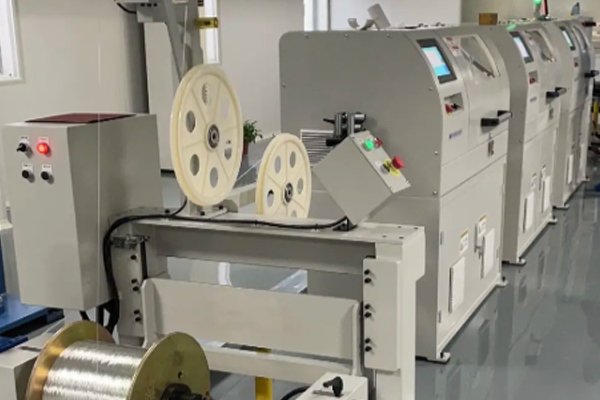
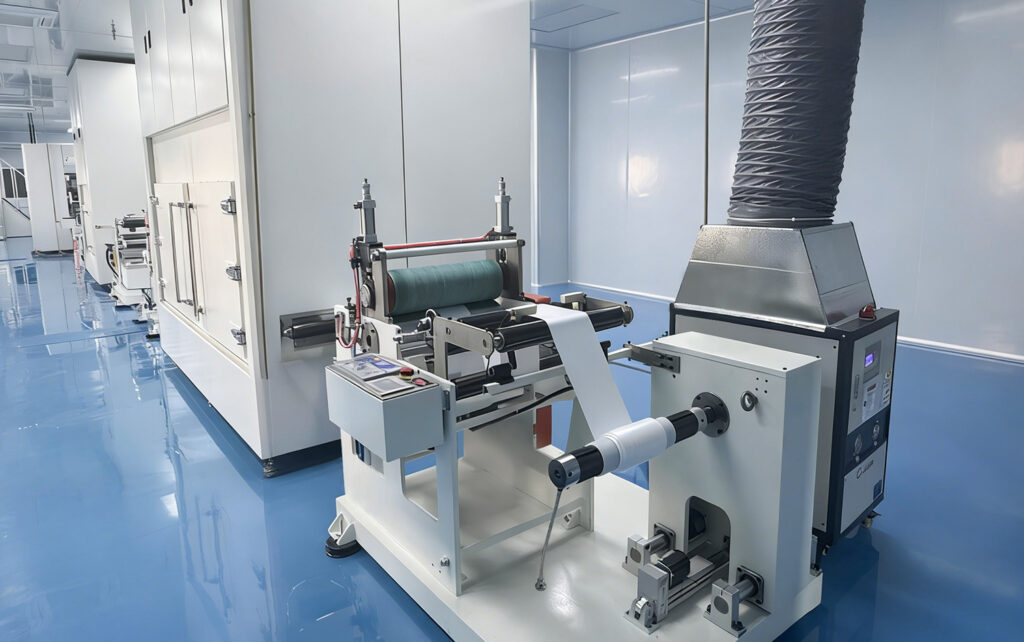
Recent developments in signal protection have greatly improved the reliability of high-frequency applications. Innovations focus on enhancing the insulating properties of PTFE cable tape wrapping, using advanced manufacturing techniques that create tighter, more uniform layers. This enhanced wrapping minimizes signal interference and loss by providing superior electromagnetic shielding. The inclusion of composite materials with high dielectric strength further bolsters protective capabilities against external electromagnetic interference. also, the use of specialized coatings on PTFE wraps enhances durability and resilience to environmental factors such as moisture and corrosion. Manufacturers are also exploring designs that allow for better flexibility without compromising protection levels, resulting in more adaptable cables. These advancements are important for ensuring optimal signal integrity in demanding sectors such as telecommunications, aerospace, and medical devices where performance and reliability are non-negotiable.
Conclusion
PTFE cable tape wrapping is integral for advancing signal transmission and protection in modern applications. Its unique properties, such as low dielectric loss and superior environmental resistance, make it an essential choice for industries reliant on high-frequency communication. As the demand for more robust and reliable connections increases, the relevance of PTFE in various sectors will grow. The continued development of advanced manufacturing techniques will further improve the performance and adaptability of PTFE cables, ensuring that they remain at the forefront of technology solutions. This material not only protects signals but also supports the longevity and durability of essential infrastructure, reinforcing its important role in future technological innovations.
FAQs
What is PTFE cable tape wrapping?
PTFE cable tape wrapping is a protective covering made from polytetrafluoroethylene, designed to boost signal transmission and provide durability for cables in high-frequency applications.
How does PTFE improve signal transmission?
PTFE improves signal transmission by minimizing dielectric loss, which ensures that signals maintain their clarity and speed even in high-frequency environments.
What temperature range can PTFE wraps withstand?
PTFE wraps can operate effectively in extreme temperatures ranging from -150 to 260 degrees Celsius, making them suitable for various demanding applications.
Are PTFE cables resistant to chemical exposure?
Yes, PTFE cables exhibit excellent chemical resistance, allowing them to remain stable and functional when exposed to corrosive substances in challenging environments.
Where are PTFE cable solutions commonly used?
PTFE cable solutions are frequently utilized in industries such as telecommunications, aerospace, medical technology, and consumer electronics due to their reliability and performance.