Main Takeaways
PTFE raw material tape matters in modern applications because it brings a set of traits that are hard to beat. Its chemical resistance and thermal stability make it a strong fit for industries that need dependable performance in harsh conditions. The low-friction nature of PTFE tape means less wear, which improves machinery and electrical components. This tape also helps protect sensitive parts from moisture and chemicals, keeping systems intact. The changing scene of PTFE technology, driven by progress in composite materials and production methods, makes this tape a forward-looking option for several sectors, especially aerospace and electronics. As industries adjust to steady advances, continued use of PTFE raw material tape will probably keep pushing efficiency and performance higher across applications.
Understanding PTFE Raw Material Tape Characteristics
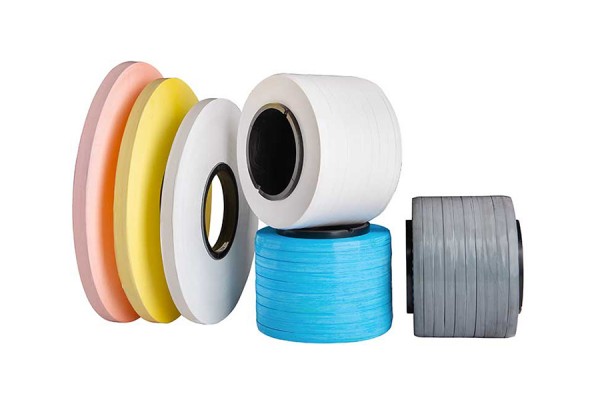
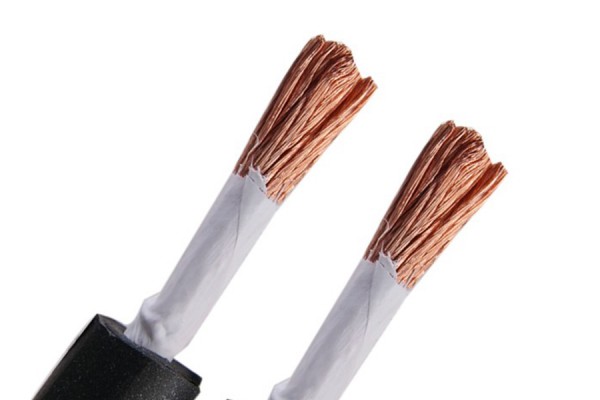
PTFE raw material tape has distinct qualities that make it hard to replace in many uses. It is known for exceptional chemical resistance and thermal stability, so it can handle harsh environments without breaking down. The low-friction surface of PTFE wrapping film cuts wear in moving systems, which makes it a practical choice for high-speed transmission line PTFE wrapping tape. The materials used to make PTFE Thread Seal Tape and PTFE cable wrapping tape are built to hold up under severe temperature swings. Also, its moisture resistance supports dependable performance in everything from electrical insulation to cable coatings. PMF technologies have been developed to produce DAC high-speed cable wrapping film and AEC high-speed cable wrapping film with better thickness consistency and improved properties for modern technology needs. Moreover, the flexibility of the ACC high-speed cable wrapping film makes it usable across many sectors like aerospace and electronics, where performance really matters. Knowing these characteristics does more than point to the usefulness of PTFE tape; it also helps with decisions about where it fits better than traditional tapes that can struggle in demanding conditions.
Applications of PTFE Tape in Various Industries
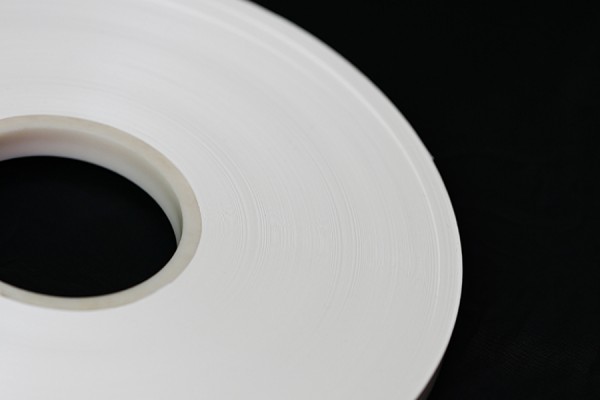
PTFE tape sees wide use across many sectors because of its distinctive properties. In aerospace, it is a key material for insulating and protecting sensitive electrical parts against tough environmental conditions. The automotive sector uses PTFE tape for fuel and brake line insulation, where it handles extreme temperatures and helps prevent leaks. In food processing, the non-stick quality of PTFE tape keeps machinery running smoothly without contamination concerns. Electrical engineering depends on PTFE tape to shield wiring and components from moisture and chemical exposure, improving system reliability. also, it is used in construction to seal pipe joints, which makes it a practical material for jobs that need durability and chemical resistance. The flexibility of PTFE tape shows why industries keep turning to it when they need solutions that improve efficiency and durability in day-to-day operations.
The Benefits of Using PTFE Raw Material Tape
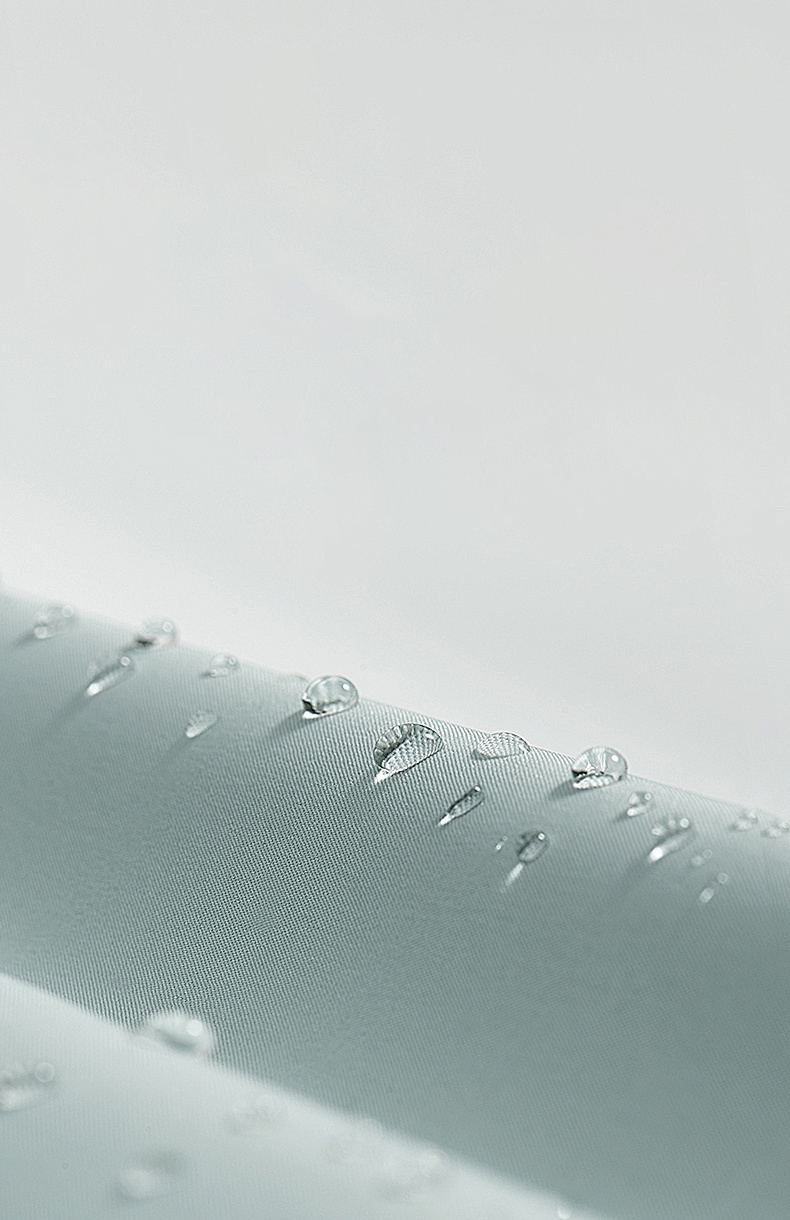
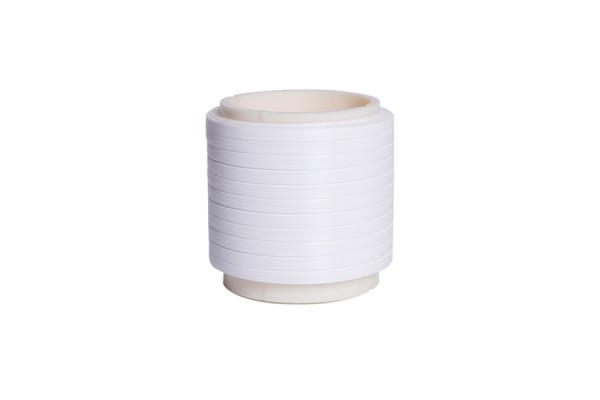
PTFE raw material tape brings real advantages that make it a smart choice in modern applications. Its chemical resistance is a key property, allowing it to hold up in harsh environments without breaking down or losing structural soundness. This tape’s low-friction behavior supports smoother operation in many mechanical uses, reducing wear and energy use. Furthermore, its non-stick surface limits adhesion to many substances, which helps keep operations clean and maintenance simple. With excellent thermal stability, PTFE tape performs reliably under sharp temperature swings, making it suitable for industries such as aerospace and electronics. also, the tape’s strong dielectric properties provide excellent electrical insulation, which is important in electrical engineering applications. Together, these benefits help users improve product performance and lifespan while cutting overall costs tied to maintenance and replacement. As industries keep changing, the distinct features of PTFE raw material tape make it a go-to option for reaching high-performance standards in technology-driven settings.
How PTFE Tape Enhances Performance in Technology
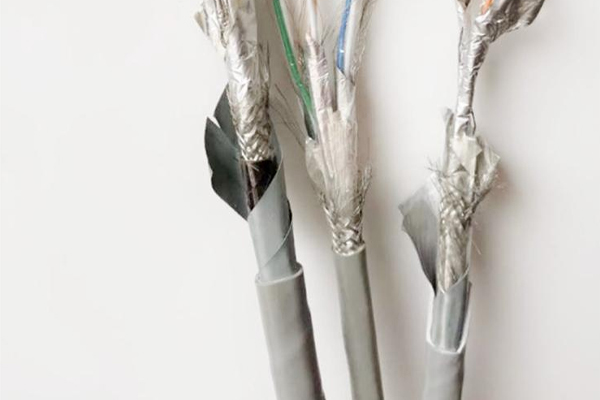
PTFE tape plays a real part in improving the performance of many technologies through its distinct properties. Its low-friction surface reduces wear and tear, making it a solid fit for applications that need smooth motion, such as conveyor systems and machine parts. The chemical resistance of PTFE tape helps it stay durable in harsh environments, especially in chemical manufacturing and processing. This tape also offers excellent insulation, main for electrical applications where limiting energy loss matters.
Furthermore, the temperature stability of PTFE tape allows it to work effectively under severe conditions, supporting dependable performance in fields like aerospace and automotive engineering. By using PTFE raw material tape, industries can see better performance measures, such as higher efficiency and longer component life. The newer design of PTFE tape has also pushed its use in high-frequency communication devices, where reducing signal interference is essential.
Innovations Driving the Future of PTFE Tapes
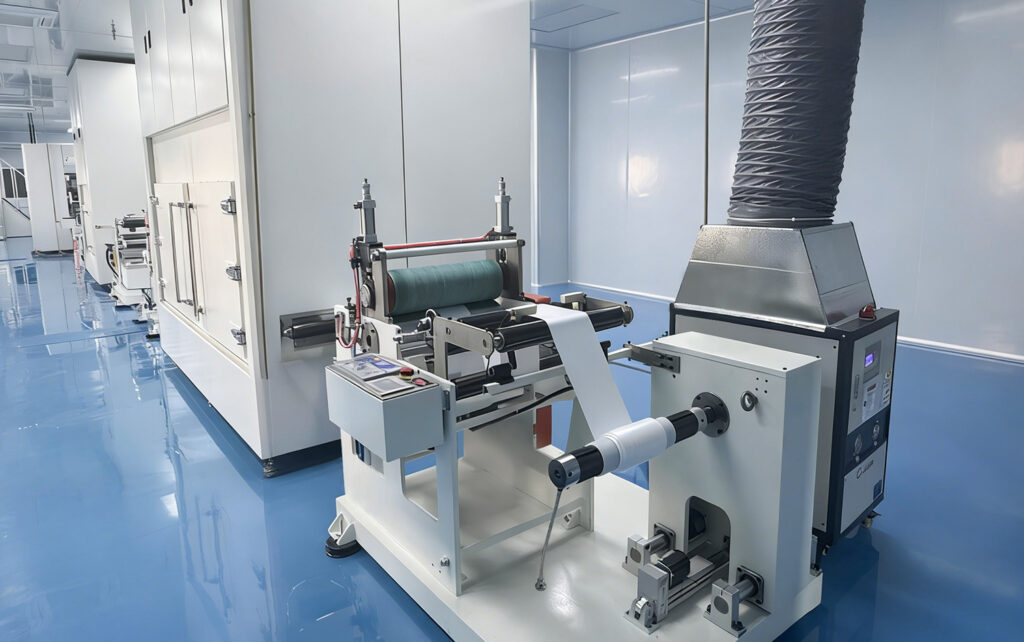
Recent advances in material science are shaping the future of PTFE tapes, improving their performance and broadening their uses. Researchers are working on composite materials that combine PTFE with other polymers, boosting mechanical strength while keeping helpful properties like chemical resistance and low friction. Innovations in manufacturing methods, such as layering techniques and advanced extrusion processes, allow the production of thinner yet stronger tapes, meeting the needs of high-precision applications in electronics and aerospace. furthermore, automation in production is raising efficiency and keeping product quality more consistent.
"The evolution of PTFE tape manufacturing opens up new avenues for its application across industries."
Furthermore, growing demand for eco-friendly materials is pushing innovators to explore more sustainable practices in PTFE production, with the potential to reduce environmental impact while still meeting performance standards. These developments support a dynamic setting for creating more flexible and efficient PTFE tape solutions, influencing fields like electrical engineering and telecommunications in a meaningful way.
Comparing PTFE Tape to Traditional Tapes
PTFE tape separates itself from traditional tapes because of its unusual properties. While conventional tapes often depend on adhesives for bonding, PTFE tape usually has a non-stick surface that avoids adhesive residue and works well in high-temperature applications. That means PTFE tape can handle severe conditions where regular tapes may fail, offering longer-lasting performance. Furthermore, the resistance of PTFE tape to chemicals and moisture makes it a strong choice in environments where exposure to harsh substances is routine. Traditional tapes can wear down over time when exposed to these elements, which weakens their structure. In contrast, the durability of PTFE tape supports steady reliability across many applications, especially in industries like aerospace and electronics where performance matters. Overall, traditional tapes do their job within certain limits, but PTFE tape brings a clear edge when high performance and long service life are needed.
The role of PTFE in Electrical Engineering Applications
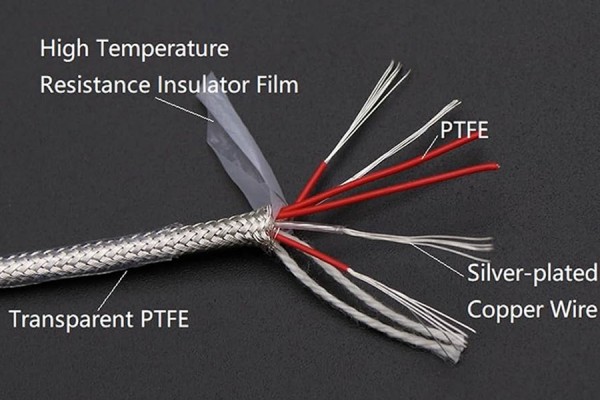
PTFE raw material tape plays an important role in electrical engineering because of its distinct properties, such as outstanding electrical insulation and resistance to extreme temperatures and chemicals. This tape can separate and protect electrical components effectively, lowering the risk of shorts and failures. Its non-stick surface makes installation and maintenance straightforward, which is why it is often chosen for wire insulation, cable assemblies, and circuit board manufacturing. Moreover, the low-friction characteristics of PTFE tape help electrical devices run more smoothly. As technology advances, the need for dependable materials like PTFE keeps rising, driven by the pressure for higher performance in electronics. The compatibility of PTFE with many substrates means it can be used alongside different materials in complex assemblies without hurting functionality. Innovation in PTFE tapes is answering the modern problems engineers face, improving safety and efficiency across electrical engineering applications.
Challenges and Solutions with PTFE Materials
PTFE materials come with several challenges, especially when it comes to processing and use in demanding environments. One major issue is thermal expansion, which can cause dimensional shifts and possible failure in critical applications. also, while PTFE is well known for chemical resistance, certain aggressive environments can still wear down its performance over time. To address these issues, manufacturers are developing composite materials that strengthen PTFE’s properties, such as adding fillers to improve thermal stability and mechanical strength. Another common problem is bonding difficulty with PTFE because of its non-stick surface, and that can be handled with specialized adhesives made for low-energy surfaces. Advances in surface treatment, such as plasma or corona treatment, are also helping improve bonding without sacrificing the material’s built-in qualities. By focusing on these newer solutions, industries can get better performance from PTFE materials while working around their natural limits.
Conclusion
PTFE raw material tape has proven itself as an essential component across many industries, which says a lot about its distinct characteristics and capabilities. Its exceptional chemical resistance and thermal stability meet the demands of modern applications, making it a dependable choice in high-performance environments. The advantages of using PTFE tape over traditional options keep driving adoption, as industries look for solutions that improve efficiency and durability. Innovations in the production and formulation of PTFE materials are opening new paths for use, keeping it relevant as technological needs change. As usability challenges are addressed through advanced manufacturing techniques, the outlook for PTFE raw material tape remains strong. With its mix of practicality and flexibility, PTFE tape is well placed to keep supporting progress in technology and engineering fields, adding meaningful reliability and performance gains across many applications.
FAQs
What is PTFE raw material tape used for?
PTFE raw material tape is used for its chemical resistance, thermal stability, and low-friction properties in many applications, including electrical insulation, cable wrapping, and sealing in demanding environments.
Is PTFE tape safe for food applications?
Yes, PTFE tape is safe for food applications because of its non-stick nature and chemical resistance, which makes it suitable for food processing machinery.
How does PTFE tape compare to traditional adhesive tapes?
PTFE tape performs better in high-temperature and chemically aggressive environments than traditional adhesive tapes, which can break down over time.
Can PTFE tape withstand extreme temperatures?
Yes, PTFE tape is designed to withstand extreme temperatures without losing its integrity, making it suitable for industrial applications where heat resistance matters.
What innovations are being made in PTFE tape production?
Recent innovations include the development of composite materials and advanced manufacturing processes that improve the strength and flexibility of PTFE tapes for modern applications.