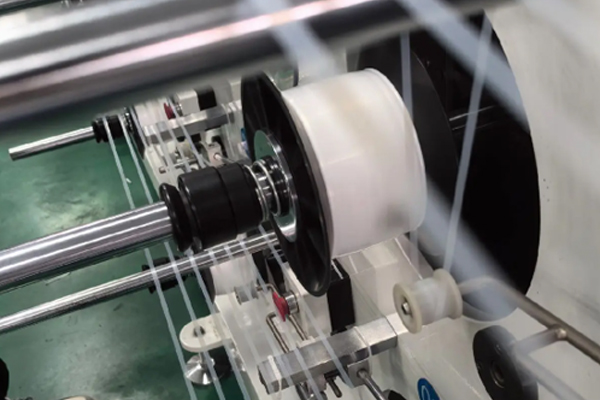
important Takeaways
PTFE wrapping tape significantly enhances high-speed transmission lines by improving insulation and maintaining signal integrity in humid or harsh environments. Its low dielectric constant minimizes attenuation at high frequencies, supporting faster data transfer and reliable performance in data centers, AI infrastructure, and telecommunications. The material’s chemical inertness and moisture resistance extend cable life and reduce maintenance. Temperature tolerance wide enough to cover extreme operational ranges ensures stability across diverse conditions. Electrical insulation prevents shorts and leakage, lowering the risk of interference and data errors in high-speed networks. PTFE wrapping also supports EMI management and enables longer cable runs and more efficient cooling strategies in dense installations. In practice, engineers use PTFE wrapping to meet evolving standards in high-speed wiring, with ongoing research and development targeting improved formulations and easier installation. Adoption across sectors such as aerospace, automotive, and data centers highlights PTFE wrapping tape as a dependable insulation solution for next-generation networks.
High-Speed Data Transfer Enhancement with PTFE Tape
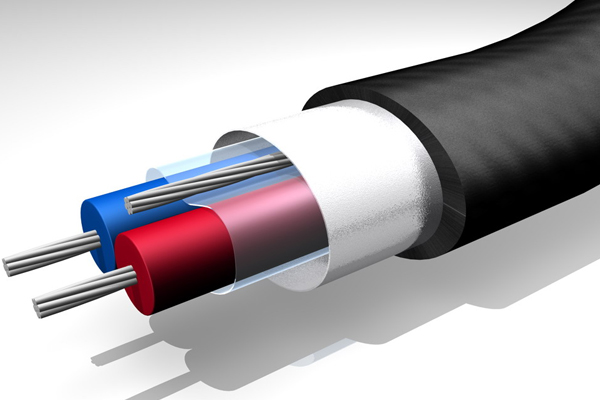
High-speed transmission line PTFE wrapping tape significantly improves data transfer efficiency by providing essential insulation and protection. Its low dielectric constant contributions reduce signal delays, allowing for faster data processing. The hydrophobic properties of PTFE wrapping film prevent moisture absorption, which can degrade the performance of transmission lines. As a result, this material ensures consistent signal integrity even in humid environments, making it suitable for a range of applications. Furthermore, the temperature resistance of PTFE cable wrapping tape maintains stability under extreme conditions, enhancing long term reliability. The use of PTFE cable roll coating in modern communications systems allows for better management of electromagnetic interference, supporting high-speed and high-frequency cable requirements. Advanced technologies increasingly rely on the benefits offered by PTFE solutions to optimize performance in applications such as AI infrastructure and rapid data transfer systems. By utilizing DAC high-speed cable wrapping film and similar products, engineers achieve outstanding results that are aligned with the demands of next-generation technologies.
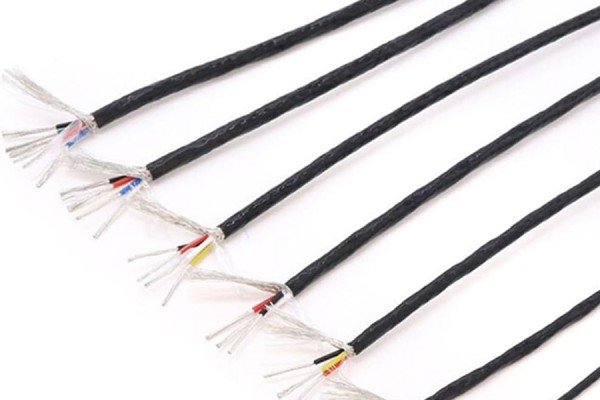
main Advantages of PTFE Wrapping in Transmission Lines
PTFE wrapping offers significant advantages in transmission lines, particularly in high-speed data transfer applications. Its low dielectric constant is important, reducing signal delay and minimizing loss during transmission. This feature is vital for maintaining the integrity of high-frequency signals in various electronic devices. Furthermore, PTFE’s excellent electrical insulation properties prevent signal short circuits and leakage, ensuring reliable communication without interference. The material is also known for its remarkable temperature resistance, performing consistently in extreme environments ranging from -200°C to +260°C. This resilience allows PTFE-wrapped cables to be deployed in demanding situations without compromising performance. furthermore, its chemical inertness ensures longevity by resisting degradation from exposure to moisture and other environmental factors. These main benefits make PTFE wrapping not just a protective barrier but a fundamental component that enhances overall system reliability and efficiency across advanced technology applications.
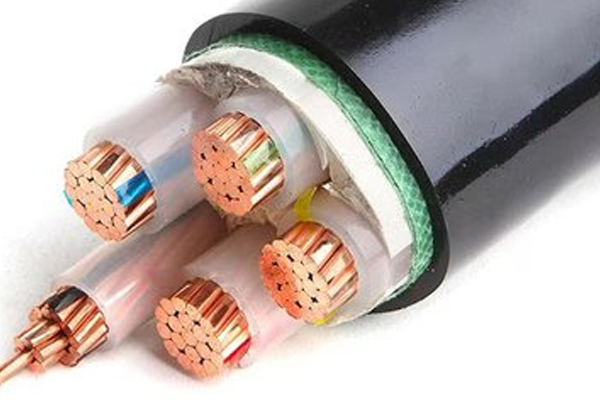
Applications of PTFE Tapes in Advanced Technology
PTFE wrapping tapes are integral in various advanced technology applications, enhancing the efficiency of critical systems. In telecommunications, these tapes are used in high-frequency RF coaxial cables, where they provide reliable insulation and minimize signal loss. The aerospace sector benefits from PTFE’s lightweight and temperature-resistant properties, essential for wiring harnesses that must endure extreme conditions. furthermore, automotive technology employs PTFE tapes to insulate electrical wiring, ensuring safety and optimal performance.
As the demand for faster data transfer grows, industries like artificial intelligence and data centers increasingly rely on PTFE to maintain signal integrity in high-speed communications. The chemical inertness of PTFE also protects cables against environmental degradation, prolonging their lifespan and reducing maintenance needs.
"Using PTFE tape not only improves performance but also enhances the durability of transmission lines," says a tech engineer specializing in materials science.
The versatility of PTFE wrapping tapes ensures they remain a standard choice across numerous high-tech applications, driving innovation forward as technology continues to evolve.
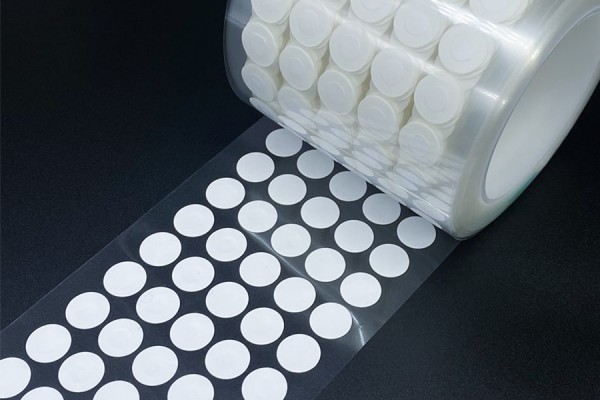
Improving signal reliability with PTFE Solutions
PTFE wrapping tape plays a main role in enhancing signal reliability in high-speed transmission lines. Its low dielectric constant significantly reduces signal delay, allowing for clearer data transmission. This characteristic is vital for high-frequency applications where even minor delays can lead to data loss or corruption. PTFE’s excellent electrical insulation properties prevent short circuits and signal leaks, ensuring that the integrity of the data is maintained throughout its journey. furthermore, its high resistance to extreme temperatures ensures that performance remains stable under varied operating conditions, further minimizing potential signal disruptions. PTFE wrapping’s hydrophobic nature means it stands strong against humidity, preserving electrical performance in moist environments. Overall, using PTFE solutions not only improves the reliability of signals but also promotes longevity and durability in complex electronic systems where performance consistency is important.
Understanding the Importance of PTFE in High-Speed Wiring
PTFE plays a important role in high-speed wiring due to its superior insulation properties and thermal stability. In an era where data transfer rates are at an all-time high, the need for effective insulation materials is critical. PTFE’s low dielectric constant minimizes signal loss and ensures that data remains intact over long distances, which is essential for high-frequency applications. Its ability to withstand extreme temperatures further enhances its reliability, making it suitable for various environments where traditional materials may fail. also, the chemical inertness of PTFE means it can endure exposure to a wide range of substances without degrading, contributing to a longer lifespan for cables. The unique characteristics of PTFE make it an indispensable component in modern data transmission systems, ensuring that signals are transmitted quickly and efficiently in applications such as telecommunications and high-speed computing.
The future of High-Speed Transmission Technologies
The advancement of high-speed transmission technologies is increasingly driven by the need for greater data exchange efficiency. As industries become more reliant on data-intensive applications, the use of high-speed transmission line PTFE wrapping tape is set to become essential. This material not only meets current demands but also anticipates future needs, offering superior performance in terms of insulation and signal integrity. Emerging technologies like 5G networks, artificial intelligence systems, and cloud computing require robust solutions to manage rapid data flow. PTFE’s properties, including its low dielectric constant and exceptional temperature resistance, position it as a main player in this evolution. Moreover, as traditional insulation materials fall short in meeting modern requirements, PTFE wrapping tape stands out by providing enhanced reliability under a variety of environmental conditions. This shift underscores the importance of adopting advanced materials like PTFE to support the ongoing development of high-speed transmission systems in various sectors.
PTFE Wrapping Tape: The New Standard for Insulation
PTFE wrapping tape has emerged as a main material for insulation, particularly in the realm of high-speed transmission lines. This tape’s unique properties make it vital for ensuring effective insulation in various applications. Its low dielectric constant minimizes signal loss, encouraging improved transmission efficiency. furthermore, the tape’s robust electrical insulation protects against shorts and leaks, which is important in modern electronic systems that demand reliability. The versatility of PTFE also shines through its resistance to extreme temperatures and chemical exposure, contributing to its lasting performance in challenging environments. Moreover, its lightweight nature simplifies the installation process and reduces the overall maintenance burden in complex setups. As industries continue to evolve toward faster data-processing solutions, PTFE wrapping tape stands out as an indispensable choice for meeting the rigorous demands of today’s technology scene. This shift towards PTFE solutions indicates a growing recognition of its effectiveness and dependability in maintaining high signal integrity across diverse applications.
How PTFE Enhances Electrical Performance in Data Cables
PTFE wrapping tape significantly improves electrical performance in data cables through several main mechanisms. First, its low dielectric constant minimizes signal degradation, ensuring faster and more reliable data transmission. The effective insulation it provides reduces the risk of electrical short circuits and prevents energy loss, enhancing overall efficiency. also, PTFE’s excellent thermal stability allows the tape to maintain functionality across a wide temperature range, ensuring consistent performance without compromising on quality. Its resistance to chemical exposure further protects data cables from environmental factors that might otherwise impair performance. The hydrophobic nature of PTFE wrapping also plays a vital role by keeping moisture away from sensitive areas of the cable, thereby safeguarding electrical signals in humid settings. This combination of properties makes PTFE an essential component for modern data cables, facilitating advancements in high-speed communication technologies and improving operational reliability across various applications.
Conclusion
the use of PTFE wrapping tape in high-speed transmission lines represents a significant advancement in enhancing data transfer reliability and efficiency. This material’s unique properties such as low dielectric constant, impressive thermal stability, and moisture resistance make it a suitable choice for modern applications requiring consistent performance. As industries continue to push for faster data connectivity, PTFE solutions are likely to become increasingly essential in achieving optimal signal integrity. The versatility of PTFE wrapping in various sectors, from telecommunications to aerospace, further confirms its role as a main player in supporting the technological advancements of the future. With ongoing research and development, PTFE wrapping tape will likely continue to evolve, constantly aligning with the demanding requirements of high-speed transmission systems.
FAQs
What is PTFE wrapping tape used for in high-speed transmission lines?
PTFE wrapping tape is used to improve insulation and reliability in high-speed transmission lines, enhancing data transfer efficiency.
How does PTFE improve signal integrity?
PTFE’s low dielectric constant minimizes signal loss and reduces delays, ensuring better transmission clarity.
Can PTFE wrapping tape withstand extreme temperatures?
Yes, PTFE wrapping tape can perform reliably in temperatures ranging from -200°C to +260°C, maintaining its properties under harsh conditions.
Is PTFE resistant to moisture?
Yes, PTFE has hydrophobic properties that prevent moisture absorption, protecting the integrity of electrical signals in humid environments.
What industries benefit from using PTFE solutions?
Industries such as telecommunications, aerospace, and automotive greatly benefit from PTFE solutions for their insulation and reliability needs.
How does PTFE compare to traditional insulation materials?
PTFE outperforms traditional materials by offering lower signal loss and higher durability in extreme conditions.
Is the use of PTFE cost-effective in the long run?
Yes, while initial costs may be higher, the durability and reduced maintenance needs of PTFE lead to cost savings over time.
Can I use PTFE tape for all types of cables?
While it is excellent for many applications, it is best suited for high-speed data cables due to its specific properties.
What future advancements can we expect with PTFE technology?
Future advancements may include improved formulations that improve performance metrics even further, catering to evolving technological demands.
How does environmental exposure affect PTFE performance?
PTFE’s chemical inertness allows it to resist degradation from environmental factors like humidity and chemicals, maintaining performance quality over time.