important Takeaways
ePTFE membranes stand out for their multifunctional capabilities across diverse applications, enhancing sensor accuracy and fuel cell efficiency. The protective barrier they provide effectively minimizes contamination from external factors, which is vital for maintaining reliable operational performance. also, these membranes are engineered to withstand significant mechanical stress, ensuring durability in harsh environments without compromising their integrity. The lightweight and versatile nature of ePTFE allows seamless integration into various devices while enhancing functionality and longevity. Furthermore, customization options enable manufacturers to tailor membrane properties to meet specific application requirements, balancing protective features with performance needs. Overall, the adoption of ePTFE technology fosters advancements in critical sectors, supporting the development of highly efficient and resilient systems.
ePTFE Membranes Enhancing Sensor Performance
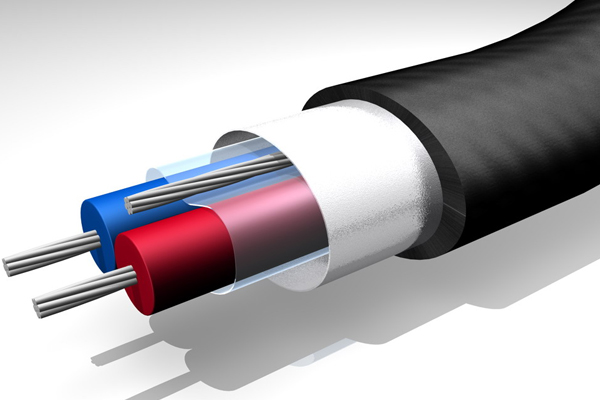
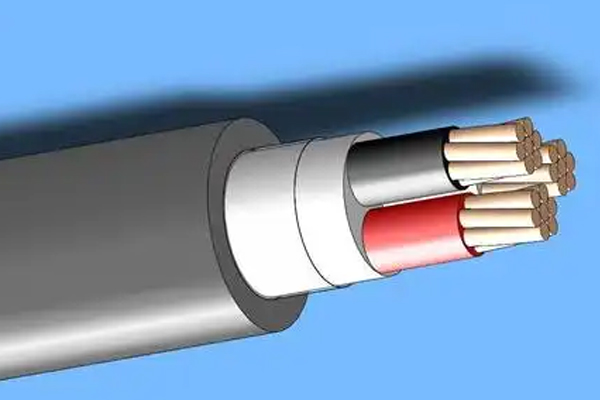
ePTFE membranes play a key role in enhancing the performance of electrochemical sensors. These membranes provide a protective barrier against environmental contaminants such as dust and moisture, which can adversely affect measurement accuracy. Their design promotes the effective mitigation of external particulates while ensuring the accurate operation of sensing devices. In high-stakes applications, such as healthcare and environmental monitoring, where precision is essential, the use of ePTFE technology ensures that sensors can deliver reliable data despite challenging conditions. Furthermore, the durability of ePTFE membranes under mechanical stress enhances the longevity of sensors, reducing maintenance needs and operational costs. This resilience is particularly beneficial in sectors requiring frequent calibration or lasting harsh conditions. The integration of ePTFE with advanced materials like DAC high-speed cable wrapping film or PTFE cable wrapping tape exemplifies how manufacturers are leveraging these membranes to develop superior sensor solutions. Ultimately, by improving measurement precision and operational reliability, ePTFE membranes are setting new benchmarks in sensor technology performance.
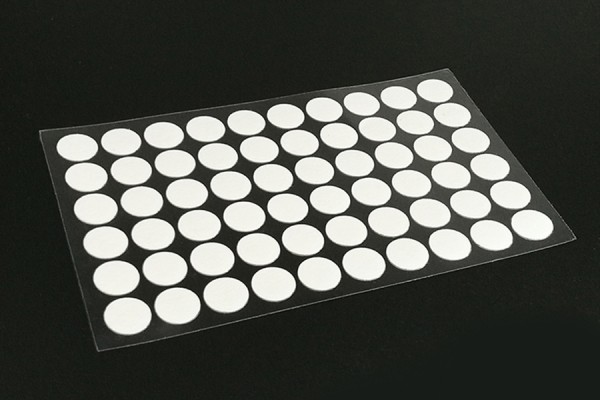
Boosting fuel cell efficiency with ePTFE
ePTFE membranes significantly improve the efficiency of PEM fuel cells by providing excellent durability and resistance to mechanical stress from hydration cycles during operation. These membranes act as a reliable barrier, preventing moisture loss and ensuring optimal hydration levels, which are essential for maintaining ionic conductivity in fuel cells. The lightweight nature of ePTFE allows for easier integration into various fuel cell designs without compromising structural integrity. also, the non-porous yet permeable characteristics of ePTFE membranes boost gas diffusion while protecting the internal components from contaminants that could hinder performance. This combination of features not only extends the operational lifespan of fuel cells but also leads to higher energy outputs and more efficient energy conversion processes. As demands for sustainable energy solutions grow, utilizing ePTFE technology in fuel cells presents a promising opportunity for advancements in clean energy applications.
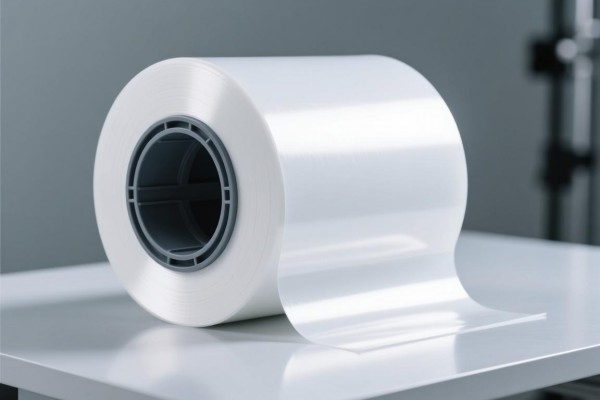
Protective solutions with ePTFE Technology
ePTFE membranes provide reliable protection in applications where exposure to contaminants and environmental variability can compromise performance. Their microporous structure effectively blocks particulate infiltration while allowing necessary gas or moisture exchange, making them ideal for shielding sensitive devices such as electrochemical sensors. This barrier function helps reduce measurement errors caused by external particulates and electrolyte leaks, critical for maintaining sensor accuracy in fluctuating conditions.
Beyond sensors, ePTFE membranes serve as durable protective layers in harsh environments. Their chemical resistance and thermal stability prevent degradation from exposure to corrosive elements or temperature extremes, extending the lifespan of components they cover. This combination of chemical inertness and flexibility supports their use in varied fields, including aerospace and advanced electronics.
The adaptability of ePTFE technology allows customization to meet application-specific needs, such as modifying pore size or membrane thickness to balance protection with performance demands. This customization ensures that the protective solutions maintain functionality without hindering signal transmission or mechanical operation, which is essential in high-frequency or mechanically stressed scenarios. Overall, ePTFE membranes offer a practical solution for protecting delicate systems while preserving their operational integrity.
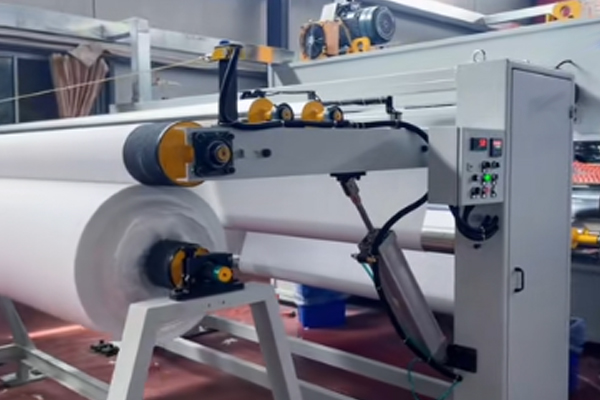
Durability of ePTFE in Harsh Environments
ePTFE membranes are recognized for their robust durability in challenging conditions. Their unique structure enhances resistance to temperature fluctuations and aggressive chemicals, making them suitable for both outdoor and industrial applications. These membranes can endure extreme environmental factors, including high moisture levels and corrosive agents, which often compromise standard materials. ePTFE’s lasting performance is particularly helpful in industries where equipment frequently faces mechanical wear and tear. The lightweight nature of these membranes, combined with their excellent tensile strength, contributes to their use in diverse applications from aerospace to automotive sectors. also, their ability to maintain integrity under pressure ensures reliable operation in fluctuating environments, ultimately driving efficiency and reducing maintenance needs across technology platforms.
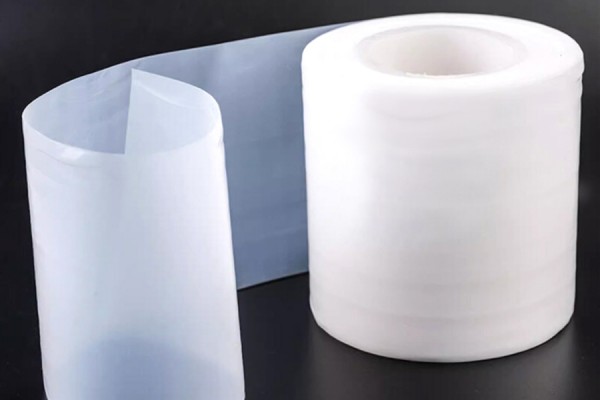
Advanced membrane applications in Technologies
ePTFE membranes are making significant strides within various technological sectors due to their unique properties. In sensor applications, they provide a reliable barrier against contaminants, ensuring accurate measurements in environments subjected to pollutants. This capability is particularly advantageous for electrochemical sensors used in precision monitoring, where even minor environmental changes can lead to significant data discrepancies.
In the realm of fuel cells, ePTFE membranes facilitate efficient gas management and proton transfer, which are critical for optimal performance. They withstand mechanical stress from hydration cycles without compromising structural integrity. This resilience ensures longevity and consistent output in demanding conditions.
Furthermore, these membranes find utility in health care devices as protective layers safeguarding sensitive electronics from moisture and particulate matter. The versatility of ePTFE makes it an appealing choice for a range of applications where durability and environmental resistance are paramount, leading to improved functionality across the board.
Environmental protection through ePTFE Membranes
ePTFE membranes offer exceptional environmental protection, proving invaluable in various industrial applications. Their unique structure provides a barrier against external contaminants, such as dust and moisture, which can significantly impact the performance of sensitive equipment. For electrochemical sensors, these membranes help maintain measurement accuracy by preventing particulate interference and electrolyte leaks. This reliability enhances sensor performance in fluctuating environmental conditions. Moreover, the chemical resistance of ePTFE ensures that these membranes can withstand aggressive substances without deteriorating. This durability makes them suitable for various harsh environments where traditional protective materials may fail. By integrating ePTFE membranes into designs, manufacturers can promote longer lifespans for devices and improve overall operational efficiency, safeguarding critical components from damaging external factors.
Mechanical stress resistance of ePTFE Solutions
ePTFE solutions exhibit remarkable resistance to mechanical stress, making them ideal for applications subjected to fluctuating forces and environmental challenges. These membranes maintain structural integrity during hydration cycles, a common issue in fuel cell operations, which involve repetitive swelling and shrinking. Their unique properties allow them to absorb stress without compromising performance. The ability to withstand pressure ensures they deliver consistent results in critical applications such as sensors and fuel cells. Also, their chemical stability minimizes degradation even under harsh operational conditions, which enhances durability over time. This longevity is particularly important as industries pursue advancements in technology where reliable performance under continuous mechanical strain is essential. Overall, ePTFE membranes stand out for their ability to maintain functionality while facing the demands of modern engineering challenges.
Improving measurement precision with ePTFE
The integration of ePTFE membranes in electrochemical sensors significantly contributes to enhancing measurement accuracy. By creating a protective barrier, these membranes prevent environmental contaminants, such as dust and moisture, from interfering with the sensor’s functionality. This protection is particularly important in applications where precise measurements are critical, as external factors can lead to erroneous readings. Moreover, ePTFE’s chemical resistance ensures that the membranes maintain their integrity over time, resulting in stable sensor performance under varying conditions. The lightweight nature of ePTFE adds another advantage; it does not compromise the sensor’s design while delivering superior functionality. Engineers also favor ePTFE for its ability to allow selective permeability, enabling optimal conditions for the sensor’s operational environment. As a result, users experience greater reliability and precision in readings, which is essential in high-stakes settings such as medical diagnostics and environmental monitoring.
Conclusion
the diverse applications of ePTFE membranes point out their importance in enhancing sensor accuracy and fuel cell efficiency. Their ability to withstand harsh environmental conditions and mechanical stress makes them a reliable choice for critical technologies. These membranes not only protect sensitive components from contaminants but also improve overall operational performance. As industries continuously seek new solutions to meet the demands of modern applications, ePTFE technology stands out for its versatility and effectiveness. The ongoing advancements in membrane design and material science promise to further optimize ePTFE solutions, ensuring they remain at the forefront of sensor and fuel cell technologies. By leveraging the unique properties of ePTFE, manufacturers can develop more robust, efficient systems that contribute to a sustainable future across various sectors.
FAQs
What is an ePTFE membrane?
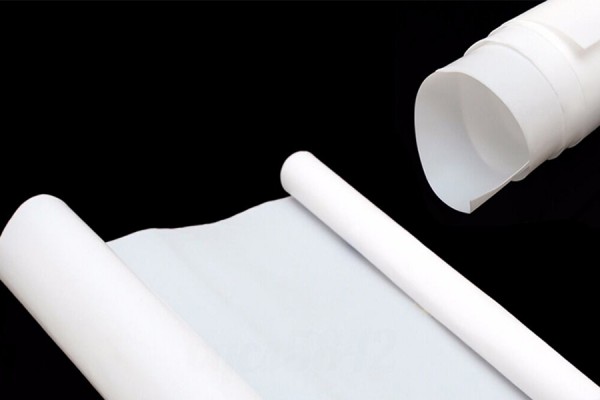
An ePTFE membrane is a versatile material made from expanded polytetrafluoroethylene that offers unique properties such as chemical resistance, mechanical strength, and selective permeability.
How do ePTFE membranes boost sensor performance?
ePTFE membranes improve sensor performance by providing a protective barrier against contaminants, which helps maintain accuracy and reliability in fluctuating environmental conditions.
What role do ePTFE membranes play in fuel cells?
In fuel cells, ePTFE membranes boost efficiency by preventing moisture loss, facilitating gas diffusion, and withstanding mechanical stress from hydration cycles.
Are ePTFE membranes suitable for harsh environments?
Yes, ePTFE membranes are designed to endure harsh conditions, including exposure to chemicals and temperature extremes, making them ideal for various industrial applications.
Can ePTFE membranes improve measurement precision?
Yes, the incorporation of ePTFE membranes in sensors can significantly boost measurement precision by blocking environmental interference and ensuring stable operational conditions.
How are ePTFE membranes customized for specific applications?
ePTFE membranes can be tailored in terms of pore size and thickness to balance protection and performance, optimizing them for various technological needs.
What are the main benefits of using ePTFE technology?
The main benefits include durability against mechanical stress, excellent chemical resistance, lightweight properties for easy integration, and improved operational longevity in critical applications.