Key takeaways
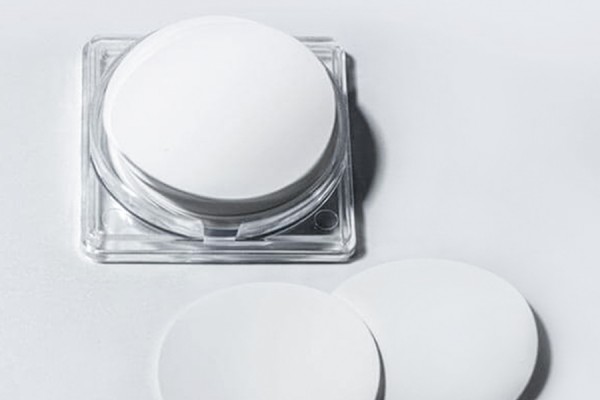
ePTFE membranes stand out due to their unique properties and diverse applications across advanced industries. Their exceptional gas permeability, combined with effective moisture and particulate blocking capabilities, make them vital for protecting sensitive electronic components. Furthermore, their thermal stability allows them to operate reliably in extreme temperatures ranging from -200°C to +260°C. This resilience is essential for applications in sectors such as semiconductors, pharmaceuticals, and aerospace. Moreover, the custom design options of ePTFE membranes enable manufacturers to tailor these materials for specific requirements, optimizing performance and enhancing operational efficiency. With a filtration efficiency exceeding 99.99% for particles as small as 0.3 µm, ePTFE membranes provide superior protection in environments that demand cleanliness and reliability. As advancements in ePTFE technology continue to evolve, the material’s versatility solidifies its role as a cornerstone in high-tech applications where performance and safety are paramount.
Unique properties of ePTFE Membranes
ePTFE membranes exhibit distinctive characteristics that set them apart in various high-tech applications. Their unique structure is marked by a porous design, which allows for exceptional gas permeability while effectively blocking liquid moisture and particulates. This property is crucial for ensuring reliable performance in sensitive electronic components and demanding environments. Additionally, the membranes demonstrate outstanding thermal stability, maintaining functionality across a broad temperature range from -200°C to +260°C. The surface treatment options available, including hydrophobic and hydrophilic finishes, further enhance their versatility. These attributes make ePTFE membranes ideal candidates for applications like PTFE wrapping film and PTFE Thread Seal Tape, as they can withstand the rigors of high-pressure environments while providing effective sealing solutions. Moreover, their flexibility and customization options allow manufacturers to create tailored solutions such as High speed transmission line PTFE wrapping tape and high-speed cable wrapping films suitable for specific industry needs. Overall, these properties position ePTFE membranes as a valuable resource in advanced industries where performance reliability is paramount.

Applications of ePTFE in Industry
ePTFE membranes find significant applications across various advanced industries due to their unique properties. In the packaging sector, these membranes are essential for electronic components, providing high insulative characteristics that protect sensitive devices like LCD and OLED panels. Their minimal thermal shrinkage and low warpage make them ideal for semiconductor packaging and battery modules. Additionally, ePTFE films serve as effective sealing solutions in high-pressure environments, offering IP68 protection levels that are crucial for semiconductor equipment and explosion-proof valves in battery packs.
Moreover, their filtration capabilities ensure high gas permeability while effectively blocking liquid water and dust, safeguarding electronic components from harsh conditions. In telecommunications, the membranes are utilized in cable wrapping tape for RF coaxial cables and data transmission systems, owing to their low dielectric constant that supports high-rate transmission needs. Custom design options further enhance versatility, enabling industries such as semiconductors and energy technologies to meet their specific requirements efficiently. Overall, ePTFE’s adaptability positions it prominently in the forefront of industrial applications.
Filtration capabilities of ePTFE
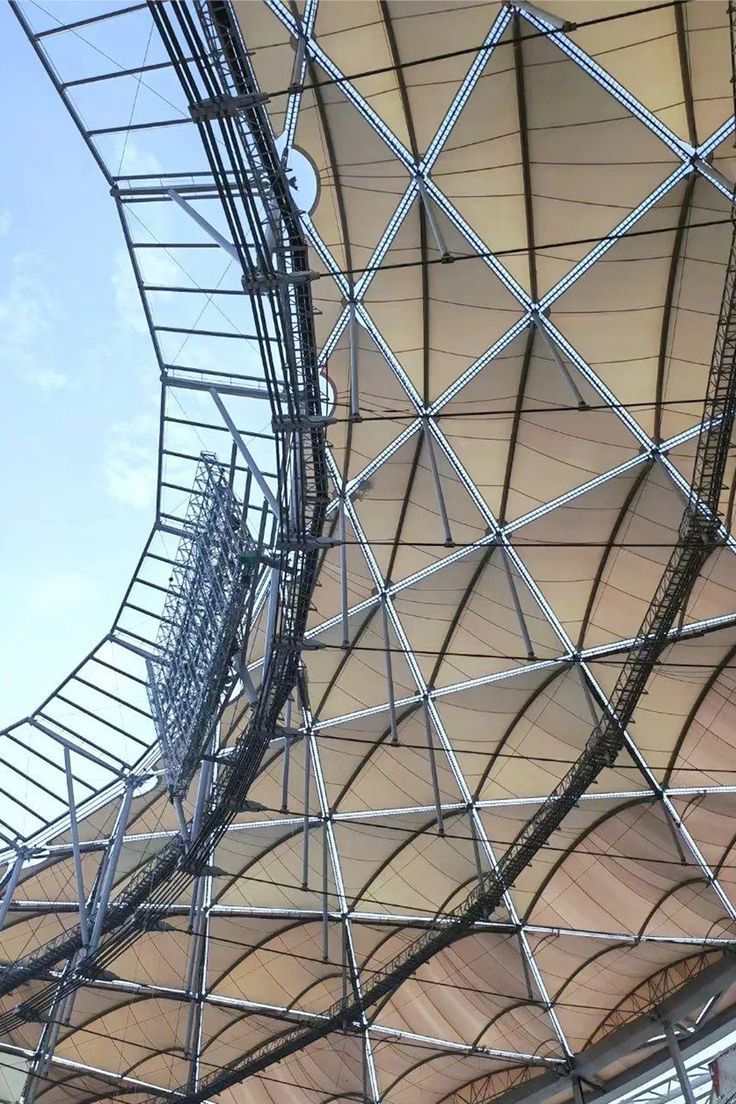
ePTFE membranes exhibit remarkable filtration capabilities due to their unique pore structure and high porosity. With a precision pore size range from 0.05 to 0.45 µm, these membranes can efficiently capture fine particles while allowing gases and vapors to pass through. This characteristic makes them highly effective in various applications, particularly in protecting sensitive electronic components from moisture, dust, and other contaminants in harsh environments. Furthermore, ePTFE membranes maintain a filtration efficiency of 99.99% for particles as small as 0.3 µm, ensuring that only clean air or gas reaches critical systems. Their ability to block liquid water while remaining permeable to air enhances their utility in diverse settings, including pharmaceuticals and electronics manufacturing. The high gas permeability of ePTFE membranes supports efficient processes without compromising on filtration performance. Overall, these unique properties make ePTFE an essential material for advanced technological applications where cleanliness and reliability are paramount.
Sealing solutions with ePTFE
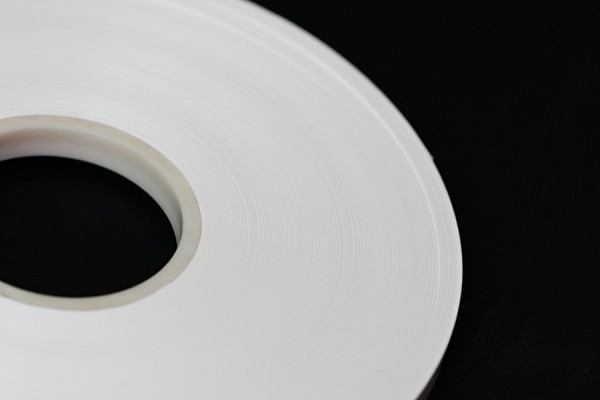
ePTFE membranes are essential in sealing solutions, especially in high-pressure environments. Their unique structure allows for effective sealing, providing robust protection against factors like moisture and particulates. The membranes maintain an IP68 protection level, making them ideal for applications in semiconductor equipment and battery pack valves designed to prevent explosions. Their durability is heightened by their chemical resistance and thermal stability, ensuring long term functionality despite exposure to harsh conditions. Additionally, the lightweight nature of ePTFE membranes enhances their usability across various sectors while simplifying the installation process. These features contribute to their growing acceptance in environments that demand stringent safety and reliability standards. The versatility of ePTFE allows for tailored solutions that meet specific sealing needs, which is crucial for advancing technology in sensitive applications like renewable energy systems and electronic devices.
Custom design options for ePTFE
ePTFE membranes offer significant customization capabilities to meet sector-specific demands. Manufacturers can tailor the dimensions, thickness, and pore sizes of these membranes to fulfill particular application requirements. This flexibility allows businesses to optimize performance for unique environments, whether in filtration, sealing solutions, or packaging applications. Customizable features may include hydrophobic or hydrophilic surface treatments, enhancing adhesion and functional performance depending on the intended use. Custom design options ensure that ePTFE membranes can accommodate various challenges faced by advanced industries, such as semiconductor production or high-energy battery technology. The ability to modify these membranes helps improve their effectiveness in protecting sensitive electronic components and ensures compliance with rigorous environmental and safety standards. By engaging with manufacturers on specific design parameters, companies can develop solutions that enhance operational efficiencies and product reliability across diverse applications.
Performance characteristics of ePTFE Membranes
ePTFE membranes exhibit a range of performance characteristics that make them exceptionally suitable for advanced applications. These membranes maintain a high degree of surface smoothness, which minimizes the risk of contaminants and enhances overall performance. The density of ePTFE membranes typically hovers around 0.8 g/cm³, contributing to their lightweight properties without compromising strength. Their tensile strength is impressive, showing approximately 220 MPa when measured longitudinally and about 21.5 MPa transversely. This robust tensile capability enables ePTFE to withstand significant stress in demanding environments. Additionally, these membranes display remarkable thermal stability and chemical inertness, allowing them to function effectively across a broad temperature range from -200°C to +260°C. Such resilience facilitates their use in diverse sectors, ensuring reliability even under harsh conditions. The combination of these attributes positions ePTFE membranes as a key player in the high-tech industry, where innovative materials are essential for advanced product development and performance optimization.
ePTFE in High-Tech Sectors
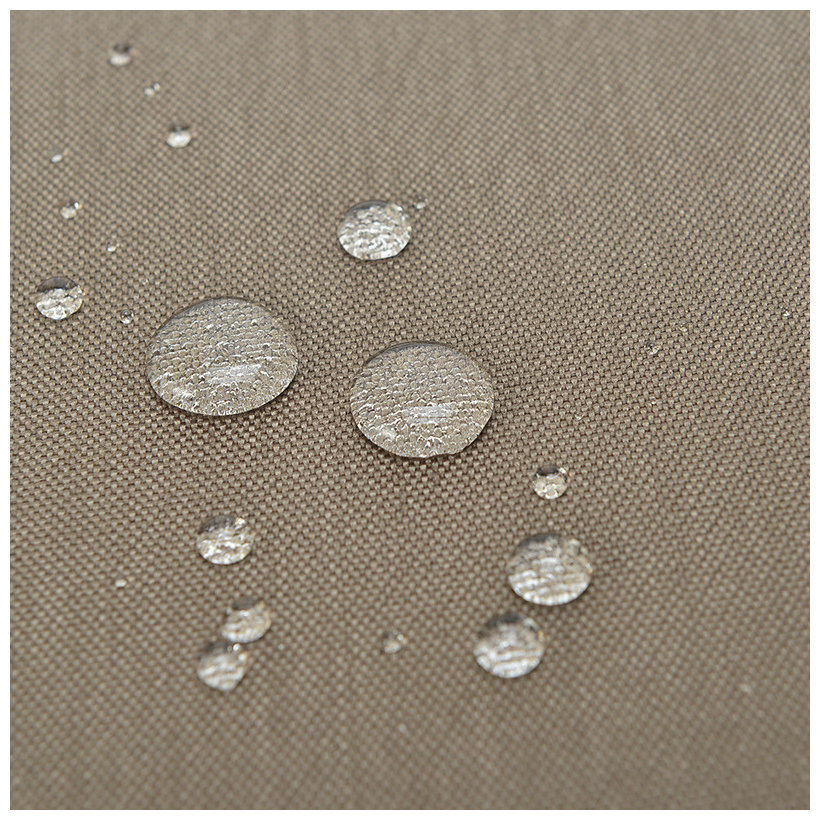
ePTFE membranes have established themselves as essential components in various high-tech sectors, thanks to their exceptional properties. In the semiconductor industry, ePTFE is utilized for packaging sensitive components, providing an effective barrier against moisture and dust while maintaining high gas permeability. Additionally, the ability of ePTFE to withstand extreme temperature variations makes it suitable for applications in energy storage devices, such as batteries. These membranes help in sealing and protecting critical components under challenging conditions.
Moreover, the growing demand for advanced filtration systems has positioned ePTFE membranes as a preferred choice for manufacturers focusing on cleanroom environments and pharmaceutical applications. Their ability to filter out contaminants while allowing air circulation is vital in these controlled settings. Furthermore, industries like aerospace and automotive benefit from ePTFE’s lightweight yet durable nature, enabling innovative solutions that improve performance without compromising safety. The flexibility of ePTFE membranes also promotes custom design options that cater to the unique requirements of various sectors, enhancing functionality across a broad spectrum of applications.
Advancements in ePTFE Technology
Recent developments in ePTFE technology focus on improving its versatility and performance across various industries. Innovations in manufacturing techniques have enabled more precise control over pore size and porosity, which enhance the filtration capabilities of ePTFE membranes. These advancements allow for better separation of particles, making the membranes increasingly effective in applications requiring high levels of purity and protection. Furthermore, advancements in surface treatments have expanded the functional applications of ePTFE, enabling both hydrophobic and hydrophilic properties that cater to different operational needs. The ability to customize thickness and strength enhances product adaptability across sectors like electronics and pharmaceuticals. Continuous research into the thermal stability and chemical resistance of ePTFE also plays a crucial role in increasing its utility in extreme environments, paving the way for its application in innovative technologies such as energy storage solutions and advanced electronics manufacturing. These ongoing enhancements are setting new benchmarks for performance standards in high-tech sectors.
Conclusion
the properties and applications of ePTFE membranes illustrate their essential role in advanced industries. Their unique combination of gas permeability, moisture resistance, and exceptional filtration capabilities positions them as critical components in sensitive environments. Industries relying on high performance, such as electronics and energy storage, benefit significantly from the durability and customizability of ePTFE products. Sealing solutions provided by these membranes ensure reliable operation even under extreme conditions, while their versatility allows for tailored designs that meet specific sector requirements. Ongoing advancements in ePTFE technology continue to enhance its functional uses across various fields, solidifying its importance in today’s high-tech landscape. As manufacturers explore new applications and improvements, ePTFE membranes are likely to play a vital role in the innovation and reliability of future industrial practices.
FAQs
What is an ePTFE membrane?
An ePTFE membrane is a porous material made from expanded polytetrafluoroethylene, known for its high gas permeability and excellent moisture resistance.
What are the primary applications of ePTFE membranes?
ePTFE membranes are used in various industries, including electronics, pharmaceuticals, aerospace, and energy storage for applications such as filtering, sealing, and protecting sensitive components.
How effective are ePTFE membranes in filtration?
ePTFE membranes can achieve a filtration efficiency of 99.99% for particles as small as 0.3 µm, making them highly effective in preventing contamination in critical environments.
What benefits do custom design options for ePTFE provide?
Custom design options allow manufacturers to tailor dimensions, thicknesses, and surface treatments to meet specific operational needs across various applications and industries.
Are ePTFE membranes resistant to chemicals and heat?
Yes, ePTFE membranes exhibit excellent chemical resistance and thermal stability, functioning effectively in temperatures ranging from -200°C to +260°C without degradation.