Key takeaways
PTFE membranes are essential components in modern technology, offering various benefits across numerous industries. Their waterproofing attributes play a vital role in protecting sensitive equipment from moisture damage, while the membranes’ breathability ensures optimal performance, even under challenging environmental conditions. The thermal stability of PTFE allows it to function reliably in extreme temperatures, which is crucial for applications in sectors like aerospace and automotive. Furthermore, the unique microporous structure of PTFE membranes not only supports effective moisture management but also enhances the longevity of electronic devices by reducing dust accumulation. As industries continue to seek solutions that balance performance and protection, PTFE membranes stand out as a versatile choice capable of adapting to evolving technological demands. Their innovative applications reflect an ongoing commitment to improving product efficiency and reliability, making them a critical element in advancing modern technology.
Applications of PTFE Membranes in Technology
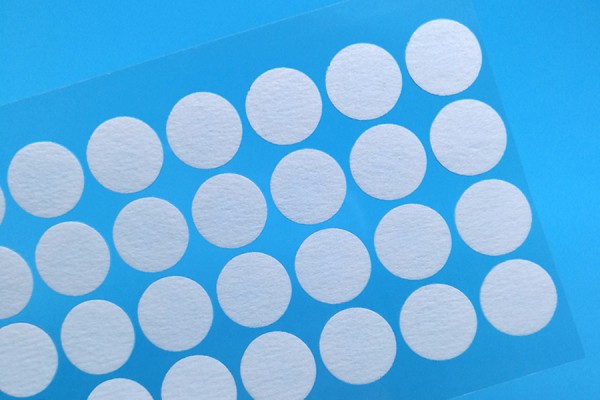
PTFE membranes play a crucial role in various technological applications due to their exceptional properties. Their waterproofing capabilities make them ideal for use in environments that require protection from moisture and other elements. Additionally, the breathability of PTFE films allows for consistent airflow, which is vital for maintaining performance in electronic devices. The unique microporous structure of PTFE enhances its ability to seal against water while still allowing gas and vapor exchange, a feature especially beneficial in consumer electronics like smartphones and true wireless stereo (TWS) earbuds.
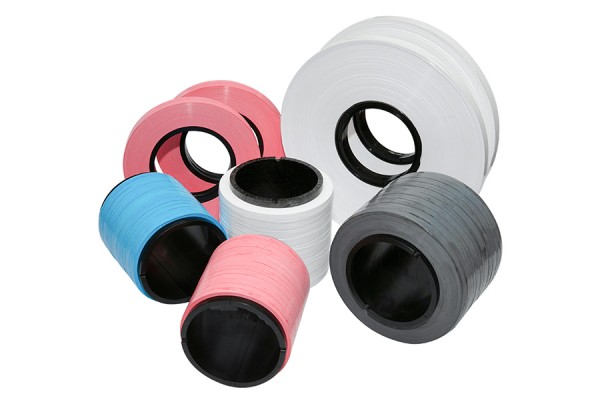
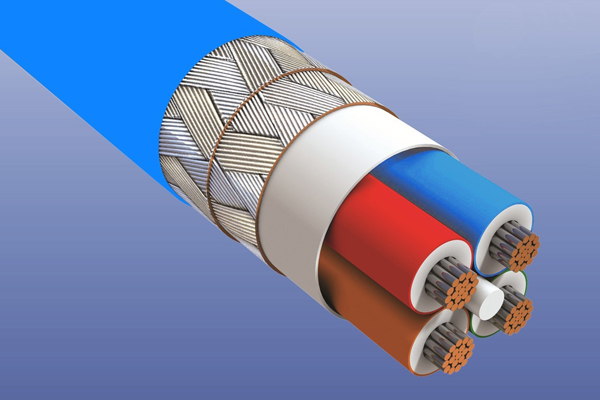
In the realm of telecommunications, PTFE cable wrapping tape is essential for high-speed data transmission, ensuring that signals remain clear and stable even under demanding conditions. The use of high-speed transmission line PTFE wrapping tape within advanced infrastructures like 5G base stations demonstrates its importance in modern communication systems. Beyond communications, the thermal stability of PTFE membranes supports their application in harsh environments, such as automotive engine compartments and aviation sectors.
Overall, the versatility of PTFE membrane applications across various industries reflects their enduring value as materials engineered for success beyond conventional uses.
Waterproofing properties of PTFE Membranes
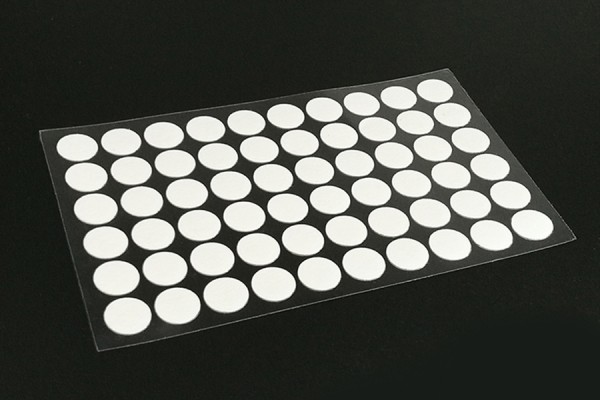
PTFE membranes offer exceptional waterproofing capabilities, making them a preferred choice in various industries. The unique structure of PTFE allows it to repel water while maintaining breathability, which is essential for applications where moisture management is critical. These membranes can achieve a porosity greater than 85%, with pore sizes that efficiently block water droplets while permitting air circulation. This characteristic ensures that products remain dry and functional under challenging conditions, effectively preventing water ingress. Moreover, the waterproof properties are reinforced by the chemical inertness of PTFE, which resists degradation from environmental factors, further enhancing durability. As a result, PTFE membranes not only protect sensitive components but also extend the lifespan of devices by shielding them from moisture and related hazards. The synergy between waterproofing and breathability presents opportunities for innovative applications across sectors such as consumer electronics, automotive, and outdoor equipment.
Breathability and Performance of PTFE Films
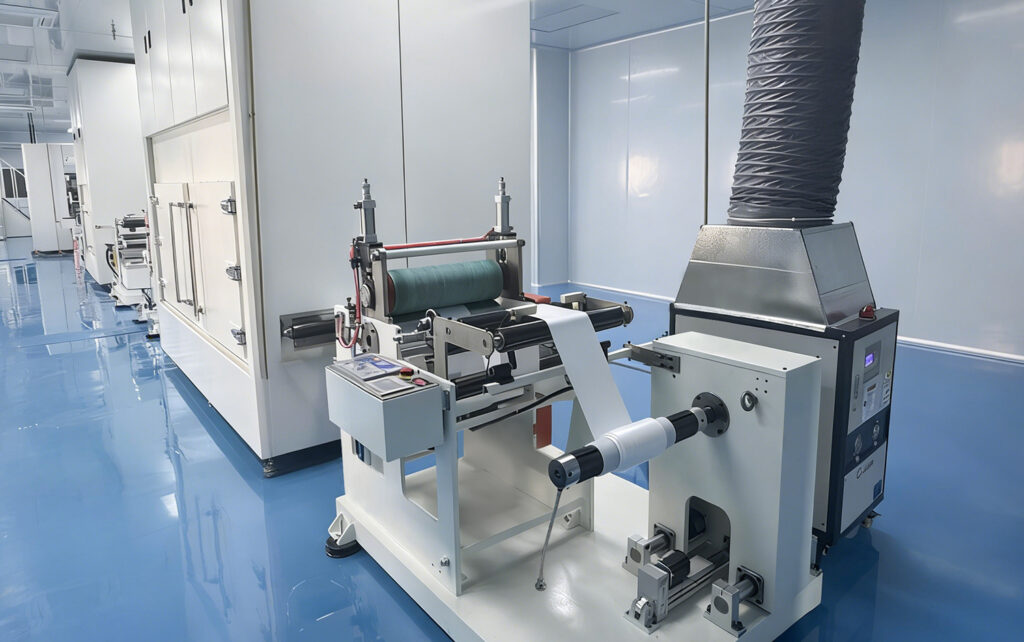
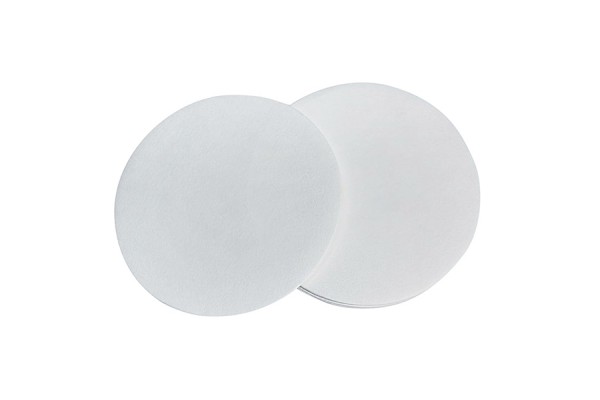
PTFE films exhibit remarkable breathability due to their microporous structure, which allows air and moisture vapor to pass through while effectively blocking larger water droplets. This unique characteristic is essential in various applications, as it maintains a balance between waterproofing and airflow. The pore sizes, which typically range from 0.2 to 3 μm, enable efficient ventilation, ensuring that devices remain functional even in humid environments. In addition to moisture management, PTFE membranes also resist dust accumulation. This resistance contributes to their performance by minimizing the need for maintenance and enhancing the longevity of devices they protect. Furthermore, the alignment of fibers during the production process contributes to the film’s strength and durability, making these membranes not only breathable but also reliable under different conditions. The combination of these properties positions PTFE films as a superior choice in many technological applications where both protection and performance are critical.
Thermal stability of PTFE Membranes in Harsh Environments
PTFE membranes exhibit remarkable thermal stability, making them suitable for extreme conditions. They function effectively across a temperature range from -200°C to +260°C, allowing them to maintain performance where many other materials would fail. PTFE shows resilience even when briefly exposed to temperatures above 300°C without compromising its structural integrity. This property is particularly important in applications where fluctuations in temperatures are common, such as in aerospace or automotive sectors. The thermal stability ensures that PTFE membranes can insulate effectively, preventing failures due to heat while providing reliable performance. Their ability to withstand high temperatures contributes to their widespread use in industries that demand durability and reliability under harsh operating conditions. Additionally, the chemical inertness of PTFE materials complements their thermal properties, enabling their usage in environments where exposure to corrosive agents is likely. This combination of high thermal resistance and chemical stability creates a versatile component for various applications, enhancing the longevity and functionality of systems that depend on these membranes.
Protecting electronics with PTFE Membranes
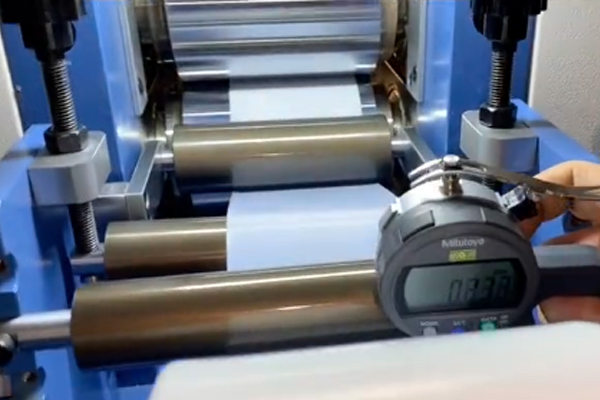
PTFE membranes play a vital role in safeguarding electronic devices by creating a reliable barrier against moisture and water ingress. Their unique waterproofing capabilities prevent damage from environmental factors, which is especially important for sensitive equipment. In addition to moisture protection, PTFE membranes contribute to enhanced performance by reducing the accumulation of dust on their surfaces, allowing for self-cleaning properties through the natural shedding of particulates. This is crucial in maintaining the functionality of electronic components over time. Furthermore, the low dielectric constant and dissipation factor of PTFE serve as effective insulating materials in high-frequency applications. As a result, they are commonly utilized in cable membranes that protect high-speed signal transmissions while ensuring precision environmental control. This combination of attributes not only extends the lifespan of devices but also ensures optimal performance, making PTFE membranes an essential component in modern electronic design and applications across various industries.
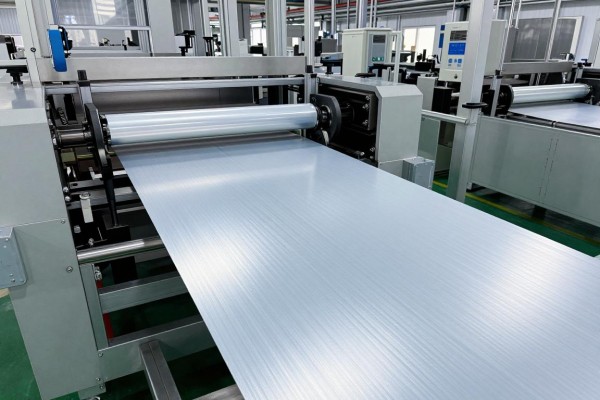
The role of PTFE in Advanced Telecommunications
PTFE membranes play a key role in the field of advanced telecommunications by providing reliable insulation for high-frequency cables. Due to their unique properties, these membranes significantly reduce signal loss, which is critical for maintaining high data transmission speeds. The low dielectric constant of PTFE ensures minimal interference during signal transmission, making it an ideal choice for modern communication systems that demand excellent performance. Additionally, the thermal stability of PTFE allows it to operate effectively under varying environmental conditions, which is essential for outdoor telecommunications equipment. As the demand for faster data transfer continues to rise, PTFE’s performance characteristics are becoming increasingly vital in the development of infrastructure such as 5G networks. Furthermore, the durability of PTFE membranes helps protect against environmental factors, ensuring long-lasting functionality and reliability in telecommunications applications.
Microporous structure and Its Benefits
The microporous structure of PTFE membranes contributes significantly to their functional advantages, particularly in applications demanding both breathability and waterproofing. This intricate structure consists of interconnected pores that measure between 0.2 to 3 μm, effectively allowing water vapor to escape while blocking larger water droplets. Such properties are especially valuable in environments where moisture control is crucial, as it reduces the risk of condensation and material degradation. Additionally, the surface characteristics of PTFE membranes promote the natural shedding of dust and particulate matter, maintaining cleaner surfaces over time. This self-cleaning capability enhances their durability and performance in various conditions. Furthermore, the microporous nature supports acoustic properties, making these membranes suitable for use in high-fidelity sound applications. The combination of these benefits ensures that PTFE membranes are highly effective across multiple industries, ranging from consumer electronics to industrial applications where maintaining optimal conditions is essential for device longevity and performance.
Innovative uses of PTFE in Various Industries
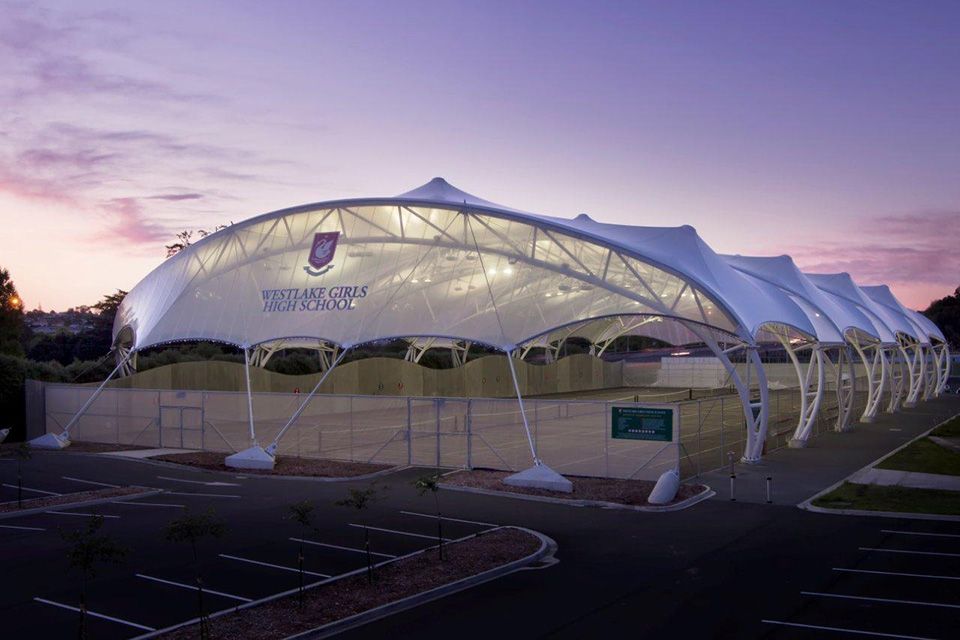
PTFE membranes find diverse applications across multiple sectors due to their unique properties. In the medical field, they are utilized in surgical instruments and implants, where their biocompatibility and resistance to chemical reagents enhance safety and effectiveness. In the construction industry, PTFE films serve as weather-resistant seals in architectural designs, contributing to both durability and aesthetic appeal. The automotive sector also benefits from PTFE’s thermal stability, employing it in gaskets and seals that must withstand extreme temperatures. Furthermore, PTFE membranes are increasingly integrated into renewable energy systems, such as solar panels, where they help improve efficiency by providing moisture resistance while allowing for airflow. Their versatility is evident in the expanding use of PTFE films within consumer products, such as outdoor apparel and equipment designed for various environmental conditions. Each application highlights the adaptability of PTFE membranes, confirming their relevance across a broad array of contemporary industries.
Conclusion
PTFE membranes are integral to various technological applications due to their unique properties and versatility. Their waterproofing abilities protect against moisture ingress, while their breathability ensures optimal performance in sensitive environments. As industries increasingly prioritize durability and efficiency, the thermal stability of PTFE membranes enables their use in extreme conditions, maintaining functionality in sectors like automotive and aerospace. Furthermore, the role of PTFE in safeguarding electronic devices highlights its importance in modern design, where performance and protection are paramount. The microporous structure not only enhances breathability but also supports innovative applications across diverse fields. As the demand for advanced technologies grows, PTFE membranes continue to be a reliable choice for industries seeking to improve product longevity and efficiency while adapting to ever-evolving challenges. The ongoing exploration of new uses underlines their lasting relevance and potential for future advancements across multiple sectors.
FAQs
What are PTFE membranes used for?
PTFE membranes are utilized in various applications, including waterproofing, protecting electronic devices, and providing thermal stability in harsh environments.
How do PTFE membranes contribute to breathability?
PTFE membranes feature a microporous structure that allows air and moisture vapor to pass through while blocking larger water droplets, ensuring optimal performance.
Are PTFE membranes resistant to high temperatures?
Yes, PTFE membranes can maintain functionality in extreme temperatures ranging from -200°C to +260°C, making them suitable for challenging environments.
Can PTFE membranes be used in telecommunications?
Absolutely. PTFE membranes provide excellent insulation for high-frequency cables, reducing signal loss and ensuring efficient data transmission.
What industries benefit from using PTFE membranes?
PTFE membranes are valuable across multiple sectors, including consumer electronics, automotive, aerospace, medical applications, and renewable energy systems.