Key takeaways
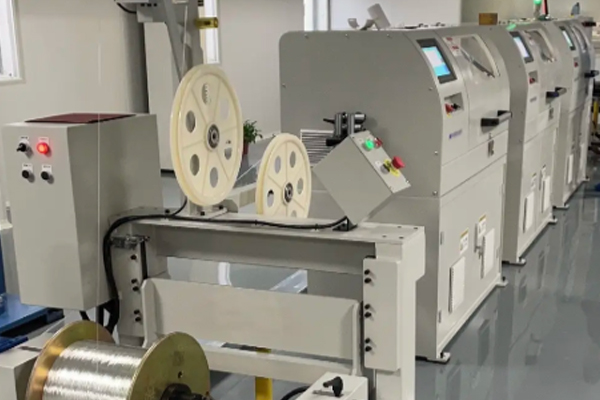
PTFE film stands out for its exceptional properties, making it an invaluable material across various industrial applications. Its durability ensures that it can handle extreme conditions without compromising integrity or functionality. This resilience is critical in sectors like energy and semiconductor manufacturing, where reliable performance is essential. Furthermore, the chemical resistance of PTFE film protects equipment from harmful substances, solidifying its role in applications that require precision and safety. Its versatility is evident, as PTFE film adapts to different industrial needs, enhancing processes in filtration and insulation. The combination of low friction properties and lightweight structure not only boosts efficiency but also reduces wear on machinery, contributing to longer service life and lower maintenance costs. Overall, PTFE film proves to be a crucial asset for industries seeking reliable solutions that improve operational effectiveness while addressing technological advancements.
Key advantages of PTFE Film
PTFE film offers several key advantages that make it highly effective for industrial applications. Its remarkable durability allows it to withstand extreme environmental conditions, contributing to its longevity in various settings. Additionally, PTFE film exhibits excellent chemical resistance, enabling it to perform reliably even when exposed to harsh chemicals and solvents. This characteristic ensures that components such as PTFE Thread Seal Tape and PTFE cable wrapping tape maintain their integrity over time, enhancing overall operational safety.
Furthermore, the versatility of PTFE film is evident in its application across multiple sectors including semiconductors and energy. Products like the DAC high-speed cable wrapping film and AEC high-speed cable wrapping film utilize PTFE’s unique properties to improve electrical insulation and signal integrity. Its lightweight yet strong structure allows for efficient performance in high-speed transmission lines.
Lastly, the low friction coefficient of PTFE film reduces wear on machinery, thereby improving energy efficiency. This advantage is crucial for applications involving high-speed and high-frequency cable wrapping films, where performance optimization is essential for productivity. The combination of these attributes positions PTFE film as an ideal choice for industries seeking reliable materials that enhance performance while reducing maintenance needs.
Applications of PTFE Film in Industry
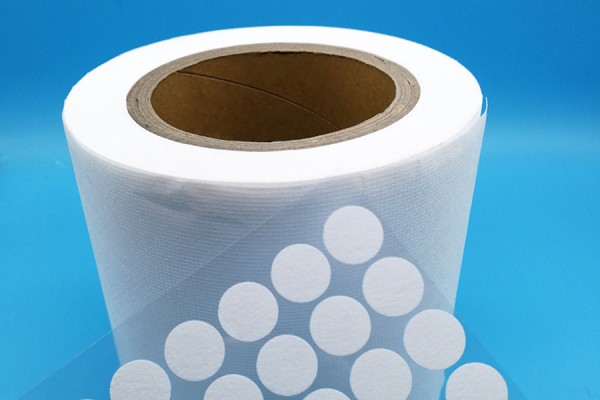
PTFE film is widely used across various industrial sectors due to its remarkable properties. In the semiconductor industry, PTFE film plays a vital role in insulation materials, where its low permeability and chemical resilience protect sensitive components during manufacturing and operation. This film is also pivotal in the energy sector, functioning as an effective barrier against chemicals and heat, thus enhancing the performance and reliability of equipment like batteries and fuel cells. Furthermore, in filtration applications, PTFE film is utilized to create membranes that provide high quality filtration while maintaining chemical compatibility under extreme conditions. These membranes not only improve efficiency but also extend the lifespan of filtration systems. Additionally, the versatility of PTFE film extends to food processing and pharmaceuticals, where it prevents contamination and ensures product integrity. Each application showcases the adaptability of PTFE film, making it a key component in advancing technology across industrial landscapes.
Durability of PTFE Film Explained
PTFE film exhibits remarkable durability, making it suitable for demanding industrial environments. Its structural integrity enables it to withstand extreme temperatures, ranging from very low to high extremes, without losing functionality. This versatility ensures that PTFE film maintains its performance even under fluctuating conditions. Additionally, the material’s resistance to physical wear and tear contributes significantly to its longevity in various applications. PTFE film resists tearing and puncturing, making it ideal for protective coverings and insulation purposes. Furthermore, its stability in the presence of harsh chemicals significantly enhances its durability, allowing it to perform effectively in corrosive environments without degradation. Overall, the robust properties of PTFE film underline its importance in applications where longevity and reliability are critical factors.
Chemical resistance of PTFE Film
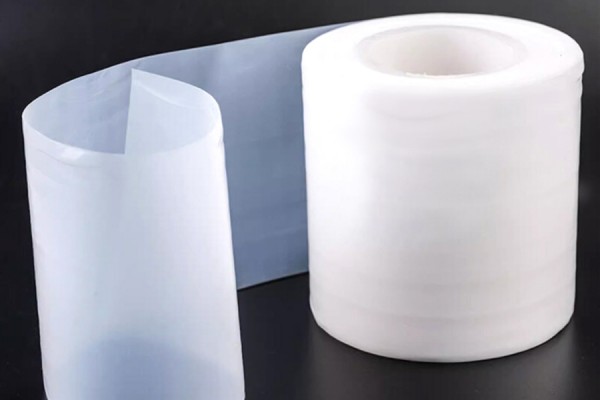
PTFE film exhibits exceptional chemical resistance, making it ideal for various industrial environments. This material can withstand exposure to a wide array of chemicals, including acids, bases, and solvents, without degrading or losing its functionality. Its stability at extreme pH levels ensures that it remains effective in harsh conditions. The non-stick properties of PTFE film further enhance its performance by minimizing chemical adhesion, which helps maintain the purity and integrity of substances being processed. In applications where chemical exposure is a concern, PTFE film plays a critical role in preventing leaks and erosion that could compromise system safety. This characteristic is particularly important in sectors such as pharmaceuticals and petrochemicals, where stringent safety standards are essential. Overall, the remarkable chemical resistance of PTFE film contributes to its widespread adoption across various industries, reinforcing its value as a reliable material in challenging applications.
Versatility of PTFE Film in Semiconductors
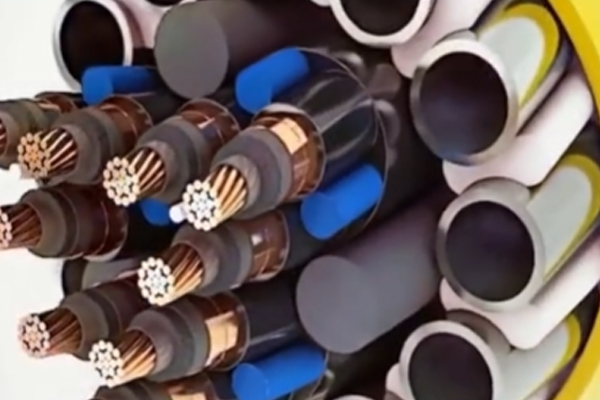
PTFE film plays a crucial role in the semiconductor industry due to its distinct properties that promote efficiency and reliability. The film’s durability ensures it can withstand the rigorous demands of manufacturing processes, which often involve high temperatures and exposure to various chemicals. This resilience is essential for protecting sensitive electronic components during production. Additionally, PTFE film serves as an effective insulating material, preventing electrical interference between components and enhancing overall performance.
In applications such as wire and cable insulation, PTFE films provide excellent dielectric properties, enabling optimal electrical signal transmission without degradation over time. Furthermore, the film’s non-stick characteristics help reduce contamination risks during semiconductor fabrication, ensuring high quality yields. The capacity to customize PTFE films to specific thicknesses enhances their utility across diverse applications within this sector. Overall, the adaptability of PTFE film makes it indispensable in achieving precise and efficient outcomes in semiconductor manufacturing processes.
PTFE Film in Energy Sector Uses
PTFE film is increasingly employed in the energy sector due to its remarkable properties that enhance system performance. Its high thermal stability and exceptional chemical resistance make it suitable for applications involving harsh operating environments, such as oil and gas exploration, solar energy systems, and power generation equipment. In photovoltaic panels, PTFE films provide essential insulation, protecting sensitive components from moisture and enhancing overall efficiency. Furthermore, these films serve as a reliable barrier in cables used for energy transmission, significantly reducing the risk of electrical insulation failure. The durability of PTFE film contributes to longer service life in applications like wind turbines, where it is used to protect components from corrosive elements. As the demand for sustainable energy solutions increases, the role of PTFE films in developing efficient and resilient systems is becoming more vital. Their ability to withstand extreme conditions while maintaining performance makes PTFE film a valuable material across various applications within the energy sector.
Filtration solutions with PTFE Film
PTFE film offers significant advantages in filtration applications due to its unique properties. The exceptional chemical compatibility of PTFE makes it suitable for filtering various aggressive substances without degrading. This film maintains integrity across a wide temperature range, ensuring reliability in demanding environments. Enhanced filtration solutions utilizing PTFE film provide precision and efficiency, improving the separation of particles from liquids and gases. The porous structures of expanded PTFE membranes, in particular, allow for customizable thickness and porosity, catering to specific filtration needs. Industries such as pharmaceuticals and food processing benefit greatly from these qualities, as achieving high levels of purity is crucial. Furthermore, the resistance to fouling enhances the longevity of filters made with PTFE film, reducing maintenance costs and downtime. Overall, these benefits position PTFE film as a valuable component in advanced filtration systems where performance and durability are paramount.
Enhancing performance with PTFE Film
PTFE film significantly improves performance across various industrial applications due to its unique properties. Its smooth surface reduces friction, leading to less wear on components and increased efficiency in machinery. This film also maintains functionality under extreme temperatures, ensuring that performance remains stable even in demanding environments. Additionally, PTFE film’s chemical resistance protects equipment from harsh substances, which is essential in sectors like semiconductor manufacturing and energy production. The non-stick nature of PTFE minimizes contamination risks, fostering cleaner processes and reducing maintenance needs. By integrating PTFE film into operations, industries can achieve higher reliability and productivity, making it a strategic choice for enhancing overall operational efficiency. As technologies evolve, the adaptability of PTFE film will likely play a vital role in advancing industrial capabilities.
Conclusion
the benefits and applications of PTFE film in various industrial sectors are substantial. This material stands out for its durability, chemical resistance, and versatility across applications ranging from semiconductors to energy and filtration solutions. As industries evolve and face new challenges, PTFE film continues to provide reliable solutions that enhance operational effectiveness. Its role in protecting sensitive components in semiconductors, reducing maintenance needs in machinery through low friction properties, and ensuring chemical compatibility in filtration systems illustrates its comprehensive advantages. The increasing demand for high-performance materials in complex industrial landscapes further solidifies PTFE film’s position as a key player. By leveraging its unique characteristics, industries can improve efficiency, safety, and sustainability while addressing the intricacies of modern manufacturing processes.
FAQs
What is PTFE film used for in industrial applications?
PTFE film is widely used for insulation, chemical resistance, and as a protective barrier in industries such as semiconductors, energy, and filtration.
How does PTFE film enhance performance?
PTFE film reduces friction, ensuring less wear on machinery and maintaining operational efficiency even in extreme conditions.
Is PTFE film resistant to chemicals?
Yes, PTFE film exhibits exceptional resistance to a variety of chemicals, including acids and solvents, without degrading its properties.
What industries benefit from PTFE film?
Industries like semiconductor manufacturing, energy production, and filtration systems significantly benefit from the unique properties of PTFE film.
How does the durability of PTFE film contribute to its applications?
The durability of PTFE film allows it to withstand harsh environments and extreme temperatures, making it ideal for long-lasting use in critical industrial settings.
Can PTFE film be used in food processing applications?
Yes, PTFE film is safe for use in food processing as it prevents contamination and ensures product integrity during manufacturing.
What are the advantages of using PTFE films in semiconductor manufacturing?
In semiconductor manufacturing, PTFE films provide excellent insulation and protect sensitive components from contamination while ensuring electrical integrity.