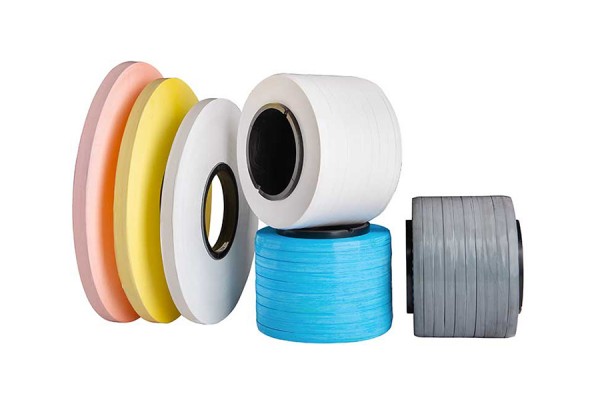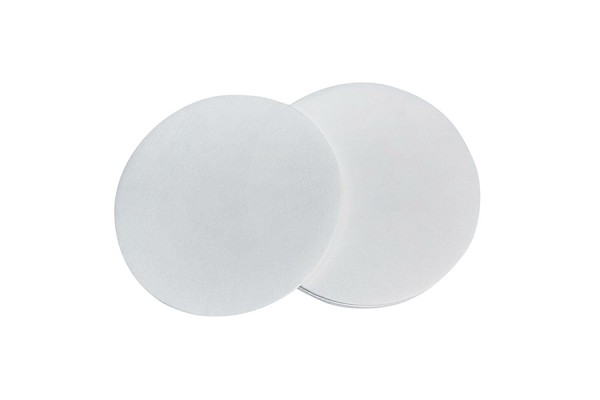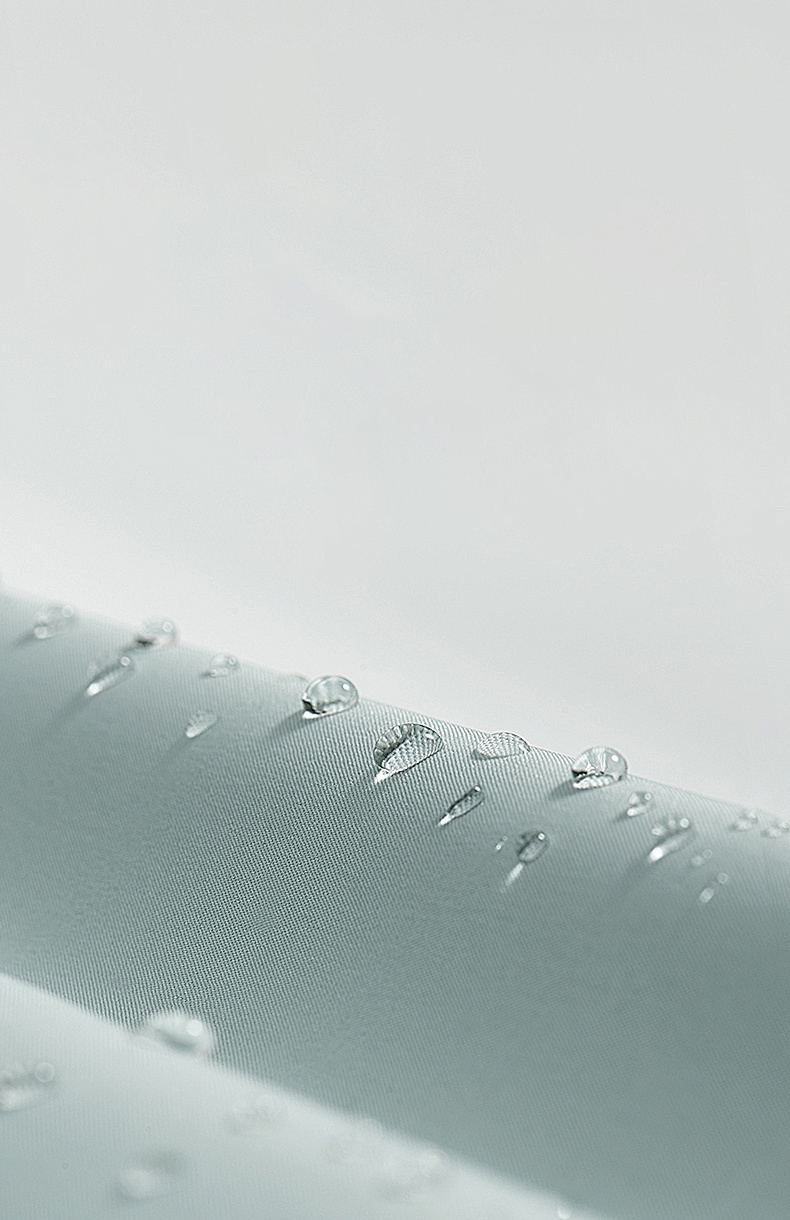
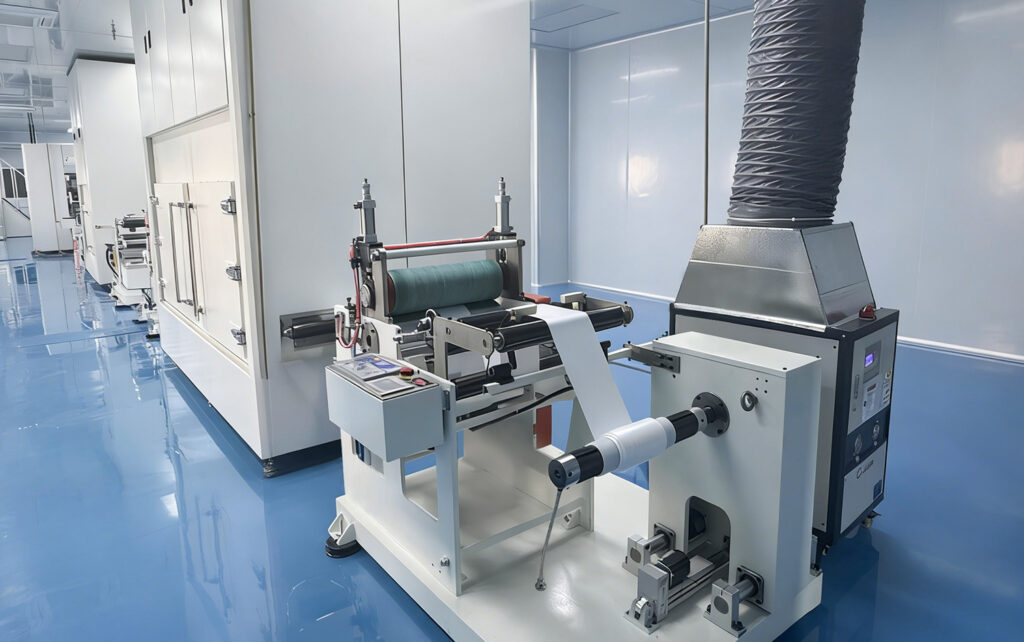
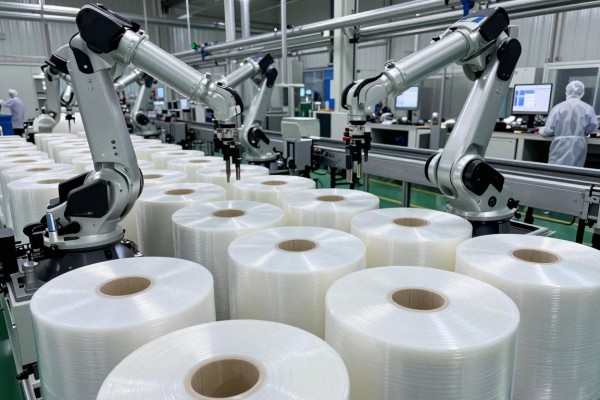
PTFE high-speed cable film offers significant benefits across various industries by enhancing insulation and performance. Its exceptional thermal resistance enables it to operate effectively in extreme temperature ranges, ensuring reliability in critical applications such as aerospace and telecommunications. The lightweight and flexible nature of PTFE film supports ease of installation while maintaining signal integrity, ultimately reducing interference in high-speed transmission systems. Furthermore, its excellent electromagnetic shielding capabilities protect sensitive components from external interferences, which is essential for modern electronic systems. With proven advantages in versatility and performance, PTFE high-speed cable films are a vital component in delivering efficient solutions tailored to meet the demands of advanced technology.
Innovative Applications of PTFE High-Speed Cable Film for Insulation
PTFE high-speed cable film is transforming the insulation landscape in various high-demand applications. This film excels in environments where high-speed transmission lines are essential, combining features that enhance performance and reliability. The flexibility of PTFE wrapping film makes it suitable for many applications, including RF and microwave equipment, where maintaining signal integrity is crucial. Additionally, this material serves effectively as PTFE cable wrapping tape, ensuring optimal insulation under extreme conditions.
In aerospace and automotive sectors, High speed and high-frequency cable wrapping film are particularly beneficial due to their outstanding thermal resistance and lightweight structure. These characteristics allow for excellent thermal stability, even in challenging environments. The DAC, AEC, AOC, and ACC high-speed cable wrapping films showcase the adaptability of PTFE in insulating critical components across various industries. By employing PTFE Thread Seal Tape for added insulation in connectors, manufacturers enhance overall system reliability while reducing potential failure points.
| Application Area | Key Benefits | Recommended Film Type |
|---|---|---|
| Aerospace | High thermal resistance | DAC high-speed cable wrapping film |
| Automotive | Lightweight structure | AEC high-speed cable wrapping film |
| RF Equipment | Signal integrity and flexibility | AOC high-speed cable wrapping film |
| Industrial Electronics | Enhanced insulation under extreme conditions | ACC high-speed cable wrapping film |
These innovations demonstrate the versatility of PTFE films across diverse industries while addressing specific insulation needs effectively.
Enhancing Signal Reliability with PTFE High-Speed Cable Film
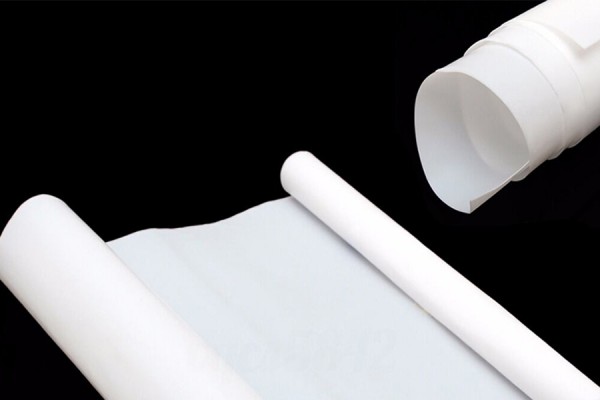
PTFE high-speed cable film plays a crucial role in ensuring reliable signal transmission across various applications. This film, renowned for its excellent thermal resistance and low dielectric constant, is particularly beneficial for high-speed and high-frequency cable wrapping. By utilizing PTFE cable wrapping tape, manufacturers can significantly reduce interference and enhance performance in RF and microwave communication systems. Additionally, the lightweight structure of PTFE cable roll coating contributes to minimal signal loss while providing optimal shielding against electromagnetic interference. Consequently, this innovative approach assures that electrical signals maintain integrity even in demanding environments, making it a preferred choice for aerospace and other high-performance sectors.

The Role of PTFE Films in High-Temperature Electrical Insulation
PTFE films play a critical role in high-temperature electrical insulation due to their exceptional thermal stability and electrical properties. These films can withstand extreme temperatures ranging from -150°C to 260°C, making them ideal for applications that require robust insulation in harsh environments. The lightweight structure and low thermal expansion coefficient ensure minimal stress on cable components, allowing for efficient installation and performance. Furthermore, the use of high-speed transmission line PTFE wrapping tape enhances the reliability and safety of electrical systems by preventing signal loss and protecting against electromagnetic interference. As a result, PTFE films are increasingly favored in sectors like aerospace, automotive, and telecommunications, where dependable performance is paramount.
Exploring the Advantages of PTFE High-Speed Cable Film in Aerospace Applications
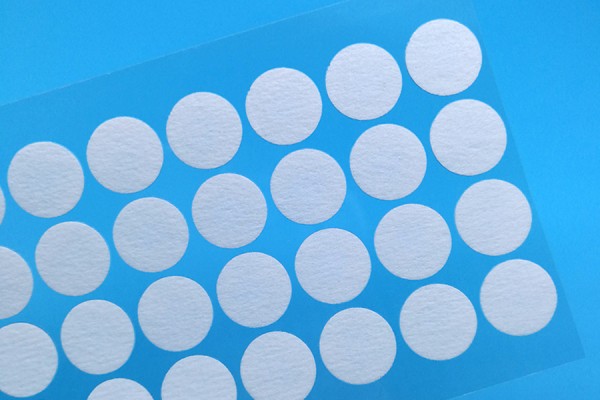
The use of PTFE high-speed cable film is gaining traction in aerospace applications due to its exceptional properties. This film offers superior insulation, effectively maintaining signal integrity while operating under extreme conditions. Its lightweight nature contributes to reduced overall aircraft weight, an essential factor in aerospace design. The thermal resistance of PTFE wrapping film allows it to endure harsh environments encountered during flight, thus ensuring long-term reliability and performance. Additionally, DAC high-speed cable wrapping film provides excellent electromagnetic shielding, protecting sensitive electronic components from interference. As a result, the integration of PTFE high-speed cable film in aerospace wiring systems enhances the functionality of various airborne technologies, making it a favored choice among engineers and manufacturers in the industry.
How PTFE High-Speed Cable Film Ensures Optimal Performance in RF and Microwave Systems
PTFE high-speed cable film plays a crucial role in ensuring optimal performance for RF and microwave systems due to its unique properties. The film’s low dielectric constant minimizes signal loss, which is essential for maintaining high transmission speeds. Its thermal stability allows it to operate effectively in a wide temperature range, from -150°C to 260°C, making it suitable for various demanding environments. Additionally, the advanced microporous structure enhances flexibility, ensuring proper fit and minimizing mechanical stress on cables during operation. This combination of features not only boosts signal integrity but also contributes to the longevity and reliability of communication systems across multiple applications.
Maximizing Thermal Stability with Advanced PTFE High-Speed Cable Films
Advanced PTFE high-speed cable films are engineered to maintain thermal stability in demanding environments. Their unique composition allows them to withstand extreme temperatures, ranging from -150°C to 260°C, making them suitable for a variety of applications. This thermal resilience is critical for high-speed transmission systems, particularly in industries such as aerospace and telecommunications.
"The ability of PTFE films to perform under high thermal stress ensures that signal integrity is preserved during operation."
The low thermal expansion coefficient of these films contributes to their durability, preventing distortion and maintaining consistent performance. Additionally, their lightweight structure enhances versatility, allowing for easy integration into complex wiring systems. This quality not only supports advanced electrical insulation but also enhances the overall efficiency and reliability of the cables they protect. In high-frequency scenarios, effective thermal stability can prevent signal degradation and loss, ultimately leading to improved communication reliability.
PTFE High-Speed Cable Film: A Solution for Efficient Electromagnetic Shielding
PTFE high-speed cable film is engineered to provide exceptional electromagnetic shielding, which is crucial for maintaining signal integrity in high-speed applications. Its unique microporous structure allows for a low dielectric constant, effectively reducing signal loss caused by electromagnetic interference. As technology advances and the demand for faster data transmission increases, the need for reliable shielding becomes paramount. This film’s lightweight and thin profile eases integration into various cable designs without compromising on strength or durability. Furthermore, its excellent thermal resistance ensures consistent performance even in high-temperature environments, making it a suitable choice for aerospace and automotive applications where EMI shielding is critical. The robust mechanical properties of PTFE film enhance its effectiveness in safeguarding sensitive electronic components against external interference, thereby ensuring optimal operational efficiency in critical systems.
Conclusion
The adoption of PTFE high-speed cable film marks a significant advancement in insulation technology, addressing the intricate needs of diverse industries. As high-speed transmission systems continue to evolve, the demand for materials that can withstand extreme conditions while ensuring reliable performance has never been greater. PTFE films demonstrate remarkable resilience against thermal and electromagnetic stresses, contributing to their effectiveness in applications ranging from aerospace to telecommunications. The film’s lightweight nature and superior insulating properties not only enhance signal integrity but also support the efficient operation of modern electronic systems. This versatility positions PTFE high-speed cable film as a reliable solution for manufacturers committed to advancing technological applications while prioritizing safety and performance integrity. Thus, it is evident that PTFE films will remain pivotal in shaping future innovations in cable and insulation technology.
FAQs
What are PTFE high-speed cable films primarily used for?
PTFE high-speed cable films are primarily used for insulation in high-demand applications, including RF and microwave systems, aerospace, and automotive sectors.
What benefits do PTFE high-speed cable films offer?
These films provide excellent thermal resistance, minimize signal loss, and enhance electromagnetic shielding, ensuring reliable performance in extreme conditions.
How do PTFE films impact signal integrity?
PTFE films maintain signal integrity by reducing interference and providing consistent performance across a wide temperature range due to their low dielectric constant.
Can PTFE high-speed cable films be used in harsh environments?
Yes, PTFE films can withstand extreme temperatures from -150°C to 260°C, making them suitable for applications in challenging environments.
What industries benefit from using PTFE high-speed cable films?
Industries such as aerospace, telecommunications, automotive, and industrial electronics benefit significantly from the unique properties of PTFE high-speed cable films.