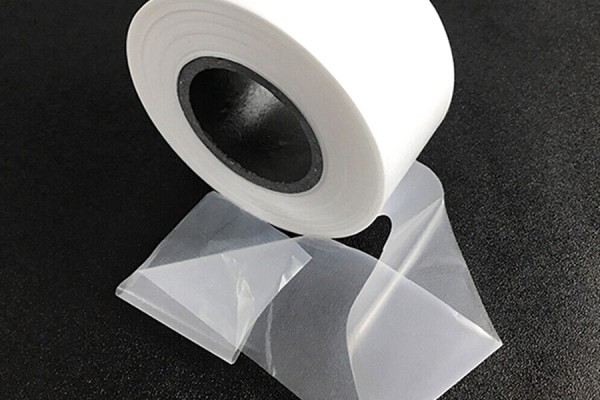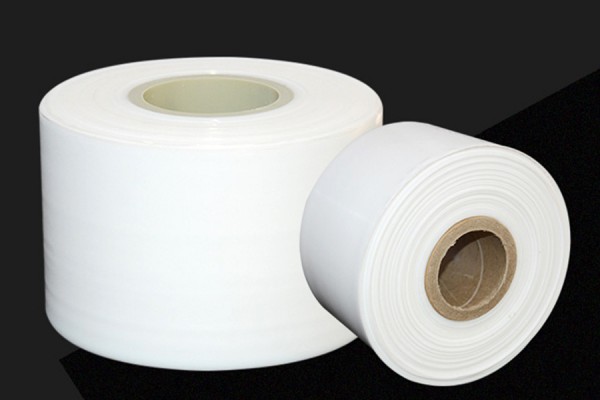
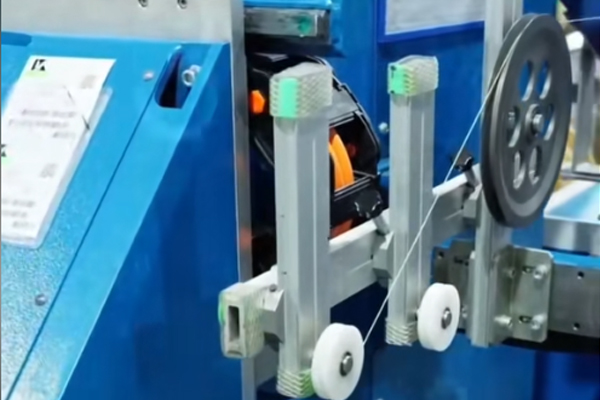
Polytetrafluoroethylene (PTFE) wrapping film stands out due to its exceptional attributes that cater to the needs of various industries. Its chemical resistance ensures durability in harsh environments, making it a reliable material for applications where exposure to aggressive substances is common. Additionally, the low friction surface of PTFE wrapping film reduces wear on cables, which is particularly beneficial in high-speed transmission systems. Industries such as aerospace and healthcare increasingly rely on this material for insulation, enhanced safety, and operational efficiency. Furthermore, the ability to maintain thermal stability even under extreme temperatures solidifies PTFE’s role as a critical component in advancing technology across multiple sectors. As trends lean towards more innovative and resilient materials, PTFE wrapping film is poised for continued growth and application diversity.
The Key Properties of Polytetrafluoroethylene (PTFE) Wrapping Film
Polytetrafluoroethylene (PTFE) wrapping film is renowned for its remarkable properties that make it a go-to material in various industrial applications. This film is known for its excellent chemical resistance, allowing it to withstand harsh environments without degrading. Additionally, PTFE wrapping film features a low friction surface, which minimizes wear and tear on cables and components, essential for high-speed transmission lines.
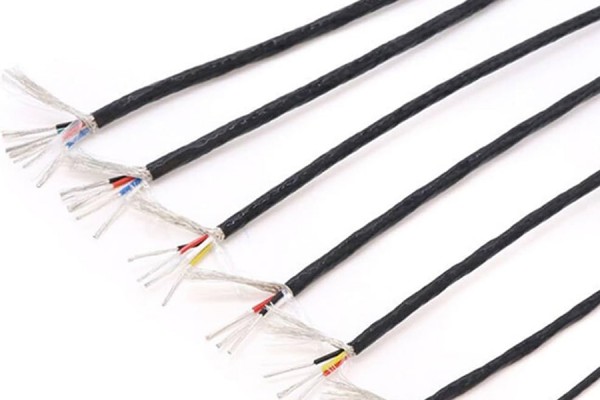
Moreover, the versatility of PTFE Thread Seal Tape and PTFE cable wrapping tape ensures secure connections across various applications. Its thermal stability protects sensitive equipment from heat damage, making it particularly beneficial in aerospace and healthcare settings. When considering options like DAC high-speed cable wrapping film or AEC high-speed cable wrapping film, manufacturers experience enhanced durability and performance in their wiring systems. Overall, the combination of these properties solidifies PTFE wrapping film’s position as an essential material in modern technology, particularly in high-speed and high-frequency cable applications.
| Property | Description |
|---|---|
| Chemical Resistance | Resists harsh substances |
| Low Friction | Minimizes wear on cables |
| Thermal Stability | Protects against heat damage |
| Versatility | Suitable for various applications |
| Durability | Enhances performance in wiring systems |
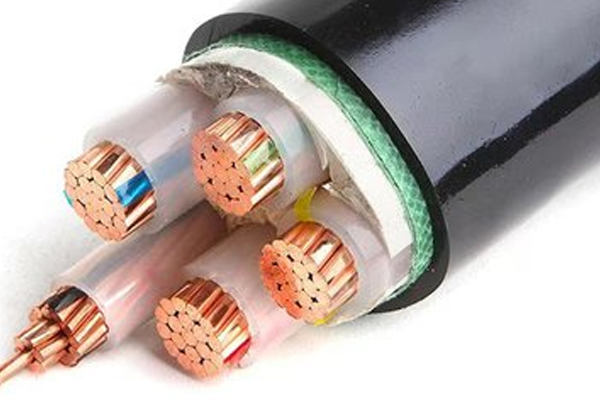
Innovative Applications of PTFE Wrapping Film in Aerospace and Healthcare
Polytetrafluoroethylene (PTFE) wrapping film has become an integral component in both aerospace and healthcare sectors due to its unique properties. In aerospace, this non-stick, lightweight film is utilized for insulating wires and components, enhancing safety by preventing electrical shorts and ensuring durability in extreme environments. Its resistance to chemicals and high temperatures makes it ideal for this industry.
Similarly, in healthcare, PTFE wrapping film is employed in medical devices, providing a protective barrier that maintains sterility and prevents contamination. Its non-toxic nature is crucial for devices used in diagnostics and life support systems.
Moreover, the use of PTFE cable wrapping tape offers additional versatility by allowing for easy application around delicate wiring while ensuring effective insulation. As industries continue to prioritize safety and efficiency, the demand for PTFE wrapping film is expected to grow significantly.
“Utilizing innovative materials like PTFE results in improved performance and reliability across critical applications.”
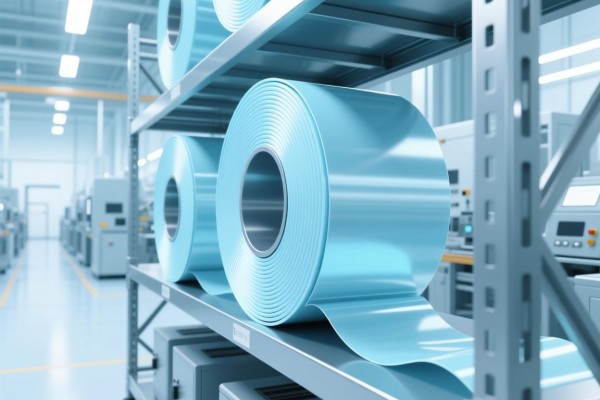
Understanding the Chemical Resistance of PTFE Wrapping Film
Polytetrafluoroethylene (PTFE) wrapping film exhibits exceptional chemical resistance, making it an ideal choice for various industrial applications. This characteristic is attributed to its unique molecular structure, which prevents degradation when exposed to aggressive substances. For instance, in the aerospace sector, PTFE wrapping film can withstand exposure to fuels and lubricants without losing its integrity. Similarly, in healthcare applications, it maintains its properties when in contact with sterilizing agents and bodily fluids. An emerging application involves the use of PTFE wrapping film in DAC high-speed cable installations, where protection against chemical exposure enhances durability and performance longevity. This resistance not only extends the lifespan of materials but also ensures reliability across critical operations.
Market Trends Driving the Adoption of PTFE Wrapping Film
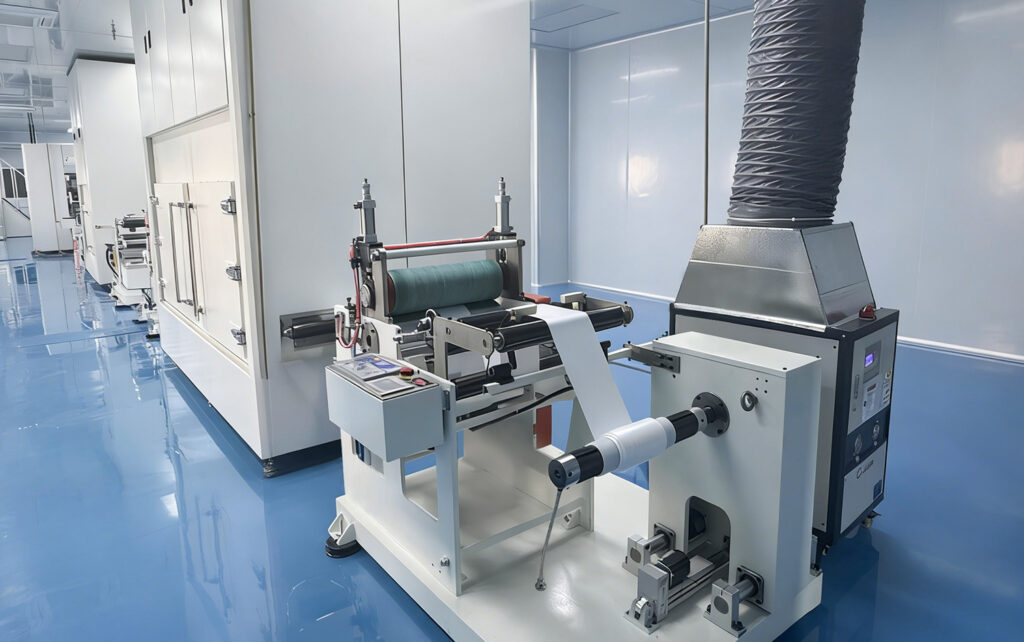
The increasing demand for PTFE wrapping film is largely driven by its unique properties and versatility in various applications. Industries like aerospace and healthcare are particularly drawn to the film due to its chemical resistance, which ensures durability even in harsh environments. Innovations in manufacturing processes are making PTFE more accessible and cost-effective, thus encouraging its adoption. Additionally, the growing emphasis on safety and compliance is pushing manufacturers to explore PTFE cable roll coating as a reliable option for insulating electrical components. Furthermore, as advancements in technology continue to emerge, the capability of PTFE wrapping film to enhance performance in demanding applications becomes more pronounced, solidifying its position as an essential material across multiple sectors.
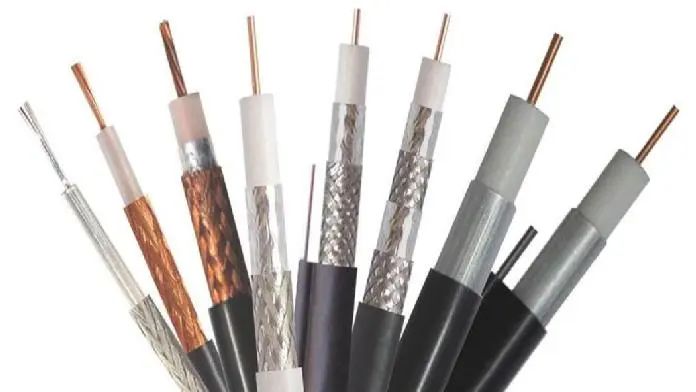
Advantages of Using Polytetrafluoroethylene in Industrial Applications
Polytetrafluoroethylene (PTFE) offers several advantages that make it a preferred choice in various industrial applications. Its exceptional chemical resistance allows it to withstand harsh environments, maintaining integrity where other materials might fail. Additionally, the low friction properties of PTFE facilitate smoother operations, reducing wear and tear on machinery. In the aerospace sector, PTFE wrapping film is vital for protecting components from extreme temperatures and corrosive substances. Its non-stick surface ensures easy cleaning and maintenance, enhancing operational efficiency. Furthermore, when compared to alternatives like AOC high-speed cable wrapping film, PTFE demonstrates superior thermal stability and durability, making it an ideal option across industries such as healthcare and electronics. As industries continue to seek reliable materials that can withstand demanding conditions, the advantages of PTFE remain significant drivers for its widespread adoption.
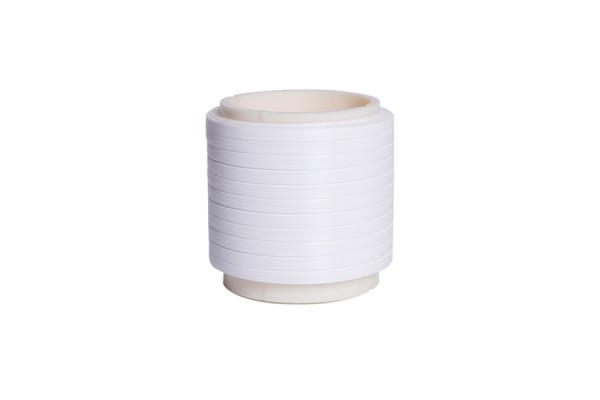
Future Outlook for PTFE Wrapping Film in Modern Technologies
The future of PTFE wrapping film appears promising as industries increasingly recognize its unique properties, particularly in aerospace and healthcare applications. As the demand for lightweight, durable materials grows, PTFE wrapping film stands out for its exceptional chemical resistance and thermal stability. Innovations, such as AEC high-speed cable wrapping film, illustrate the ongoing development in this space, enhancing performance while minimizing environmental impact. Furthermore, advancements in manufacturing processes are likely to reduce costs, making PTFE wrapping film more accessible for various applications. As regulations surrounding environmentally harmful substances tighten, industries will continue to seek materials that meet safety standards while delivering high performance. This pursuit will drive further investment and research into PTFE products and their applications across multiple sectors.
Enhancing Performance with PTFE Wrapping Film
Polytetrafluoroethylene (PTFE) wrapping film significantly enhances the performance of various industrial applications through its unique properties. The film’s low friction surface minimizes wear and tear on machinery, promoting longevity and efficiency. Its chemical resistance ensures protection against corrosive substances, making it ideal for use in challenging environments, such as aerospace and healthcare. Moreover, the non-stick characteristics of PTFE wrapping film facilitate easy cleaning and maintenance of components, further supporting operational consistency. This versatility allows manufacturers to apply PTFE wrapping film in multiple contexts, ranging from electrical insulation to thermal management solutions. As industries seek reliable materials that improve productivity while reducing operational costs, the demand for PTFE wrapping film continues to rise, confirming its critical role in modern technology applications.
Comparative Analysis: PTFE vs. Other Materials in Industrial Use
Polytetrafluoroethylene (PTFE) wrapping film offers distinctive advantages over alternative materials in industrial settings. Its exceptional chemical resistance and low friction properties make it a preferred choice for applications demanding durability and reliability. For instance, when compared to traditional materials like rubber or vinyl, PTFE exhibits superior thermal stability and compatibility with harsh chemicals. This makes PTFE wrapping film particularly valuable in aerospace and healthcare sectors where safety and performance are critical.
Additionally, the growing demand for advanced electrical insulation in sectors such as telecommunications has led to an increased application of ACC high-speed cable wrapping film. This film, while competing with PTFE in terms of performance, may not match its level of chemical resistance or versatility across extreme environments. As industries continue to seek solutions that minimize operational risks while maximizing efficiency, the unique properties of PTFE wrapping film position it as a leading material choice amid evolving market needs.
Conclusion
Polytetrafluoroethylene (PTFE) wrapping film has established itself as a vital material across numerous industries, thanks to its exceptional properties and wide-ranging applications. Its outstanding chemical resistance, low friction characteristics, and thermal stability make it an optimal choice for both aerospace and healthcare sectors. As manufacturers continue to explore innovative uses for PTFE, the ongoing advancements in material science will likely enhance its versatility even further. This growth reflects a broader trend towards materials that offer high performance while meeting stringent safety standards. Overall, the importance of PTFE wrapping film is increasingly recognized as industries aim for efficiency and reliability in demanding operational environments.
FAQs
What is Polytetrafluoroethylene (PTFE) wrapping film?
PTFE wrapping film is a versatile material known for its exceptional chemical resistance, low friction properties, and thermal stability, making it ideal for various industrial applications.
What industries commonly utilize PTFE wrapping film?
PTFE wrapping film is commonly used in industries such as aerospace and healthcare, where durability and safety are paramount due to the harsh environments encountered.
How does PTFE wrapping film enhance safety in aerospace applications?
In aerospace, PTFE wrapping film provides insulation for wires and components, preventing electrical shorts and ensuring reliable performance in extreme conditions.
Why is PTFE wrapping film suitable for medical devices?
Its non-toxic nature ensures sterility and contamination prevention, making it a critical material for medical devices used in diagnostics and life support systems.
What market trends are influencing the adoption of PTFE wrapping film?
The rising demand for reliable materials, increased focus on safety standards, and innovations in manufacturing processes are driving the adoption of PTFE wrapping film across various sectors.