important Takeaways
ePTFE membrane technology has transformed various industrial applications with its unique benefits, making it essential across diverse sectors. The structure and properties of ePTFE provide high durability, chemical resistance, and impressive breathability, setting it apart as a reliable choice. As industries evolve, manufacturers are enhancing ePTFE membranes through advanced production techniques and innovations, such as composite materials and improved pore designs. These improvements cater to emerging market needs for efficient and sustainable solutions. Selecting reputable manufacturers is critical to ensure high quality products that meet stringent industry standards. In summary, ePTFE stands out not just for its technical superiority but also for its adaptability in meeting contemporary technological challenges.
ePTFE Membrane Overview
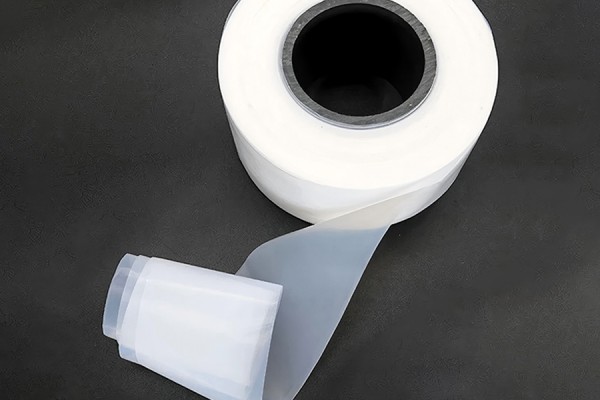
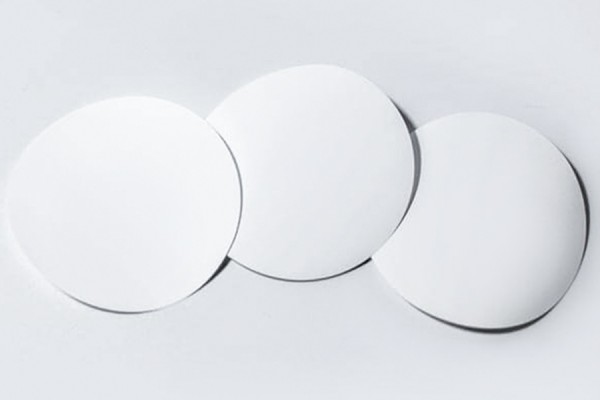
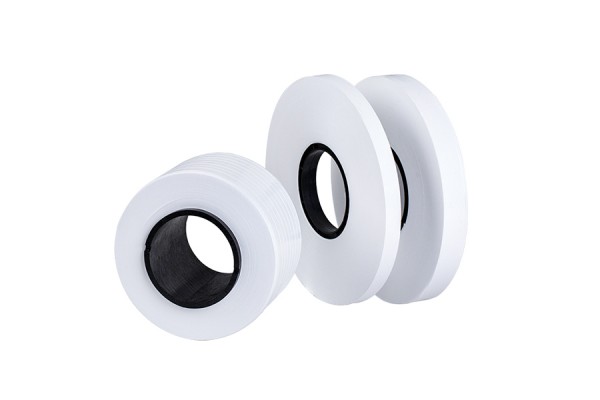
ePTFE, or expanded polytetrafluoroethylene, is recognized for its unique structure, made up of microscopic pores that contribute to its exceptional properties. This membrane exhibits high porosity and permeability while maintaining chemical stability in demanding environments, such as those characterized by extreme temperatures and acidic conditions. The effective filtration and breathability offered by ePTFE have led to its incorporation in a variety of industrial sectors. Its minimum pore size of 0.1 microns allows it to permit water vapor passage, making it advantageous for applications that require moisture management without compromising structural integrity. Furthermore, the expansion process enhances its strength compared to traditional membranes, ensuring durability in use cases ranging from acoustics to the high-speed transmission line PTFE wrapping tape. These qualities make it a suitable choice in both commercial and niche applications including battery products and medical devices, where reliability is paramount.
Advancements in ePTFE Use
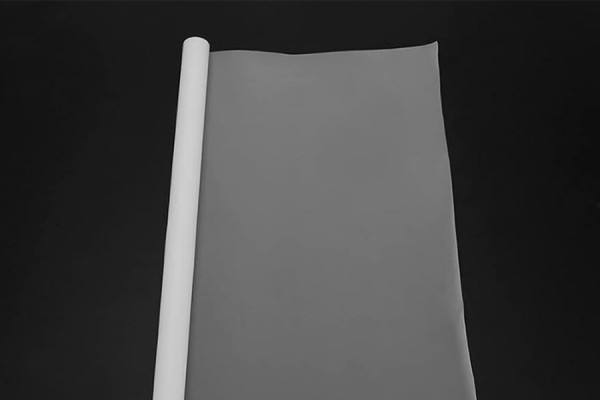
Recent innovations in ePTFE membrane technology have significantly enhanced its versatility and performance across various industrial sectors. Improved manufacturing techniques have led to membranes with finer pore structures, optimizing their filtration capabilities while maintaining breathability. These advancements enable ePTFE membranes to be used in diverse applications, ranging from pharmaceuticals to automotive industries, where precision and reliability are paramount. Furthermore, the development of composite ePTFE membranes integrates other materials, improving thermal and chemical resistance. These composites are particularly helpful in applications requiring high durability under extreme conditions, such as oil and gas extraction. furthermore, the integration of ePTFE membranes into new product designs has increased efficiency in energy usage, making them a sustainable choice for future technologies. This focus on innovation not only broadens the scope of ePTFE applications but also addresses emerging market demands for more efficient and environmentally friendly materials.
main Benefits of ePTFE
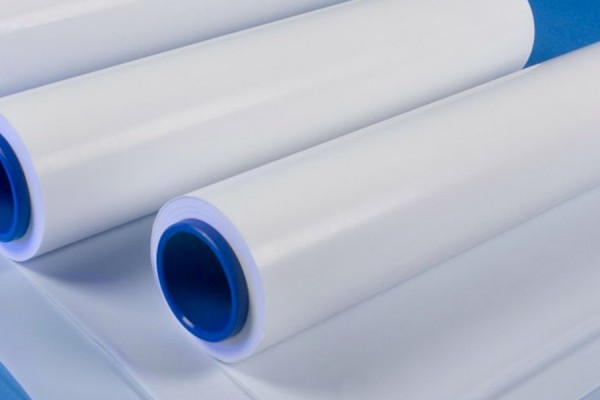
ePTFE offers numerous main benefits that make it a preferred choice across various industries. Its exceptional chemical stability ensures performance even in harsh environments, making it suitable for applications where other materials may fail. furthermore, ePTFE’s high permeability allows it to absorb liquids while remaining breathable, important for applications such as medical devices where moisture management is essential. The material’s lightweight and durable properties contribute to its versatility, allowing for original uses in sectors like automotive and aerospace. It also exhibits low friction characteristics, which boost its performance in moving parts and reduce wear over time. Furthermore, ePTFE’s resistance to UV light and aging extends the life cycle of products made from it, ensuring reliability and safety in critical scenarios. These benefits collectively stress the importance of ePTFE as a leading material in advanced industrial applications.
Industrial applications of ePTFE
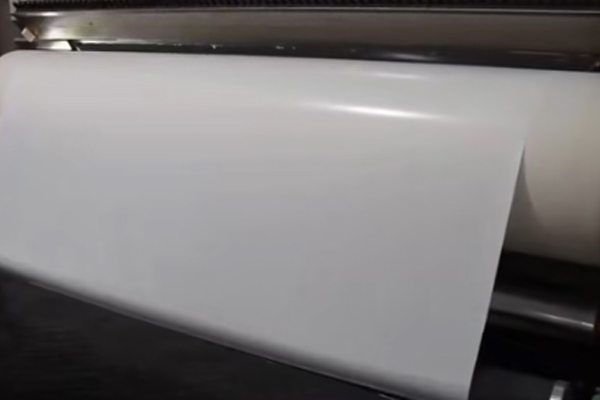
ePTFE membranes are widely recognized for their versatility across various industries. In the medical field, they are used in sutures and wound dressings, facilitating healing while minimizing the risk of infection due to their non-reactive characteristics. The automotive sector benefits from ePTFE’s properties in fuel cells, where membranes enable efficient hydrogen separation and support high current densities essential for performance. furthermore, in the electronics industry, ePTFE acts as insulation for RF cables because of its low dielectric constant and resistance to high temperatures. This makes it an ideal choice for applications requiring reliable performance under extreme conditions. The construction sector leverages ePTFE membranes for roofing and facades, utilizing their waterproof yet breathable nature to improve building durability. Each application highlights how ePTFE effectively meets the demands of modern technology while offering critical advantages over conventional materials in both functionality and longevity.
Choosing ePTFE Manufacturers
When selecting ePTFE manufacturers, several important factors should guide your decision. First, prioritize manufacturers known for their commitment to quality assurance. Look for those with established reputations ensuring adherence to industry standards. Cost-effectiveness is also essential; analyze the balance between price and quality to find the most economical suppliers. furthermore, timely delivery is critical; choose suppliers with proven track records of on-time shipments to avoid project delays. Access to technical support is another important consideration, as having a knowledgeable team assist with any queries creates a more seamless experience. Equally important is the overall service quality; responsive manufacturers provide efficient service that can make all the difference in maintaining smooth operations.
"Selecting a reliable manufacturer is crucial for optimizing performance and ensuring satisfaction in your projects."
ePTFE in Electrical Insulation
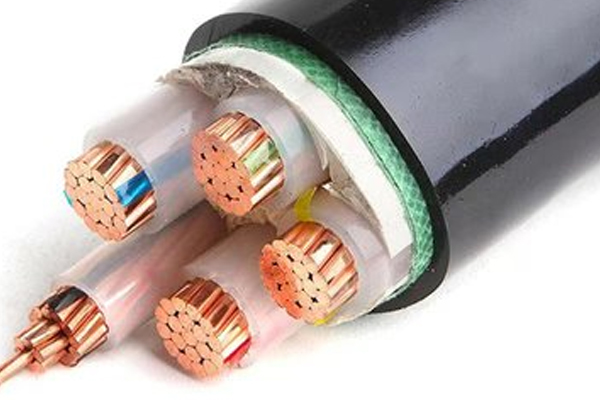
ePTFE serves a vital role in electrical insulation due to its superior properties when compared to traditional materials like polyethylene (PE) and polyvinyl chloride (PVC). Its low dielectric constant minimizes energy loss, which is essential in high-frequency applications. High thermal stability allows ePTFE to function effectively across a range of temperatures, ensuring systems continue operating optimally without risk of degradation. Furthermore, its resistance to fire and smoke enhances safety in electrical setups, making it suitable for stringent safety standards. In modern wiring and cabling applications, ePTFE is increasingly favored for insulating high-performance electrical components and circuits, where reliable performance is imperative. This material not only reduces potential faults but also promotes efficiency in signal transmission. As demands for advanced electrical solutions grow, the adoption of ePTFE as an insulation material is likely to expand within the industry, stressing its importance in new design and engineering practices.
Technological innovations in Membranes
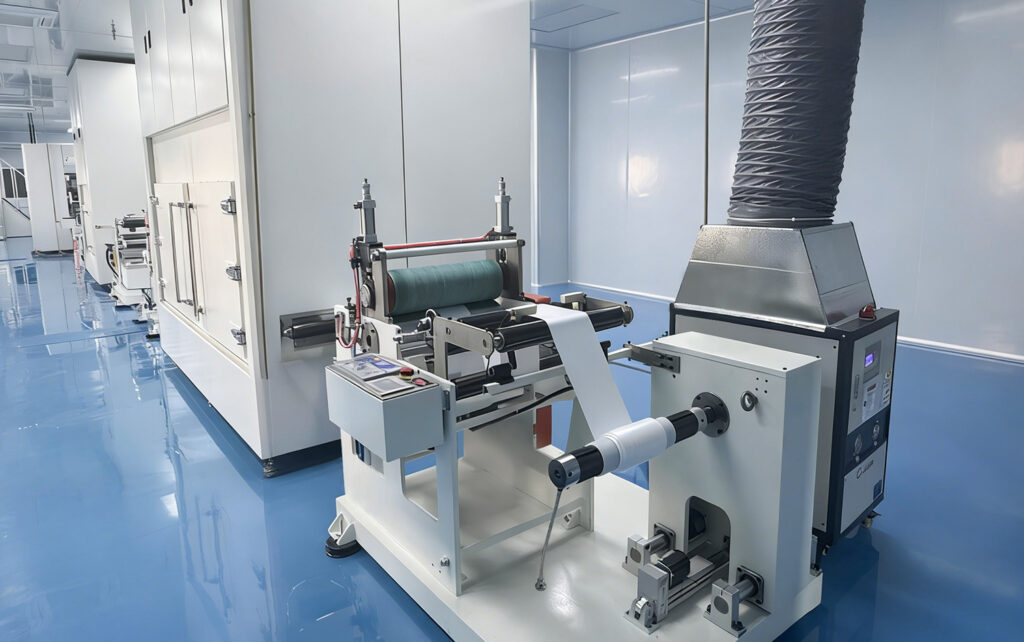
Recent advancements in membrane technology, particularly concerning ePTFE, have led to significant changes in various industrial applications. Innovations focused on enhancing the material’s properties contribute to its versatility and performance. For instance, developments in membrane manufacturing techniques have enabled the production of thinner and lighter materials without compromising strength or durability. These advancements allow ePTFE membranes to improve efficiency in applications such as filtration and separation processes.
Moreover, the integration of nano-coatings enhances the hydrophobic properties of ePTFE, allowing for superior moisture management while maintaining breathability. These innovations are crucial for industries like medical devices and aerospace, where precise control over moisture levels is important. furthermore, emerging digital fabrication methods foster customization, enabling manufacturers to tailor membrane characteristics to meet specific application demands. Thus, ongoing technological innovations not only broaden the functional scope of ePTFE membranes but also set a new standard for performance excellence across various sectors.
Future trends in ePTFE Technology
Recent developments in ePTFE technology indicate a shift towards multifunctional applications, with manufacturers focusing on enhancing the material’s versatility. Innovations like improved pore structures are being researched to further improve the membrane’s filtration capabilities, making it suitable for advanced environmental applications. furthermore, integrating ePTFE with other materials can yield hybrid solutions that improve thermal resistance and chemical stability, broadening its applications in industries such as aerospace and automotive. The push for sustainability is also evident, with an emphasis on developing environmentally friendly manufacturing processes and recycling initiatives for ePTFE products. As the demand continues to grow across various sectors, including healthcare and electronics, ePTFE is poised to play a vital role in future technological advancements. Collaboration between research institutions and manufacturers will be essential for driving these innovations forward, ensuring that ePTFE remains at the forefront of industrial developments.
Conclusion
the advancements in ePTFE membrane technology illustrate a significant shift within various industrial sectors, driven by ongoing innovations. As manufacturers continue to improve production techniques, the resulting membranes exhibit enhanced performance characteristics, making them suitable for increasingly demanding applications. The versatile benefits of ePTFE, including its chemical stability and breathability, have established it as a preferred material for critical applications ranging from medical devices to aerospace components. also, the focus on sustainability and functional customization highlights the material’s capacity to adapt to emerging market needs while maintaining efficiency and environmental consciousness. This evolving scene reinforces the importance of selecting reliable manufacturers who prioritize quality and innovation, ensuring that products not only meet current standards but also anticipate future technological demands. The continued evolution of ePTFE technology undoubtedly positions it as a cornerstone in the advancement of modern industrial solutions.
FAQs
What is ePTFE and why is it significant?
ePTFE, or expanded polytetrafluoroethylene, is notable for its unique properties, including high porosity and chemical stability, making it suitable for various industrial applications.
What are the primary applications of ePTFE membranes?
ePTFE membranes find use in sectors like medical devices, automotive fuel cells, and electrical insulation due to their breathability, stability, and effective moisture management.
How does ePTFE compare to traditional insulation materials?
Compared to materials like polyethylene and polyvinyl chloride, ePTFE offers lower energy loss and greater thermal stability, enhancing performance in high-frequency electrical applications.
What factors should I consider when choosing an ePTFE manufacturer?
important factors include the manufacturer’s reputation for quality assurance, cost-effectiveness, timely delivery records, technical support availability, and service quality.
Are there any recent innovations in ePTFE technology?
Yes, recent advancements include improved pore structures for better filtration efficiency and the development of composite membranes that boost thermal resistance for demanding industrial conditions.