Key takeaways
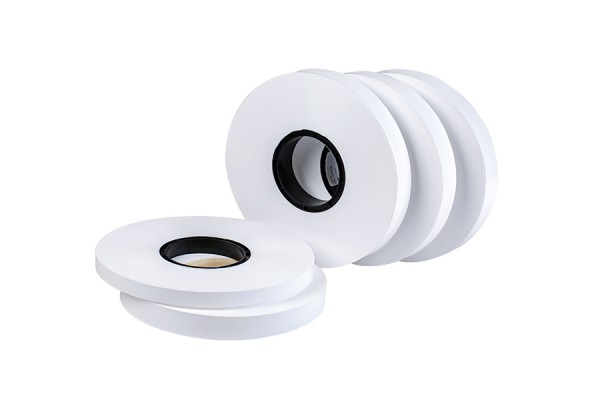
PTFE high-speed cable film stands out as a significant material in modern communication technologies, offering numerous advantages that enhance electronic performance. Its low dielectric constant is crucial for minimizing signal delays, which directly translates into improved data transmission efficiency. Engineers often select PTFE cable film for high-frequency applications due to its ability to maintain signal integrity while reducing crosstalk. Furthermore, the exceptional insulation properties of PTFE provide reliable safeguarding against electrical interference and moisture. This durability is vital for maintaining operational performance across a wide temperature range and in diverse environmental conditions. The stability under extreme situations ensures that systems remain functional and efficient, leading to minimized maintenance needs and downtime. As the telecommunications landscape continues evolving with the rise of 5G and IoT applications, the demand for materials such as PTFE will likely increase, reflecting its essential role in supporting advancements in communication technology. Overall, the attributes of PTFE cable film position it as a preferred choice across varied industries seeking reliable solutions for complex electronic systems.
Advantages of PTFE Cable Film
PTFE cable film offers substantial advantages that make it an ideal choice for high-speed transmission lines. One of the key benefits is its low dielectric constant, which minimizes signal attenuation and enhances transmission efficiency. This characteristic is particularly crucial for high-frequency applications where maintaining signal integrity is paramount. Additionally, PTFE wrapping film provides exceptional insulation properties, safeguarding electrical components from short circuits and leakage.
The stability of PTFE cable wrapping tape in extreme conditions also stands out; it performs reliably across a broad temperature range and demonstrates excellent resistance to chemicals and humidity. As a result, this material is suitable for diverse environments in modern electronics, including telecommunications and data centers. Moreover, innovations like DAC high-speed cable wrapping film and AEC high-speed cable wrapping film showcase the versatility of PTFE solutions, adapting to specific application needs while ensuring superior performance in advancing communication technologies.
Low dielectric constant benefits
the low dielectric constant of PTFE high-speed cable film plays a significant role in enhancing data transmission efficiency. A dielectric constant close to that of air helps to minimize signal delay, which is crucial for high-frequency applications. By reducing this delay, PTFE film ensures faster transmission rates, facilitating improved performance in communication systems. Additionally, the low dielectric constant minimizes coupling between adjacent conductors, thereby reducing the risk of crosstalk and interference. This quality not only enhances the clarity of the signals but also increases the overall reliability of electronic devices. As a result, engineers and developers often prioritize PTFE cable films in high-performance applications where signal integrity is paramount. The stable characteristics of this material under different operating conditions further underline its effectiveness in modern communication technologies.
Exceptional insulation properties
PTFE high-speed cable film offers exceptional insulation properties that are key to ensuring reliable performance in modern communication systems. This material effectively prevents electric current from leaking, which is vital for maintaining signal integrity in high-frequency applications. The excellent insulation capabilities of PTFE allow it to create a strong barrier against electrical interference, thereby safeguarding the transmission quality of data cables. Moreover, its inherent resistance to moisture contributes significantly to its insulation effectiveness, as it minimizes the risk of short circuits due to humidity. This reliability extends over a wide range of temperatures, further enhancing its appeal for use in electronic devices that operate under varying environmental conditions. As a result, PTFE high-speed cable film not only ensures superior performance but also enhances the durability and longevity of electronic components. These insulation properties align perfectly with the demands of contemporary technologies and are essential for applications in fields such as telecommunications and data transmission.
Stability in Extreme Conditions
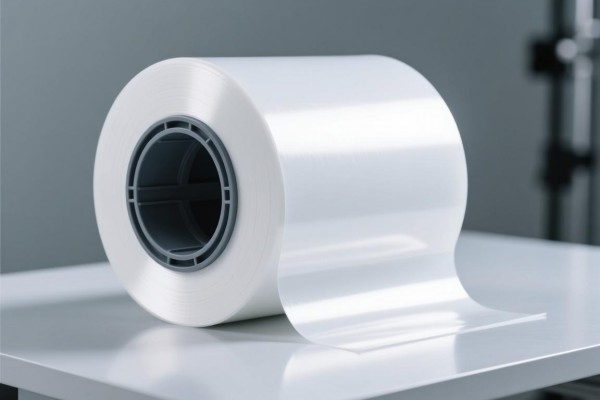
PTFE high-speed cable film exhibits remarkable stability in extreme temperature ranges, maintaining its functional integrity under both harsh cold and intense heat. This material can perform reliably from -200°C to +260°C, which is essential for applications that involve varying environmental conditions. Its ability to withstand such extremes makes it suitable for use in areas where equipment may be exposed to fluctuating temperatures, such as aerospace or outdoor telecommunications. Additionally, the chemical inertness of PTFE ensures that the film does not degrade when exposed to solvents or corrosive environments, further contributing to its longevity and stability. This resistance not only protects the cable performance but also minimizes maintenance needs, providing a reliable solution for modern electronics that demand high-performance materials capable of enduring challenging operational conditions. Overall, PTFE cable films offer significant advantages by ensuring consistent performance, essential for the reliability required in advanced communication technologies.
Enhancing communication technologies
PTFE high-speed cable film significantly improves communication technologies by enabling faster and more reliable data transmission. Its low dielectric constant minimizes signal delays, which is essential in applications requiring real time data exchange. This aspect of PTFE film is particularly crucial for high-frequency circuits used in telecom networks and data centers. Additionally, the exceptional insulation properties of PTFE prevent signal leakage and short circuits, ensuring that communications remain clear and uninterrupted. The material’s resistance to environmental factors, including extreme temperatures and humidity, allows communication systems to operate reliably in diverse conditions. These advantages make PTFE cable film an ideal solution for advanced applications such as 5G networks and emerging technologies in artificial intelligence and IoT devices. As the demand for high-speed communication continues to grow, the role of PTFE cable film becomes increasingly vital in maintaining high performance across modern electronic infrastructure.
Applications in Modern Electronics
PTFE high-speed cable film plays a vital role in various modern electronic applications. Its low dielectric constant allows for efficient signal transmission, making it ideal for high-frequency communication systems. Many industries utilize this cable film for data transfer in devices such as smartphones, computers, and networking equipment. Additionally, its exceptional insulation properties ensure reliable performance in environments where electromagnetic interference is a concern.
Furthermore, the stability of PTFE cable film in extreme temperature conditions makes it suitable for applications ranging from aerospace technology to industrial equipment. As the demand for faster and more reliable telecommunications grows, PTFE high-speed cable film continues to be integrated into advanced systems like 5G networks and broadband infrastructures. This material’s versatility also extends to medical devices where precise data transmission is critical. By meeting the rigorous requirements of modern electronics, PTFE cable film demonstrates its importance across diverse sectors, enhancing overall functionality and performance in complex electronic systems.
Future trends in Cable Materials
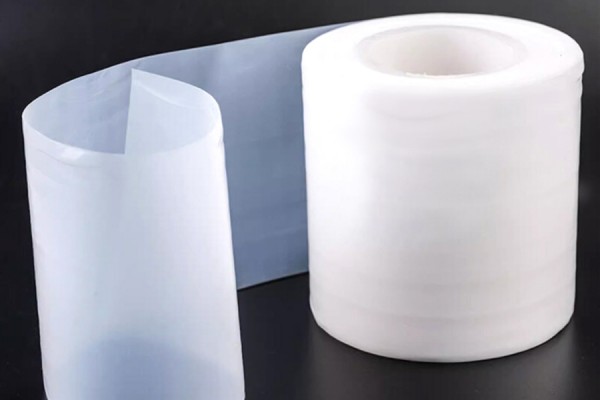
The future of cable materials, particularly in high-speed communications, points towards significant innovations driven by the increasing demands for data transmission efficiency. Enhanced formulations of PTFE high-speed cable film are expected to evolve, integrating advanced additives that improve performance under a variety of conditions. Moreover, developments in nanotechnology could lead to lighter yet stronger materials that maintain excellent insulation properties while reducing overall costs. As industries migrate towards green technologies, eco-friendly alternatives to traditional cable materials may gain traction, promoting sustainability without compromising quality. Furthermore, the shift towards 5G and beyond is likely to spur research into specialized coatings that enhance signal integrity and reduce interference. The dynamic interplay between technological advancements and material science will shape the next generation of cables, ensuring they meet the growing complexity of modern communication systems.
Cost-Effectiveness of PTFE Solutions
PTFE high-speed cable film presents significant cost advantages for modern communication technology. Its durability and long service life reduce the frequency and costs associated with replacements and repairs. The material’s ability to maintain performance under extreme conditions further minimizes downtime, providing a reliable solution for users. Additionally, the manufacturing process of PTFE solutions has advanced, leading to increased efficiency and lower production costs. This economic benefit makes PTFE an attractive choice for companies seeking to optimize their budgets while ensuring high quality in their products. As industries face growing demands for performance and efficiency, investing in PTFE cable film proves to be a smart decision that balances functionality with financial feasibility. This combination positions PTFE solutions favorably in the competitive electronics market, particularly for applications like AI servers and high-speed data transmission technologies.
Conclusion
the integration of PTFE high-speed cable film in modern communication technologies highlights its essential role in enhancing efficiency and reliability. Its low dielectric constant, combined with exceptional insulation and stability, makes it suitable for demanding applications across diverse environments. As industries continue to evolve, the need for high-performance materials that can withstand extreme conditions becomes increasingly vital. Furthermore, the ongoing advancements in PTFE technology promise to not only improve current applications but also pave the way for innovative uses in new fields. By prioritizing PTFE solutions, engineers can ensure that communication systems remain robust and responsive to the growing demands of digital connectivity. As the landscape of communication technologies expands, PTFE high-speed cable film will undoubtedly play a significant role in driving advancements forward.
FAQs
What is PTFE high-speed cable film?
PTFE high-speed cable film is a specialized insulating material used in communication technologies, designed to enhance data transmission efficiency through its low dielectric constant and excellent insulation properties.
What are the benefits of a low dielectric constant in PTFE cable film?
A low dielectric constant helps minimize signal delays, reducing interference and crosstalk, which is crucial for maintaining signal integrity in high-frequency applications.
How does PTFE cable film perform in extreme conditions?
PTFE cable film maintains stability and functionality across a wide temperature range, from -200°C to +260°C, making it suitable for environments with fluctuating temperatures and harsh conditions.
What industries commonly use PTFE high-speed cable film?
PTFE high-speed cable film is widely utilized in telecommunications, aerospace, medical devices, and various sectors that demand reliable performance in data transmission.
Will advancements in PTFE technology lead to new applications?
Yes, ongoing innovations are likely to enhance the performance of PTFE materials, paving the way for new applications in emerging technologies like 5G networks and IoT devices.