main Takeaways
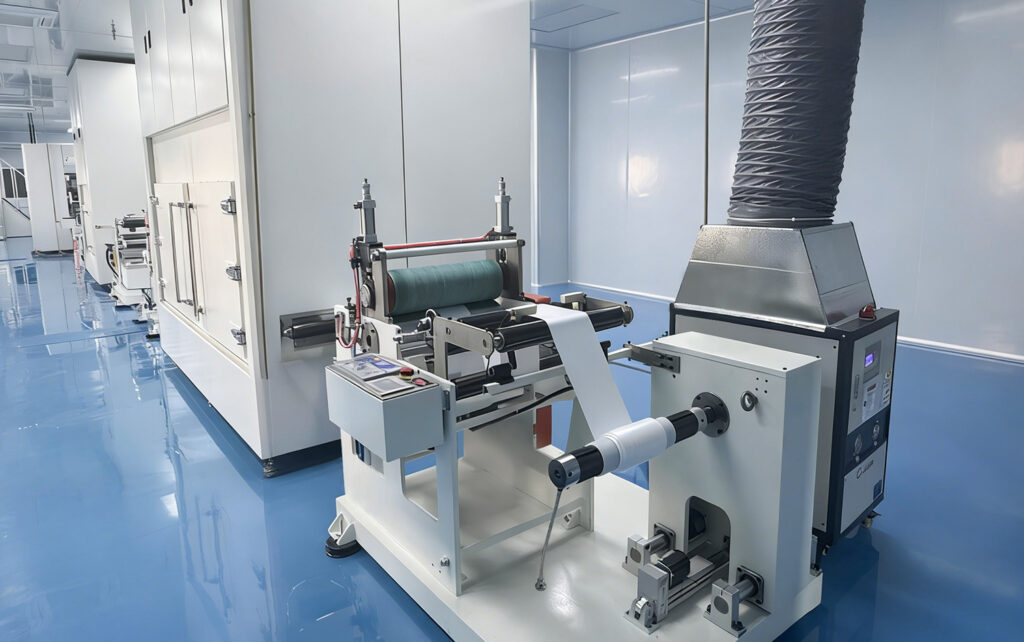
High-speed PTFE wrapping tape provides essential benefits for transmission lines, particularly in maintaining signal integrity and efficiency. Its low dielectric loss reduces energy loss during transmission, main for high-frequency applications. also, the tape’s durability against heat and moisture extends the lifespan of cables, making it a reliable choice for industries such as aerospace and telecommunications. This tape also offers flexibility in application, allowing it to conform to various cable shapes and sizes, thus ensuring complete coverage. The shielding properties against electromagnetic interference are noteworthy, as they protect sensitive data from external disruptions. As technology evolves and demands for higher bandwidth increase, integrating high-speed PTFE wrapping tape becomes a main strategy in enhancing communication systems while minimizing maintenance costs. Overall, this insulation solution stands out as a critical asset in optimizing cable performance and longevity across diverse applications.
High-Speed PTFE Tape Benefits
The high-speed transmission line PTFE wrapping tape delivers multiple advantages for cable insulation. Its low dielectric loss ensures efficient signal transmission, making it a vital component for high-frequency applications. This type of PTFE wrapping film is resistant to heat and corrosion, which enhances the longevity and performance of cables in demanding environments. Furthermore, the flexibility of PTFE cable wrapping tape allows for easy application on complex cable geometries, ensuring full coverage. With the integration of DAC high-speed cable wrapping film and AEC high-speed cable wrapping film, users can achieve optimal durability and reliability in aerospace and telecommunications. These materials provide necessary electromagnetic interference shielding, critical for maintaining signal integrity in RF coaxial cables. By utilizing PTFE thread seal tape in conjunction with high-speed cables, industries can further boost operational efficiency while reducing maintenance costs associated with cable failures. The reliability afforded by this insulation solution is indispensable as the need for high-performance, reliable connections grows across various sectors.
original Insulation Solutions
High-Speed PTFE wrapping tape presents a significant approach to cable insulation, offering exceptional performance across various applications. This tape features low dielectric loss, which plays a critical role in maintaining signal integrity for high-frequency transmission lines. Its versatility is evident in sectors like telecommunications and aerospace, where reliable data transfer is main.
"Using High-Speed PTFE wrapping tape provides an extra layer of protection against environmental factors that can degrade performance."
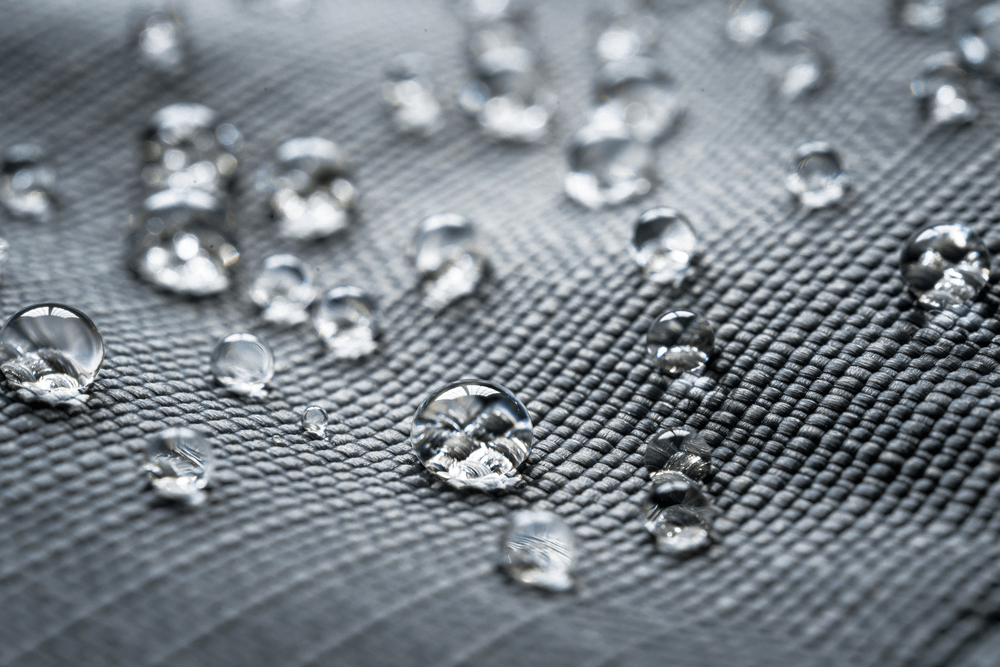
The unique properties of PTFE allow it to withstand extreme temperatures and corrosive environments, thereby enhancing the longevity of cables. This insulation solution effectively mitigates electromagnetic interference, a common challenge in modern communication systems. By integrating this original material into cable design, industries can achieve more robust and efficient transmission lines that meet growing technological demands while ensuring compliance with rigorous safety standards.
Maximizing cable performance
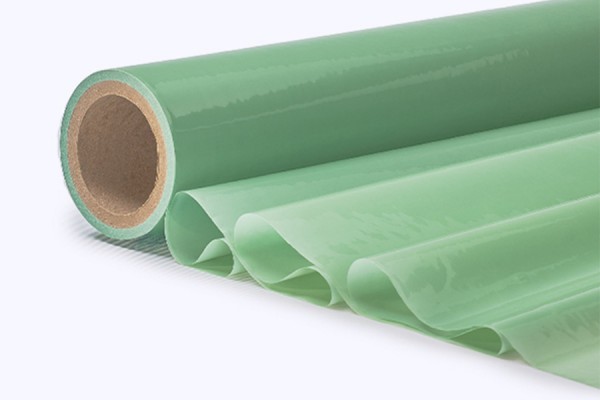
high-speed transmission line performance relies heavily on the materials used in their construction. PTFE wrapping tape offers significant advantages that boost the efficiency of cables. Its low dielectric constant minimizes signal attenuation, allowing for clearer communication in high-frequency applications. This property is particularly vital in environments where rapid data transmission is non-negotiable, such as aerospace and telecommunications.
furthermore, PTFE’s excellent thermal resistance ensures that cables maintain performance even under extreme operating conditions. The flexibility of PTFE allows for easy application around various cable configurations, ensuring full coverage that promotes consistent signal integrity. By minimizing electromagnetic interference, PTFE wrapping tape also protects the signal from external noise sources, enhancing overall data accuracy.
The combination of these attributes leads to longer-lasting and more reliable transmission lines, reducing maintenance costs and downtime in critical applications. This proactive approach to cable management is essential for industries that demand high reliability and performance from their communication infrastructures.
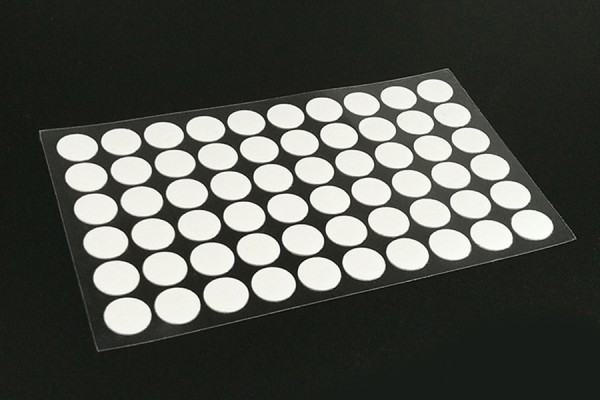
PTFE in Aerospace Applications
PTFE wrapping tape plays a significant role in aerospace applications, offering tailored solutions to meet rigorous demands. Its lightweight and exceptional thermal resistance make it suitable for high-altitude environments where temperature variations can be extreme. The tape helps in insulating wiring and components within aircraft systems, ensuring reliable performance under challenging conditions. Its low dielectric loss is critical for maintaining signal quality in communication systems used in planes. Furthermore, PTFE’s resistance to corrosion contributes to the longevity of wiring harnesses exposed to various chemicals and environmental factors. Use cases extend to satellite and spacecraft technologies where reliability and durability are paramount. In the aerospace sector, the integration of PTFE tape fosters improved efficiency by reducing weight while maintaining optimal functionality across various electronic applications.
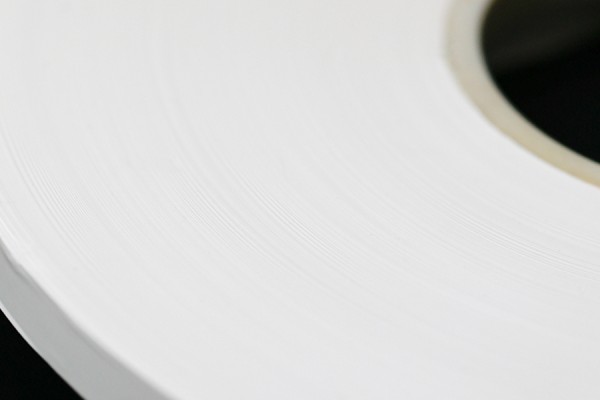
Superior durability in Cables
Superior durability in cables is critical for high-speed transmission lines, particularly in demanding environments. PTFE wrapping tape offers exceptional resistance to thermal extremes, chemical exposure, and mechanical stress. This resilience ensures that cables maintain their integrity and functionality over time. The low friction properties of PTFE reduce wear during installation and operation, prolonging the lifespan of the insulated lines. Furthermore, the tape’s reliable adhesion under varying conditions helps prevent delamination and promotes consistent performance.
In aerospace applications, where failure is not an option, durable insulation is a non-negotiable requirement. The ability of PTFE to withstand high temperatures without degrading makes it an ideal choice for aerospace wiring systems. Similarly, telecommunications networks benefit from the robust nature of PTFE-wrapped cables, especially as data transmission speeds increase. By minimizing potential failures and maintaining operational efficiency, these tapes reinforce cable systems against the rigors of modern communication technologies.
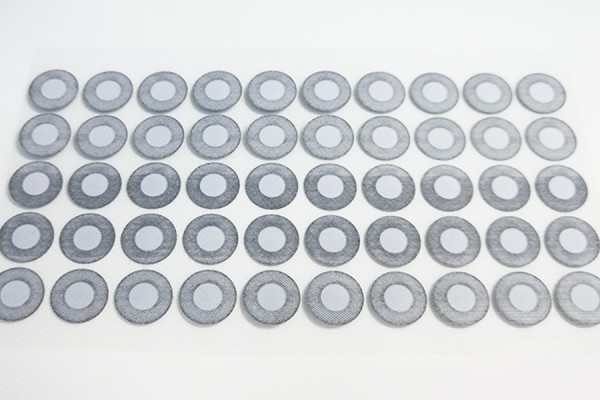
High-Frequency Cable Efficiency
High-speed PTFE wrapping tape significantly improves the efficiency of high-frequency cables. Its low dielectric constant reduces signal loss, ensuring that data transmission remains clear and robust. This feature is main in applications where maintaining signal integrity is essential, such as in telecommunications and aerospace. The flexibility of PTFE allows for tight wraps around cables, minimizing the risk of interference from external sources. Moreover, the tape’s resistance to environmental factors, including heat and moisture, protects the cable’s performance over time. As electronic devices evolve and demand higher data transmission rates, integrating high-speed PTFE tape into cabling systems becomes vital to meet these technical challenges. The unique properties of PTFE provide a reliable solution that enhances overall cable performance while maintaining necessary insulation standards.
Electromagnetic interference shielding
high-speed PTFE wrapping tape plays a vital role in safeguarding sensitive electronic components against electromagnetic interference (EMI). The inherent properties of PTFE offer a high level of insulation, preventing unwanted electromagnetic signals from disrupting data transmission. When wrapped around cables, this tape acts as a barrier that reduces signal degradation, ensuring reliable performance in high-frequency applications. The flexibility and robustness of PTFE also enable it to conform to various cable geometries, making it effective across diverse installations.
In industries like aerospace and telecommunications, where signal integrity is important, the use of PTFE wrapping tape is increasingly common. Its ability to withstand harsh environmental conditions while maintaining excellent insulation makes it suitable for demanding applications. By mitigating EMI, the tape helps boost overall system reliability and performance, contributing significantly to the efficiency of modern transmission lines.
Revolutionizing telecommunications lines
high-speed PTFE wrapping tape plays a vital role in the telecommunications sector by improving signal integrity and performance. Its low dielectric loss characteristics help to maintain high data transmission rates, important for modern networks. In an era where data demand skyrockets, this tape enables efficient transmission lines that can handle increased bandwidth. The flexibility and strength of PTFE mean it can adapt to various cable configurations, ensuring reliable performance over extended periods.
Furthermore, its resistance to environmental factors, like temperature fluctuations and moisture, enhances the longevity of telecommunications infrastructure. This durability is particularly important for outdoor installations where cables may be exposed to harsh conditions. By utilizing high-speed PTFE wrapping tape, telecommunications companies can ensure that their systems operate at peak efficiency while minimizing maintenance costs and downtime, thus addressing both consumer demands and operational challenges effectively.
Conclusion
high-speed PTFE wrapping tape offers substantial benefits for insulation in transmission lines, effectively addressing the demands of modern high-frequency applications. Its unique properties, such as low dielectric loss and thermal resistance, ensure that cables remain efficient and reliable in various environments. This tape not only improves cable performance but also enhances durability against external factors like heat and moisture. In specialized sectors such as aerospace and telecommunications, these advantages translate to decreased maintenance costs and increased operational reliability. The ability of PTFE to shield against electromagnetic interference further solidifies its place as a critical material for safeguarding signal integrity. As industries continue to evolve and prioritize efficient communication systems, the adoption of high-speed PTFE wrapping tape becomes an essential strategy for maintaining robust transmission lines that meet rising technological standards.
FAQs
What is High-Speed PTFE wrapping tape?
High-Speed PTFE wrapping tape is a specialized insulation material used in transmission lines to maintain signal integrity and reduce dielectric losses.
How does PTFE wrapping tape improve cable performance?
It minimizes signal attenuation, withstands extreme temperatures, and protects against electromagnetic interference, ensuring reliable data transmission.
In which industries is High-Speed PTFE wrapping tape commonly used?
This tape is widely utilized in aerospace and telecommunications sectors, where efficient and high-frequency transmission lines are critical.
Is High-Speed PTFE wrapping tape resistant to environmental factors?
Yes, it offers excellent resistance to heat, moisture, and chemical exposure, enhancing the durability of the insulated cables in challenging environments.
Can PTFE wrapping tape conform to various cable geometries?
Absolutely, the flexibility of the tape allows it to adapt easily around different cable configurations for consistent insulation coverage.